

Makalu Barun: Why It’s a Must-Visit Destination in Nepal Himalayas
Introduction to Makalu Barun Region
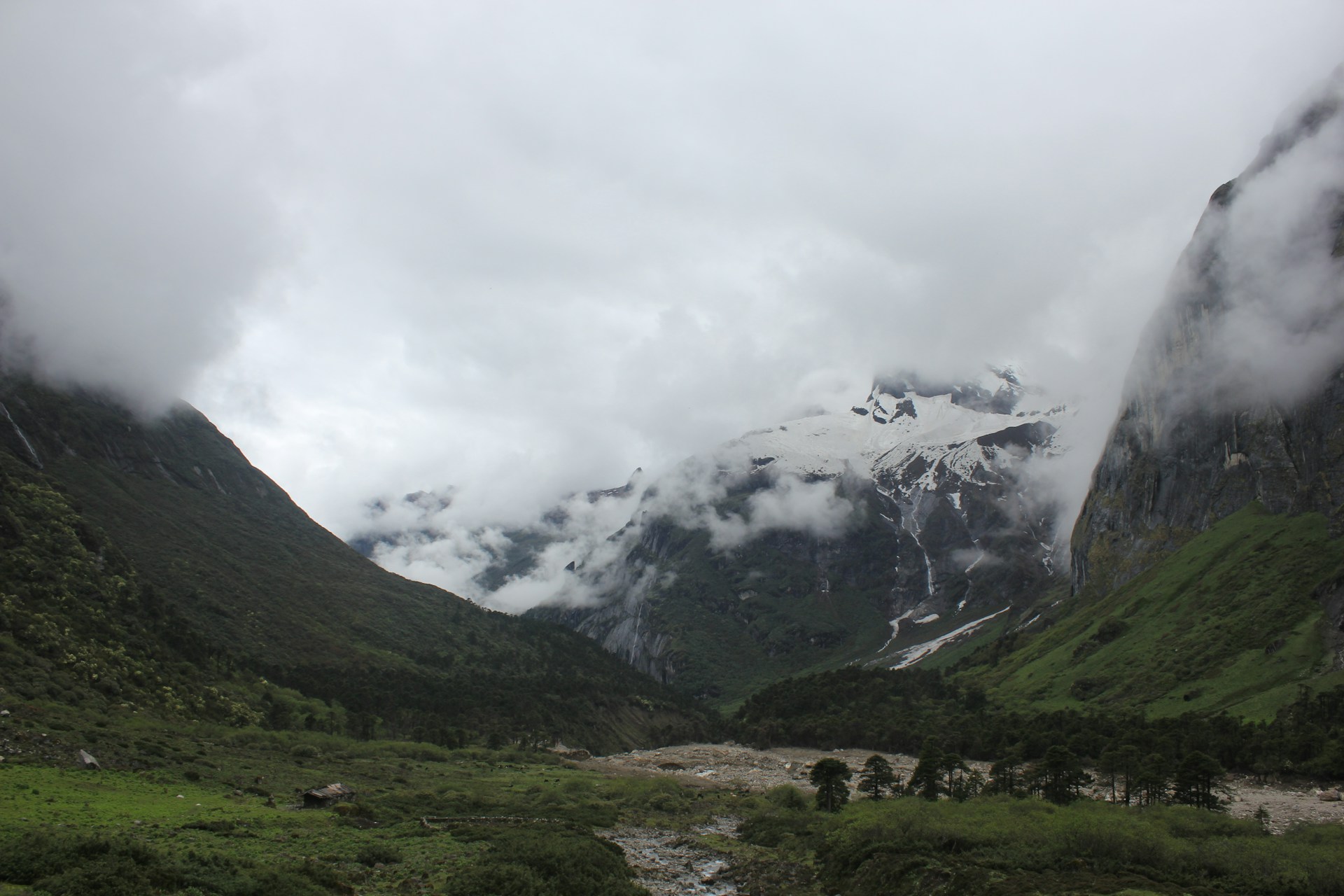
Makalu Barun is one of the most beautiful and least explored trekking regions in eastern Nepal. It lies inside Makalu Barun National Park, a protected area known for its rich nature and peaceful mountain trails. This region is home to Mount Makalu, the world’s fifth-highest mountain, and offers a truly quiet trekking experience away from busy routes.
The area includes deep valleys, high passes, glaciers, and alpine forests. Trekkers walk through remote villages, green hills, and the stunning Barun Valley Nepal, where nature feels untouched. Because the region is less crowded, it is ideal for travelers who enjoy remote trekking Nepal and want to experience pure Himalayan wilderness.
Makalu Barun is also famous for its wide range of plants and animals, making it important for the biodiversity of Nepal Himalayas. The trails here are challenging but very rewarding, offering dramatic mountain views and a strong sense of adventure.
If you are looking for a quiet and meaningful trekking journey, Makalu Barun is a great choice.
With expert support from agencies like Skyline Treks, you can explore this special region safely.
In the next sections, we will look at trekking routes, best seasons, and travel tips in detail.
Where Is Makalu Barun Located in Nepal?
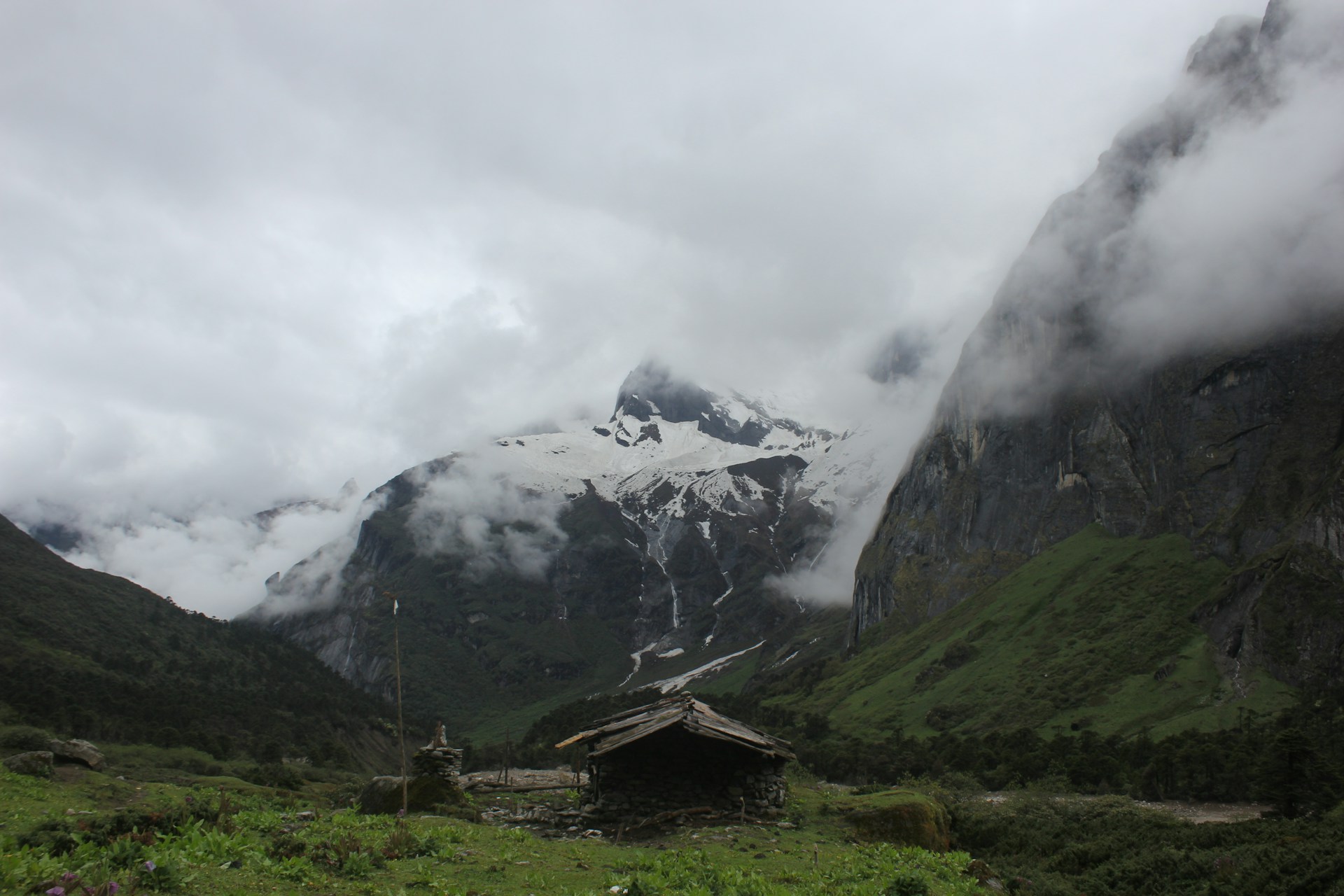
The Makalu Barun region is located in eastern Nepal, near the border with Tibet (China). It lies within Makalu Barun National Park, a large protected area known for its wild landscapes and rich natural life. The region spreads across Sankhuwasabha and Solukhumbu districts, covering a wide range of elevations from low valleys to high Himalayan peaks.
Key Location Highlights:
- Eastern Nepal: Far from busy trekking regions like Everest and Annapurna
- Border Area: Close to Tibet, giving the region a dramatic high-mountain setting
- Protected Zone: Fully inside Makalu Barun National Park
At the center of the region stands Mount Makalu (8,485 meters), the fifth-highest mountain in the world. The terrain changes quickly as you travel deeper into the region.
Geographic Features:
- Deep river gorges and green hills at lower levels
- High alpine meadows, glaciers, and snowy peaks at higher altitudes
- The famous Barun Valley, known for waterfalls, cliffs, and untouched nature
Access to Makalu Barun is limited, which keeps it peaceful and less crowded.
How Trekkers Reach the Region:
- Fly from Kathmandu to Tumlingtar in eastern Nepal
- Begin trekking through rural villages, forests, and river valleys
Because there are no roads deep into the park, the region remains truly remote.
This makes Makalu Barun ideal for trekkers seeking off-the-beaten-path adventures and raw Himalayan beauty.
Why Makalu Barun Is Unique Among Nepal’s Trekking Regions
The Makalu Barun region stands out as one of the most special trekking areas in Nepal. Unlike popular routes such as Everest or Annapurna, this region remains quiet, wild, and less visited, offering a true sense of adventure. Its remote location in eastern Nepal helps protect its natural beauty and traditional way of life.
One of the biggest reasons Makalu Barun is unique is its huge range of landscapes. Trekkers walk from warm, green river valleys to icy glaciers and snow-covered peaks within a single journey. This dramatic change in scenery is rare even in the Himalayas.
What Makes Makalu Barun Special:
- Rich biodiversity: The region lies inside Makalu Barun National Park, home to rare plants, birds, and animals found only in the Nepal Himalayas.
- Remote trekking experience: Very few trekkers visit each year, making trails peaceful and uncrowded.
- Untouched valleys: The famous Barun Valley is known for waterfalls, steep cliffs, and pristine forests.
- High mountain views: Stunning sights of Mount Makalu and surrounding peaks dominate the skyline.
Another unique feature is the strong cultural experience. Small villages along the trail still follow traditional lifestyles, and trekkers can see local farming, customs, and daily life that have changed very little over time.
Makalu Barun also offers a true sense of exploration. There are no roads deep inside the region, so every journey is done on foot, just as it has been for generations. This adds to the feeling of discovery and connection with nature.
For trekkers who want more than busy trails and crowded lodges, trekking to Makalu Barun provides a rare chance to experience the Himalayas in their purest form.
Natural Beauty and Scenic Landscapes
The Makalu Barun region is one of the most naturally rich and visually stunning areas in Nepal. Its beauty comes from the wide mix of landscapes found along the trekking routes, making every day on the trail feel different and exciting. Because the region is protected and remote, nature here remains clean, wild, and untouched.
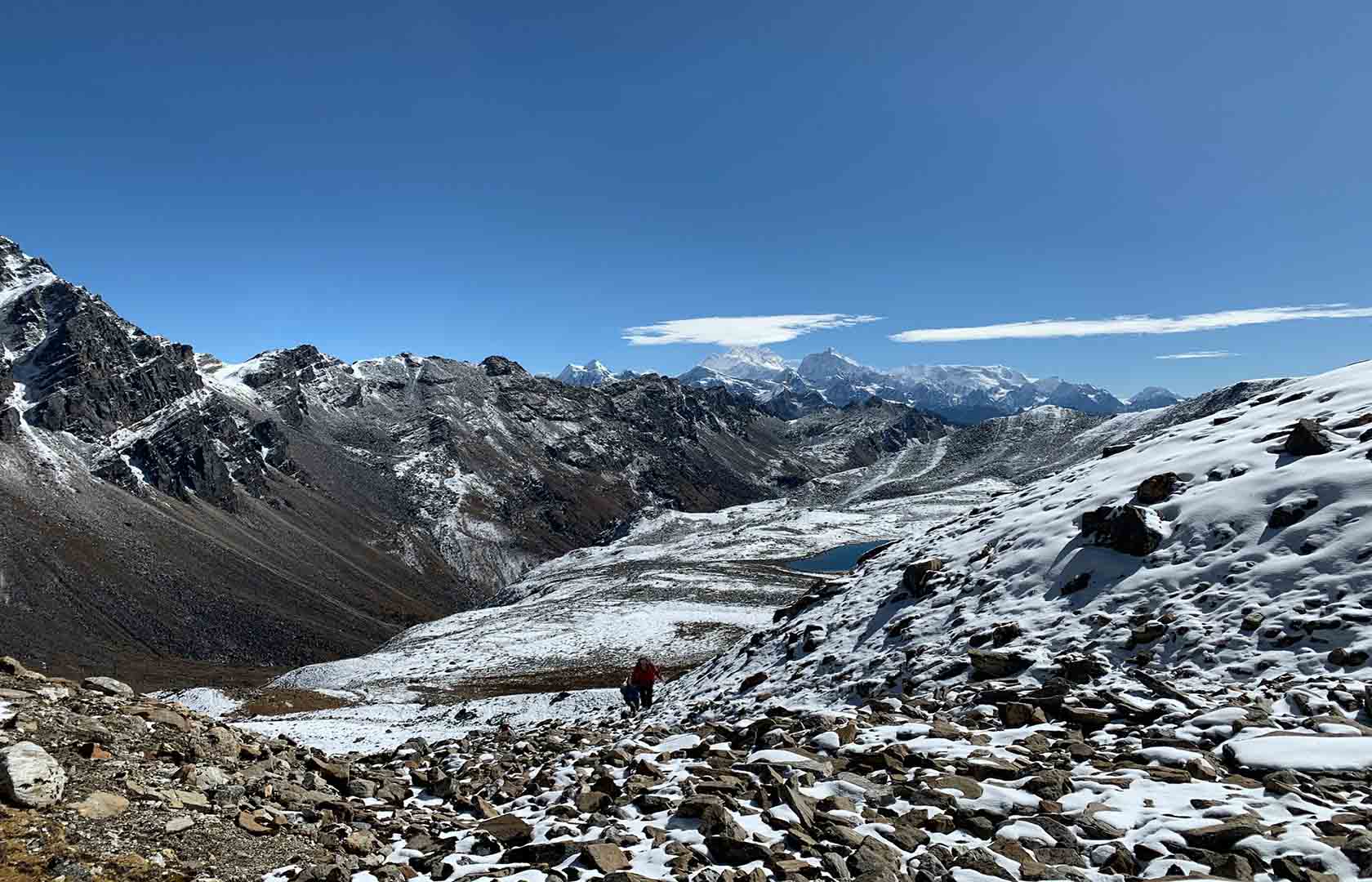
Trekkers begin their journey in lush green valleys, where rivers flow through terraced fields and forests filled with rhododendron, bamboo, and oak trees. As the trail climbs higher, the scenery slowly changes into alpine meadows, rocky paths, and icy glacial valleys. This dramatic shift in landscapes is one of the region’s greatest highlights.
Scenic Highlights of the Region:
- Deep river gorges and waterfalls in the lower valleys
- Dense forests rich in plant and bird life
- Wide alpine pastures filled with wildflowers in spring
- Glaciers and snowfields at higher elevations
- Towering views of Mount Makalu and nearby Himalayan peaks
One of the most breathtaking areas is the Barun Valley, often described as one of the most beautiful valleys in the Himalayas. Steep cliffs rise on both sides, with waterfalls falling directly from hanging glaciers above. The valley feels completely untouched, giving trekkers a strong sense of peace and isolation.
The region is also famous for its biodiversity. Many rare plants, animals, and birds are found here due to the wide range of elevations and climates. This makes the trek not only scenic but also educational for nature lovers.
Makalu Barun offers a powerful connection to nature. With no roads, little noise, and very few visitors, the landscapes feel pure and timeless.
For trekkers seeking raw Himalayan beauty and unforgettable scenery, Makalu Barun delivers an experience unlike any other.
Biodiversity and Wildlife of Makalu Barun
The Makalu Barun region is one of the richest natural areas in Nepal when it comes to plants and wildlife. It lies inside Makalu Barun National Park, which protects a wide range of ecosystems, from tropical forests to high alpine zones. Because of this wide elevation range, the region supports an incredible variety of life.
The forests of Makalu Barun are filled with rhododendron, pine, fir, bamboo, and oak trees. In spring, the hillsides bloom with colorful flowers, making the trails bright and lively. Many rare medicinal plants also grow in this protected area, adding to its ecological importance.
Wildlife Found in Makalu Barun:
- Snow leopard, found in higher, remote areas
- Red panda, living in dense forests
- Himalayan black bear and musk deer
- Himalayan tahr and wild boar
- Over 400 species of birds, including colorful pheasants and eagles
Bird lovers especially enjoy trekking here, as the region is known for its rich birdlife. From small forest birds to large birds of prey, Makalu Barun is a paradise for birdwatching.
The region’s rivers and valleys also support many insects, butterflies, and aquatic life, which help keep the ecosystem healthy. Because human activity is limited, wildlife here lives freely and naturally.
What makes Makalu Barun special is how well-protected it is. Strict conservation rules help preserve habitats and limit damage from tourism. Trekkers are encouraged to respect nature by following park guidelines and leaving no trace.
Exploring Makalu Barun is not just a trekking adventure—it is a journey through one of the most biologically diverse regions of the Himalayas. This rare mix of landscapes and wildlife makes the region truly unique in Nepal.
Cultural Experience and Local Communities
The Makalu Barun region offers more than mountains and forests—it provides a deep and meaningful cultural experience. Because this area is remote and less visited, local communities have kept their traditions, lifestyle, and values largely unchanged for generations. Trekking through the region allows visitors to see authentic rural life in eastern Nepal.
Small villages are scattered along the trekking trails, mainly in the lower and middle elevations. The people living here belong to ethnic groups such as Rai, Sherpa, Limbu, and Tibetan-influenced communities. Each group has its own language, customs, clothing, and festivals, which adds richness to the journey.
What Trekkers Experience in Local Villages:
- Traditional stone and wooden houses
- Farming practices like terrace खेती and livestock herding
- Warm hospitality and simple home-cooked meals
- Small monasteries, prayer flags, and chortens
- Local festivals and daily rituals
Most families depend on farming, animal husbandry, and small-scale trade. Life moves at a slow, natural pace, shaped by the seasons and the mountains. Trekkers often stay in local teahouses or family-run lodges, which creates direct interaction with residents and supports the local economy.
Religion also plays an important role in daily life. Buddhism and animism are common in higher areas, while Hindu traditions are more visible in lower villages. This blend of beliefs is reflected in prayer wheels, sacred forests, and village temples.
What makes the cultural experience in Makalu Barun special is its genuine and respectful atmosphere. Visitors are welcomed as guests, not tourists. By walking through these villages, trekkers gain a better understanding of how people live in harmony with nature in one of Nepal’s most remote regions.
This cultural connection makes the Makalu Barun trek truly memorable.
Popular Treks and Routes in Makalu Barun
The Makalu Barun region is known for its remote and adventurous trekking routes. Unlike busy trekking areas, the trails here are quiet and natural, offering a true wilderness experience. Treks in this region are best suited for travelers who enjoy long walks, changing landscapes, and peaceful surroundings.
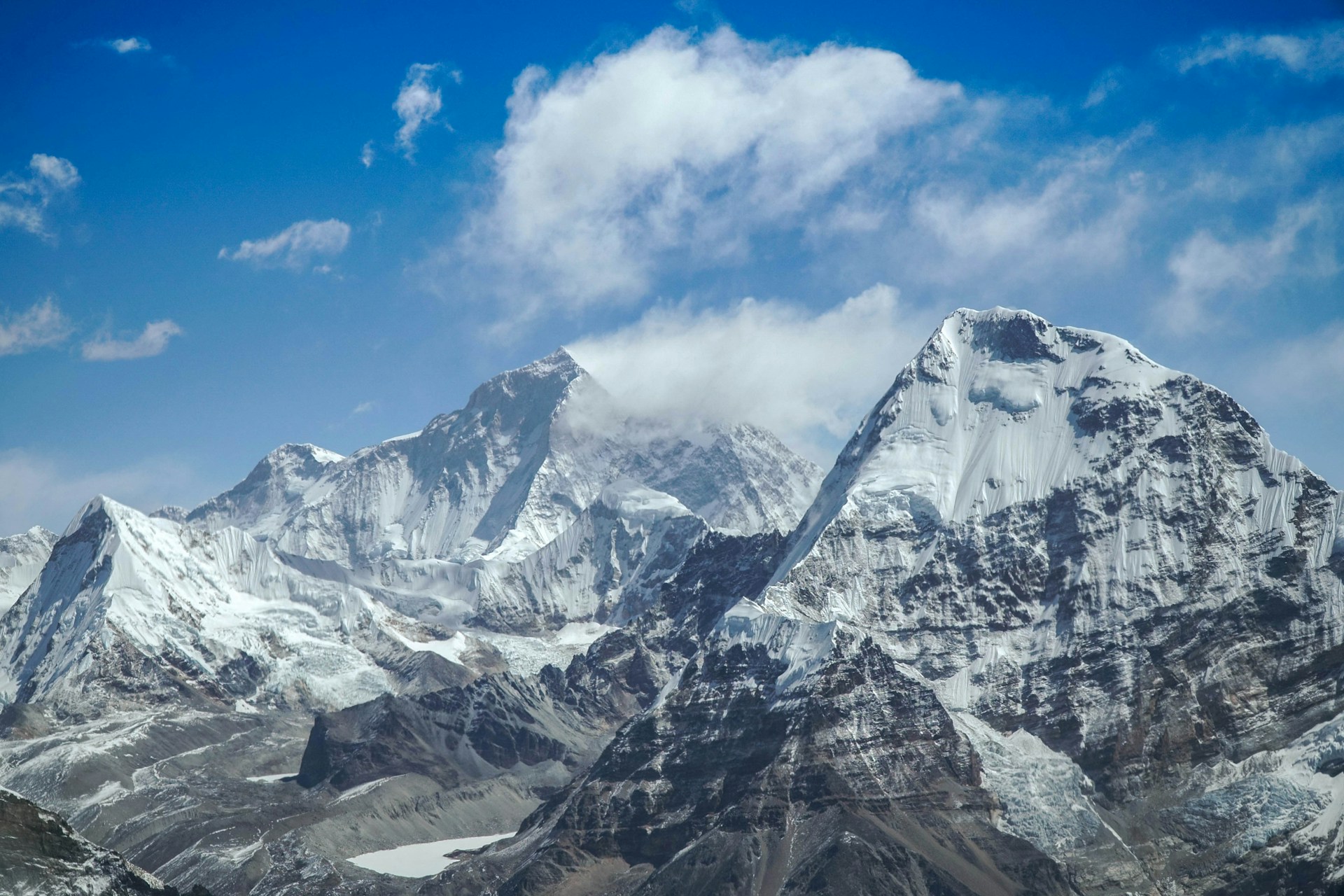
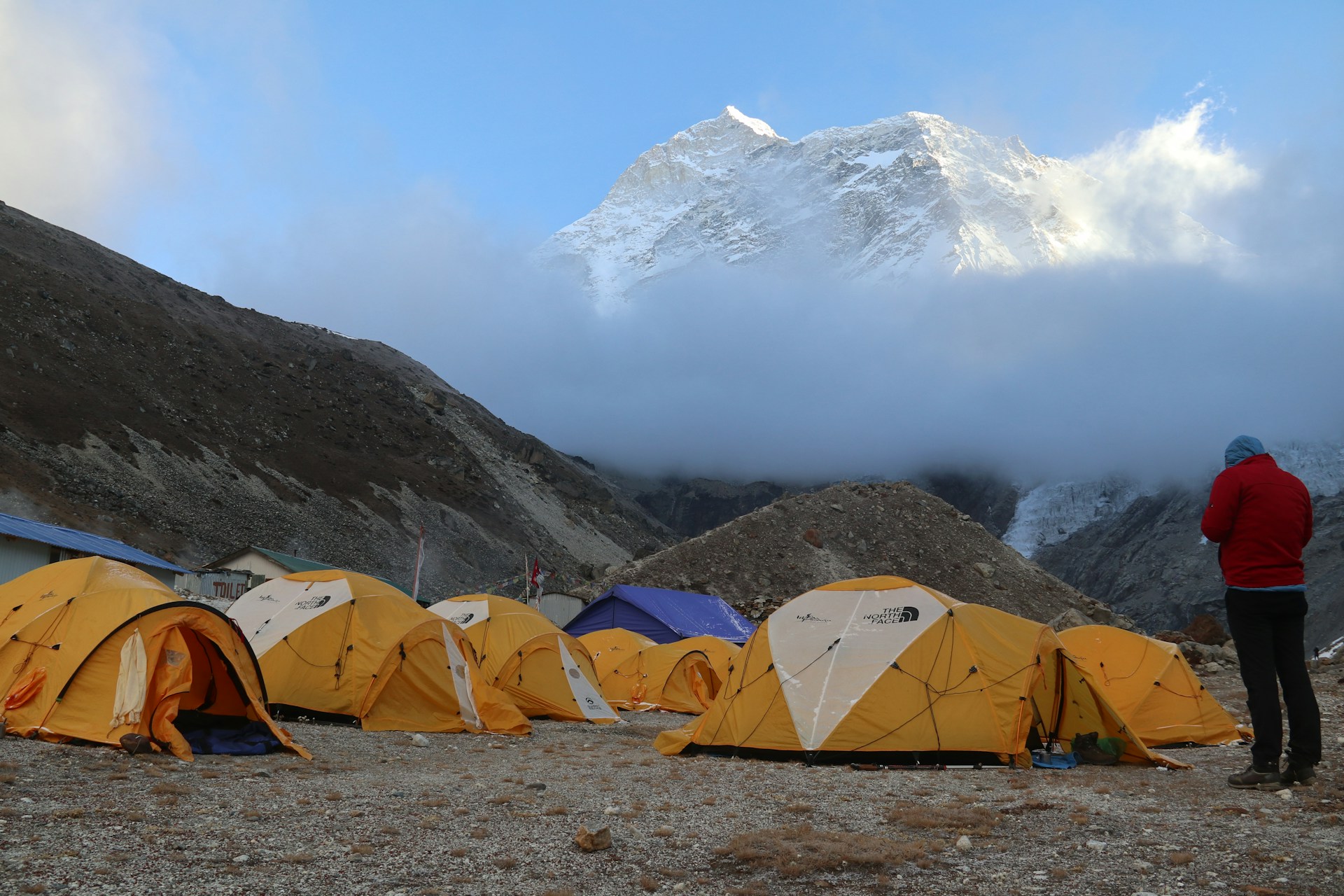
The most famous route in the region is the Makalu Base Camp Trek. This trek takes you deep into the heart of Makalu Barun National Park and offers breathtaking views of Mount Makalu and nearby peaks. The trail passes through forests, high mountain pastures, and the stunning Barun Valley.
Popular Trekking Routes in Makalu Barun:
- Makalu Base Camp Trek: The main and most scenic trek, reaching close to Mount Makalu
- Barun Valley Trek: Focuses on the beautiful Barun Valley with waterfalls and alpine scenery
- Shipton La Pass Route: A challenging route connecting Makalu with other eastern Himalayan regions
- Arun Valley to Makalu Route: Combines cultural villages with mountain landscapes
Most treks begin with a flight to Tumlingtar, followed by several days of trekking through rural villages before reaching higher elevations. Because there are no roads deep inside the park, all travel is on foot, which adds to the adventure.
These routes offer dramatic changes in scenery. Trekkers walk from warm, green valleys to cold alpine zones and glacial terrain. Along the way, views of peaks such as Makalu, Chamlang, and Baruntse appear as the trail climbs higher.
Facilities along the routes are simple. Lodges are basic, and in higher areas, camping may be required. This adds to the feeling of exploration and requires good planning.
For trekkers seeking a quiet, challenging, and rewarding Himalayan journey, the routes of Makalu Barun provide an unforgettable experience filled with nature, culture, and adventure.
Best Time to Visit Makalu Barun
Choosing the right season is very important when planning a trek in the Makalu Barun region. Because this area is remote and reaches high elevations, weather conditions can change quickly. The best time to visit is when the skies are clear, trails are safe, and temperatures are comfortable.
The best seasons to visit Makalu Barun are spring (March to May) and autumn (September to November). During these months, the weather is mostly stable, making trekking safer and more enjoyable.
Spring Season (March–May):
- Mild daytime temperatures and cool nights
- Forests filled with blooming rhododendrons and wildflowers
- Clear views of Mount Makalu and surrounding peaks
- Longer daylight hours for walking
Autumn Season (September–November):
- Clear skies after the monsoon season
- Excellent mountain visibility
- Dry trails and stable weather
- Comfortable temperatures for long trekking days
The monsoon season (June to August) is not ideal for trekking in Makalu Barun. Heavy rainfall makes trails muddy and slippery, and leeches are common in lower areas. Cloud cover often blocks mountain views, and landslides can occur on remote paths.
The winter season (December to February) brings cold temperatures and heavy snowfall at higher elevations. Some passes may become closed, and camping becomes more difficult due to freezing conditions. However, lower parts of the region can still be trekked by well-prepared and experienced hikers.
For most trekkers, spring and autumn offer the safest conditions and the best scenery.
Permits and Entry Requirements
Trekking in the Makalu Barun region requires several permits and approvals, as it lies within Makalu Barun National Park, a protected area in eastern Nepal.
These rules help conserve the natural environment and manage tourism safely. Understanding permits before your trip ensures a smooth and legal trekking experience.
- Makalu Barun National Park Permit:
- Required for all trekkers entering the park
- Issued by the Department of National Parks and Wildlife Conservation (DNPWC)
- Fees vary depending on nationality, with higher rates for foreign visitors
- Needed to access areas including Barun Valley, Makalu Base Camp, and surrounding trails
- TIMS Card (Trekkers’ Information Management System):
- Mandatory for all independent or guided trekkers in Nepal
- Ensures trekking safety and registration with local authorities
- Can be obtained in Kathmandu or at authorized trekking agencies
- Restricted Area Permit:
- Certain parts of the Makalu region are designated as restricted areas due to conservation and security concerns
- Requires special permission from the Nepal Tourism Board
- Usually arranged through trekking agencies like Skyline Treks
- Local Registration:
- Trekkers may need to register at checkposts along the trail, especially when entering Barun Valley
- Rangers check permits to ensure all hikers follow park rules
Tips for Trekking in Makalu Barun:
- Always carry original permits and copies
- Work with a reliable trekking agency to arrange permits in advance
- Follow all park guidelines, including rules on waste disposal and wildlife protection
By obtaining the proper permits and following regulations, your Makalu Barun trek will be legal, safe, and environmentally responsible.
Proper planning ensures you can enjoy the region’s pristine nature, rich biodiversity, and breathtaking Himalayan landscapes without any complications.
Who Should Visit Makalu Barun?
This region is one of Nepal’s most remote and scenic trekking destinations. Because of its challenging trails, diverse landscapes, and limited facilities, it is best suited for certain types of travelers. Understanding who will benefit most from visiting helps plan a safe and enjoyable trek.
- Adventure Seekers and Experienced Trekkers
- Makalu Barun offers remote trekking experiences away from crowded trails.
- The region has long days of hiking, steep climbs, and high passes, making it ideal for trekkers with prior experience.
- Those who enjoy exploration and off-the-beaten-path trails will find the region rewarding.
- Nature and Wildlife Enthusiasts
- The area is part of Makalu Barun National Park, which is home to rare animals such as the red panda, snow leopard, Himalayan tahr, and musk deer.
- Trekkers can also explore diverse plant life and forests, making it perfect for birdwatchers, botanists, and wildlife photographers.
- Cultural Explorers
- Small, traditional villages along the trekking routes allow visitors to experience ethnic communities like Rai, Sherpa, and Limbu.
- Those interested in learning about local customs, farming life, and Himalayan culture will find this region rewarding.
- Himalayan Photography and Landscape Lovers
- Dramatic landscapes, including the Barun Valley, glaciers, and Mount Makalu, offer incredible photography opportunities.
Who Should Avoid It
- Beginners with little trekking experience or travelers expecting fully developed trails and lodges may find Makalu Barun too challenging.
- High-altitude health concerns should be considered before planning a visit.
With proper preparation, training, and support from experienced agencies like Skyline Treks, Makalu Barun is perfect for travelers seeking adventure, nature, culture, and Himalayan beauty in a quiet, off-the-beaten-path setting.
Travel Tips for Visiting Makalu Barun
Visiting the Makalu Barun region requires careful planning because it is one of Nepal’s most remote and protected areas. Following the right travel tips ensures a safe, enjoyable, and memorable trekking experience.
- Plan Your Trip in Advance
- Book flights to Tumlingtar early, as this is the main gateway to Makalu Barun.
- Arrange permits such as the Makalu Barun National Park permit, TIMS card, and restricted area permit before departure.
- Hiring a reliable trekking agency like Skyline Treks can simplify the process and ensure safety.
- Prepare Physically
- The trails involve long days of walking and steep climbs.
- Do regular cardio, strength, and endurance training before your trek.
- Acclimatization is essential to prevent altitude sickness.
- Pack Smartly
- Bring layered clothing for warm valleys and cold alpine zones.
- Include sturdy hiking boots, a rain jacket, gloves, hat, and sunglasses.
- Carry a first-aid kit, water purification tablets, and snacks for energy.
- Respect Local Communities and Nature
- Stay in local lodges or teahouses to support the villages.
- Follow park rules, avoid littering, and keep wildlife undisturbed.
- Be polite and observe cultural practices when visiting villages.
- Stay Safe
- Check weather conditions daily, especially during monsoon or winter.
- Trek with a guide or group, especially in higher and remote areas.
- Carry a fully charged phone or communication device for emergencies.
- Timing Your Visit
- Spring (March–May) and autumn (September–November) offer the best weather and clear Himalayan views.
By following these tips, trekkers can fully enjoy the Makalu Barun experience—from lush valleys and forests to high alpine landscapes and breathtaking views of Mount Makalu. Proper planning makes the journey safe, smooth, and unforgettable.
Conclusion – Why Makalu Barun Deserves a Spot on Your Nepal Itinerary
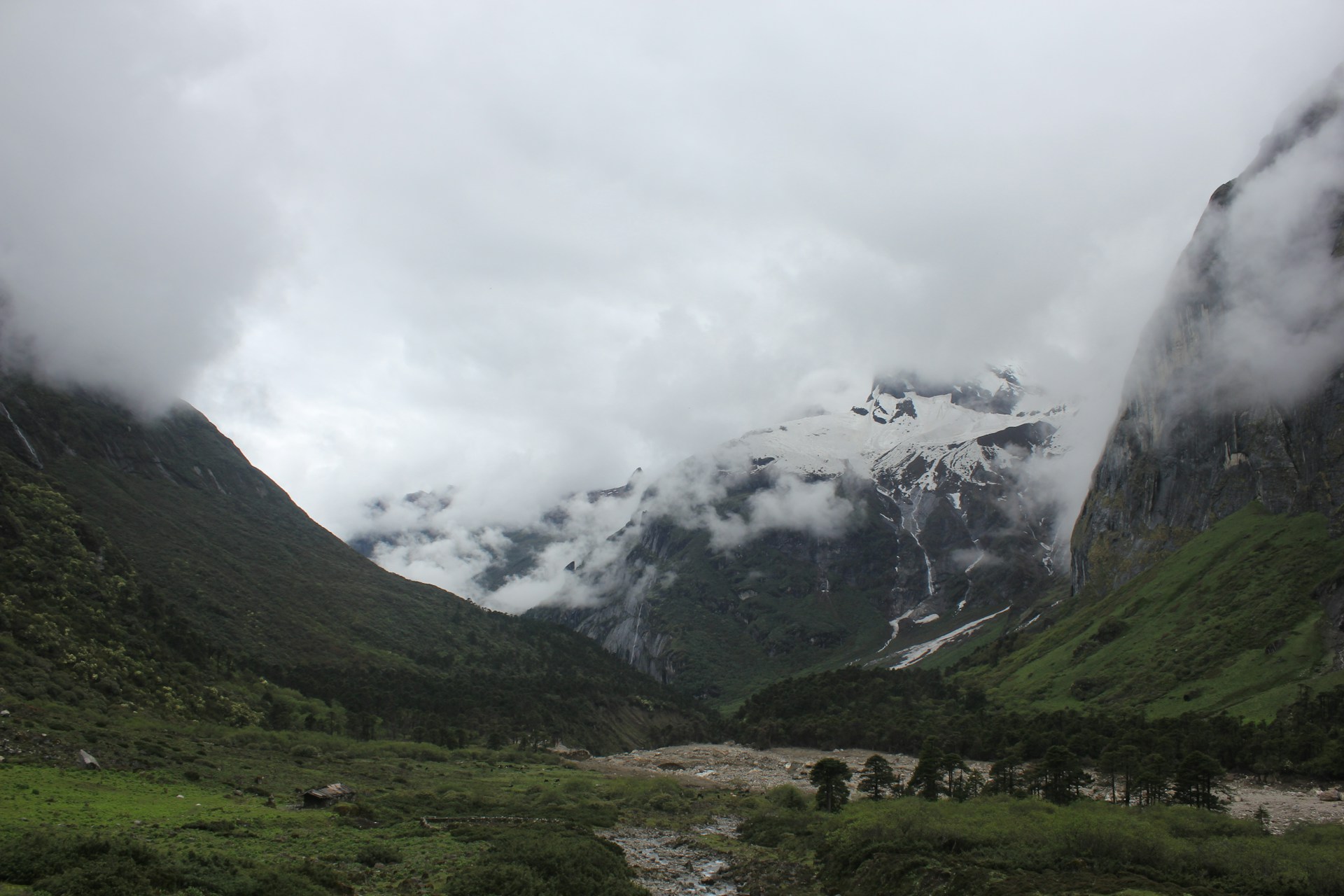
The Makalu Barun region is one of Nepal’s most spectacular and least explored trekking destinations. Its remote location and protected status provide a rare opportunity to experience the Himalayas in their purest form, away from crowded trails and tourist hubs. From lush river valleys to alpine meadows and glacial landscapes, the natural beauty here is breathtaking at every step.
Makalu Barun is also rich in biodiversity and wildlife, offering trekkers a chance to see rare animals like the red panda, snow leopard, Himalayan tahr, and musk deer. The variety of ecosystems, from dense forests to high-altitude terrains, makes it perfect for nature enthusiasts, photographers, and anyone seeking a deeper connection with the environment.
Beyond nature, the region provides a unique cultural experience. Traditional villages inhabited by Rai, Sherpa, and Limbu communities allow trekkers to witness authentic Himalayan lifestyles, customs, and festivals. Combined with the dramatic views of Mount Makalu and surrounding peaks, this blend of adventure, culture, and pristine wilderness makes Makalu Barun a must-visit. Planning your trek with a trusted agency like Skyline Treks ensures a safe and memorable journey.
For travelers seeking off-the-beaten-path adventures in Nepal, Makalu Barun promises an unforgettable experience that should not be missed.