

Makalu Base Camp Trek – 11 Days
Makalu Base Camp Trek – 11 Days


Trip Overview
Makalu Base Camp Trek Highlights
- Meritable trek is kick off from Kathmandu to Arun valley.
- 5th highest mountain on the earth to encounter.
- Lifestyle of locals is utterly untouched by the modern life.
- Whiteout several mountains all the way to sight.
- Ritual culture of heterogeneous groups is enlightenment.
- Nearly,30000 sorts of flora and fauna is confined by the National park.
- In the end,happiness dinner in Kathmandu with cultural events.
Deep in the eastern wilds of Nepal, where the Himalayas stand as silent sentinels, the Makalu Base Camp Trek beckons with a siren call to those who yearn for untamed beauty and solitude. This 20-day expedition, artfully curated by Skyline Treks & Expedition Pvt. Ltd., is a passage into the pristine heart of the Makalu-Barun National Park, a sanctuary cradling the world’s fifth-highest peak, Mount Makalu, at 8,485 meters. Far from the well-trodden trails of Everest or Annapurna, this off-the-beaten-path journey weaves through remote valleys and rugged passes, offering a raw, unfiltered communion with nature’s grandeur. It is a trek for the intrepid, where every step unveils a canvas of towering peaks, ancient cultures, and a wilderness that hums with life, promising an adventure etched into the soul.
The Makalu Base Camp Trek is a kaleidoscope of landscapes, each more breathtaking than the last. From the subtropical lowlands of Tumlingtar, where the Arun River carves its path, the trail ascends through lush rhododendron forests, their blooms painting the spring hills in fiery hues. Higher still, the terrain shifts to alpine meadows and rocky moraines, where the air grows thin and the vistas vast.
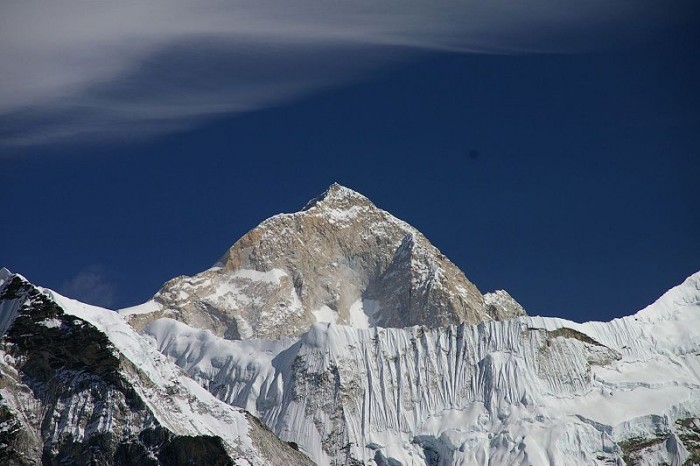
The trek’s pinnacle, Makalu Base Camp at 4,870 meters, offers a front-row seat to the pyramid-like majesty of Makalu, flanked by giants like Chamlang, Baruntse, and distant glimpses of Everest and Lhotse. Crossing the Shipton La Pass at 4,210 meters, named for the legendary explorer Eric Shipton, adds a thrill of conquest, while the sacred Barun Valley enchants with its waterfalls, glaciers, and serene high-altitude lakes. Skyline Treks ensures this demanding journey is supported by seasoned guides, basic yet cozy tea house stays, and a deep respect for the region’s delicate ecosystem.
This trek is a tapestry of cultural encounters as rich as its landscapes. In the lower reaches, the Rai, Limbu, and Newar communities welcome trekkers with warm smiles and traditions untouched by time, their terraced fields a testament to harmony with the land. Higher up, the Sherpa and Tibetan Buddhist villages, like Tashigaon, pulse with spiritual life, where prayer flags dance in the wind and ancient monasteries offer moments of quiet reverence. The Makalu Barun National Park, a biodiversity haven, teems with rare treasures—red pandas, snow leopards, and over 3,000 species of flora, from orchids to towering firs. Each village, each forest, tells a story of resilience and reverence, inviting trekkers to pause and connect with a world that feels both ancient and eternal.
The Makalu Base Camp Trek is a call to those who seek challenge and serenity in equal measure. Spanning 20 days, this itinerary allows for careful acclimatization, essential for tackling the high altitudes and steep ascents that define this strenuous route. Best embarked upon in spring (March-May) or autumn (September-November), when clear skies frame the Himalayan giants and temperatures are kind, the trek promises moments of profound awe sunrises over Makalu, starlit nights in remote tea houses, and the quiet triumph of standing at base camp.
Skyline Treks’ comprehensive package, including permits, flights to Tumlingtar, and expert local guides, transforms this dream into a reality. For adventurers craving a journey where the mountains whisper secrets and the trails lead to the edge of the wild, the Makalu base camp trek from Kathmandu is an unforgettable voyage into Nepal’s untamed soul.
Best Season for Makalu Base Camp Trek
The best seasons for the Makalu Base Camp Trek are spring (March–May) and autumn (September–November). The weather is usually stable during these months, with clear skies that make for great mountain views and temperatures that are comfortable for hiking. In the spring, rhododendron forests bloom and there are many different types of plants. In the fall, the air is crisp and the view is great after the monsoon.
Winter is very cold at higher elevations and some passes may be snowbound, whereas the monsoon season brings heavy rainfall, slippery trails, and limited views.
What Makes Makalu Base Camp Trek Special?
- The Makalu Base Camp Trek is a remote and less-crowded Himalayan adventure leading to the base of the world’s fifth-highest peak, Mount Makalu (8,485m).
- It goes through the untouched wilderness of Makalu Barun National Park, which has beautiful forests, alpine meadows, glaciers, and steep valleys.
- Unlike more commercial trekking routes, this trail offers raw Himalayan landscapes, rich biodiversity, authentic Rai and Sherpa culture, and a true sense of exploration in untouched terrain.
How Difficult is Makalu Base Camp Trek?
The Makalu Base Camp Trek is considered a challenging and strenuous trek due to its remote location, rugged trails, steep ascents and descents, and long walking days of 5–8 hours. Trekkers need to be in good shape and ready for the high-altitude conditions and basic amenities. The highest point is about 4,870m, and the trail has narrow paths, river crossings, and places that are likely to have landslides, so it’s best for experienced or well-prepared trekkers.
Permits Required
To undertake the Makalu Base Camp Trek, trekkers need:
- Makalu Barun National Park Entry Permit
- TIMS (Trekkers’ Information Management System) Card
- Local rural municipality permit (depending on route regulations)
These permits can be arranged in Kathmandu or through a registered trekking agency like Skyline Treks.
Safety and Precautions
Safety is essential on this remote trek. Trek with experienced guides, carry proper gear, and maintain steady acclimatization to avoid altitude-related risks. Stay hydrated, monitor weather conditions, and follow the guide’s instructions. It is safer to bring a first-aid kit, water purification tablets, and emergency communication devices because the trail is remote.
Training and Preparation
Good physical conditioning is necessary. Trekkers should prepare with regular cardio workouts, hiking practice, strength training, and endurance exercises at least 2–3 months before the trek. It will be very helpful if you are used to hiking for more than one day and carrying a backpack. It’s also important to be mentally ready for trekking in remote areas and basic lodging.
Mountain Views
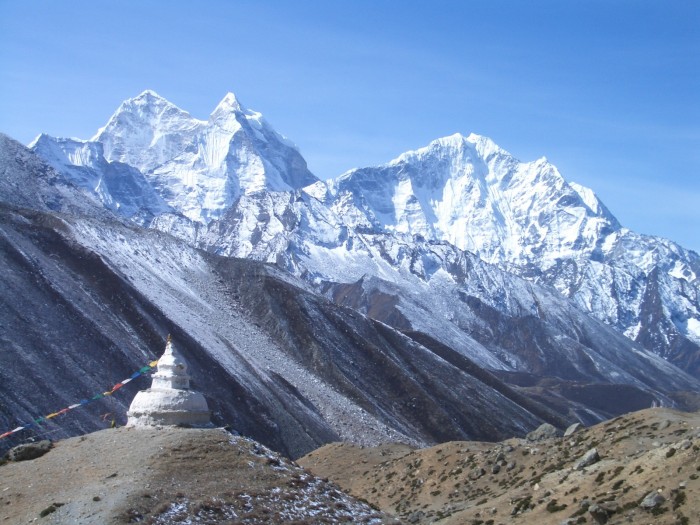
The trek offers extraordinary views of Mount Makalu along with Everest, Lhotse, Chamlang, and Baruntse. Trekkers walk through spectacular landscapes including glacial valleys, high passes, alpine lakes, and dramatic Himalayan panoramas that remain pristine and less crowded compared to other trekking regions.
Altitude Sickness and Prevention
Altitude sickness is a possible concern as the trek reaches high elevations above 4,000m. Prevention includes gradual ascent, acclimatization days, proper hydration, balanced nutrition, and avoiding alcohol or overexertion. Symptoms such as headache, nausea, and dizziness should be taken seriously, and descent is recommended if symptoms worsen.
What to Expect During Makalu Base Camp Trek
Trekkers can expect a true wilderness adventure with remote trails, basic teahouses, and some camping sections. The trek goes through a lot of different ecosystems, from subtropical forests to alpine terrain, and it goes over high passes and glacial valleys.
Limited communication, simple facilities, and changing weather conditions are part of the authentic Himalayan trekking experience.
Why Choose Skyline Treks for Makalu Base Camp Trek
Skyline Treks provides experienced guides, well-planned itineraries, quality logistics, and personalized service. Our local expertise ensures safe acclimatization, cultural insights, and smooth organization of permits, accommodation, and transportation, making the remote Makalu trek comfortable and reliable.
Things You Should Know
- This trek is remote with limited infrastructure, so flexibility and patience are necessary.
- Expect basic lodges, limited connectivity, and long walking days.
- It is highly recommended that you get travel insurance that covers trekking at high altitudes and emergency evacuation.
Is Makalu Base Camp Trek for Me?
This trek is ideal for adventure lovers seeking an off-the-beaten-path Himalayan experience. It suits physically fit trekkers who enjoy solitude, wilderness, and challenging trails rather than luxury comforts. With the right help, even beginners who are well-prepared and determined can finish the trek.
Meals & Accommodation
Accommodation is mainly in basic teahouses and occasional camping depending on itinerary sections. Rooms are simple but comfortable, and meals include local Nepali dishes like dal bhat, noodles, soups, and some Western options. Food becomes simpler at higher elevations but remains nutritious and energy-rich for trekking needs.
Why Choose Makalu Base Camp Trek
The Makalu Base Camp Trek is perfect for trekkers seeking solitude, untouched wilderness, and a raw Himalayan adventure. It offers dramatic scenery, cultural authenticity, and a sense of true exploration far from busy trekking routes.
The journey rewards adventurers with unmatched tranquility, diverse ecosystems, and breathtaking mountain panoramas.
Packing List, Gears, and Equipments
Essential items include:
- Warm down jacket, fleece, and thermal layers
- Waterproof jacket and trekking pants
- Sturdy trekking boots and warm socks
- Sleeping bag suitable for cold temperatures
- Trekking poles, gloves, hat, and sunglasses
- Headlamp, water bottles, and purification tablets
- Personal first-aid kit and altitude medication
- Backpack, rain cover, sunscreen, and basic toiletries
Proper gear and preparation ensure safety and comfort on this demanding yet incredibly rewarding Himalayan expedition.
How do I get to Makalu base camp?
To reach Makalu Base Camp, you’ll typically start your journey from Kathmandu, Nepal’s capital.
Here’s a general guide on how to get there:
- Flight to Tumlingtar: Most expeditions to Makalu Base Camp begin with a flight from Kathmandu to Tumlingtar Airport. Several domestic airlines operate flights to Tumlingtar, and the duration is approximately 45 minutes to 1 hour.
- Drive to Num or Chichila: From Tumlingtar, you’ll need to take a flight or jeep or bus ride to the starting point of your trek. Depending on your itinerary, you might head towards Num or Chichila. The road journey can take several hours, as the roads may be rough and winding.
- Trekking: The actual trekking to Makalu Base Camp begins from Num or Chichila. From Num, you’ll trek through picturesque villages, lush forests, and rugged terrain, gradually gaining altitude. The trail passes through places like Seduwa, Tashi Gaon, Khongma, Mumbuk, and Nehe Kharka before reaching Makalu Base Camp.
- Acclimatization and Rest Stops: It’s crucial to plan for acclimatization days during your trek to avoid altitude sickness. Your itinerary should include rest stops in villages along the trail, allowing your body to adjust to the increasing altitude.
- Final Ascent to Makalu Base Camp: After days of trekking through stunning landscapes, you’ll finally reach Makalu Base Camp. The base camp sits at the foot of Makalu, the fifth highest mountain in the world. Enjoy the breathtaking views of the surrounding peaks and glaciers before embarking on your return journey.
It’s essential to hire a licensed guide and obtain the necessary permits before undertaking the trek to Makalu Base Camp. Additionally, ensure you’re adequately prepared with appropriate gear, clothing, and provisions for the trekking adventure.
Makalu Base Camp trek short itinerary
Day 1: Kathmandu to Khandbari via Itahari
Day 2: Khandbari commences trek to Chamla Kharka
Day 3: Chamla Kharka to Tashi Gaun
Day 4: Tashi Gaun to Khungma
Day 5: Khungma to Yangle Kharka
Day 6: Yangle Kharka – Shivadhara
Day 7: Shivadhara – Langmaale Kharka)
Day 8: Langmale – Makalu base camp (Setopokhari) – Phemathang
Day 9: Phemathang – Tashi Gaun
Day 10: Tashi Gaun – Num – Khadbari
Day 11: Khandbari – Itahari – Kathmandu
We at Skyline have carefully designed our itinerary to let you enjoy the quality time in high altitude and in the areas of base camp too. However, if you want to explore the beautiful ‘Chago glacier’ then we can also extend the trip as per your need.
Makalu Base Camp Trekking
Itinerary
Fly from Kathmandu to Tumlingtar 410m/50 minutes then drive to Chichila 1840m/3-4 hours to Num 1500m/6-7 hours
Your adventure to the Makalu region begins with a scenic mountain flight from Kathmandu to Tumlingtar, offering beautiful aerial views of eastern Nepal’s hills and river valleys. Upon arrival, we start an overland journey through winding roads, terraced farmland, and rural settlements to reach Chichila.
The drive then goes through forests and traditional villages until we reach Num, a beautiful village on a hill that looks out over the Arun River valley.
This long travel day introduces you to the remote eastern Himalayas and gradually transitions from urban landscapes to the untouched countryside, setting the stage for the trekking days ahead.
Trek from Num to Seduwa 1540m/6-7 hours
Today marks the first trekking day as we descend steeply from Num through terraced fields and lush forests toward the Arun River. The trail slowly goes up through small Rai and Sherpa villages after crossing a suspension bridge over the loud river. This lets you see how the locals live and how they farm in the old-fashioned way. The path goes through thick forests, small villages, and beautiful ridges, making the hike both culturally and naturally rewarding.
As we ascend toward Seduwa, you will pass through the entrance of the Makalu-Barun conservation region, where permit checks are conducted. Seduwa is a small, quiet village surrounded by green hills and fields. It’s a nice place to spend the night and get a taste of the Makalu region’s remote beauty.
Trek from Seduwa to Tashigaon 2100m/4-5 hours
The trek continues with a gradual ascent through dense forests, terraced fields, and traditional hillside settlements as we make the way toward Tashigaon. The trail passes through scenic landscapes filled with rhododendron and bamboo forests, along with occasional views of distant hills and valleys. Along the way, you’ll meet friendly locals and small tea houses that show off the Makalu region’s unique culture.
As we gain elevation, the air becomes cooler and the surroundings more alpine in character. Tashigaon, the last permanent settlement before entering the higher alpine zone, offers beautiful views of the surrounding ridges and a tranquil environment. This quiet Sherpa village is a great place to get used to the high altitudes before heading up the Makalu Base Camp trail.
Trek from Tashigaon to Khongma Danda 3560m/6-7 hours
Today’s trek is one of the most challenging yet rewarding sections as you leave the last permanent village behind and ascend steeply toward Khongma Danda. The path goes up through thick rhododendron and pine forests before turning into alpine land with open ridges and scattered shrubs. The continuous uphill hike demands steady pacing, but the effort is rewarded with increasingly expansive views of deep valleys and surrounding Himalayan landscapes.
As you gain altitude, the vegetation becomes sparse and the atmosphere noticeably cooler, signaling your entry into the high mountain zone. Khongma Danda is a beautiful settlement on a ridge that offers stunning views and is an important stop for acclimatization before crossing higher passes on the Makalu Base Camp trek.
Trek from Khongma Danda to Mumbuk (3550) via Dobate 3520m/6-7 hours
The trail today is adventurous and physically demanding as we cross several high passes and rugged alpine terrain. After an early start from Khongma Danda, the path gradually ascends and descends over ridges and stone staircases leading toward Dobate. The route offers spectacular Himalayan scenery with dramatic views of snow-capped peaks, deep valleys, and untouched wilderness.
After crossing the windy and scenic Dobate area, the trail descends steeply through moss-covered forests and rocky paths toward Mumbuk. This section can be slippery and requires careful footing, especially after rain or snow.
Mumbuk is a small village in the woods that is surrounded by thick rhododendron and fir trees. It is a quiet place to stay overnight before going deeper into the remote Makalu region.
Trek from Mumbuk to Yangle Kharka 3600m/6-7 hours
Today’s trek follows the scenic Barun Valley, gradually gaining altitude as we move deeper into the remote Makalu region. The trail descends slightly at first through dense rhododendron and bamboo forests before joining the banks of the Barun River. From here, the path gets easier and goes through areas that are prone to landslides and narrow trails with stunning views of steep cliffs and waterfalls.
As we proceed, the landscape opens into wide alpine meadows and yak pastures, signaling your approach to Yangle Kharka. This beautiful grazing area offers stunning vistas of surrounding peaks and a tranquil environment for rest. The walk is moderately hard because it is long and the ground is uneven, but the beautiful wilderness views and quiet surroundings make it a great day on the Makalu Base Camp Trek.
Trek from Yangle Kharka to Merek (4570m) via Langmale Kharka 4410m/5-6 hours
Today’s trek ascends further into the high alpine zone of the Barun Valley. The trail gradually climbs above the tree line, passing through wide yak pastures and open meadows at Langmale Kharka. As we gain more elevation, the landscape becomes more barren and dramatic, with towering snow-capped peaks beginning to dominate the horizon. The path is steady, but it goes up in elevation slowly, so it’s important to walk at a lows and steady pace to get used to it.
Along the way, we are rewarded with breathtaking views of Mt. Makalu and surrounding Himalayan giants. After hiking for several hours through rocky paths and glacial valleys, we finally get to Merek, a high-altitude campsite with stunning views of the mountains and a calm atmosphere. This day is crucial for acclimatization as we prepare for the higher elevations ahead toward Makalu Base Camp.
Trek from Merek to Shershong 4660m/5-6 hours
Today’s trek continues through the remote upper Barun Valley, following a gradual and scenic trail toward Shershong. The path winds along glacial moraines, rocky ridges, and high-altitude terrain with minimal vegetation. As we trek, the magnificent views of Mt. Makalu, Baruntse, and other Himalayan peaks become increasingly closer and more dramatic. The walk is moderate, but it gets harder as you go higher, so it’s important to keep a steady pace and drink plenty of water.
Shershong is a quiet and beautiful campsite situated just below Makalu Base Camp, offering stunning views of the surrounding glaciers and towering mountains. This day is very important for getting used to the high altitude because it gives trekkers a chance to rest and get used to it before going to Makalu Base Camp the next day.
Shershong to Makalu Base Camp 4870m/6-7 hours
Today is one of the most rewarding days of the Makalu Base Camp Trek as we ascend from Shershong to the base of the world’s fifth-highest mountain, Mt. Makalu. The trail becomes more rugged, traversing moraines, rocky paths, and glacial streams, offering a true high-altitude trekking experience. As we get closer to the base camp, the peaks around us, like Makalu, Baruntse, and Chamlang, stand out against the sky, making the landscape look dramatic and awe-inspiring. Because of the high altitude, you need to walk at a steady pace and take breaks often.
Upon reaching Makalu Base Camp, we are greeted with panoramic views of glaciers, snowfields, and the imposing peak of Makalu towering above. This quiet and remote place is great for taking pictures, thinking, and taking in the beauty and size of the eastern Himalayas.
Explore Makalu Base Camp
Today is dedicated to exploring the stunning surroundings of Makalu Base Camp. You can walk around the camp area, enjoying close-up views of glaciers, moraine valleys, and the towering summit of Mt. Makalu (8,485m). The day gives trekkers time to get used to the high Himalayas and rest after the hard trek. Photographers will find countless spots for capturing panoramic shots of the rugged alpine landscape, including views of nearby peaks like Baruntse and Chamlang.
Walking to nearby ridges and viewpoints around the base camp offers different perspectives of the massive glacier systems and snowfields. This day is also a chance to interact with local expedition teams or guides, learn about high-altitude mountaineering, and soak in the serenity of one of Nepal’s most remote and spectacular mountain regions.
Trek from Makalu Base Camp to Yangri Kharka 3557m/6-7 hours
Today, we begin the descent from Makalu Base Camp, retracing the trail through the high alpine landscape toward Yangri Kharka. The path goes down slowly along rocky ridges and glacial moraines, giving you wide views of the valleys and peaks around you.
As we leave the base camp, the towering glaciers and snowfields of the high Himalayas slowly recede into the distance, replaced by alpine meadows, yak pastures, and scattered high-altitude settlements. The trek is less hard than the climb, so trekkers can take their time and enjoy the stunning views. However, trekkers must be careful where they step on the uneven ground
Yangri Kharka is a serene pasture area nestled in the Barun Valley, providing a peaceful and scenic overnight stop, surrounded by green alpine meadows and distant snow-capped mountains.
Trek from Yangri Kharka to Dobate 3520m/6-7 hours
Today’s trek involves a gradual descent and moderate walking as we retrace the trail from Yangri Kharka toward Dobate. The trail goes through open alpine meadows, scattered yak pastures, and high ridges that give you great views of nearby peaks like Mt. Makalu and Baruntse.
Along the way, we can enjoy glimpses of small high-altitude villages and interact with locals tending to livestock. The trail is moderately challenging with some rocky sections and requires careful footing, especially on slippery terrain.
Dobate, which is in the peaceful Barun Valley, is a great place to spend the night because it has beautiful views of the mountains and forests around it. This day allows you to relax while enjoying the tranquility of the remote Makalu region and reflecting on the achievements of the trek so far.
Trek from Dobate to Khongma Danda 3500m/5-6 hours
On Day 13 of our Makalu Base Camp trek, we continue descending through the scenic upper Barun Valley toward Khongma Danda. The trail passes through alpine meadows, scattered boulders, and occasional patches of rhododendron and fir forests. Trekking along ridgelines, you’ll enjoy expansive views of surrounding peaks, valleys, and the meandering rivers below. The walk is not too hard, but you still need to be careful on the rocky and uneven parts.
Along the way, we may encounter grazing yaks and small herders’ settlements, providing insight into the traditional high-altitude lifestyle. Khongma Danda is a peaceful ridge-top settlement with panoramic vistas and a comfortable place to rest overnight, allowing trekkers to acclimatize and relax after several consecutive high-altitude days.
Trek from Khongma Danda to Tashigaon 2100m/4-5 hours
Today’s trek is a gradual descent from the high ridge of Khongma Danda back toward the forested village of Tashigaon. The path goes through alpine meadows, patches of rhododendron and pine trees, and small yak pastures. It then slowly changes to farmland and settlements at lower elevations The descent gives trekkers a chance to rest after the high-altitude parts while still taking in beautiful views of the valleys and peaks around them. Along the route, we may encounter traditional Rai and Sherpa villages, offering glimpses into local culture and daily life.
Tashigaon provides a comfortable overnight stop with basic lodges or teahouses, giving us a chance to rest, enjoy the serene mountain environment, and reflect on the trek before descending further toward the lower valleys on the following day.
Trek from Tashigaon to Num (1560m) via Seduwa 1500m/4-5 hours
On Day 15 of our Makalu Base Camp trek, we continue our descent through the lush mid-hills of the Makalu region. The trail gradually moves downward, passing through Seduwa, a small riverside village with terraced fields and traditional homesteads, before reaching Num. The route goes through small streams, crosses over them, and goes through local settlements, giving trekkers a chance to see how people live in the eastern Himalayan villages.
The moderate descent makes the trek less physically demanding than previous high-altitude days, providing a relaxing pace while still enjoying the beautiful surroundings. Num, which is located in the river valley, has comfortable lodges and friendly service. It’s the last place to stay overnight before continuing the journey back to Tumlingtar.
Trek from Num to Tumlingtar 410m/6-7 hours
On the final trekking day, we descend from Num back to Tumlingtar, retracing parts of the trail through terraced farmland, riverside paths, and forested hills. The journey is mostly downhill, allowing trekkers to enjoy a relaxed pace while taking in the lush scenery of eastern Nepal and observing local villages along the route. Walking past traditional homesteads and crossing small suspension bridges gives you a taste of life in the countryside in this remote area.
Tumlingtar, a small town with an airport, marks the end of the trek. Upon arrival, we will relax, celebrate the completion of the Makalu Base Camp adventure, and prepare for your onward flight to Kathmandu or other destinations. This day serves as a gentle conclusion, giving you a chance to reflect on the stunning landscapes and challenging yet rewarding journey through the eastern Himalayas.
Tumlingtar – By plane to Kathmandu 50 minutes. And rest of the time for shopping
On the final day of the Makalu Base Camp Trek, we take a short scenic flight from Tumlingtar back to Kathmandu, enjoying aerial views of eastern Nepal’s hills and valleys. Once in Kathmandu, the rest of the day is free for shopping, sightseeing, or relaxing at your hotel.
This is a perfect opportunity for you to explore the city’s vibrant markets, pick up souvenirs, handicrafts, and traditional Nepalese artifacts, or simply enjoy a leisurely stroll through the streets of Thamel and nearby bazaars. The day allows trekkers to unwind after the challenging trek and reflect on the unforgettable adventure in the remote Makalu region before concluding the journey.
We hope you cherished your unforgettable journey to the Makalu Base Camp, soaking in the breathtaking Himalayan landscapes, rich Sherpa culture, and vibrant traditions along the way.
We look forward to welcoming you again for your next adventure in Nepal with us Skyline Treks.
Include/Exclude
 What's Included
 What's Included
- All grounded transportation
- Domestic flight from Kathmandu to Tumlingtar and Tumlingtar to Kathmandu
- 3-meals per day prepared by our experienced cook
- Camping gear (two-men tents, foam mattress, kitchen tent, dining tent and toilet tent)
- Supporting field staff including professional trekking guide, cook, kitchen boy, porters or pack animals as well as their necessary insurance, meals and allowances
- Makalu Special Trekking permit fee
- Trekkers Information Management System (TIMS) permit fee
What's Not Included
 What's Not Included
- Nepal entry visa fee
- Kathmandu Hotel room and all accommodation such as Breakfast, Lunch and Dinner (B, L, D)
- Personal equipment sleeping bag, Down jacket, waterproof jacket, kit bag etc. (you can rent them in Kathmandu at a cost of US$ 1-3 per item per day)
- Travel Insurance and medical evacuation in case of emergency
- Personal expenses such as laundry, telephone calls, alcoholic beverages, bottled drinks (including cold drinks and mineral water), tips, gifts, souvenirs, etc.
Fixed Departure
Reviews
Makalu Base Camp Trek
This trek to Makalu Base Camp is ideal for those wanting a unique experience. The trail is less developed and has a raw beauty, which made it feel like a real expedition. The views were surreal, especially as we approached the base camp. The local support team was excellent, and their knowledge of the area added so much to the journey. It’s tough but incredibly rewarding
 Robert L. - Canada
Makalu Base Camp Trek
This trek to Makalu Base Camp is ideal for those wanting a unique experience. The trail is less developed and has a raw beauty, which made it feel like a real expedition. The views were surreal, especially as we approached the base camp. The local support team was excellent, and their knowledge of the area added so much to the journey. It’s tough but incredibly rewarding
Robert L. - CanadaMakalu Base Camp Trek
Makalu was a trek unlike any other. The landscapes were rugged and stunning, and each day felt like a new discovery. I appreciated the lack of crowds and the sense of true adventure. The elevation gain was challenging, but the reward of seeing Makalu up close was unmatched. A big thanks to our guide and team, who were professional and made sure we had a safe, unforgettable journey
Amelia B. - CanadaMakalu Base Camp Trek
Makalu was a trek unlike any other. The landscapes were rugged and stunning, and each day felt like a new discovery. I appreciated the lack of crowds and the sense of true adventure. The elevation gain was challenging, but the reward of seeing Makalu up close was unmatched. A big thanks to our guide and team, who were professional and made sure we had a safe, unforgettable journey
Amelia B. - CanadaMakalu Base Camp Trek
The Makalu Base Camp Trek was an extraordinary journey into one of Nepal's most pristine regions. The scenery was breathtakingly wild and untouched, with towering peaks and lush valleys at every turn. It’s a challenging trek but worth every step for the views and solitude. Our guide was amazing, ensuring our safety and sharing insights on local culture. Highly recommended for those who want a real adventure.
Eric M. - CanadaMakalu Base Camp Trek
The Makalu Base Camp Trek was an extraordinary journey into one of Nepal's most pristine regions. The scenery was breathtakingly wild and untouched, with towering peaks and lush valleys at every turn. It’s a challenging trek but worth every step for the views and solitude. Our guide was amazing, ensuring our safety and sharing insights on local culture. Highly recommended for those who want a real adventure.
Eric M. - CanadaMakalu Base Camp Trek
Makalu Base Camp Trek the locals were incredibly friendly and welcoming. Sharing meals and stories with them was a highlight of our journey.
Charlotte - BelgiumMakalu Base Camp Trek
Makalu Base Camp Trek the locals were incredibly friendly and welcoming. Sharing meals and stories with them was a highlight of our journey.
Charlotte - BelgiumFAQs
Can I trek to Makalu Base camp without prior trekking experience?
Our itinerary is designed for easy travel to every trekker. Hence, it can be done by beginners as well.
Can we find ATM service on the trek?
There is no ATM service on the Makalu Base camp trekking trail, so you must carry enough money from Kathmandu before starting your journey.
Do I need to have travel insurance for Makalu Base Camp trek?
Yes, you must have travel insurance to do any treks in Nepal.
Do you accept last-minute bookings?
Yes, we do accept last-minute bookings as well.
Do you provide trekking guides and porters?
Yes, there is a single guide and a porter for every two trekkers.
How can I recharge my electronic gadgets?
You can recharge your gadgets at the tea houses for which you will have to pay a general amount of US $1-2.
How difficult is Makalu Base camp Trek?
Makalu Base camp Trek is a moderate trek and is not so difficult.
How do I get hot water on the trek?
You have to pay an additional charge to get hot water from the teahouses you are staying in.
How high is Makalu High Camp?
Makalu High camp is at an elevation of 5250 meters.
How long is Makalu Base camp trek?
Makalu Base camp trek can be done in 20 days.
How many people can join a group trek?
Generally, a group size of 2 to 15 people is considered.
How much does Makalu Trek cost ?
The Makalu Trek costs US$1865 only, per person.
How to get to Tumlingtar and to Kathmandu?
You can get from Kathmandu to Tumlingtar and back from Tumlingtar to Kathmandu 50 minutes by flight.
Is there any alternative trek itinerary available for Makalu Base Camp?
Yes, you can find many short trek alternatives to Makalu Base Camp in our company Skyline Treks and Expedition.
What are the health requirements necessary to visit Nepal?
One must be vaccinated against COVID-19 for travelling to Nepal and you might also follow your doctor’s advice on the vaccinations to be taken.
What is the best time for the Makalu Base camp trek?
The Makalu Base camp trek can be done throughout the year however, autumn and spring seasons are the best for this trek.
What meals are included during the trek?
You can have 3 meals (B, L and D) per day on your trek. However, you will have to pay for extra snacks, drinks and also bottled water.
What type of accommodation do we get?
You will stay in a hotel in Kathmandu. While on trekking we provide you daily accommodation at local tea houses in various stations.
Where does Makalu Base camp trek start?
You can start the Makalu Base camp trek with our company Skyline Treks and Expedition (P) Ltd.
Why should I choose Skyline Treks and Expedition?
We are a renowned company in the travel and tour field because of our 26 years of experience. We provide quality service to our customers with the highest success rate and transparency as well. Therefore, you can definitely believe in us for your dream adventures.
Will I be able to connect to the Wi-Fi internet and cell phones?
Yes, of course. Internet and mobile connectivity are available at most places on the trek.
Package Customization for You
Related Packages
 $19999( 5 out of 1 Reviews )