

Ama Dablam Expedition: Best Time, Season, and Weather Conditions
Introduction to Ama Dablam Expedition
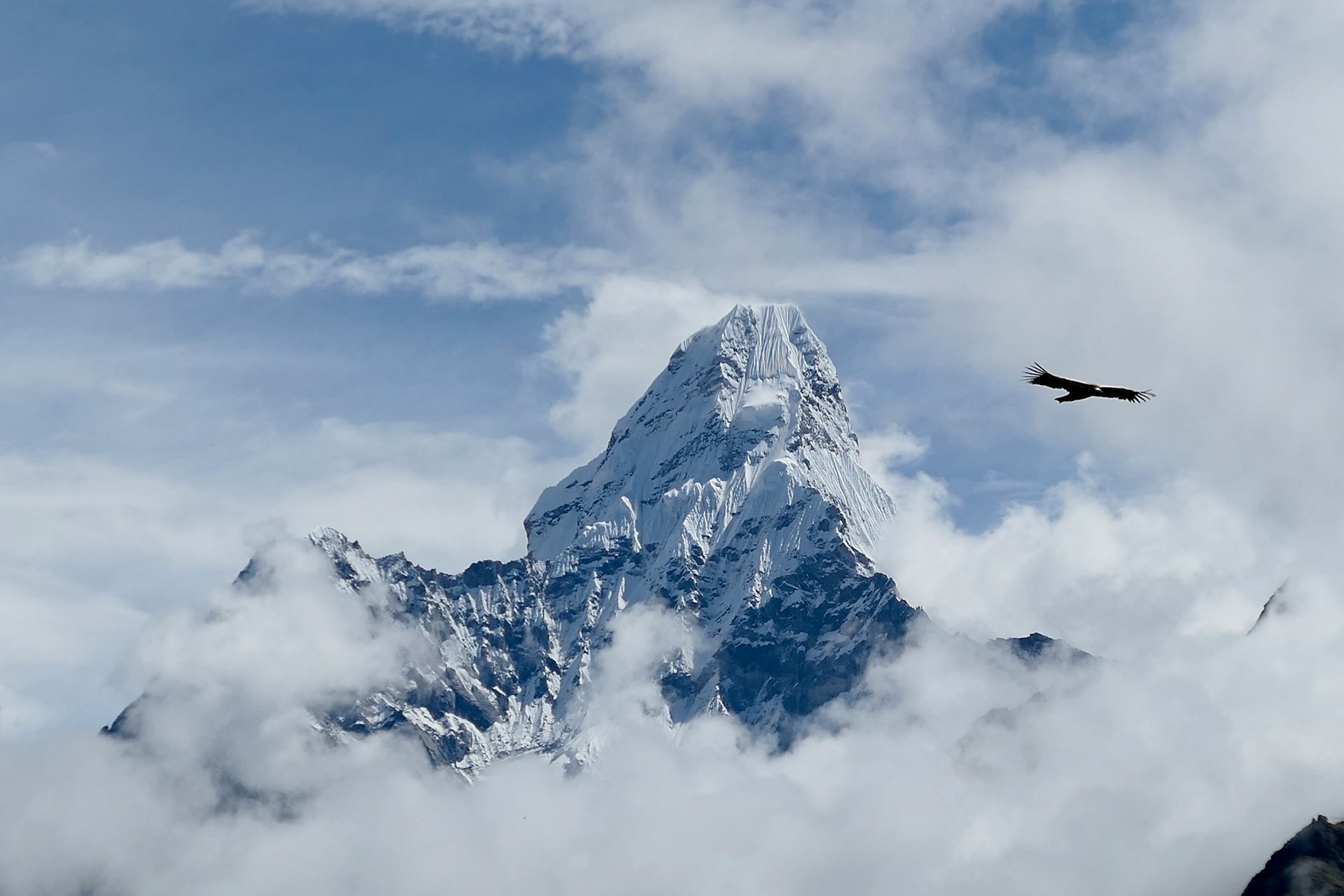
The Ama Dablam Expedition is one of the most exciting mountain climbs in Nepal. Ama Dablam is a beautiful peak in the Everest region, known for its sharp shape and snowy ridges. It stands at an elevation of about 6,812 meters, making it a high and challenging mountain. A lot of climbers call it the “Matterhorn of the Himalayas” because it is so beautiful.
This mountain lies in Ama Dablam Nepal, inside the Khumbu region, close to famous Everest region peaks. Climbers travel through Sherpa villages, green valleys, and high mountain trails before reaching the mountain. The journey is not just about climbing; it is also about learning local culture and enjoying amazing views.
Climbing Ama Dablam is best for experienced climbers who are comfortable with snow, ice, and steep paths. Choosing the best time to climb Ama Dablam is very important, as weather plays a big role in safety and success.
In the next sections, you will learn more about routes, preparation, and costs.
If you want expert guidance, Skyline Treks can help you plan a safe and well-organized Ama Dablam Expedition.
Where Is Ama Dablam Located?
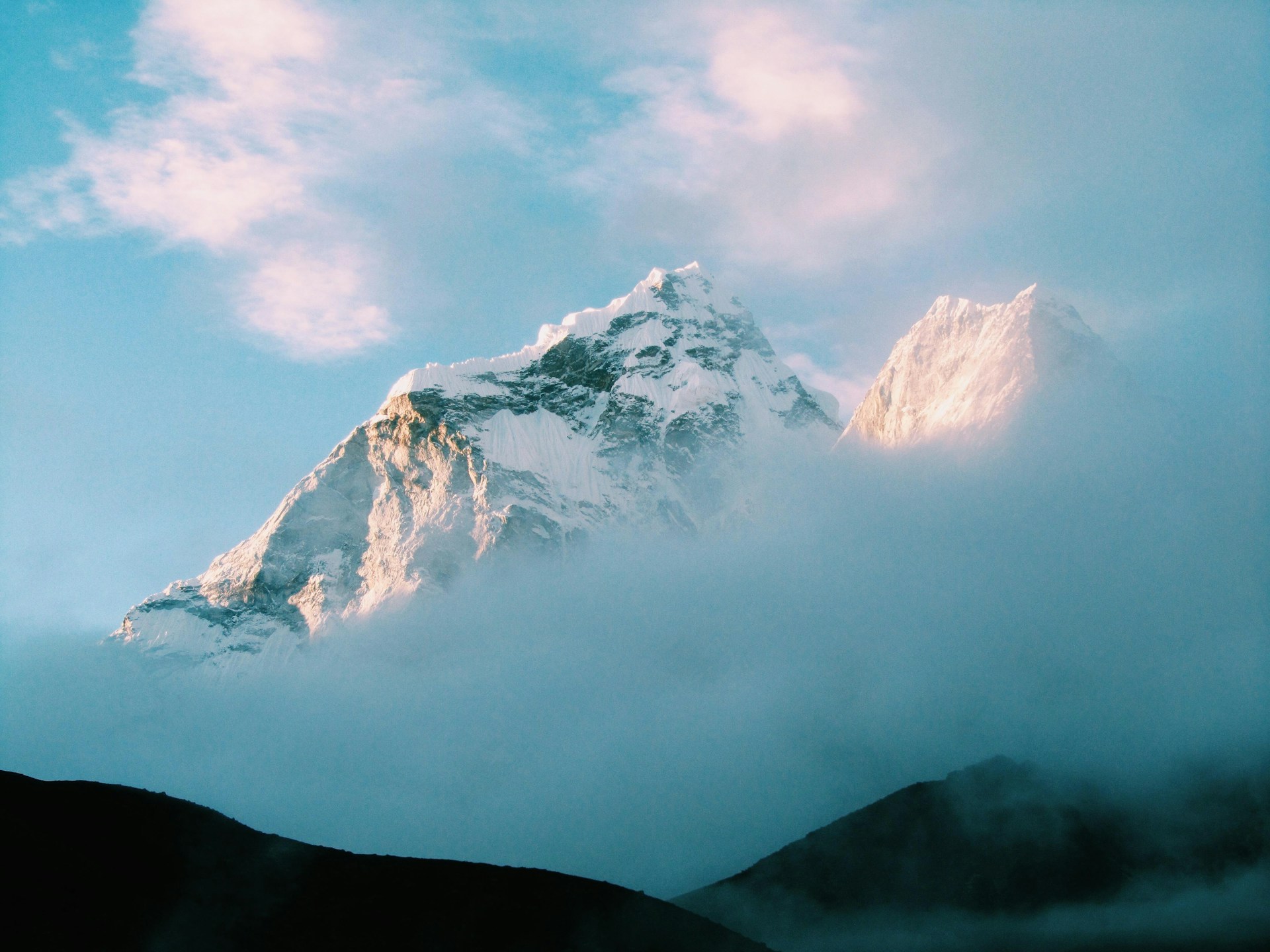
Ama Dablam is located in eastern Nepal, in the heart of the Himalayas. It stands in the Khumbu region of Nepal, a famous mountain area also known as the gateway to Mount Everest. The peak lies inside Sagarmatha National Park, a protected region known for high mountains, glaciers, and unique wildlife.
To make the location easier to understand, here are the key points:
- Region: Khumbu region, eastern Nepal
- Mountain range: Ama Dablam Himalaya
- Elevation: About 6,812 meters above sea level
- Protected area: Sagarmatha National Park
Ama Dablam is easily seen along the popular Everest trekking trail. It rises above the path between Namche Bazaar and Dingboche, making it one of the most photographed mountains in Nepal. The mountain is close to Pangboche village, which is one of the oldest Sherpa settlements in the area. From here, the sharp ridges and hanging glacier of Ama Dablam are very clear.
The location is surrounded by other famous Everest region peaks, including Lhotse, Nuptse, and Thamserku. This creates stunning mountain views throughout the trek.
To reach Ama Dablam, climbers usually fly from Kathmandu to Lukla and then trek through mountain villages and valleys to Ama Dablam Base Camp. Its location is perfect for a mix of natural beauty, culture, and classic Himalayan mountaineering scenery.
Why Timing Matters for Ama Dablam Expedition
Timing plays a very important role in the success and safety of an Ama Dablam Expedition. Ama Dablam is a high mountain with steep ridges, snow, and ice. Weather conditions can change quickly, so choosing the right season helps climbers stay safe and enjoy a better climbing experience.
Weather and safety
Ama Dablam is affected by strong winds, snowfall, and sudden storms. During the right season, the weather is more stable, with clear skies and calmer winds. This makes climbing safer and helps climbers move more easily on snow and ice. Bad timing can bring heavy snow or strong winds, which make accidents more likely.
Route and climbing conditions
Good timing ensures better conditions on the climbing route. When the weather is stable, snow is firm and ice sections are easier to cross. Fixed ropes and camps can be set up properly. In bad seasons, routes can become slippery or blocked by fresh snow, making climbing more difficult and dangerous.
Health and altitude adjustment
Proper timing also helps with altitude adjustment. When it’s warm and clear, climbers can move slowly and rest well while they get used to the new environment. This reduces the risk of altitude sickness and helps the body adapt better to high elevation.
Logistics and support
Most support services, such as experienced guides, camps, and rescue services, operate best during the main climbing seasons. Good timing means better access to supplies, communication, and emergency help if needed.
Overall experience
Choosing the right time increases the chance of reaching the summit and enjoying the climb. The Ama Dablam Expedition is more rewarding because the views are clearer, the routes are safer, and the comfort is better.
In the next sections, we will explain the best seasons to climb Ama Dablam and what weather conditions to expect during each period.
Best Time for Ama Dablam Expedition
Choosing the best time for the Ama Dablam Expedition is very important for safety and success. Ama Dablam is a high and technical mountain, so climbers need stable weather, clear skies, and safe snow conditions.
In Nepal, only a few months each year are suitable for climbing this peak.
Autumn Season (September to November) – Best Overall Time
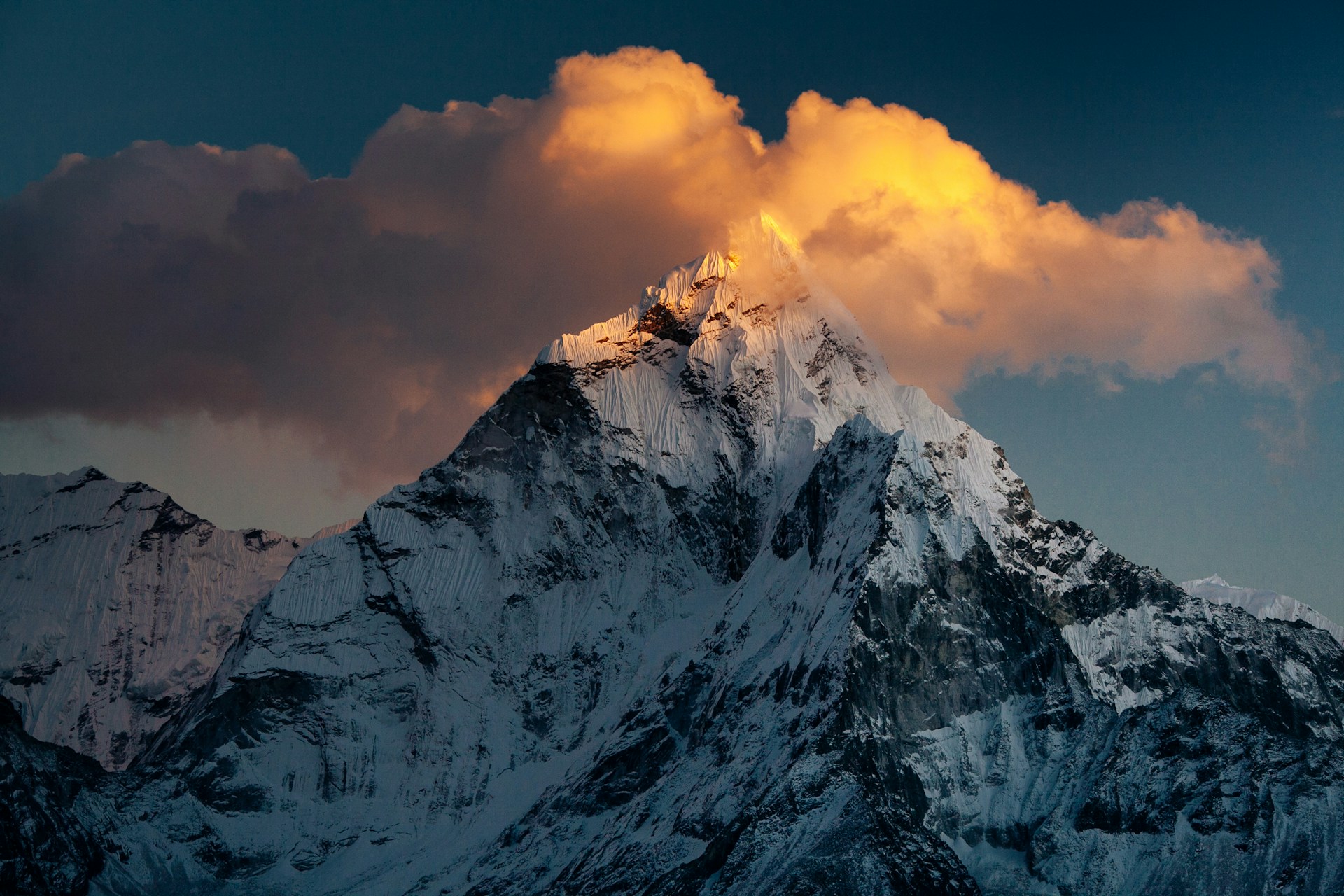
Autumn is the most popular and best season to climb Ama Dablam.
- The weather is stable and the skies are clear.
- The winds are usually calm.
- The weather is safer for snow and ice.
- You can see the mountains very clearly.
Most successful Ama Dablam summits happen during October. Camps can be set properly, and climbing routes are safer during this time.
Spring Season (April to May) – Second Best Option
Spring is another good time for the expedition.
- Days are longer and a little bit warmer.
- The snow is usually in good shape.
- There are fewer people on the mountain than in the autumn.
However, spring weather can be less stable than autumn, with occasional snowfall.
Winter Season (December to February) – Not Recommended
Winter brings very cold temperatures and strong winds.
- Heavy snow and ice make things more dangerous.
- Routes get dangerous
- Camps are harder to manage
Only very experienced climbers should attempt Ama Dablam in winter.
Monsoon Season (June to August) – Avoid This Season
This season has heavy rain and clouds.
- Bad visibility
- Higher chance of avalanches
- Unstable climbing conditions
Best Choice
For most climbers, autumn is the safest and most successful time for the Ama Dablam Expedition..
Spring Season (April–May) on Ama Dablam Expedition
The spring season, from April to May, is a popular time for climbers who want a quieter and warmer experience on Ama Dablam.
While autumn is the most chosen season, spring still offers good climbing conditions for experienced climbers who are well prepared.
Weather and Temperature
- Days become warmer compared to winter, making trekking and climbing more comfortable.
- It stays very cold at night in higher camps, often below freezing.
- In the morning, the sky is usually clear, but clouds can form in the afternoon.
Snow and Route Conditions
- Fresh snow from late winter may make the route more technical and slippery.
- In stable weather, the snow can also help hold the ice sections in place and make the climbing route safer.
- Fixed ropes are normally placed by climbing teams, helping climbers move safely through steep sections.
Crowds and Atmosphere
- There are fewer climbers in the spring than in the autumn, so the route is less crowded.
- Camps feel quieter, and climbers can move at a steady pace without long waits.
Views and Visibility
- Clear mornings offer stunning spectacular views of Everest region peaks.
- You can often see peaks like Everest, Lhotse, Nuptse, and Thamserku.
Things to Consider
- The weather can change quickly, and it might snow for a short time.
- Strong acclimatization and experienced guides are important.
- Climbers should be prepared for technical sections and high altitude.
If you want fewer people, warmer days, and clear mountain views, spring is a good time for the Ama Dablam Expedition.
However, you should be ready for changing weather and technical climbing.
Autumn Season (September–October) on Ama Dablam Expedition
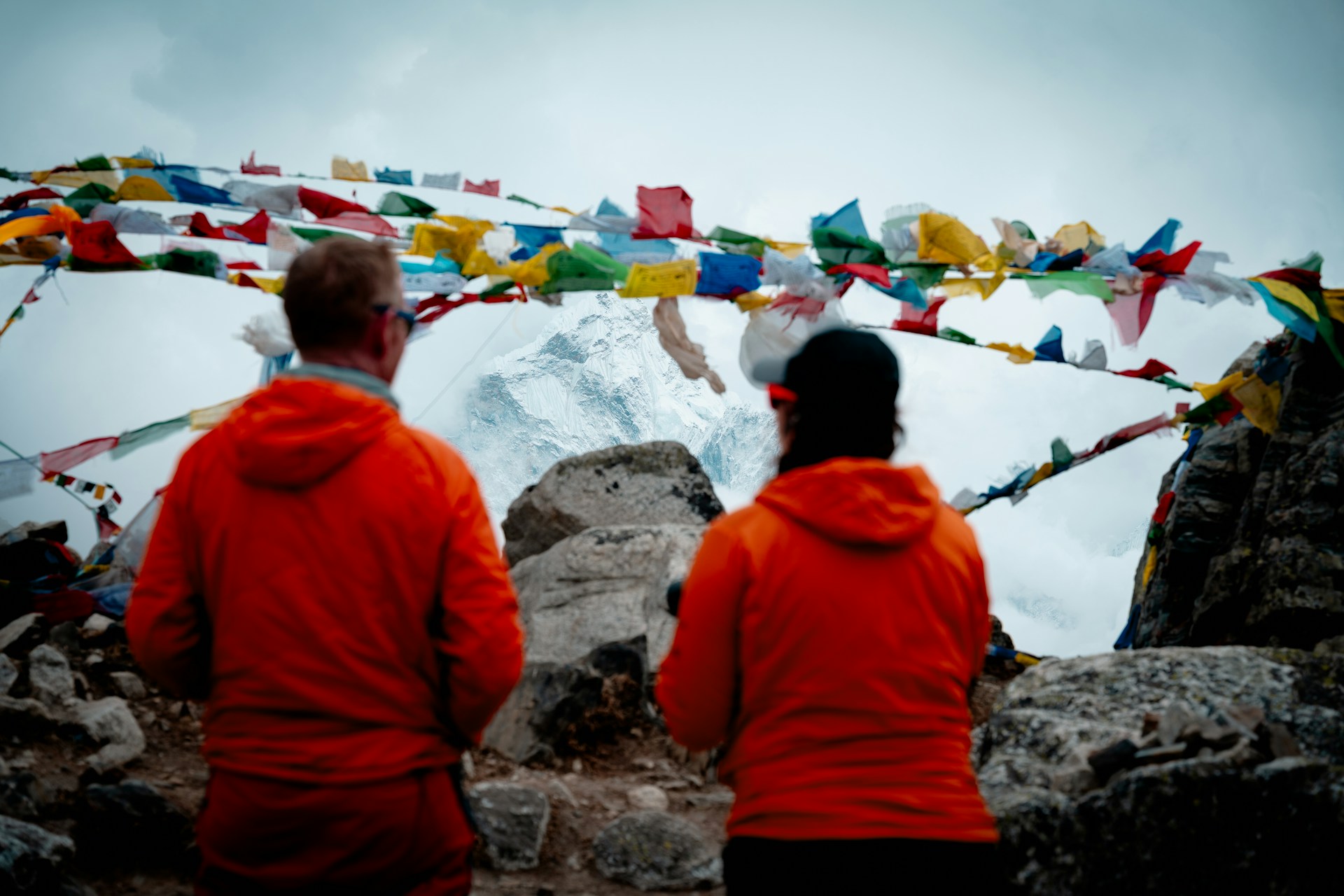
The autumn season, from September to October, is the best time for the Ama Dablam Expedition. During these months, the weather is stable, and the skies are clear. This makes climbing safer and lets climbers see the mountains at their most beautiful.
Weather and Temperature
- The weather is usually calm and dry.
- Clear skies are common, especially in the morning.
- Daytime temperatures are cool but comfortable for climbing.
- It gets cold at night, especially at higher camps.
Snow and Route Conditions
- Snow is usually firm and stable, which makes the climbing route easier to manage.
- The path is clear, and the ice and snow conditions are usually good.
- During this time of year, it’s easier to put up fixed ropes and they stay strong.
Crowds and Support
- Autumn is the busiest season for Ama Dablam because many climbers choose this time.
- More teams mean better support, including guides, equipment, and rescue services.
- However, the route can be crowded, so early planning is important.
Visibility and Views
- The views are the clearest during autumn.
- You can see famous peaks such as Everest, Lhotse, and Nuptse very clearly.
- The mountain scenery looks sharp and beautiful.
Things to Consider
- Because it is the busiest season, booking early is important.
- The weather can still change, so climbers need to be ready for sudden snow or wind.
Overall, September to October is the best season for Ama Dablam Expedition, offering stable weather, clear views, and safer climbing conditions.
This makes it the most popular and successful time for climbers.
Summer / Monsoon Season (June–August) – Why It’s Not Ideal Expedition Time
The summer monsoon season in Nepal, from June to August, is not the best time for the Ama Dablam Expedition. The weather gets bad during these months, and there is a lot of rain in the area.
This makes climbing harder and more dangerous, especially on steep paths with snow and ice.
Heavy Rain and Snow
- Monsoon brings heavy rain in the lower areas and snow in higher camps.
- When it snows, the climbing route can become slippery and unstable.
- The risk of avalanches increases due to fresh snow and wet conditions.
Poor Visibility and Cloud Cover
- Clouds cover the mountains for many days.
- It gets hard to see the route clearly when visibility drops.
- Poor visibility increases the risk of getting lost or making mistakes on the mountain.
Higher Risk of Landslides
- The trail and base camp areas get wet and muddy when it rains hard.
- Landslides can happen on mountain paths, which makes hiking dangerous.
- Helicopter flights may be delayed due to bad weather.
Cold and Unstable Conditions
- The weather changes quickly, and storms can arrive suddenly.
- Wind speed can increase, making climbing risky.
- High-altitude camps become harder to manage because of wet conditions.
Less Support and Limited Services
- Many support services reduce operations during monsoon.
- There may be delays or no access to fixed ropes and climbing gear.
- Rescue options may be limited due to weather.
Overall, the monsoon season is not ideal for Ama Dablam Expedition.
The heavy rain, cloud cover, and unstable conditions increase risks and reduce the chance of success. Climbers usually like to climb in the spring or autumn because it is safer and more successful.
Winter Season (December–February) – Extreme Conditions Expedition
The winter season, from December to February, is the hardest time to climb Ama Dablam. The weather gets very cold during these months, and the mountain gets strong winds and a lot of snow.
This makes the expedition much more difficult and risky, even for experienced climbers.
Very Low Temperatures
- Temperatures at higher camps can drop far below freezing.
- Strong cold makes it more likely that you will get frostbite or hypothermia.
- It gets hard to live in a camp because tents and gear freeze quickly.
Strong Winds and Storms
- Winter brings strong winds at high altitude.
- Winds can make climbing dangerous, especially on exposed ridges.
- Storms can come out of nowhere and make climbers stop or go down.
Heavy Snow and Poor Route Conditions
- Snowfall can be heavy and continuous.
- Deep snow can cover the climbing route.
- It may be harder to climb if the fixed ropes are covered or broken.
Limited Daylight and Slow Progress
- Days are shorter in winter, giving less time for climbing.
- Climbers must move slowly and carefully, which increases the total time on the mountain.
- The longer you are in the cold, the more likely you are to get sick.
Low Support and Higher Risk
- Rescue and support services are limited during winter.
- Helicopter flights may not operate due to bad weather.
- Fewer teams attempt Ama Dablam, so help from other climbers is limited.
Who Should Consider Winter?
Only very experienced and well-prepared climbers should attempt Ama Dablam in winter. It is not recommended for most climbers because of extreme conditions.
Overall, winter is an extreme and challenging time for the Ama Dablam Expedition.
Most climbers pick spring or autumn because they are safer and more likely to succeed.
Temperature and Wind Conditions on Ama Dablam Expedition
Temperature and wind are two major factors that affect the Ama Dablam Expedition. Since Ama Dablam is a high mountain at 6,812 meters, the weather can change quickly and become very harsh.
Understanding the temperature and wind conditions helps climbers prepare properly and stay safe.
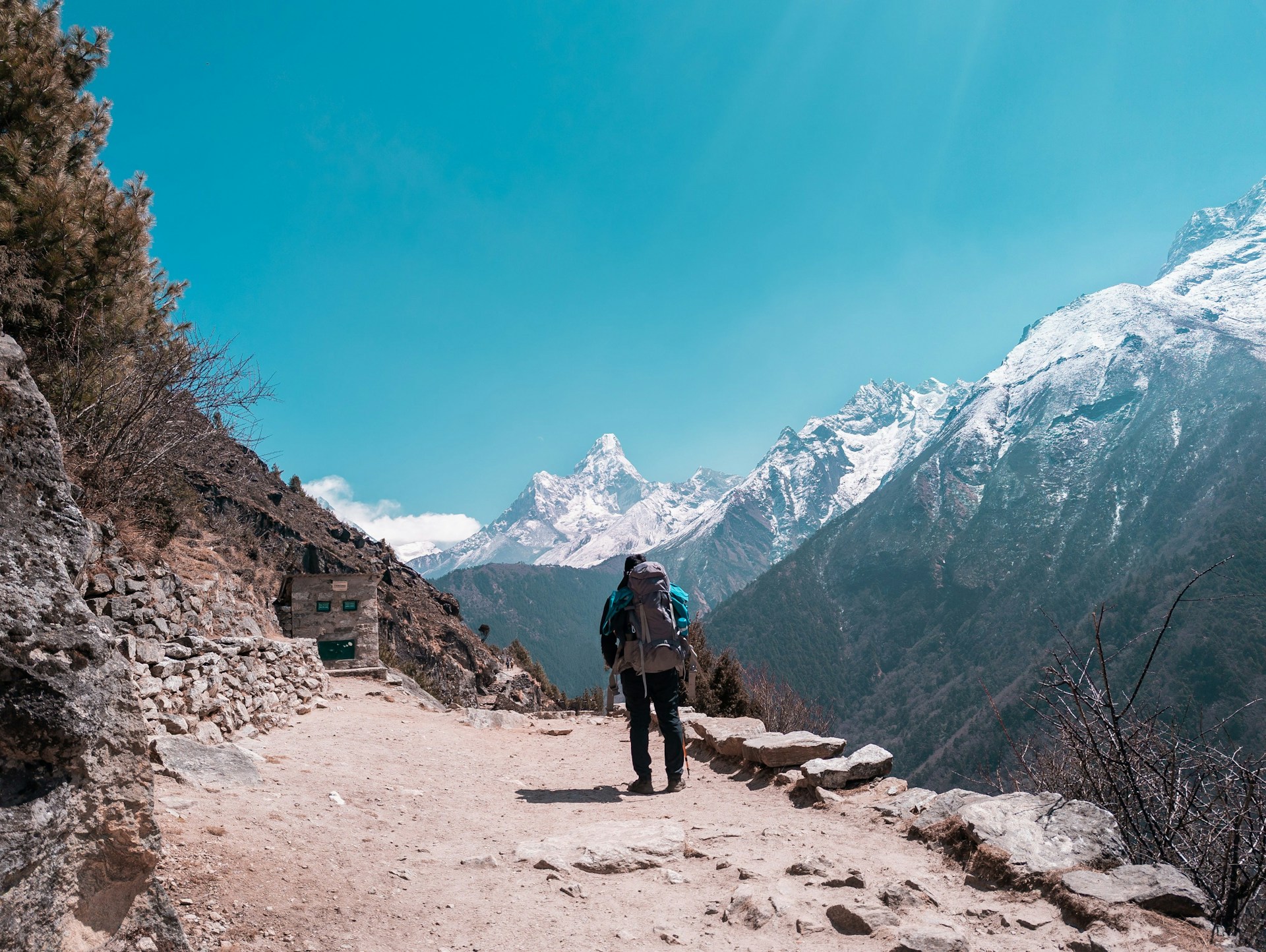
Temperature Conditions
- Lower Camps (Base Camp to Camp 2):
It might feel cold during the day, but it’s not too bad. In the spring and autumn, temperatures drop below freezing at night. - Higher Camps (Camp 3 and above):
Temperatures become much colder. Nights can be extremely cold, often below -20°C (-4°F). - Summit Area:
In the winter, temperatures can drop even lower near the top. Strong winds and thin air can make it very cold even in the spring and autumn.
Wind Conditions
- Strong Winds at High Altitude:
The summit and upper ridges are exposed to strong winds. These winds can be very powerful and make climbing difficult. - Wind Speed Changes with Seasons:
- Autumn (September–October): The winds are usually calmer, which makes it the best time to climb.
- Spring (April–May): Winds can be stronger and less predictable than autumn.
- Winter (December–February): Winds are the strongest and most dangerous.
- Monsoon (June–August): Wind is less of a problem, but heavy snow and storms create risks.
- Wind Chill Effect:
Wind makes the air feel colder than the actual temperature. This is called “wind chill,” and it increases the risk of frostbite.
Key Tips
- Always wear warm clothes and the right gear when it’s very cold.
- Look at the weather reports every day during the trip.
- Be ready to delay or turn back if winds become too strong.
Understanding temperature and wind conditions is essential for a safe Ama Dablam Expedition.
Climbers can stay safe and have a better chance of success if they plan ahead, have the right gear, and keep an eye on the weather.
Conclusion – When Should You Plan Your Ama Dablam Expedition?
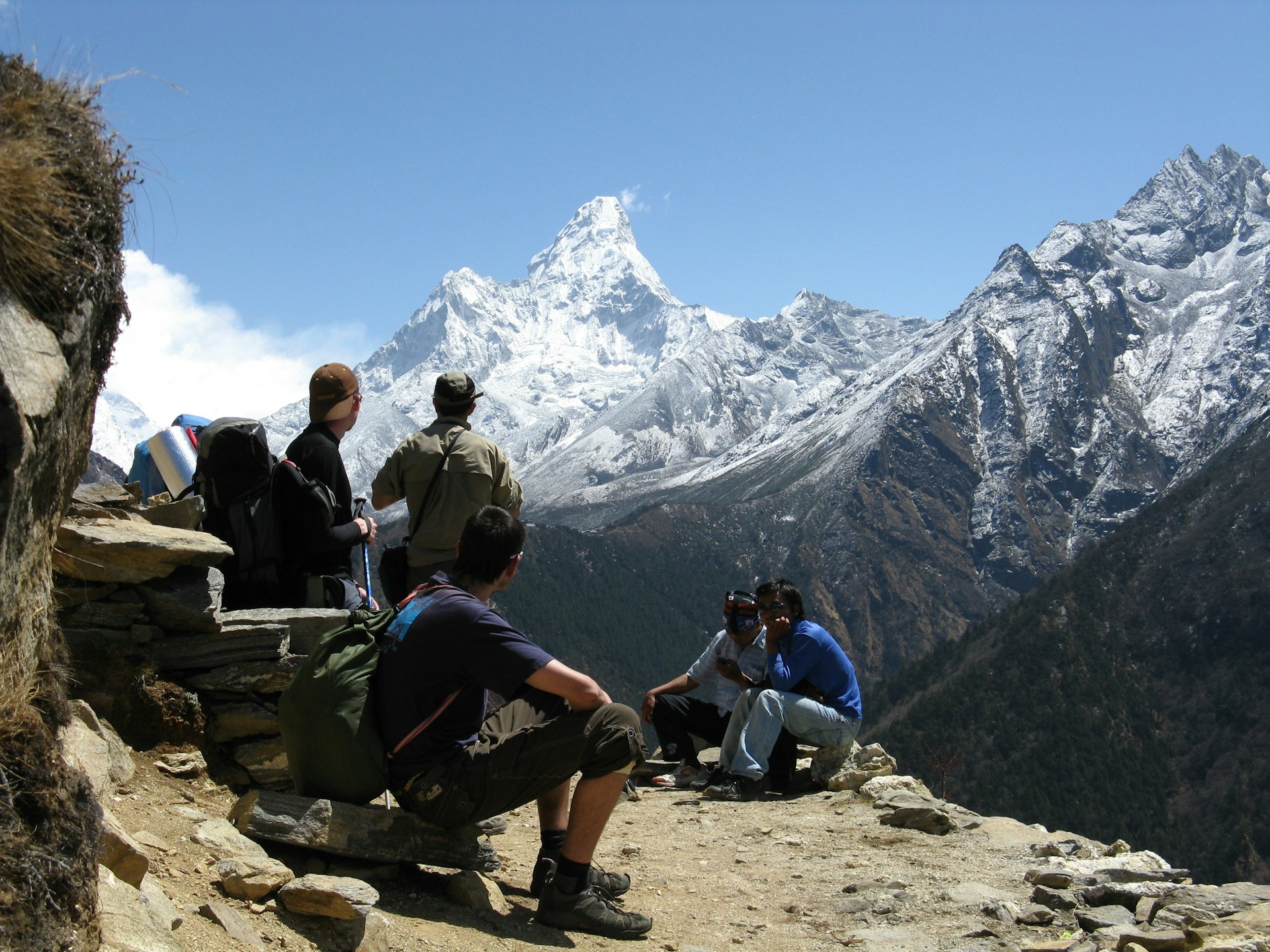
Planning an Ama Dablam Expedition is a serious decision, and timing plays a major role in your success. The best time to climb is during the autumn season (September–October). The weather is most stable during this time, the skies are clear, and the winds are usually calm. These conditions make climbing safer and give you the best chance of getting to the top.
Spring (April–May) is the second-best season for Ama Dablam. It offers warmer daytime temperatures and fewer climbers on the route. However, spring weather can be less predictable, and occasional snowfall may create more technical challenges. Strong planning and getting used to the weather are very important if you choose spring.
The monsoon season (June–August) is not recommended for Ama Dablam. Heavy rain and snow increase the risk of avalanches, landslides, and poor visibility. Climbing during this time is more dangerous and offers a lower chance of success.
Winter (December to February) also brings very cold weather and strong winds, which make the climb very hard even for experienced mountaineers.
In short, if you want the safest and most rewarding Ama Dablam Expedition, plan for autumn, and consider spring if you prefer fewer crowds. Avoid monsoon and winter unless you are extremely experienced and well-prepared.
For a smooth and well-organized expedition, Skyline Treks can help you choose the best season, prepare your gear, and plan the entire climb safely for Ama Dabblam Expedition.