

Best Treks in Nepal: Top 7 Must-Do Treks for Adventure Lovers
Introduction to Trekking in Nepal
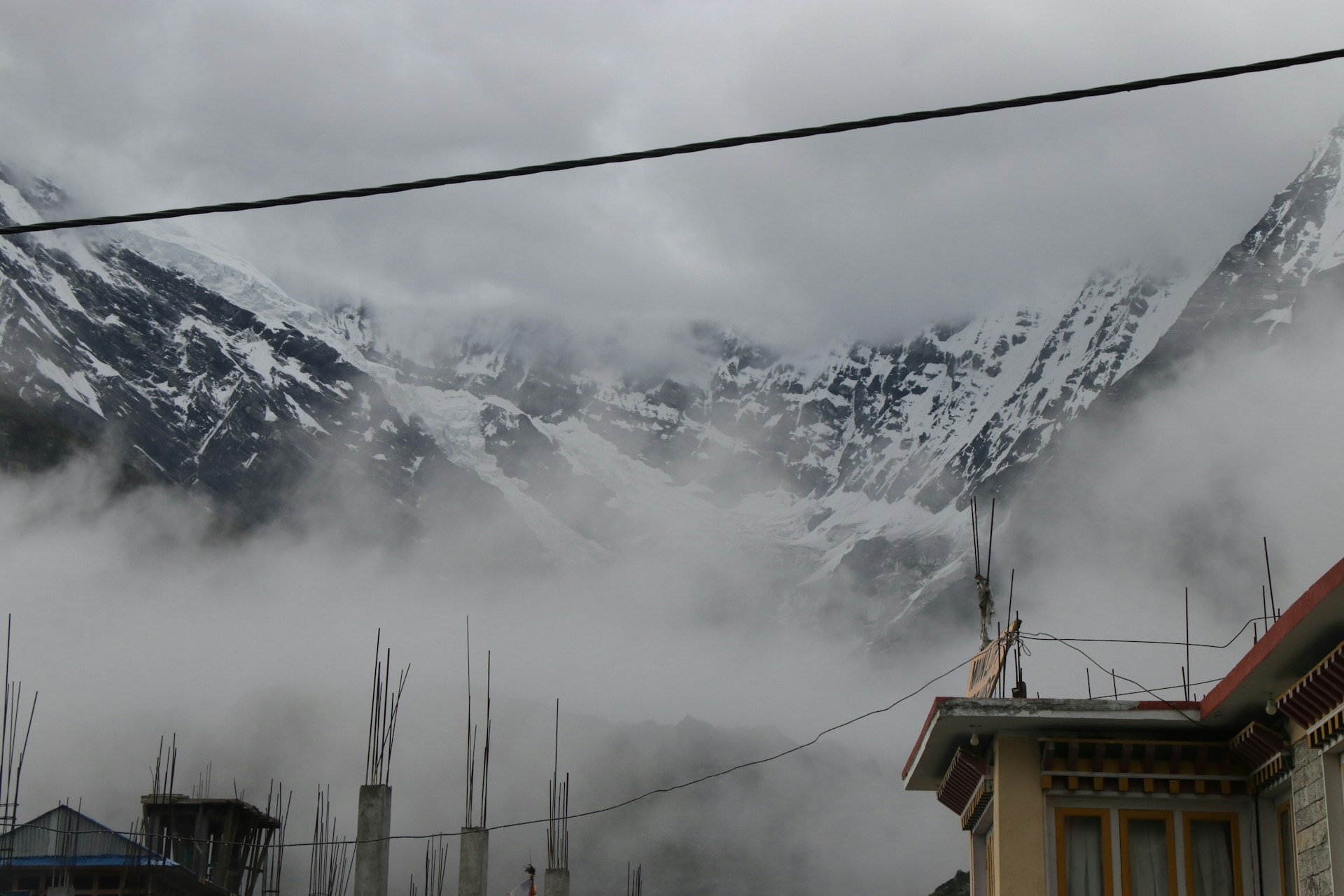
Nepal is one of the best places in the world for trekking, offering stunning mountains, diverse landscapes, and rich cultural experiences. Whether you want to walk through peaceful forests, cross high mountain passes, or see some of the tallest peaks on Earth, Nepal has something for every hiker. Among all the options, the best Treks in Nepal include routes that suit beginners, experienced trekkers, and adventure seekers alike.
Some of the most famous treks, like the Everest Base Camp trek and the Annapurna Circuit trek, provide breathtaking views of snow-capped peaks, glaciers, and Himalayan villages. For those looking for shorter or less crowded journeys, there are short treks in Nepal that still offer incredible scenery and cultural encounters.
Trekking in Nepal is not just about mountains—it’s also about meeting local communities, seeing traditional lifestyles, and enjoying peaceful trails far from busy cities. With careful planning and the support of experienced agencies like Skyline Treks, your trekking adventure can be safe, enjoyable, and unforgettable.
In the following sections, we will explore the best trails, seasons, and tips for trekking in Nepal, helping you plan your perfect journey.
Factors to Consider Before Choosing a Trek
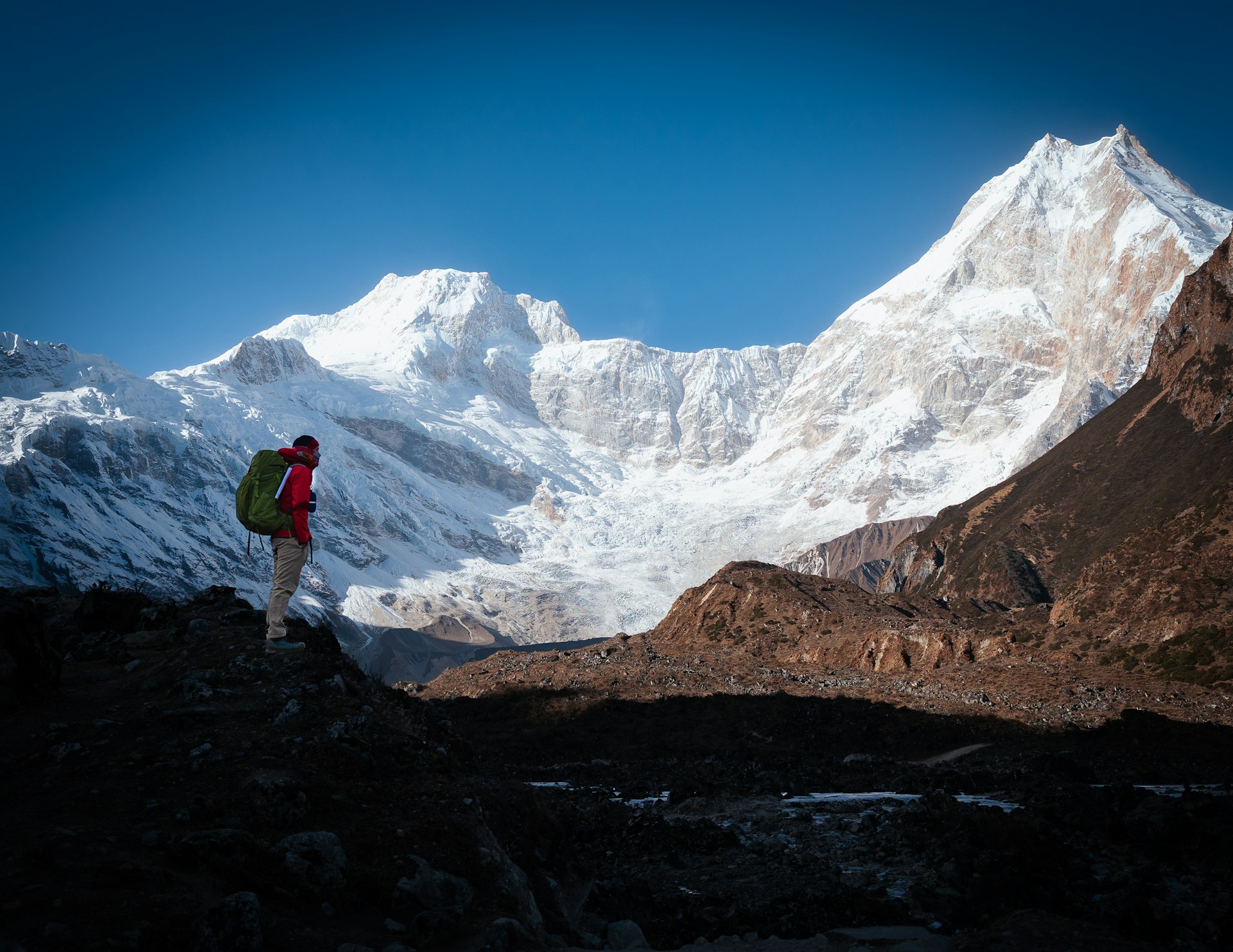
Choosing the right best treks in Nepal is important to ensure a safe, enjoyable, and memorable experience. There are many factors to consider, from fitness level to season, as trails range from easy day hikes to challenging high-altitude expeditions.
- Difficulty Level and Fitness:
- Treks vary from short, easy trails like Poon Hill to long, strenuous journeys like Everest Base Camp or Manaslu Circuit.
- Beginners should select routes that match their physical fitness and experience.
- Duration and Distance:
- Some treks take only 3–5 days, while others may last 2–3 weeks or more.
- Consider how much time you have and your ability to walk long distances daily.
- Altitude and Acclimatization:
- High-altitude treks require gradual acclimatization to avoid altitude sickness.
- Routes like Everest Base Camp reach over 5,300 meters, while shorter treks stay below 3,000 meters.
- Season and Weather:
- Spring (March–May) and autumn (September–November) offer the best weather, clear skies, and moderate temperatures.
- Monsoon season (June–August) can make trails slippery, while winter treks can be cold and snowy.
- Interests and Preferences:
- Do you want mountain views, cultural experiences, or wildlife spotting?
- Some treks focus on natural beauty, while others include village visits and festivals.
- Support and Logistics:
- Decide whether to trek independently or with a guide and porter service.
- Experienced agencies like Skyline Treks can help with permits, accommodations, and route planning.
By considering these factors carefully, you can select the trek that fits your abilities, interests, and schedule. This ensures that your journey through Nepal’s breathtaking landscapes is safe, enjoyable, and truly unforgettable.
Top 7 Must-Do Best Treks in Nepal
Nepal is a dream destination for trekkers, offering some of the world’s most spectacular mountain trails. From the iconic Everest Base Camp to the culturally rich Upper Mustang, each trek provides a unique mix of breathtaking scenery, local culture, and adventure.
For first-time trekkers, shorter trails like Ghorepani Poon Hill or Mardi Himal offer manageable routes with stunning views. Experienced adventurers can challenge themselves on Annapurna Circuit, Manaslu Circuit, or Langtang Valley, where high passes, remote villages, and alpine landscapes create unforgettable experiences.
These seven treks highlight the diverse beauty of Nepal, combining snow-capped peaks, forests, rivers, and vibrant villages. Whether you are seeking a peaceful journey or a high-altitude adventure, these routes showcase the best of Nepal’s trekking offerings.
Everest Base Camp Trek
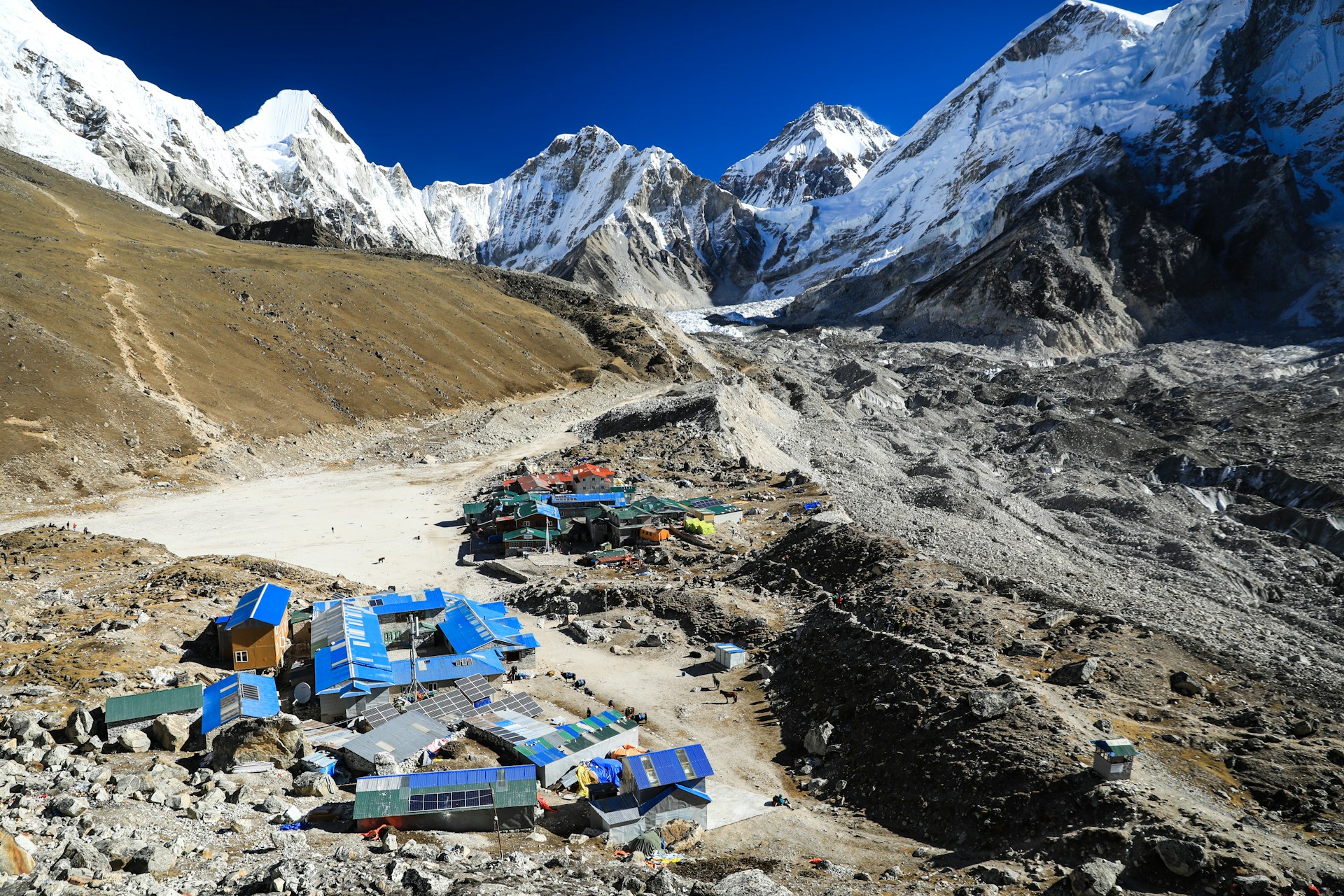
The Everest Base Camp (EBC) Trek is one of the most popular best treks in Nepal that offers breathtaking views of the world’s highest peaks. Starting from Lukla Airport (2,860 m), trekkers follow trails along the Dudh Koshi River, passing through Sherpa villages like Phakding, Namche Bazaar, and Tengboche.
The trek gradually rises to Everest Base Camp at 5,364 meters, with acclimatization days at Namche Bazaar and Dingboche to prevent altitude sickness. Along the way, trekkers enjoy stunning panoramas of Everest, Lhotse, Nuptse, and Ama Dablam, plus the chance to visit Tengboche Monastery, a spiritual hub in the region.
EBC is considered a moderate to challenging trek, suitable for trekkers with good fitness and some experience in high-altitude walking. It typically takes 12–14 days, including acclimatization and return.
Tips for trekkers:
- Best seasons: spring (March–May) and autumn (September–November) for clear skies and moderate temperatures.
- Carry layers, sturdy boots, and a good sleeping bag.
- Trekkers can hike to Kala Patthar (5,545 m) for a spectacular sunrise view over Everest.
With its combination of culture, adventure, and unmatched Himalayan scenery, the Everest Base Camp trek is a must-do experience for anyone visiting Nepal for trekking.
Annapurna Circuit Trek
The Annapurna Circuit Trek is another best treks in Nepal, famous for its diverse landscapes, high mountain passes, and cultural richness. This trek typically starts from Besisahar and follows the Marsyangdi River, winding through forests, terraced farmland, and remote villages.
One of the trek’s highlights is Thorong La Pass (5,416 m), one of the highest trekking passes in the world. The route offers panoramic views of Annapurna, Dhaulagiri, Machapuchare, and Gangapurna, as well as opportunities to witness Tibetan-style villages along the trail.
The trek takes 15–20 days and is suitable for intermediate trekkers due to long walking days, moderate altitude, and some steep sections. Acclimatization days are essential to prevent altitude sickness.
Tips for trekkers:
- Best seasons: spring and autumn for stable weather and clear mountain views.
- Carry warm clothing, trekking poles, and sufficient water.
- Local teahouses provide food and lodging along most sections, but higher passes may require extra preparation.
The Annapurna Circuit combines adventure, cultural immersion, and stunning Himalayan scenery, making it one of the best treks in Nepal for both first-timers and experienced hikers.
Ghorepani Poon Hill Trek
The Ghorepani Poon Hill Trek is a short and scenic trek, perfect for beginners or those with limited time. Usually completed in 4–6 days, the trek starts from Nayapul or Tikhedhunga and passes through lush rhododendron forests, terraced fields, and charming Gurung and Magar villages.
The trek’s main highlight is Poon Hill (3,210 m), a viewpoint offering one of the most spectacular sunrises in the Himalayas. From here, trekkers can see Annapurna South, Dhaulagiri, Machapuchare, and Nilgiri.
This trek is moderate in difficulty, with some steep sections but generally well-marked trails. Because of its short duration, it is ideal for first-time trekkers or families.
Tips for trekkers:
- Best seasons: spring (March–May) and autumn (September–November) for rhododendron blooms and clear views.
- Bring layers, good hiking shoes, and a camera for the amazing scenery.
- Start early in the morning to reach Poon Hill for sunrise and photography opportunities.
The Ghorepani Poon Hill trek is one of the most accessible Himalayan treks, offering stunning landscapes, friendly village culture, and a memorable sunrise without the challenges of high-altitude trekking.
Langtang Valley Trek
The Langtang Valley Trek is a beautiful and accessible trekking route in northern Nepal, ideal for beginners and intermediate trekkers. The trail starts from Syabrubesi, which is about 5–6 hours’ drive from Kathmandu.
The trek offers a mix of cultural and natural experiences. Along the trail, trekkers can visit villages like Langtang, where traditional Tibetan-style houses and monasteries highlight local culture. Kyanjin Gompa, a monastery and small settlement, is a popular stop, offering accommodations and incredible mountain views of Langtang Lirung (7,227 m) and surrounding peaks.
The trek reaches a maximum altitude of around 4,100 meters, requiring proper acclimatization to prevent altitude sickness. The route is moderate in difficulty, with a mix of gradual ascents and short steep sections.
Tips for trekkers:
- Best seasons are spring (March–May) and autumn (September–November).
- Carry layered clothing, sturdy boots, trekking poles, and a camera for landscapes and wildlife.
- Stay hydrated and allow time for acclimatization.
The Langtang Valley Trek offers stunning Himalayan scenery, cultural immersion, and accessible trekking, making it a perfect choice for those seeking adventure near Kathmandu without committing to a long or extremely high-altitude trek.
Manaslu Circuit Trek
The Manaslu Circuit Trek is a remote and adventurous trekking route that circles Mount Manaslu (8,163 m), the eighth-highest peak in the world. Starting from Soti Khola, the trail passes through lush forests, terraced farmland, and Tibetan-style villages, offering both natural beauty and cultural experiences.
A major highlight of Manaslu trek is the Larkya La Pass (5,160 m), one of the highest trekking passes in Nepal, providing panoramic views of Manaslu, Himalchuli, and Ngadi Chuli. Trekkers also visit villages like Samagaon and Samdo, where traditional Tibetan-influenced culture is visible in monasteries, prayer flags, and daily life.
The trek is moderate to challenging, suitable for trekkers with previous experience and good fitness levels. The full circuit takes 14–18 days, including acclimatization days to prevent altitude sickness. Trails are generally well-marked, but the remoteness of the region requires careful preparation and support from a reliable trekking agency.
Tips for trekkers:
- Best seasons are spring (March–May) and autumn (September–November).
- Restricted area permits are required and must be arranged in advance.
- Carry warm layers, trekking poles, and sufficient water and snacks, as some stretches are remote.
The Manaslu Circuit Trek is perfect for those seeking less crowded trails, breathtaking Himalayan scenery, and authentic Tibetan culture, making it one of the most rewarding treks in Nepal for adventurous travelers.
Mardi Himal Trek
The Mardi Himal Trek is a relatively short but spectacular trekking route in the Annapurna region, perfect for beginners and intermediate trekkers. Starting from Pokhara, the trail gradually ascends through lush forests, small villages, and terraced farmland, offering a mix of nature and culture.
One of the main highlights is reaching the Mardi Himal Base Camp (4,500 m), where trekkers enjoy panoramic views of Mardi Himal, Annapurna South, Machapuchare (Fishtail), and Hiunchuli. Another highlight is the viewpoint at Low Camp (3,550 m), which offers sunrise views over the Annapurna massif.
The trek usually takes 5–7 days, making it ideal for those with limited time. The route is moderate in difficulty, with some steep sections and well-marked trails. Accommodation is available in teahouses along the trail, providing meals and overnight stays.
Tips for trekkers:
- Best seasons are spring (March–May) and autumn (September–November) for clear skies and comfortable temperatures.
- Carry warm layers, good hiking boots, trekking poles, and a camera.
- Start early in the morning for sunrise photography at viewpoints.
The Mardi Himal Trek combines stunning mountain views, quiet trails, and cultural experiences, making it a perfect choice for first-time trekkers or those looking for a short, rewarding Himalayan adventure.
Upper Mustang Trek
The Upper Mustang Trek is a unique and culturally rich trekking experience in northern Nepal. Often called the “Last Forbidden Kingdom”, Upper Mustang offers Tibetan-style villages, desert landscapes, and ancient monasteries. The trek begins from Jomsom and follows the Kaligandaki River, gradually entering the arid, high-altitude region of Upper Mustang.
The highlight of the trek is Lo Manthang, the walled capital city of Mustang, where trekkers can explore traditional Tibetan architecture, ancient monasteries, and local markets. The trail passes through villages such as Chhuksang, Ghami, and Chele, where locals maintain their centuries-old traditions.
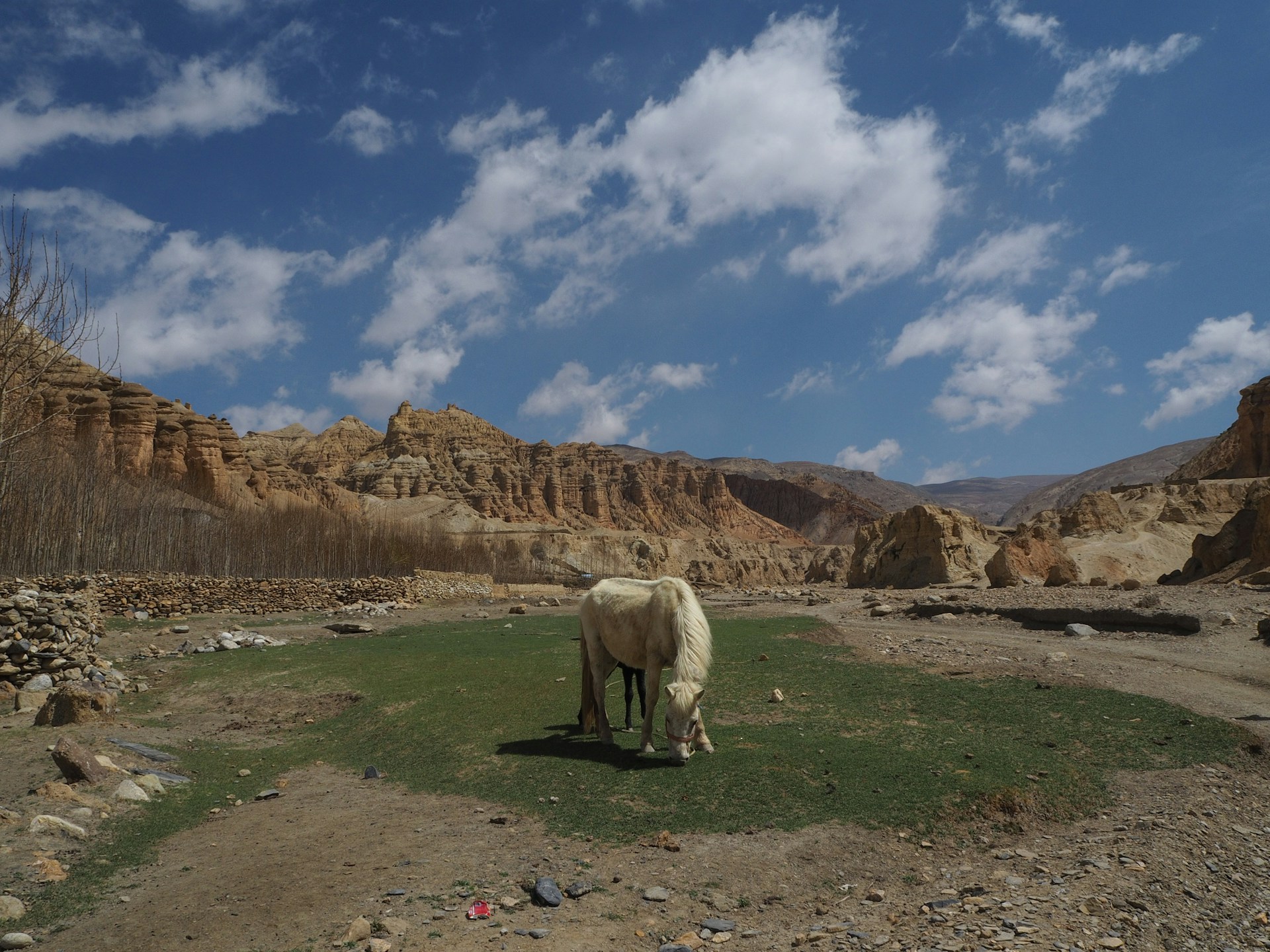
This trek typically takes 12–14 days and is moderate to challenging, mainly due to altitude and remoteness. Thighest elevation is around Lo Manthang (3,800 m), which is manageable for most trekkers with proper acclimatization.
Tips for trekkers:
- Best seasons are spring and autumn for stable weather and clear mountain views.
- A restricted area permit is required and must be arranged in advance.
- Bring layers, sun protection, and sufficient cash as ATMs are limited.
The Upper Mustang Trek combines stunning desert landscapes, rich Tibetan culture, and historical sites, making it one of the most unique and memorable treks in Nepal for adventure and cultural enthusiasts alike.
Best Time to Go Trekking in Nepal
Trekking in Nepal is possible year-round, but the best seasons depend on weather, visibility, and safety. Here’s a clear breakdown:
- Spring (March–May):
- Rhododendron forests bloom, creating colorful landscapes.
- Moderate temperatures make walking comfortable.
- Clear skies provide excellent mountain views.
- Wildlife spotting and cultural experiences in villages are ideal.
- Autumn (September–November):
- Peak trekking season with stable weather and fresh, clear air.
- Trails are dry, making walking easier.
- Stunning views of Everest, Annapurna, Manaslu, and other peaks.
- Moderate temperatures and less risk of altitude-related issues.
- Winter (December–February):
- Fewer crowds and crisp skies for photography.
- Very cold at high altitudes; some trails may have snow.
- Suitable for short treks at lower elevations.
- Monsoon (June–August):
- Heavy rain, slippery trails, and risk of landslides.
- High humidity and poor mountain visibility.
- Only for experienced trekkers with proper gear.
Tip: For most travelers, spring and autumn are the safest and most rewarding seasons.
Trekking during these months ensures comfortable weather, clear mountain views, and unforgettable Himalayan experiences.
Trekking Preparation Tips
Preparing well before your trek in Nepal can make the journey safe, enjoyable, and memorable.
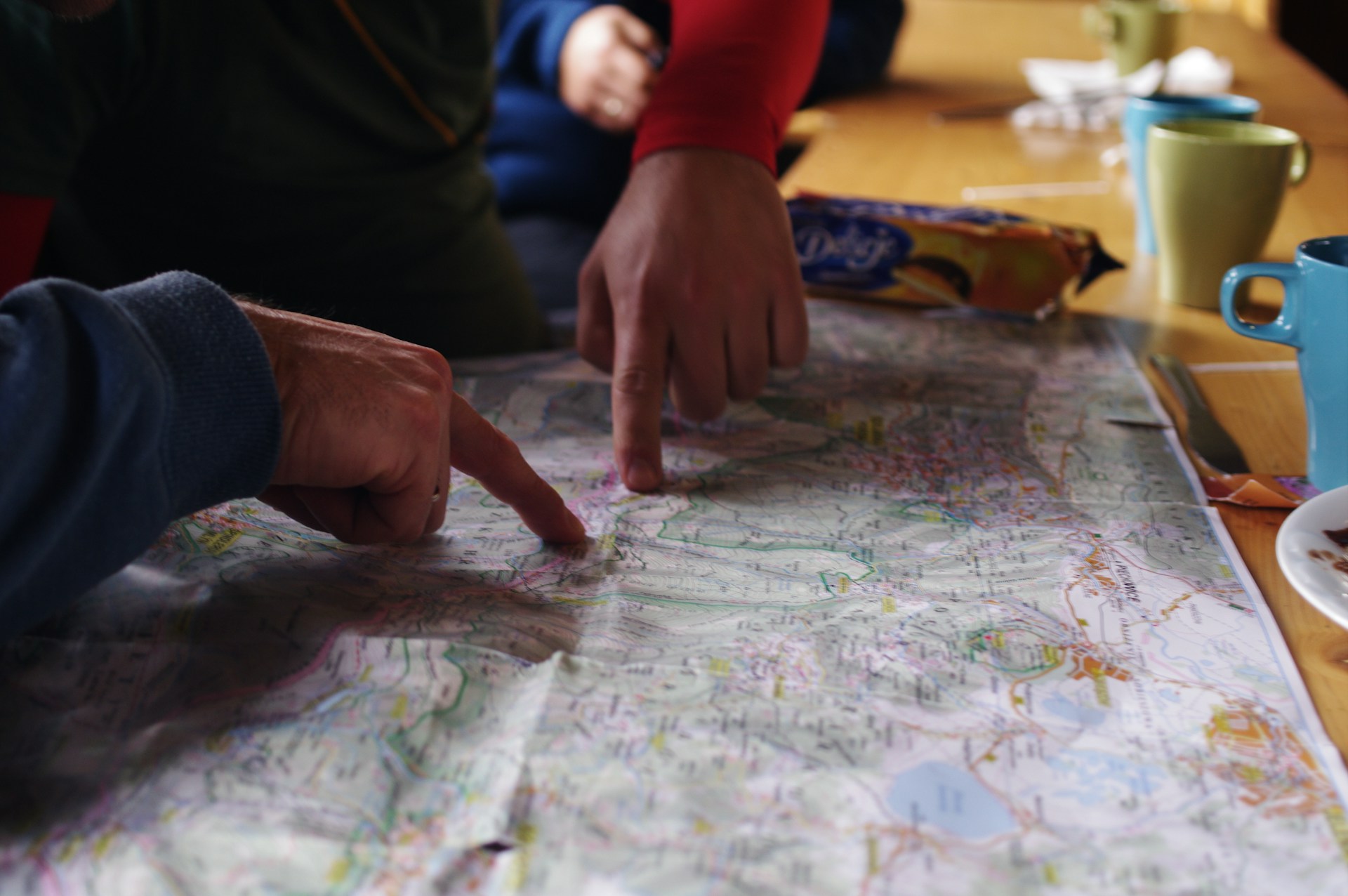
Here are some essential tips:
- Physical Fitness:
- Begin training at least 1–2 months before your trek.
- Focus on cardio, walking with a backpack, and leg-strength exercises.
- Hiking on uneven terrain in your area can help simulate trail conditions.
- Gear and Clothing:
- Pack layered clothing to handle cold mornings and warm afternoons.
- Bring a waterproof jacket, sturdy trekking boots, and warm gloves.
- Don’t forget hat, sunglasses, and sunscreen for sun protection.
- Health and Safety:
- Carry a basic first-aid kit with medications for altitude sickness, headaches, and stomach issues.
- Drink plenty of water and acclimatize gradually at higher altitudes.
- Travel insurance covering trekking and emergency evacuation is highly recommended.
- Travel Documents and Permits:
- Carry a valid passport, trekking permits (TIMS or restricted area permits), and ID copies.
- Check local regulations for restricted areas like Manaslu or Upper Mustang.
- Food and Hydration:
- Eat high-energy snacks during trekking.
- Boiled or filtered water is safer than drinking directly from streams.
- Mental Preparation:
- Prepare for long walking days, variable weather, and basic accommodations.
- Stay positive, take breaks when needed, and enjoy the journey.
By following these preparation tips, your trek in Nepal can be safe, comfortable, and truly unforgettable.
Safety Tips for Adventure Trekkers
Trekking in Nepal is exciting, but safety should always be a top priority. The Himalayas are beautiful, yet unpredictable, so careful preparation is essential.
Here are key safety tips for adventure trekkers:
- Acclimatization and Altitude Awareness:
- Ascend gradually to prevent altitude sickness.
- Spend extra days at key stops to allow your body to adjust.
- Recognize symptoms like headaches, nausea, or dizziness and descend if needed.
- Weather and Trail Conditions:
- Check daily weather forecasts before setting out.
- Avoid trekking during heavy rains or storms, which can cause landslides or slippery paths.
- Carry waterproof gear and extra clothing for sudden changes.
- Gear and Equipment:
- Wear sturdy trekking boots with good grip.
- Use trekking poles for stability on steep trails.
- Carry a headlamp, first-aid kit, and emergency supplies.
- Health and Hydration:
- Drink plenty of clean, filtered water.
- Eat high-energy meals and avoid alcohol at high altitudes.
- Keep a small medical kit with altitude medications and pain relievers.
- Communication and Travel Support:
- Inform someone of your daily route and expected return.
- Consider hiring a guide or porter for safety and navigation.
- Have a mobile phone, satellite phone, or GPS device in case of emergencies.
By following these safety tips, trekkers can reduce risks, enjoy the journey, and fully experience Nepal’s stunning landscapes with confidence and peace of mind.
How to Choose the Right Best Treks in Nepal
Nepal offers a wide range of trekking options, from short scenic trails to challenging high-altitude expeditions. Choosing the right trek is essential to ensure a safe, enjoyable, and memorable experience.
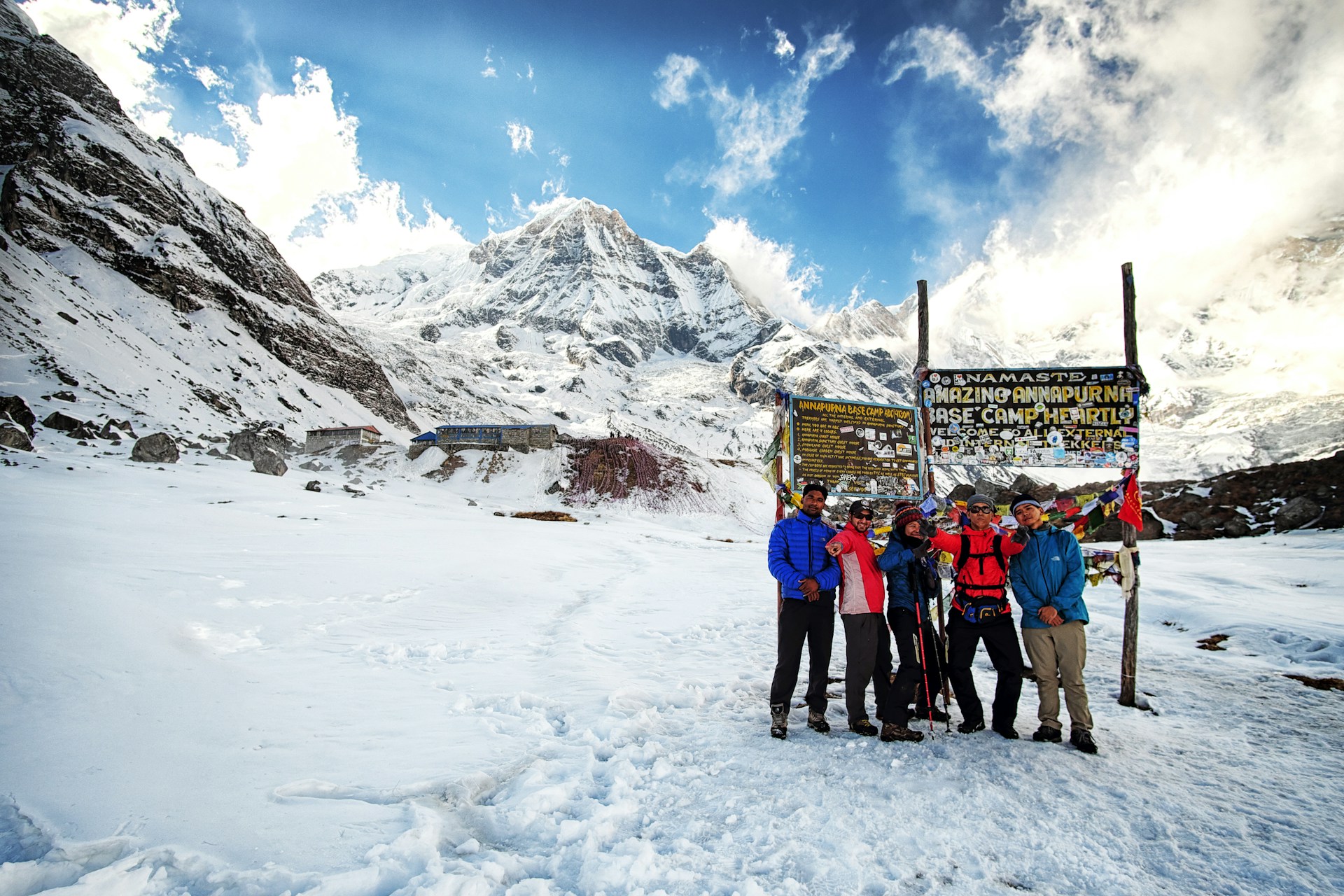
Here’s a guide to help you decide:
- Consider Your Fitness and Experience:
- Treks vary in difficulty from easy day hikes to multi-week high-altitude treks like Everest Base Camp or Manaslu Circuit.
- Beginners should choose moderate trails like Ghorepani Poon Hill or Langtang Valley, while experienced trekkers may opt for longer, remote routes.
- Check Duration and Distance:
- Some treks take 3–5 days, others 2–3 weeks or longer.
- Match the trek to the time you have available and your ability to hike long hours daily.
- Altitude Considerations:
- High-altitude treks can reach over 5,000 meters.
- Consider your tolerance for altitude and plan for acclimatization days to prevent altitude sickness.
- Season and Weather:
- Spring (March–May) and Autumn (September–November) are the best trekking seasons with clear skies and moderate temperatures.
- Avoid heavy monsoon rains (June–August) or extreme winter cold at higher elevations.
- Cultural Interests:
- Some treks pass through remote villages and monasteries, offering cultural immersion, while others focus on mountain views and natural scenery.
- Support and Logistics:
- Decide whether to trek independently or hire a guide and porter.
- Agencies like Skyline Treks can arrange permits, accommodation, and safe trekking routes.
By considering fitness, duration, altitude, season, and cultural interests, you can select a trek that fits your abilities and preferences, ensuring a safe and unforgettable Himalayan adventure.
Conclusion – Embark on Your Nepal Trekking Adventure
Nepal is a trekker’s paradise, offering trails for all levels, from short scenic hikes to challenging high-altitude expeditions. Whether you want to witness the sunrise over the Annapurna range, explore Sherpa villages on the way to Everest Base Camp, or experience remote Tibetan culture in Upper Mustang, there is a trek perfectly suited for you. Each journey combines breathtaking landscapes, cultural immersion, and personal adventure, making Nepal a truly unforgettable destination.
Careful preparation, fitness, and planning are key to enjoying your trek safely. Consider the best season, trail difficulty, altitude, and available support, and always carry the right gear, stay hydrated, and listen to your body. Hiring experienced guides or trekking agencies like Skyline Treks ensures you have proper permits, accommodation, and local insights, allowing you to focus on the adventure itself.
By choosing the right trek and preparing adequately, you can experience the magic of the Himalayas while creating memories that last a lifetime. From vibrant villages and serene forests to majestic snow-capped peaks, trekking in Nepal offers a once-in-a-lifetime adventure that inspires, challenges, and rewards every traveler.
Start planning your best treks in Nepal now, and let the trails of Nepal guide you to your next great adventure.