

Is Climbing Mount Everest Hard: Risks Involded and Safety Considerations
Introduction to Climbing Mount Everest
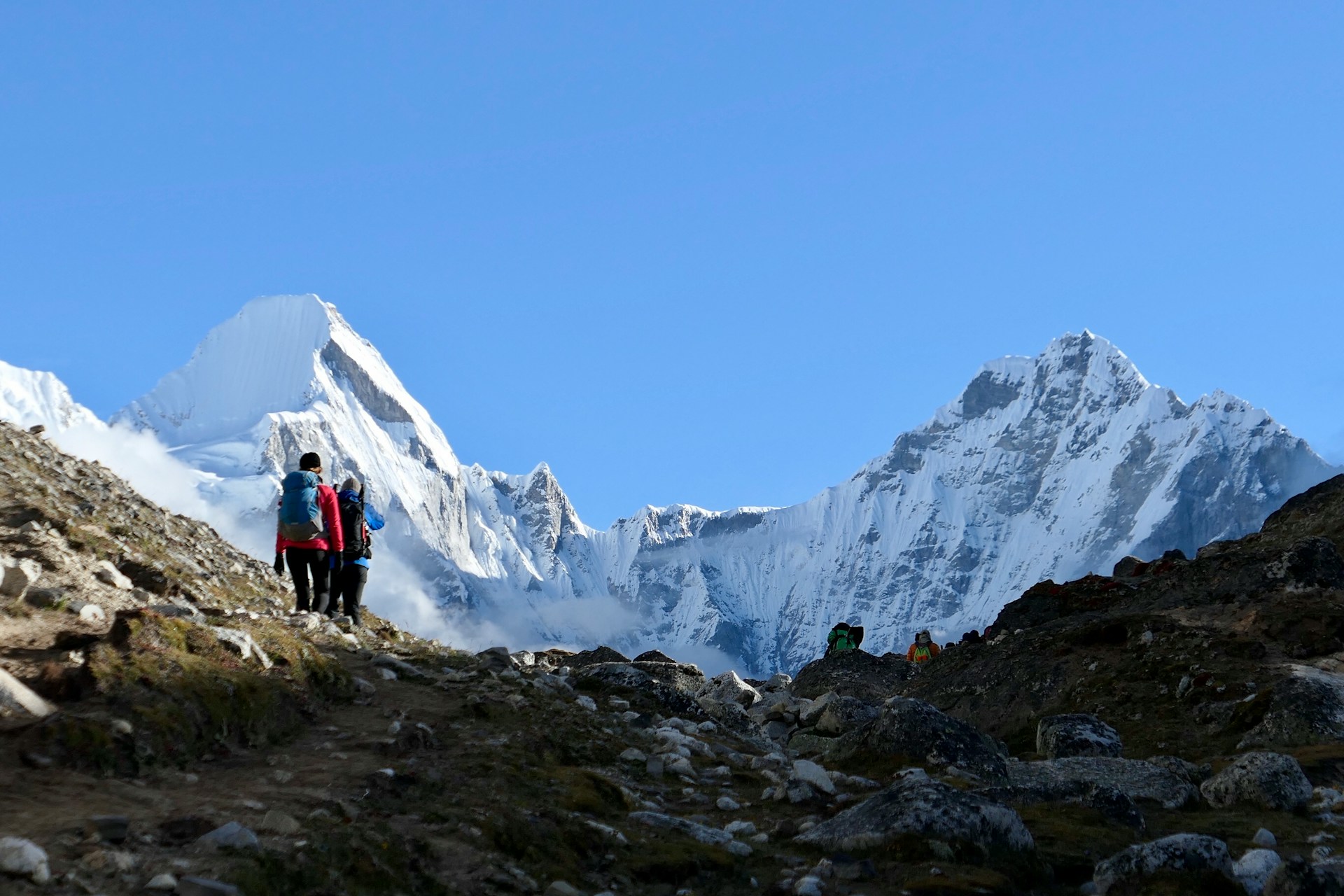
Mount Everest is the tallest mountain in the world, which stands at 8,848.86 meters above sea level. It is situated on the border between Nepal and Tibet and attracts climbers from all over the world each year. Many people dream of reaching the peak, but the journey is not easy at all. It requires the climber to have strong fitness, careful planning, and also decent experience in high altitude mountaineering.
Many beginners who want to climb often ask, “Is climbing Mount Everest hard?” The answer is yes, it is. Climbers must face extreme cold, thin air, and changing weather. These Mount Everest risks make the climb both exciting and dangerous. Even with modern gear and trained guides, it remains one of the toughest challenges in the world.
Still, the beauty of the Himalayas and the feeling of standing on top of the world make it a once-in-a-lifetime adventure.
For those planning their journey, trusted agencies like Skyline Treks can help organize safe and well-planned trips, leading into more detailed trekking and climbing information ahead.
Where Is Mount Everest Located?
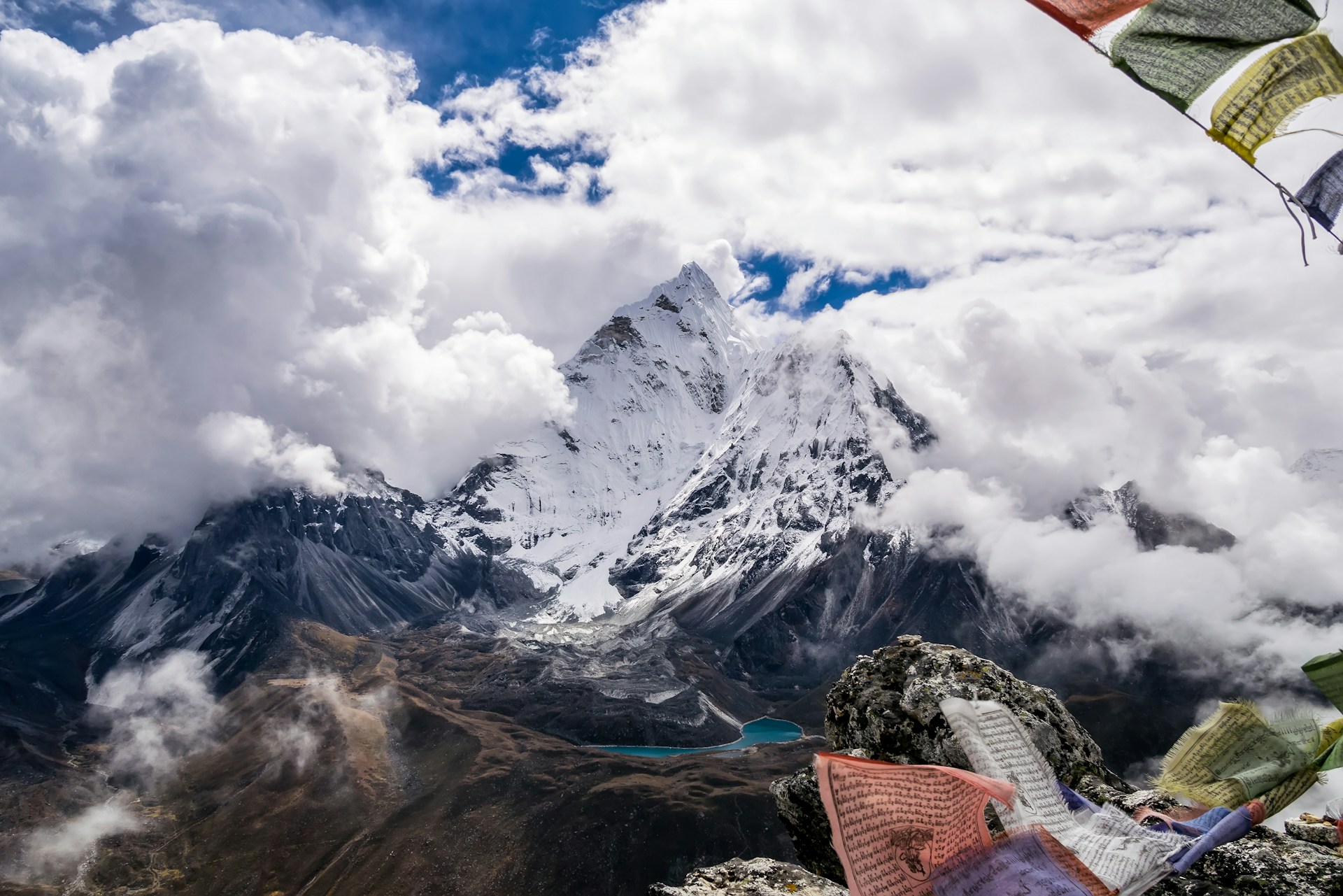
Mount Everest is located in the Himalayas, the highest mountain range in the world. It sits right on the border between Nepal and Tibet (China). This means that people can climb the mountain from both the south side in Nepal and the north side in Tibet. The Nepal side is more popular and has superior trekking paths, therefore most climbers pick it.
On the Nepal side, Mount Everest lies inside Sagarmatha National Park, a protected area known for its beautiful forests, glaciers, and rare wildlife. Lukla is the closest place to start the trip. Trekkers fly there and then walk to Everest Base Camp. From there, the climbers start their real journey to the top.
Key location facts:
- Height: 8,848.86 meters (29,031.7 feet)
- Mountain range: Himalayas
- Border: Nepal and Tibet (China)
- Nepal name: Sagarmatha
- Tibet name: Chomolungma
Mount Everest’s remote location makes the journey challenging but also very special.
The long trek through the Himalayas gives travelers a chance to enjoy amazing views and experience local Sherpa culture before reaching the base of the world’s highest peak.
Is Climbing Mount Everest Hard and Why Is it So Difficult?
Climbing Mount Everest is one of the hardest challenges in the world. It is not just a normal hike—it is a serious test of strength, patience, and mental focus. Many people dream of reaching the top, but only those who are well prepared can succeed.
One of the main reasons why climbing Everest is so hard is because it is so high up. As climbers move higher, the air gets thinner and there is less oxygen to breathe. This can make people sick at high altitudes, which can make them feel weak, disoriented, and weary. Even simple things like walking become exceedingly challenging.
Another big problem is the weather on Everest. It can change very fast, with high winds, a lot of snow, and very cold temperatures. Climbers regularly have to deal with temperatures below -30°C, which can be dangerous if they don’t have the right gear.
Here are the main difficulties climbers face:
- Low oxygen levels at high altitude
- Extreme cold and strong winds
- Steep ice and rock sections that require technical skills
- Long climbing days that test endurance
- Risk of avalanches and falling ice
In addition, climbers must carry heavy equipment and spend weeks on the mountain to adjust to the altitude. Because of these conditions, Mount Everest is a real test of human boundaries that requires careful planning, competent advice, and great willpower.
Major Risks of Climbing Mount Everest
Climbing Mount Everest is not only difficult but also very risky. Every year, climbers face serious dangers while trying to reach the summit. These risks come from the mountain’s high altitude, harsh weather, and natural conditions.
Even experienced climbers must be very careful and well prepared. Understanding these risks helps people make safer decisions and plan better for the journey.
Below are the major risks that make Everest one of the most dangerous mountains in the world.
1. Altitude Sickness
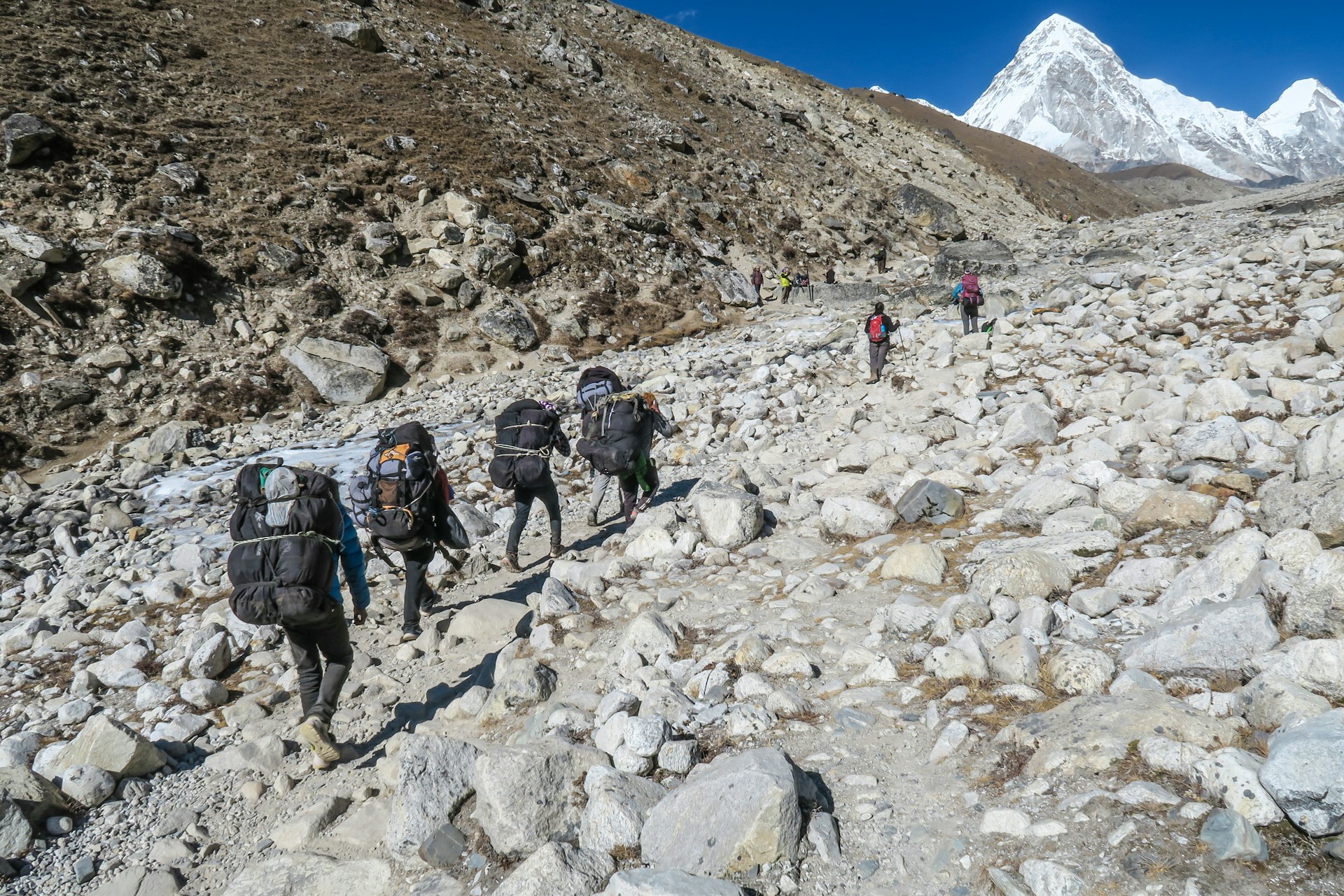
One of the most prevalent and dangerous illnesses on Everest is altitude sickness. The air gets thinner and there is less oxygen as climbers move higher. This makes it hard for the body to function properly. Many climbers start to feel symptoms like headaches, dizziness, nausea, and shortness of breath.
If you don’t treat altitude sickness quickly, it can get worse. It can cause serious health problems, like fluid building up in the lungs or brain. This is why climbers require time to acclimatize, which means they slowly get used to being at greater elevations.
Altitude sickness can happen to anyone, no matter how fit they are, even if they plan beforehand. It can make climbers have to turn back before they reach the top. That’s why it’s so vital to take breaks, drink water, and go at a slow pace during the climb.
2. Extreme Weather Conditions
The weather on Mount Everest is exceedingly bad and hard to anticipate. It can change at any time without warning. Climbers often have to deal with frigid conditions, high gusts, and a lot of snow. It can be quite hard to stay alive when temperatures drop below -30°C at higher altitudes.
Strong winds, sometimes more than 100 km/h, can knock climbers off balance and make it hard to move. It can be hard to see in snowstorms, which makes it easy to miss the track. These conditions can make climbs take longer and make accidents more likely.
Because of this, climbers must wait for a short “weather window” when conditions are safer. Even then, they must stay alert and prepared. Proper clothing, equipment, and timing are key to surviving Everest’s extreme weather.
3. Avalanches and Icefall Hazards
One of the worst things that may happen on Everest is an avalanche. They occur when a lot of snow and ice unexpectedly slide down the mountain. These incidents happen quickly and with a lot of force, making it hard to get away.
The Khumbu Icefall is a particularly risky area. It is filled with moving ice blocks and deep cracks. Ice can fall without warning, and the ground is always shifting. Climbers must cross this area carefully using ladders and ropes.
These areas are dangerous for even experienced climbers. Avalanches can hurt or capture climbers and ruin camps. That’s why guides carefully pick safe times to go through difficult places, which is usually early in the morning when the weather is more steady.
4. Crevasses and Falling Rocks
Crevasses are deep fractures in glaciers that are often covered by snow. They can be quite dangerous since climbers can not see them until it’s too late. If you fall into a chasm, you could get hurt badly or possibly die.
To stay safe, climbers use ropes and travel in groups. This way, if someone falls, others can help pull them out. However, crossing crevasses still requires skill and focus.
Another danger is falling rocks, which are more likely to happen in steep, open regions. When ice melts or moves, rocks might get loose and fall down the mountain. Wearing helmets and moving carefully can help lower this risk, but it is always there.
5. Physical Exhaustion and Fatigue
It takes a lot of mental and physical stamina to climb Everest. The trip takes a long time, usually weeks. People who climb must carry heavy gear and hike for many hours every day.
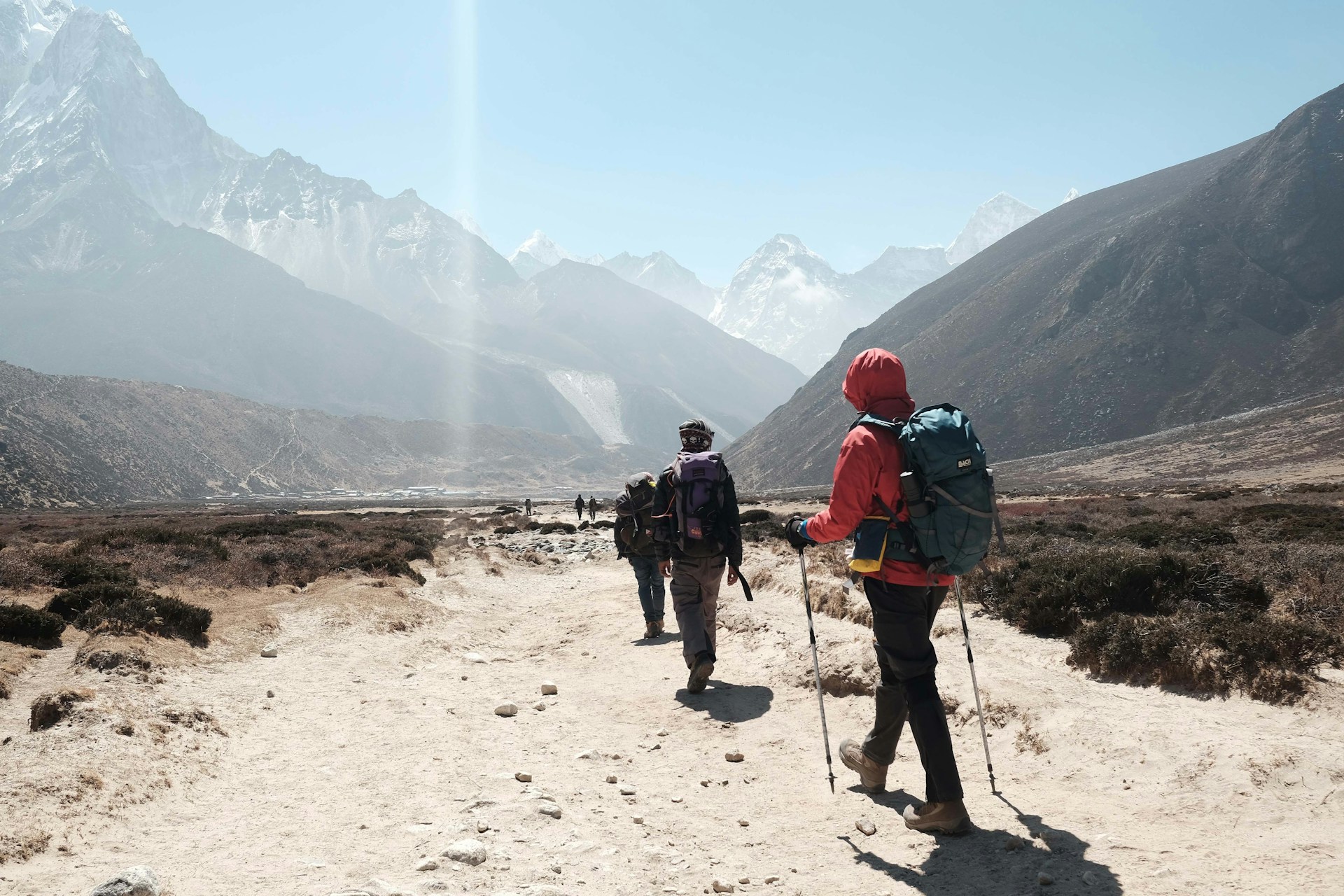
At high altitude, even small movements feel tiring because of low oxygen levels. This leads to extreme fatigue, which can slow down progress and increase the chance of mistakes.
Fatigue also affects decision-making. Tired climbers may take risks or fail to notice dangers around them. That is why rest, proper nutrition, and pacing are very important. Staying strong and focused is key to safely completing the climb.
Safety Measures Taken by Climbers
Climbers take many important safety measures to reduce risks while climbing Mount Everest. These steps help them stay safe in a place that is very harsh and dangerous. To climb safely and successfully, you need to plan, train, and work together.
One of the most important safety steps is acclimatization. Climbers spend several days or weeks slowly moving higher to help their bodies adjust to low oxygen levels. This reduces the risk of altitude sickness and keeps them stronger during the climb.
Climbers also rely on experienced guides and Sherpas. These experts know the mountain well and help with route planning, carrying loads, and setting up ropes. Their knowledge greatly improves safety.
Here are some common safety measures climbers follow:
- Using oxygen tanks at high altitudes to make it easier to breathe
- Putting on the right gear, like warm clothes, helmets, and crampons
- Following fixed ropes for safe movement on steep and icy sections
- Checking the weather to make sure it’s safe to climb
- Bringing along things like first aid kits and communication equipment for emergencies
Another key step is climbing as part of a team. Team members support each other and watch for signs of danger or illness. Regular health checks are also done during the journey.
By following these safety measures, climbers can reduce risks and improve their chances of reaching the summit safely.
Who Can Climb Mount Everest?
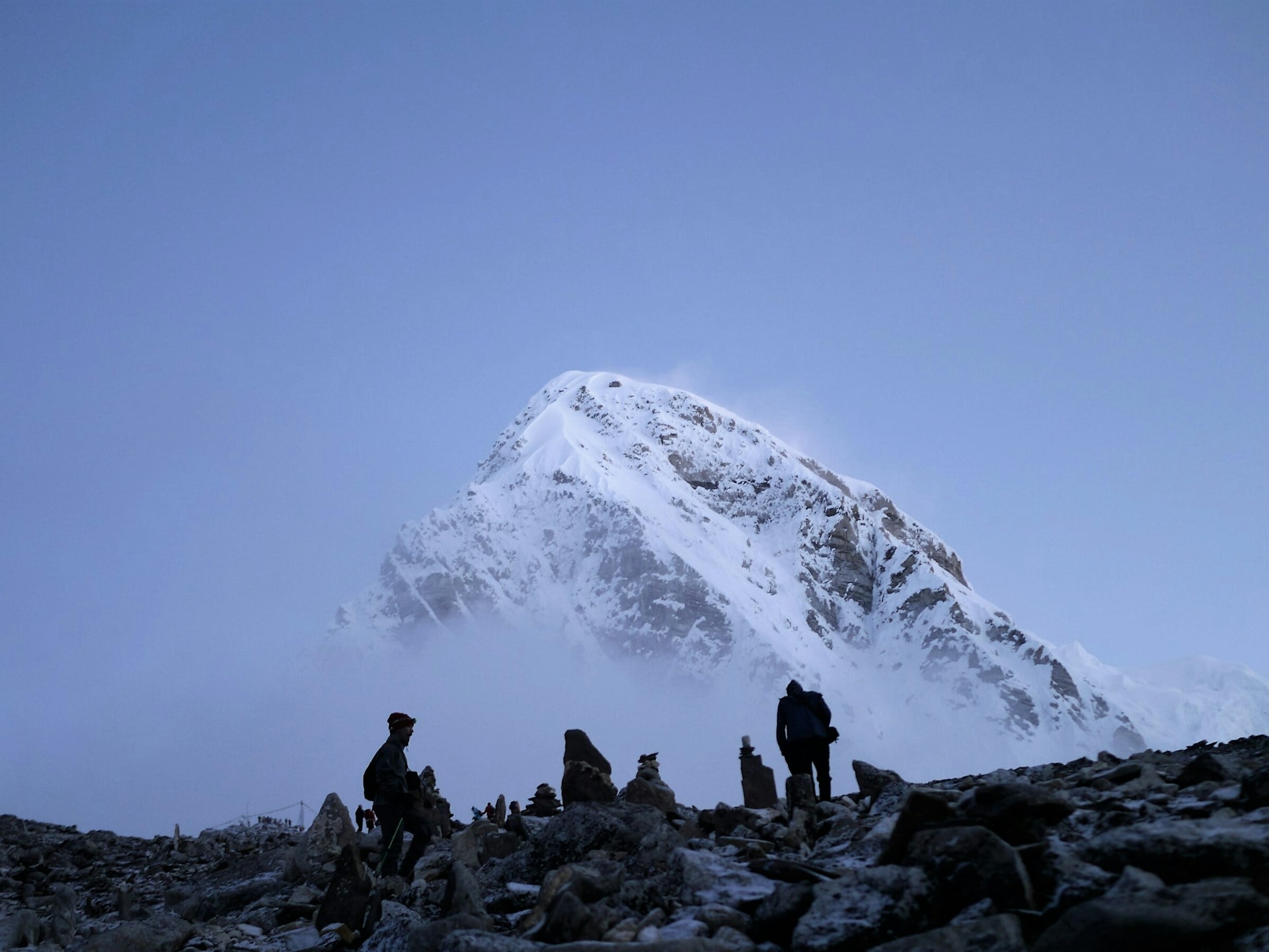
Climbing Mount Everest is not for everyone. It is a very hard and risky journey that requires strong physical fitness, mental strength, and proper experience.
First, climbers need to be in good shape. They need to have strong legs, a lot of energy, and be able to walk for hours every day. Training usually lasts for several months or even more and includes hiking, running, and strength workouts.
Second, previous trekking or climbing experience is very important. Most climbers have already completed high-altitude treks or climbed smaller mountains. This helps them understand how their body reacts to low oxygen and cold weather.
Here are the key requirements for climbing Everest:
- Age and health: Climbers should be healthy and usually over 18 years old.
- Climbing experience: It’s highly advised if you have climbed at high altitudes or on mountains before.
- Mental strength: Ability to stay calm and focused in difficult situations
- Financial ability: Everest expeditions are very expensive
- Team support: Joining a guided expedition with experienced trekking agencies like Skyline Treks for more safety and support.
Climbers also need proper permits and must follow safety rules set by the government. Without these, climbing is not allowed.
Cost of Climbing Mount Everest
Climbing Mount Everest is one of the most expensive and logistically complex mountaineering goals in the world. The entire cost of an Everest expedition can vary a lot depending on the level of assistance, permits, gear, and services chosen. However, it’s crucial to prepare properly because even the simplest climbs can be very expensive.
On average, climbers heading to Everest in 2026 can expect to pay between about $33,590 and $129,995 for a full expedition. The median cost for standard climbs is around $54,995 to $61,267, with higher prices for luxury or fully guided expeditions.
Key Cost Components Include:
- Climbing Permit: The government of Nepal now charges about $15,000 per climber for the spring season permit via the south side route — this is a major fixed cost.
- Guides and Sherpa Support: Most expedition packages come with Sherpa guides and staff to help with safety, setting up camp, and fixing ropes.
- Gear and Supplies: High‑altitude clothing, technical equipment, and supplemental oxygen add $7,000–$15,000+ depending on quality and quantity.
- Travel and Logistics: Flights to Nepal (international), domestic flights (often to Lukla or other access points), ground transport, base camp support, and food.
- Insurance and Emergencies: Travel and medical evacuation insurance for high-altitude trips are highly recommended and add to the total cost.
Basic Sherpa‑led expeditions can start around $33,000–$45,000, while mid‑range guided climbs typically cost $50,000–$60,000 or more. Premium or luxury expeditions with extra support and comforts often exceed $100,000.
Because costs vary so much, climbers should carefully compare what is included in a package and work with experienced agencies when planning their Everest climb.
Best Time to Climb Mount Everest
The best time to climb Mount Everest is during short periods when the weather is more stable and safe. These periods are called “climbing seasons.”
Choosing the right time is very important because weather on Everest can be extremely dangerous.
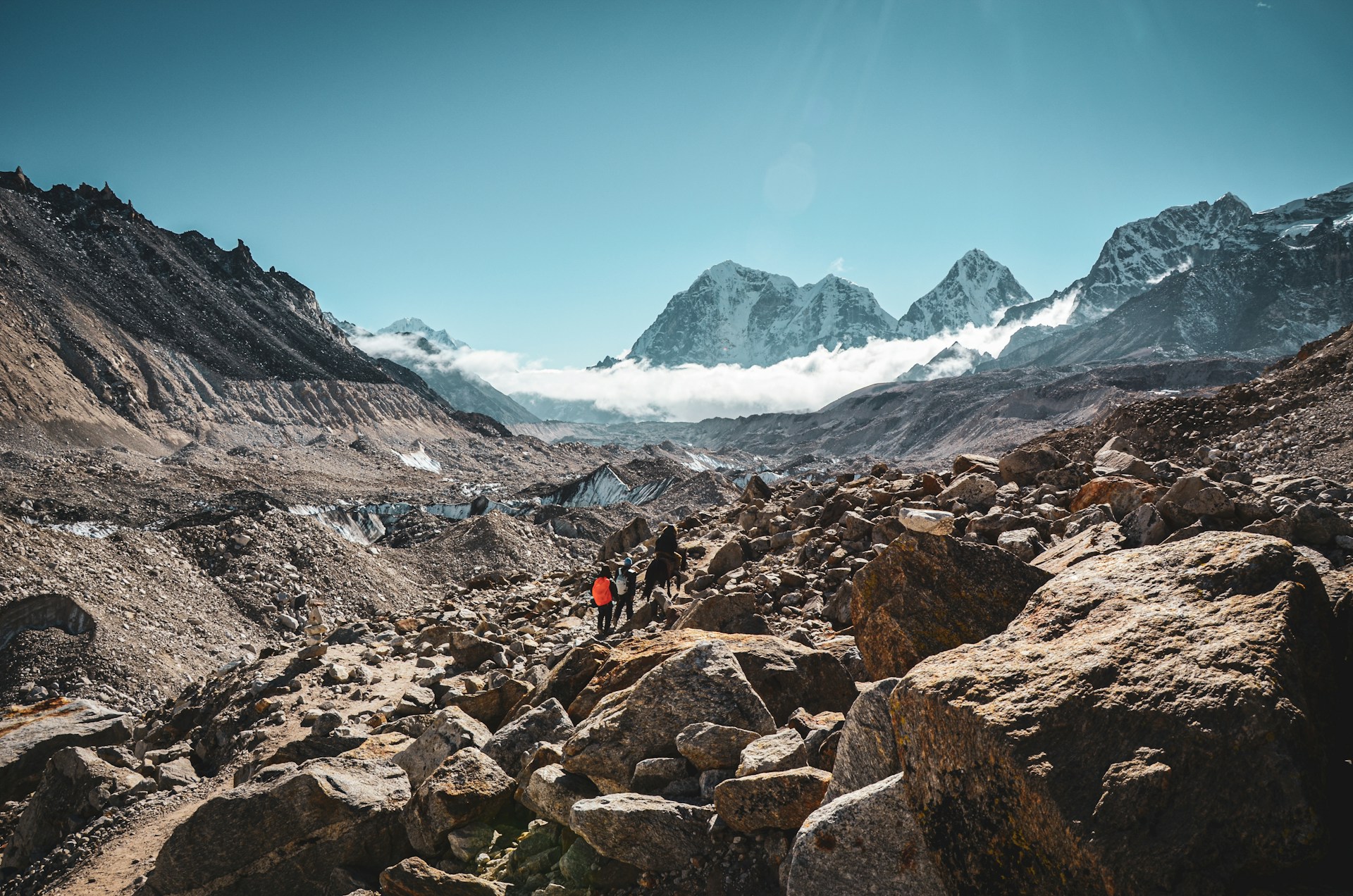
There are two main climbing seasons:
- Spring Season (April to May)
This is the most popular and safest time to climb Everest. In the spring, the weather is more consistent and the temperatures are a little warmer than in the winter. Snow conditions are also better, making it easier to walk on the mountain.
Most climbers aim to reach the summit in May. This is when a short “weather window” opens, with lower wind speeds and clearer skies. Because of these better conditions, many expeditions are planned during this time.
- Autumn Season (September to October)
Autumn is another possible time to climb, but it is less common. After the monsoon season ends, the skies become clear, and visibility is good. However, the snow can be less stable, and there are fewer support teams on the mountain.
Seasons to Avoid:
- Winter (November to February): Extremely cold temperatures and strong winds make climbing very dangerous
- Monsoon (June to August): Heavy rain, snow, and low visibility make things like avalanches more likely.
In simple words, spring is the best and most preferred time to climb Mount Everest. Choosing the right season helps climbers stay safer and improves their chances of success.
Conclusion – Is Everest Worth the Challenge?
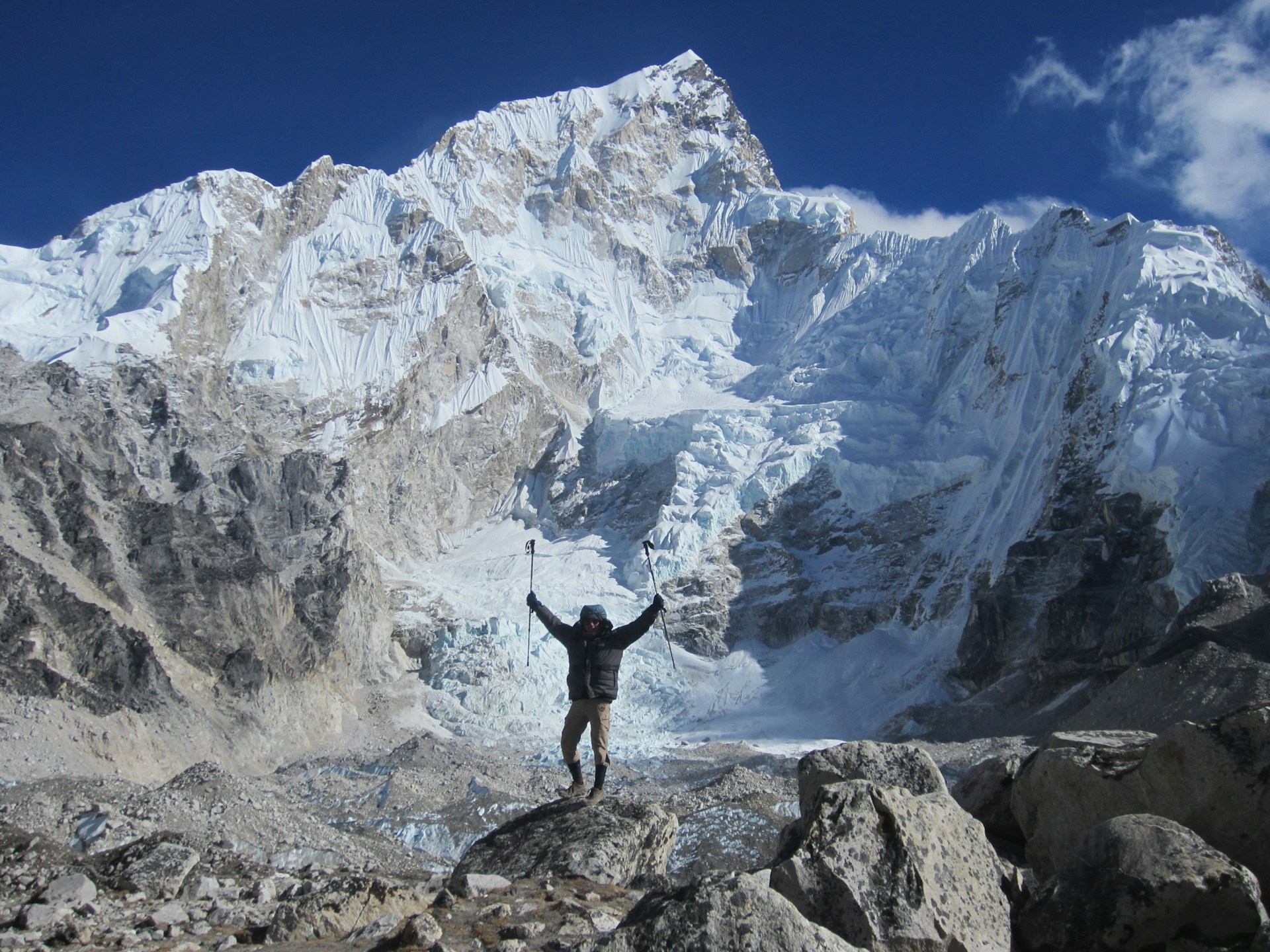
Climbing Mount Everest is one of the most challenging adventures in the world. It tests your physical strength, mental endurance, and ability to handle extreme conditions. The trip is not simple at all. It includes frigid weather, thin air, avalanches, and long, tiring days. But for those who are ready, it will be a trip they will never forget.
Standing at the summit of the world’s highest peak gives a sense of achievement that is hard to match. The panoramic views of the Himalayas, the feeling of overcoming extreme obstacles, and the connection to nature at such a high altitude make every challenge worthwhile.
Even if you don’t try to reach the top, the trip to Everest Base Camp offers amazing views, opportunities to meet Sherpa villages, and chances to grow as a person.
However, it is not a decision to take lightly. Climbers must carefully consider Everest climbing difficulty, risks, and costs before attempting the climb. Proper training, planning, and support from experienced agencies like Skyline Treks are essential.
For those ready to face the physical, mental, and financial challenges, Everest expedtion is more than just a climb—it is a life-changing journey. The experience of standing on top of the world truly makes it worth every effort.