

Lo Manthang Village: History, Culture, and Ancient Kingdom Insights
Introduction to Lo Manthang Village
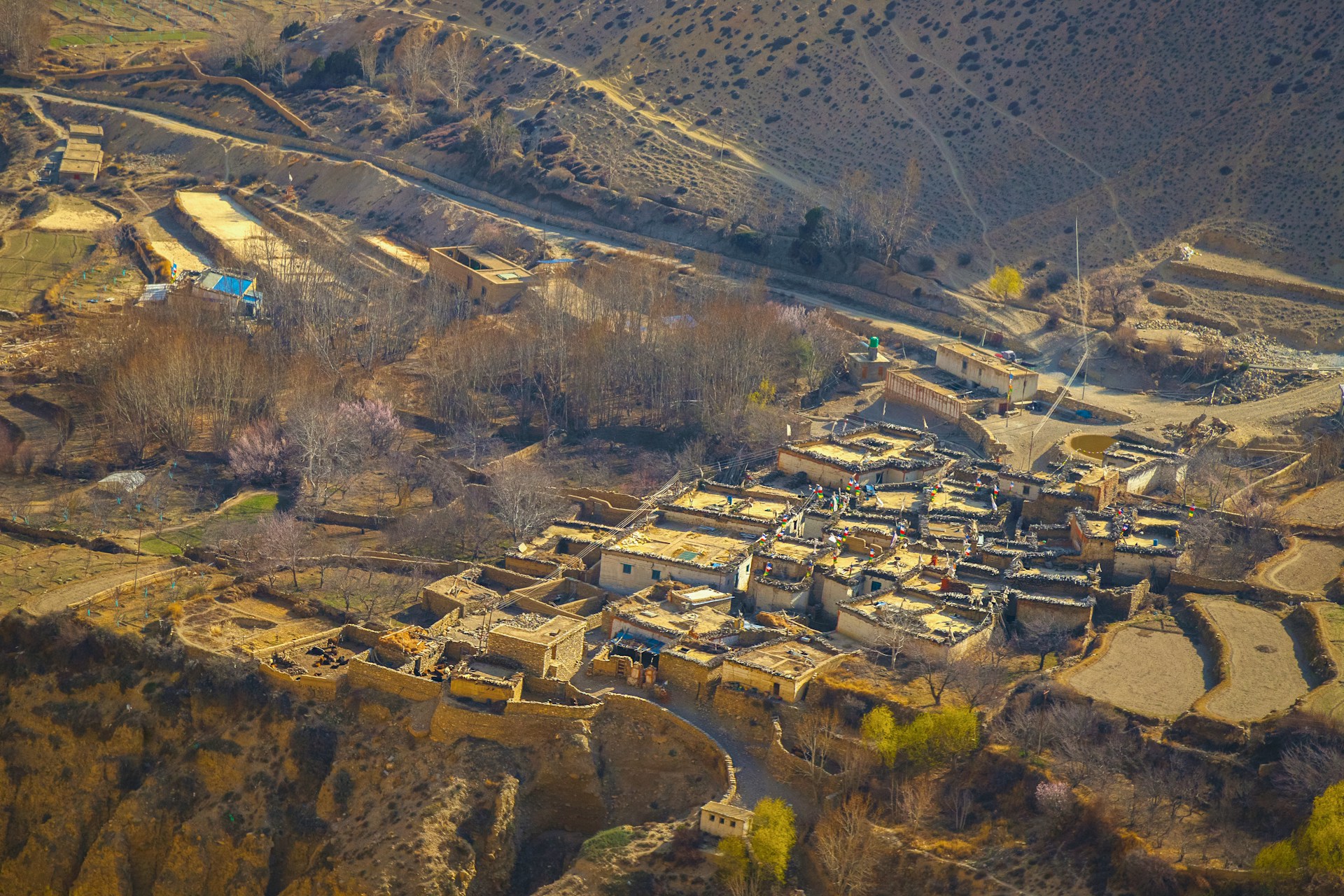
Lo Manthang Village is a small, ancient town high in the mountains of Nepal. It sits in the Upper Mustang region and was once the heart of the Mustang ancient kingdom. The village has been there for hundreds of years, and the white stone buildings, narrow walkways, and historic forts make it feel like a place that hasn’t changed in a long time. People in Lo Manthang are quite traditional, and you can witness a lot of Tibetan culture in their homes, costumes, and everyday life.
This quiet village is one of the highest settled places in Nepal, and the altitude of Lo Manthang brings cool air and wide views of the dry, desert‑like landscape around it. Lo Manthang is different from other towns in Nepal since it has retained a lot of its unique culture and history.
If you are planning an Upper Mustang trekking route, Lo Manthang Village is the most important stop, and exploring it is a highlight of the journey.
Where Is Lo Manthang Located?
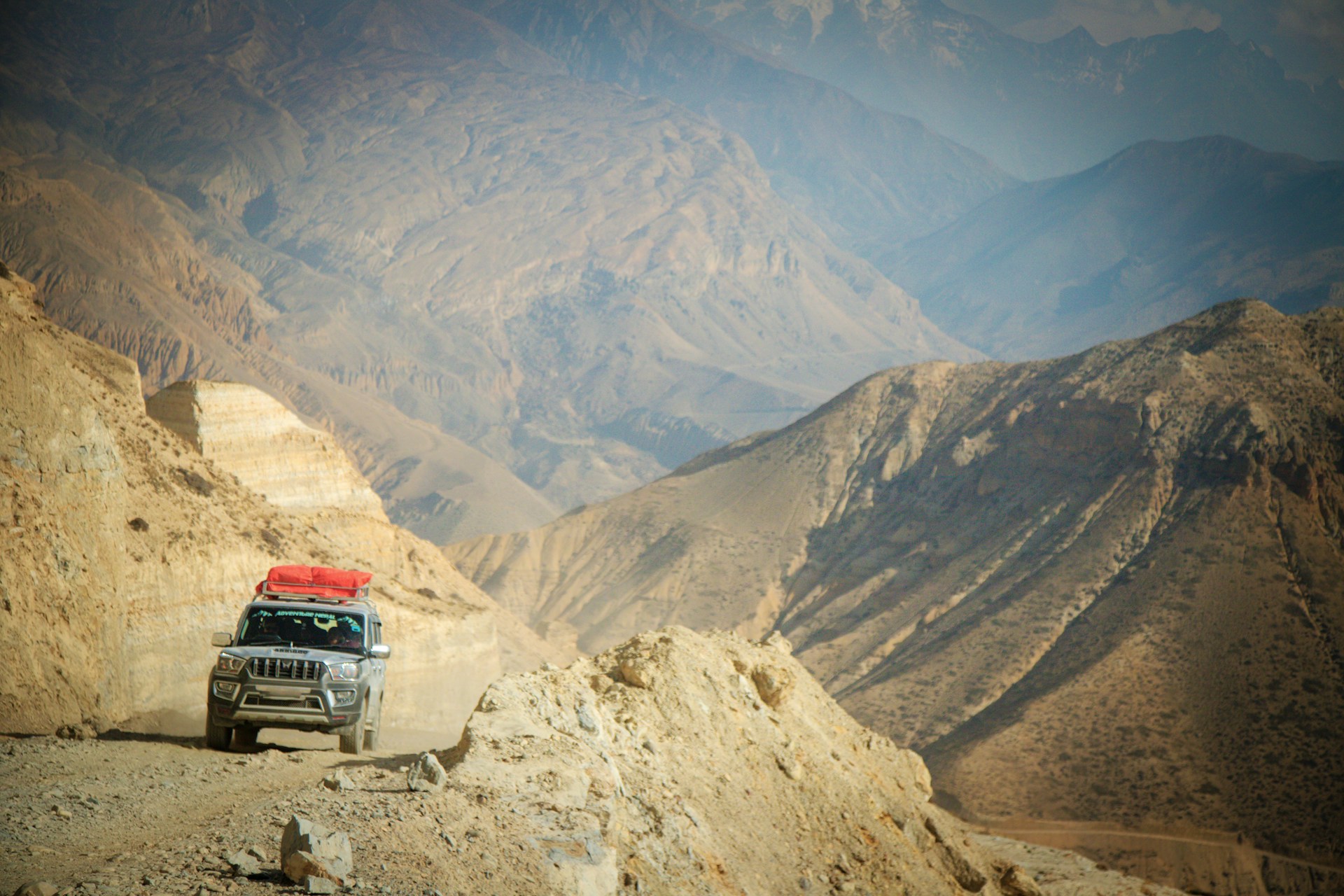
Lo Manthang is a small, ancient village located in the Upper Mustang region of Nepal. It lies in a remote part of the country, near the northern border with Tibet, China, and is part of the Mustang District. The village sits in an arid, desert-like valley with red cliffs and tall mountains all around it. This makes the environment significantly different from other places of Nepal.
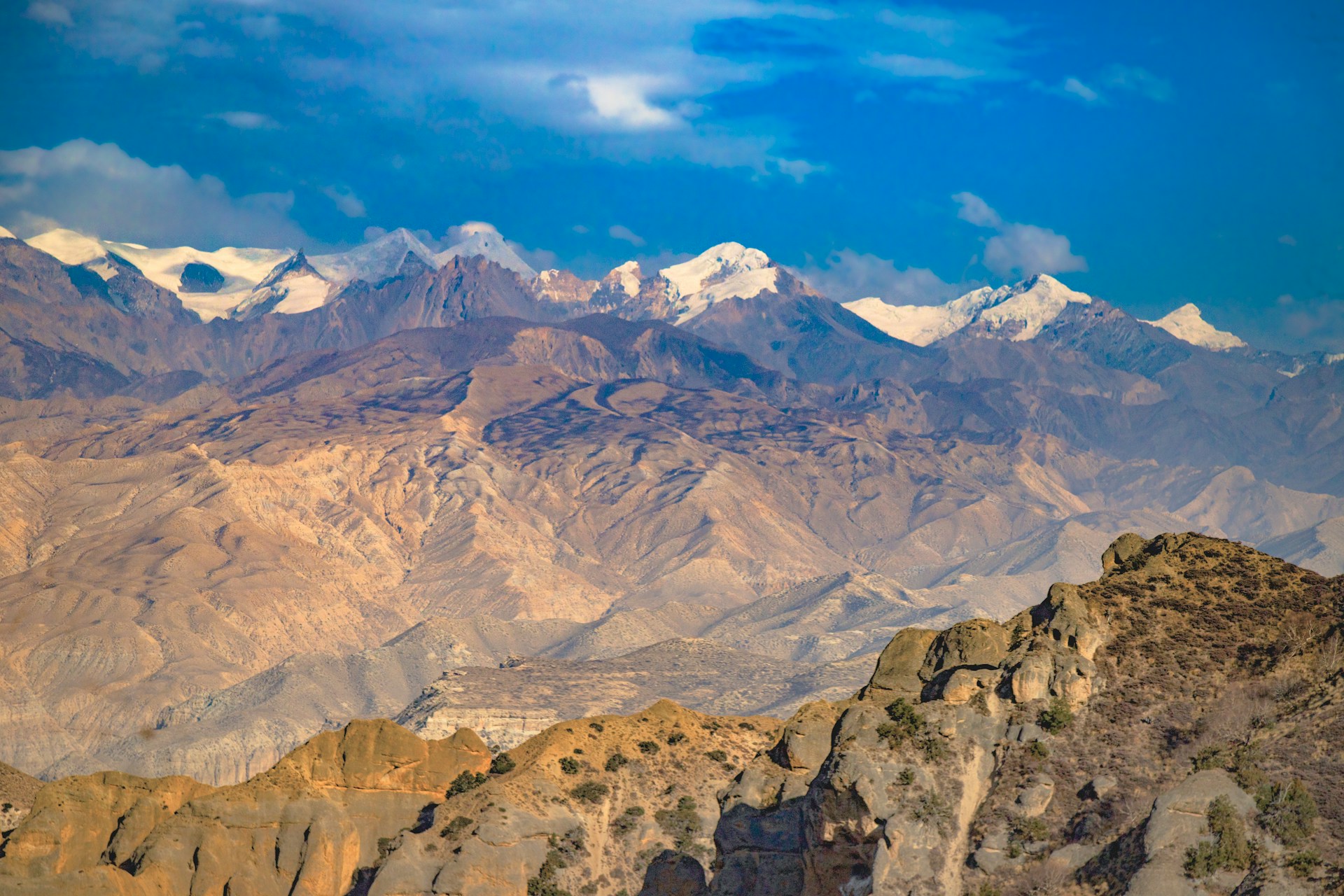
The altitude of Lo Manthang is about 3,800 meters (12,500 feet) above sea level. This high location lets trekkers see a lot of the valleys, rocks, and distant Himalayan peaks that are nearby. The village of Lo Manthang is also known as the walled city since it has been protected by stone walls for hundreds of years.
Because it is part of a restricted area, access to Lo Manthang is limited, and travelers must get special permits to visit. Because of where it is and how well it has kept its culture, it feels like a “forbidden kingdom” where life hasn’t changed much in hundreds of years.
For those planning an Upper Mustang trekking route, Lo Manthang is the cultural and historical heart of the region.
History of Lo Manthang
Lo Manthang is a unique village with a history that goes back hundreds of years. It was the capital of the Mustang Kingdom, also known as the Kingdom of Lo, which was an independent Himalayan kingdom for centuries. The village and its surrounding region have preserved their culture and traditions because of their remote location.
Key points about the history of Lo Manthang:
- Founded in the 15th Century – Lo Manthang was founded in the 15th century. King Ame Pal built it approximately 1440 AD by bringing together various lesser cities to form the Mustang Kingdom.
- Mustang Ancient Kingdom – The kingdom was small but strategically important for trade between Tibet and Nepal. It remained independent until the 18th century when it became a semi-autonomous part of Nepal.
- Walled City – The village is surrounded by old stone walls that were designed to keep invaders out. These barriers are still up today, which is what makes Lo Manthang so famous.
- Preservation of Culture – The remote location helped protect the traditional Tibetan culture, monasteries, and rituals from outside influence.
- Monasteries and Forts – Lo Manthang houses several monasteries, royal palaces, and historic caves that reflect the spiritual and political history of the region.
Today, Lo Manthang is not only a cultural treasure but also the heart of Upper Mustang trekking, offering travelers a step back in time while exploring one of Nepal’s most fascinating and remote regions.
Culture and Traditions
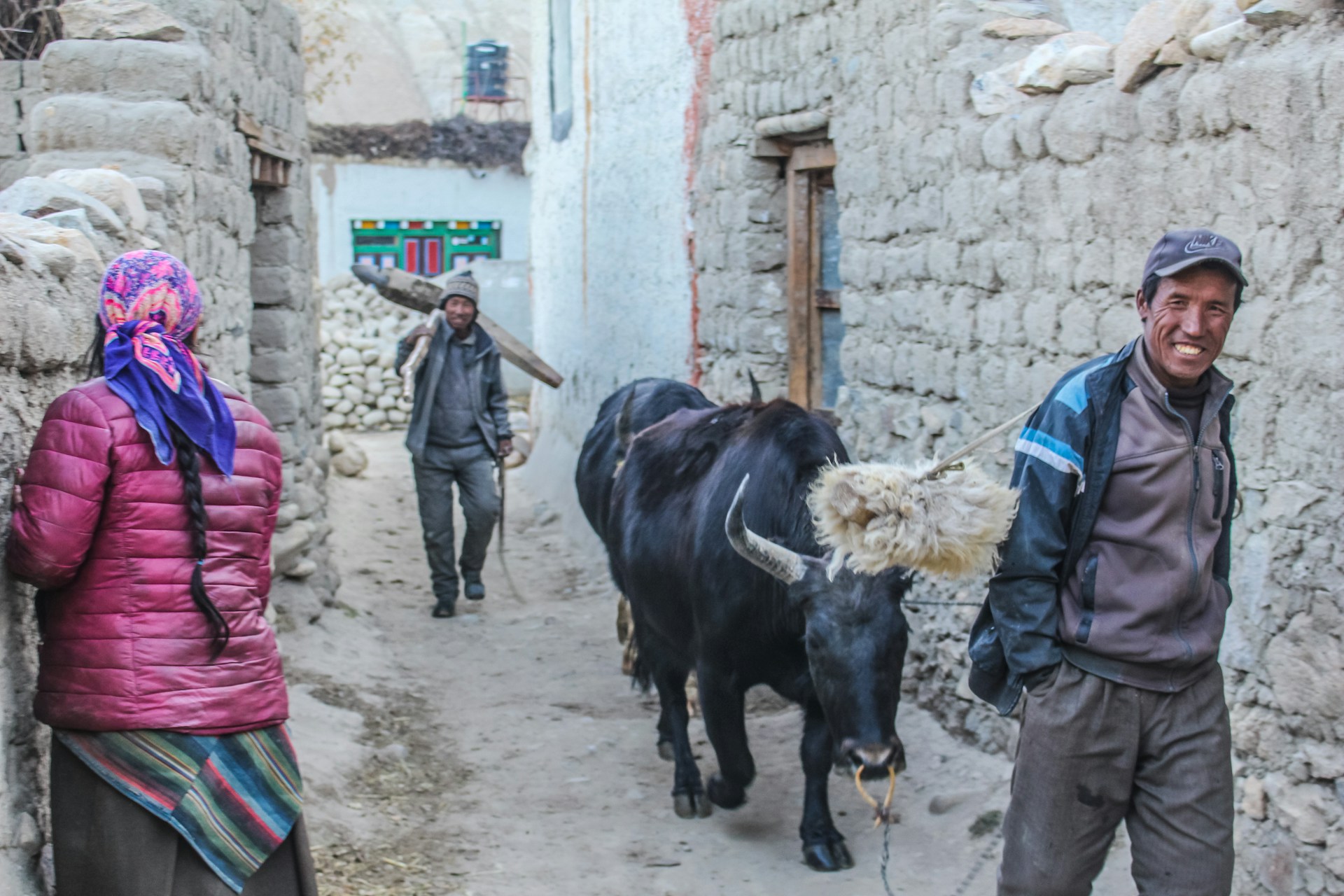
Lo Manthang Village is a living example of Tibetan culture in Nepal, where traditional customs have been preserved for centuries. Because it was so far away, the village was able to keep modern influences from changing the way people lived.
Key aspects of Lo Manthang’s culture and traditions:
- Tibetan Buddhism – Religion is very important in everyday living. Villagers practice Tibetan Buddhism, and there are gompas (monasteries), prayer wheels, and mani walls all across the village.
- Festivals – Annual festivals like the Tiji Festival Lo Manthang are major cultural events. Tiji celebrates the victory of good over evil through masked dances, rituals, and community gatherings.
- Traditional Clothing – Men and women typically wear Tibetan-style robes called chubas. These robes have bright patterns that show where they come from.
- Architecture – Houses are built from stone and mud with flat roofs and small windows, designed for the harsh mountain climate and to preserve ancestral building techniques.
- Daily Life and Community – The villagers’ daily lives have been formed by farming, herding animals, and trading. Families live near to each other, share duties, and keep strong links with their neighbors.
- Art and Handicrafts – Monasteries, wall paintings, and handmade items reflect centuries of artistic skill and religious devotion.
Lo Manthang’s culture and traditions make it a fascinating destination for travelers. Experiencing the local lifestyle, rituals, and festivals adds depth to Upper Mustang trekking, turning a scenic adventure into a rich cultural journey.
Architecture and Ancient Kingdom Insights
Lo Manthang is not only culturally rich but also architecturally unique. The village reflects the heritage of the Mustang ancient kingdom, preserving buildings and structures that have stood for hundreds of years. The way it was built shows how the people adapted to the hard mountain environment while still showing their customs and values.
Key points about Lo Manthang’s architecture and kingdom insights:
- Walled City – Lo Manthang is a walled city with old stone walls around it. The settlement has its famous look because these walls have been there for hundreds of years and were designed to keep intruders out of the kingdom.
- Royal Palace – The historic palace of the Mustang rulers stands in the middle of the village. It was the political and administrative center of the Kingdom of Lo, and it shows the influence of Tibetan-style buildings.
- Monasteries (Gompas) – There are many monasteries in the area that have old murals, statues, and holy writings. These monasteries were crucial for spiritual life and also helped run the government and teach people.
- Stone and Mud-Brick Houses – Most homes are made of stone and mud that may be found nearby. They have flat roofs and small windows that are meant to keep out strong winds and cold weather.
- Strategic Layout – Narrow alleys, high walls, and clustered homes show how urban planning balanced security, community, and religion in the ancient kingdom.
The architecture of Lo Manthang gives tourists a glimpse into the past and helps them comprehend the daily life, beliefs, and government of a kingdom that stayed mostly cut off from the rest of the world for hundreds of years. One of the best things about trekking in Upper Mustang is seeing these buildings.
Trekking to Lo Manthang
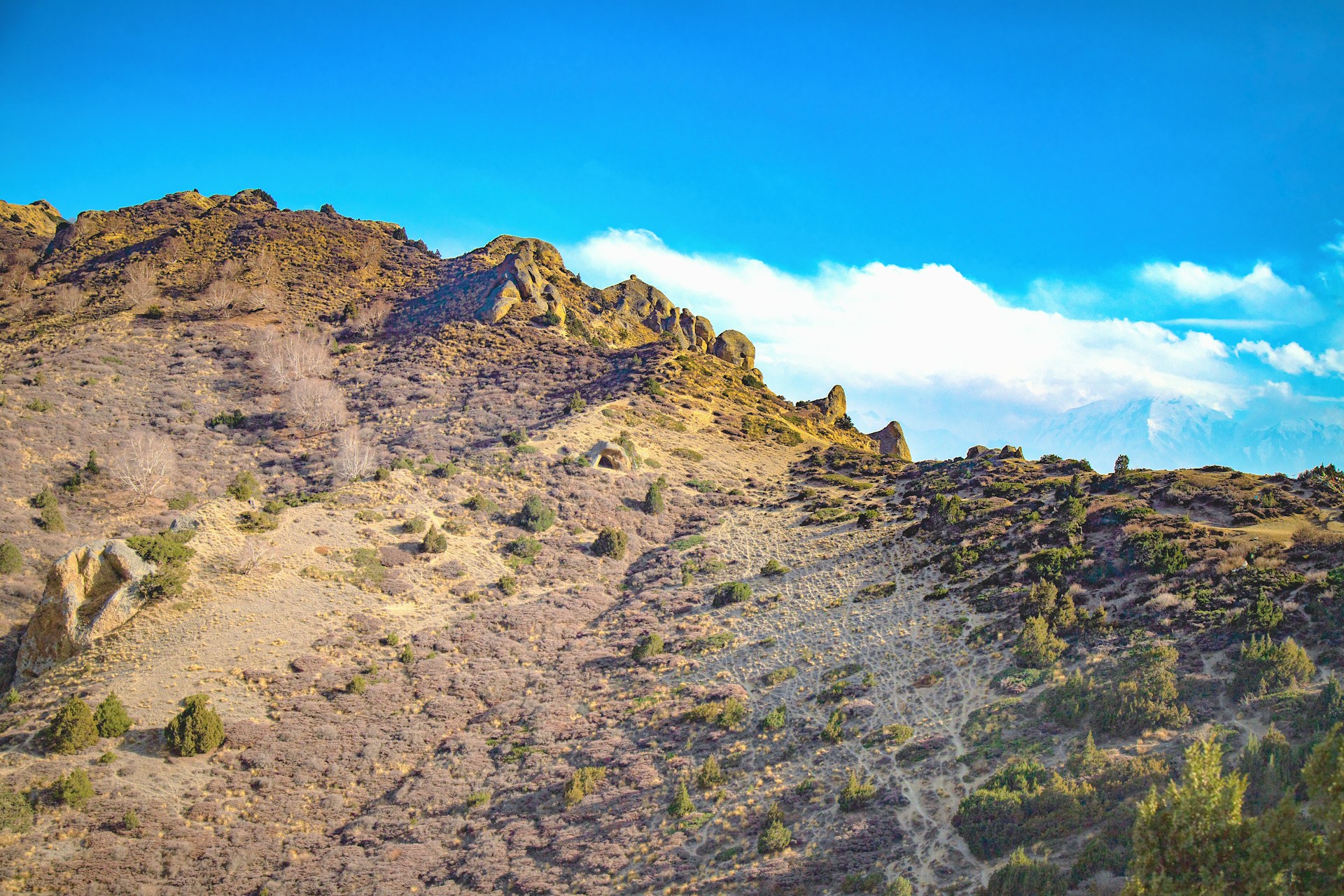
Trekking to Lo Manthang Village is one of the most unique adventures in Nepal. Located in the Upper Mustang region, the trek takes you through a landscape that is often called the “desert in Nepal” because of its dry valleys, red cliffs, and wide-open skies. Unlike many other Himalayan treks, Upper Mustang is a restricted area, which means travelers need special permits and must trek with a licensed guide.
Highlights of the trek:
- Starting Point – Most treks begin from Jomsom or Kagbeni, accessible by flight or jeep from Pokhara. The trail gradually climbs through villages, dry riverbeds, and high cliffs.
- Village Stops – Trekkers travel through many traditional villages along the way including Chhusang, Ghami, and Tsarang, each of which has Tibetan-style buildings and local culture.
- Altitude – The trek goes up to around 3,800 meters (12,500 feet) to Lo Manthang. This lets your body get used to the higher altitude as you enjoy the beautiful views.
- Monasteries and Cultural Sites – The path goes by old gompas, mani walls, and caverns where old customs are still practiced.
- Lo Manthang Arrival – Reaching Lo Manthang is the highlight. Here, you can explore the walled city, royal palace, and local festivals like the Tiji Festival Lo Manthang, which showcase the village’s rich history and culture.
The trek is considered moderate to challenging, with 5–7 hours of walking per day. The dry climate makes trails stable, but travelers must be prepared for high altitude, sun exposure, and cool nights.
If you plan your trip with a reliable company like Skyline Treks, you’ll have guides, porters, permits, and a place to stay, which will make the trip safe, comfortable, and unforgettable.
Trekking to Lo Manthang is more than a hike—it is a journey through living history, culture, and extraordinary landscapes.
Best Time to Visit Lo Manthang
Visiting Lo Manthang Village is a unique experience, and choosing the right time can make your trip even more enjoyable. Lo Manthang is located in Upper Mustang, a dry and high-altitude region that experiences very little rainfall compared to other parts of Nepal. Most of the time, the weather is clear, so you can hike virtually all year. However, some times of year are preferable for comfort, scenery, and cultural experiences.
Spring (March to May)
- One of the greatest times to visit is in the spring. During the day, the weather is warm, while at night, it is cool.
- The sky is clear, so you can see the red cliffs, arid valleys, and Himalayan peaks very well.
- Villages and surrounding fields show blooming flowers, adding color to the dry landscape.
Autumn (September to November)
- Autumn is also ideal. After the monsoon, the air is clean, and visibility is perfect for photography and sightseeing.
- The weather is nice, and the conditions for trekking are stable.
- Autumn often coincides with festivals like the Tiji Festival Lo Manthang, offering rich cultural experiences.
Winter (December to February)
- Winter is quieter with fewer tourists.
- During the day, the weather is cool, but at night it can get very cold, occasionally below −10°C.
- Trails are less crowded, but you need to wear the right clothes for winter.
Summer/Monsoon (June to August)
- The monsoon season is warmer, but Upper Mustang receives minimal rainfall.
- Most of the trails are dry, but some parts may be dusty or slick.
- There are less tourists, which makes it more private, but it may be harder to see.
The best times to visit Lo Manthang are spring and autumn, offering stable weather, clear skies, and vibrant cultural experiences.
Visitor Tips for Lo Manthang
Visiting Lo Manthang Village in Upper Mustang is a once-in-a-lifetime experience. Its remote location, high altitude, and unique culture require some preparation.
Here are practical tips to make your trip safe, comfortable, and enjoyable:
- Permits Are Mandatory – Lo Manthang is in a restricted area. Travelers must obtain Restricted Area Permits (RAP) and Annapurna Conservation Area Permits (ACAP) through a registered trekking agency. Solo trekking is not allowed.
- Hire a Licensed Guide – Guides are necessary for safety, finding your way, and learning about the culture. They aid with getting permissions, talking to people in the area, and learning about customs.
- Prepare for High Altitude – Lo Manthang is about 3,800 meters (12,500 ft) above sea level. Give yourself a few days to get used to the altitude, drink a lot of water, and watch for signs of altitude sickness.
- Pack Wisely – Bring warm clothing, a hat, sunscreen, sunglasses, and sturdy trekking boots. Nights can be very cold even in summer, and sun exposure is strong at high altitude.
- Respect Local Culture – Lo Manthang keeps Tibetan Buddhist traditions alive. Always ask before you take pictures, dress modestly, and observe the rules of the monastery.
- Cash and Supplies – Drink a lot of water and eat well. Teahouses serve basic meals. Bring water purification pills and snacks with a lot of energy for the hike.
- Stay Hydrated and Eat Well – Teahouses offer simple meals. Carry water purification tablets and high-energy snacks for the trek.
- Plan with Experienced Agencies – Trekking with a reliable agency like Skyline Treks ensures permits, accommodation, transport, and guides are arranged, allowing you to enjoy the journey stress-free.
Following these tips will help visitors experience Lo Manthang Village safely, comfortably, and with full appreciation of its culture, history, and stunning landscape.
Conclusion – Why Lo Manthang Should Be on Your Bucket List
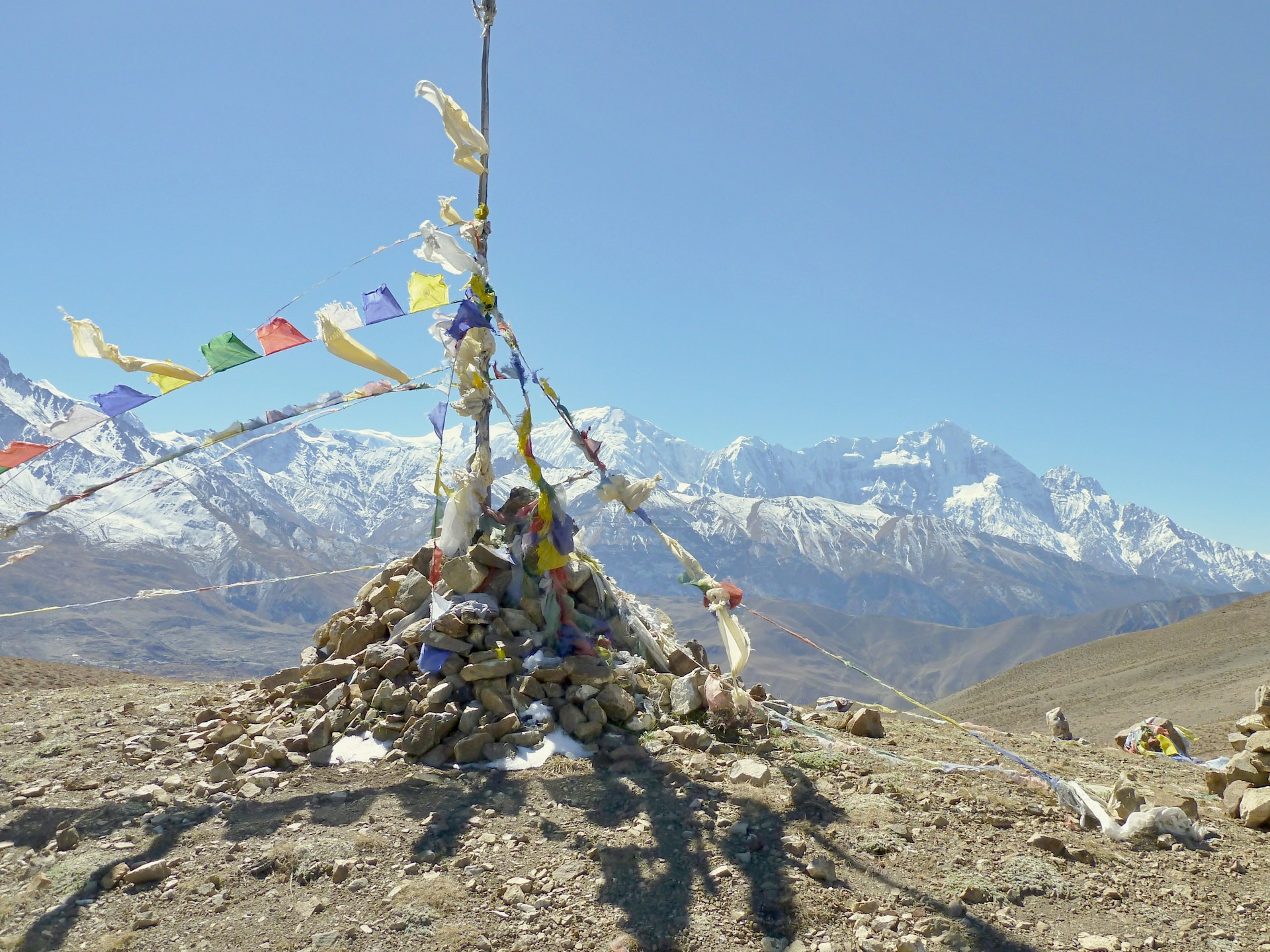
Lo Manthang Village is a truly unique destination that offers a combination of stunning landscapes, rich history, and vibrant culture. Nestled in the Upper Mustang region, this walled city feels like a step back in time, where centuries-old traditions are still alive. Travelers may get a close look at Tibetan culture in Nepal by walking through its tiny streets, seeing monasteries, and seeing local events like the Tiji Festival Lo Manthang.
The village’s architecture, royal palace, and surrounding desert-like valleys create a setting unlike any other in the Himalayas. Trekkers also enjoy moderate challenges, gradual altitude gains, and breathtaking views along the way, making the journey both rewarding and memorable.
For those seeking adventure combined with cultural discovery, Lo Manthang is more than a destination—it is an experience. With careful planning, proper permits, and guidance from a trusted agency like Skyline Treks, visiting Lo Manthang becomes safe, comfortable, and unforgettable.
If you want a trek that offers history, culture, and extraordinary landscapes, Lo Manthang should be at the top of your travel bucket list.