

Pumori Expedition in Nepal: 2026 Complete Climbing Guide
Introduction to the Pumori Expedition in Nepal
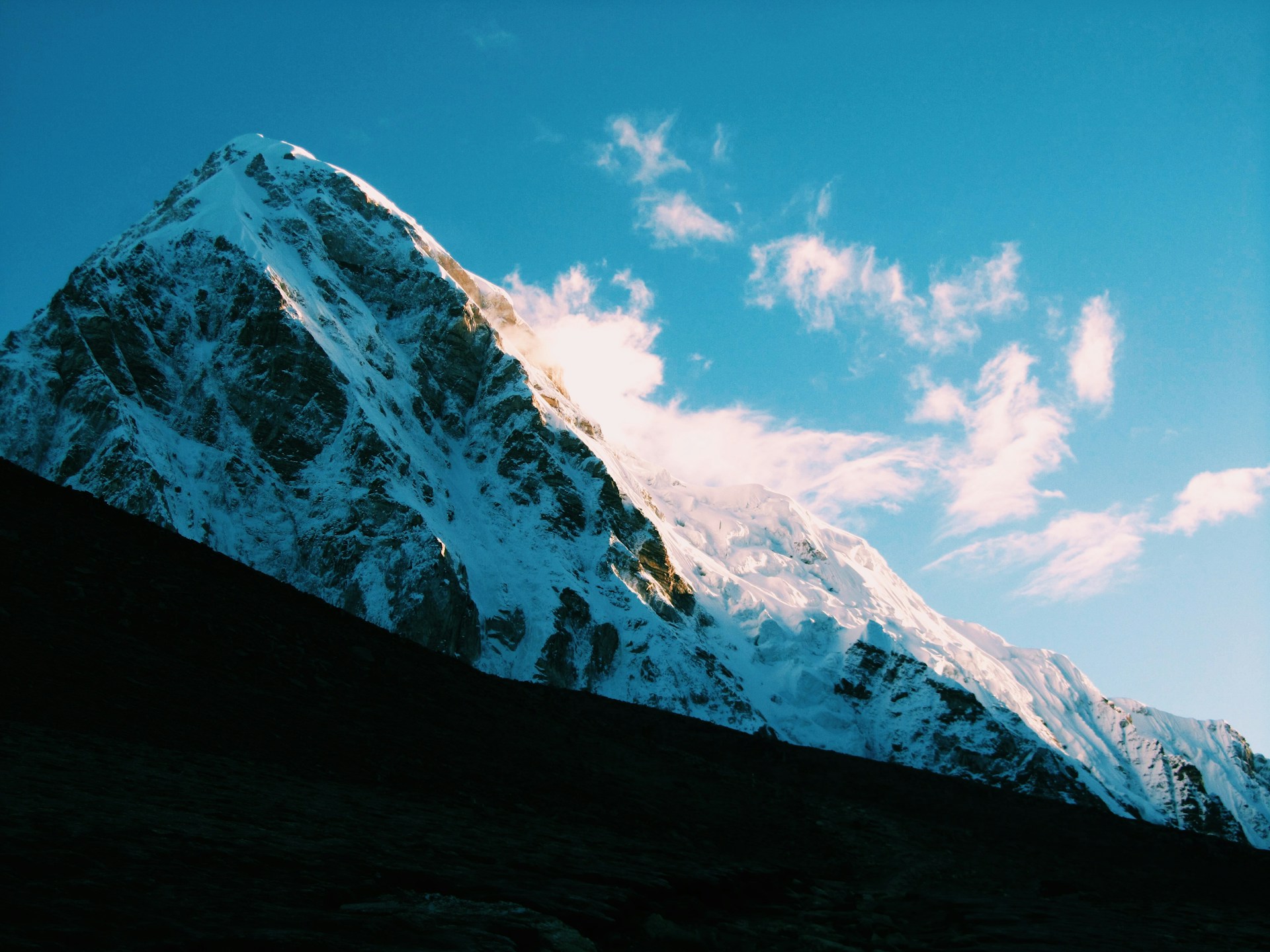
The Pumori Expedition is a challenging and exciting mountain climb in the Everest region of Nepal. Mount Pumori stands at about 7,161 meters and is located near Mount Everest. It is one of the more technical peaks in the area because of its sharp ridges and snowy slopes. A lot of climbers pick this trip to test their skills and get experience climbing at high altitudes.
The mountain lies close to the Khumbu Glacier and offers amazing views of Everest, Lhotse, and Nuptse. A Mount Pumori Expedition in Nepal is best suited for experienced climbers who are comfortable with ice, snow, and steep terrain. Along the way to the mountain, you will also see beautiful Himalayan landscapes and well-known Sherpa villages.
Climbing Pumori is not just about reaching the summit. It is also about learning patience, building strength, and respecting the power of nature. For a safe climb, it’s very important to plan ahead, time things right, and get the right help.
In the next sections, you will learn more about routes, seasons, preparation, and costs.
If you want expert help for a safe and well-organized climb, Skyline Treks can assist you in planning your Pumori Expedition with care and experience.
Where Is Mount Pumori Located?
Mount Pumori is located in eastern Nepal, in the famous Everest region. It is located in Sagarmatha National Park, which is a protected area famous for its high mountains, glaciers, and Sherpa culture.
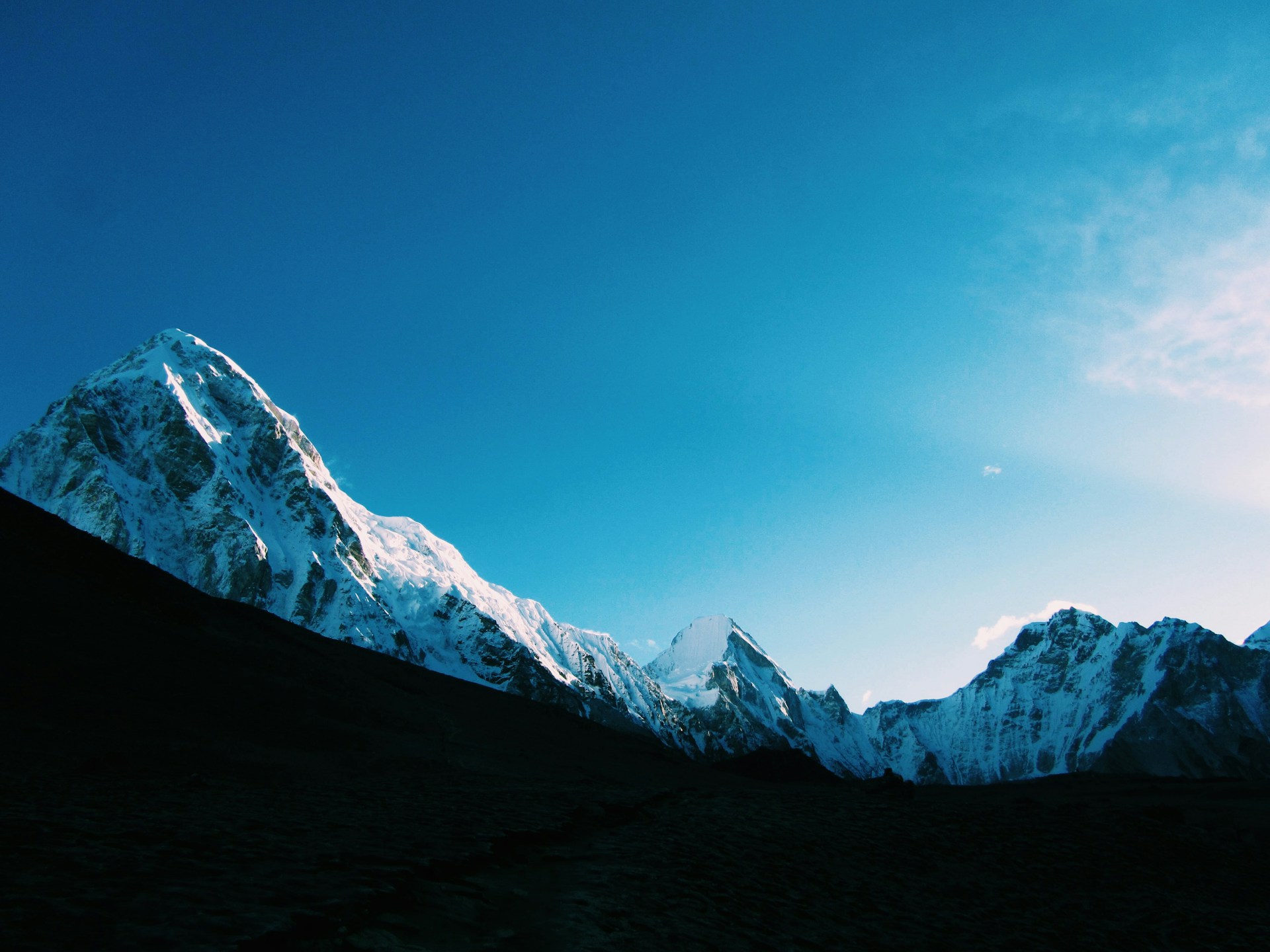
Because of its close position to Mount Everest, Pumori is often called the “daughter of Everest.”
To make the location clear and easy to understand, here are the key points:
- Country: Nepal
- Region: Everest (Khumbu) region
- Mountain range: Mahalangur Himal
- Elevation: About 7,161 meters
- Protected area: Sagarmatha National Park
Mount Pumori rises above the Khumbu Glacier, one of the largest glaciers in the Himalayas. It is located just northwest of Everest Base Camp and can be seen clearly from the popular Everest Base Camp trekking route. Many trekkers spot Mount Pumori while walking between Lobuche and Gorakshep.
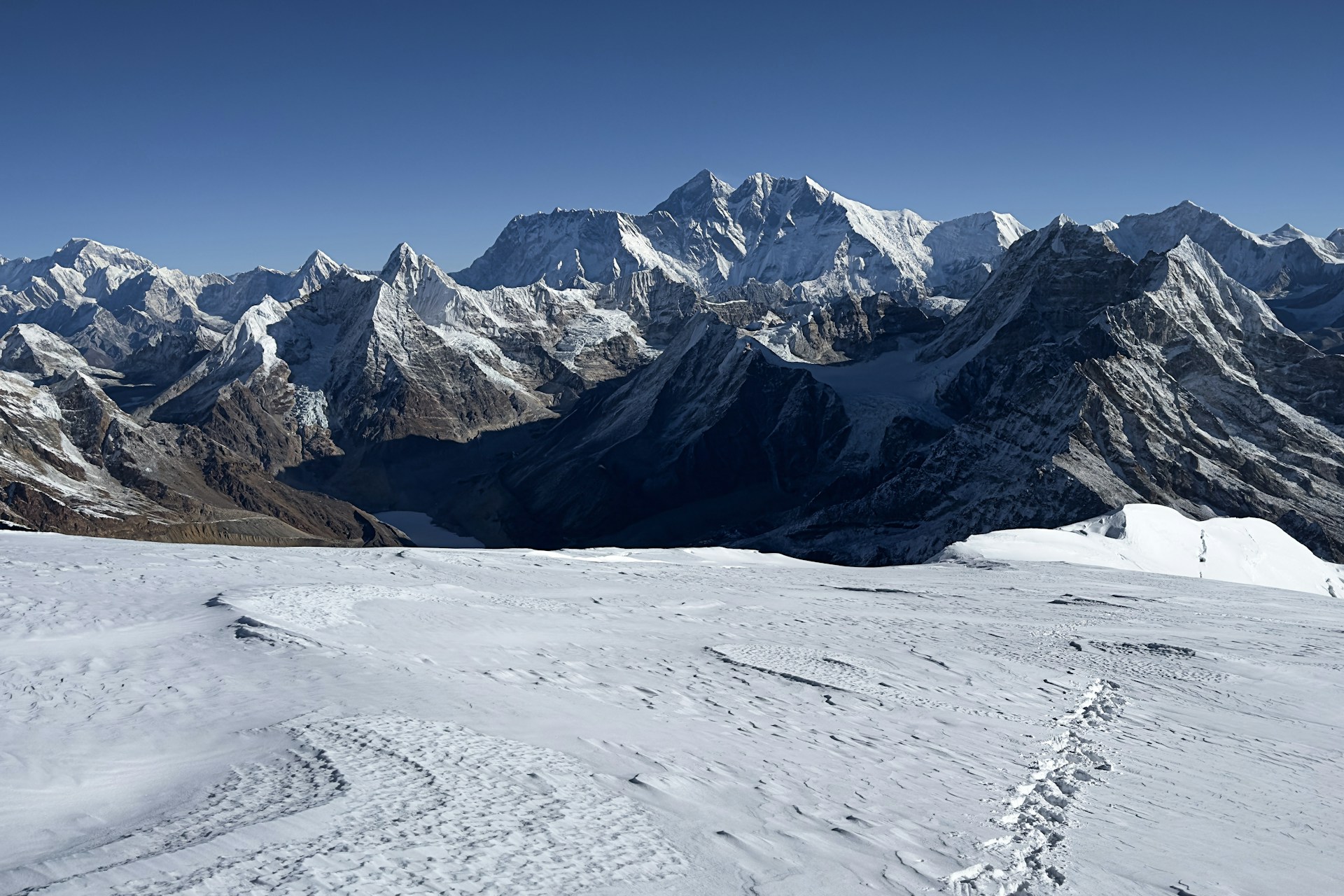
The mountain is surrounded by famous Himalayan peaks such as Everest, Lhotse, Nuptse, and Lingtren. This location offers dramatic scenery and a true high-altitude environment.
Most climbers fly from Kathmandu to Lukla to get to Mount Pumori. They walk through Sherpa villages like Namche Bazaar and Dingboche on their way to the Pumori Base Camp area. Mount Pumori is a well-known and important peak for climbing in Nepal because of where it is.
Pumori Expedition in Nepal Route Overview
The Pumori Expedition in Nepal follows a classic high-altitude route through the Everest region of Nepal. The journey combines trekking, glacier travel, and technical climbing. It is best for climbers who have done a lot of climbing and are used to snow, ice, and steep ground.
The expedition begins with a flight from Kathmandu to Lukla. From Lukla, climbers trek along the well-known Everest trail, passing through Sherpa villages such as Phakding, Namche Bazaar, and Dingboche. These days are important for getting used to the new place and resting. The trail goes on to Lobuche and Gorakshep, where you can see Mount Pumori very clearly.
From Gorakshep, climbers move toward the Pumori Base Camp, located near the Khumbu Glacier. This is where the technical part of the climb begins.
Main Route Details:
- Base Camp: Set on rocky and icy ground near the glacier
- Camp 1: Reached by crossing snowfields and glacier sections
- Camp 2: Located higher on steep snow and ice slopes
- Camp 3: Placed on a narrow ridge, used for summit push
- Summit Push: To get to the top, climbers have to go up steep ice and mixed rock sections.
The standard climbing route is via the South-East Ridge, which requires the use of fixed ropes, crampons, and ice tools. Climbers go back down through the same camps after trying to reach the top and then go back to Lukla.
This route offers stunning mountain views and a serious Himalayan mountaineering experience.
Proper acclimatization, weather monitoring, and strong support are essential for a safe and successful Pumori Expedition in Nepal.
Difficulty Level and Technical Challenges
The Pumori Expedition is considered a difficult and technical climb. It is not suitable for beginners. This trip is best for experienced climbers who are already good at climbing at high altitudes.
Overall difficulty
- Mount Pumori rises to about 7,161 meters, which means thin air and cold temperatures
- Long days at high altitudes make the climb hard on the body.
- To avoid getting sick at high altitudes, it’s very important to acclimatize properly.
Technical challenges
- Steep snow and ice slopes require good balance and strength
- There are a lot of sections with fixed ropes, and climbers need to know how to move safely on them.
- You need to know how to climb ice, especially near the upper camps.
- Some areas have a mix of ice, snow, and rock on the ground.
Glacier travel
- Climbers must cross glacier areas near base camp
- Rope travel and teamwork are necessary because crevasses can be hidden under snow.
- You need to be careful with your feet and use crampons.
Weather and exposure
- Strong winds and extreme cold increase the challenge
- Sudden weather changes can delay progress or force climbers to descend
- Wind chill makes the temperature feel much colder than it is
Mental strength
- Long days of climbing and climbing again and again between camps test your patience.
- Staying focused and calm is important for safety
In summary, the Pumori Expedition in Nepal is a serious climb that demands strong fitness, technical skills, and experience.
With the right season, good planning, and experienced guides, climbers can safely take on these challenges and have a real Himalayan mountaineering adventure.
Best Time for Pumori Expedition in 2026
Choosing the right season is very important for a safe and successful Pumori Expedition. Mount Pumori is a high and technical peak, so stable weather, good snow conditions, and safe winds matter a lot. The best times to climb Pumori in 2026 will be the same as the best times to climb in the Everest region.
Spring Season (April–May) – Best Choice
Spring is the most popular and reliable season for the Pumori Expedition.
- Weather is more stable with clearer skies
- Temperatures are cold but manageable
- Snow and ice conditions are generally firm
- Longer days of sunlight are helpful when climbing.
Most climbing teams plan their summit attempts in late April or early May. This season offers a good balance between safety and success.
Autumn Season (September–October) – Second Best Option
Autumn is another good time for climbing Pumori.
- It is common for the sky to be clear and the weather to be dry.
- Winds are usually not as strong as they are in other seasons.
- Mountain views are very sharp and beautiful
However, autumn can be slightly colder at higher camps, and snow conditions may vary depending on early winter weather.
Monsoon Season (June–August) – Not Recommended
- A lot of rain at lower elevations
- Snowfall at higher camps
- Bad visibility and a higher chance of avalanches
Climbing during monsoon is unsafe and rarely attempted.
Winter Season (December–February) – Extremely Difficult
- Very cold temperatures
- Strong winds and heavy snow
- Limited support and rescue options
Only the best climbers try or should try to climb in the winter.
Best Recommendation for 2026
For most climbers, spring 2026 is the best time for the Pumori Expedition. It offers safer conditions, better support, and a higher chance of summit success.
Weather and Temperature Conditions
Weather and temperature play a very important role during the Pumori Expedition in Nepal. Mount Pumori is a high mountain at about 7,161 meters, so conditions can be cold, windy, and unpredictable. Climbers can get ready and stay safe by knowing how the weather will be.
General Weather Pattern
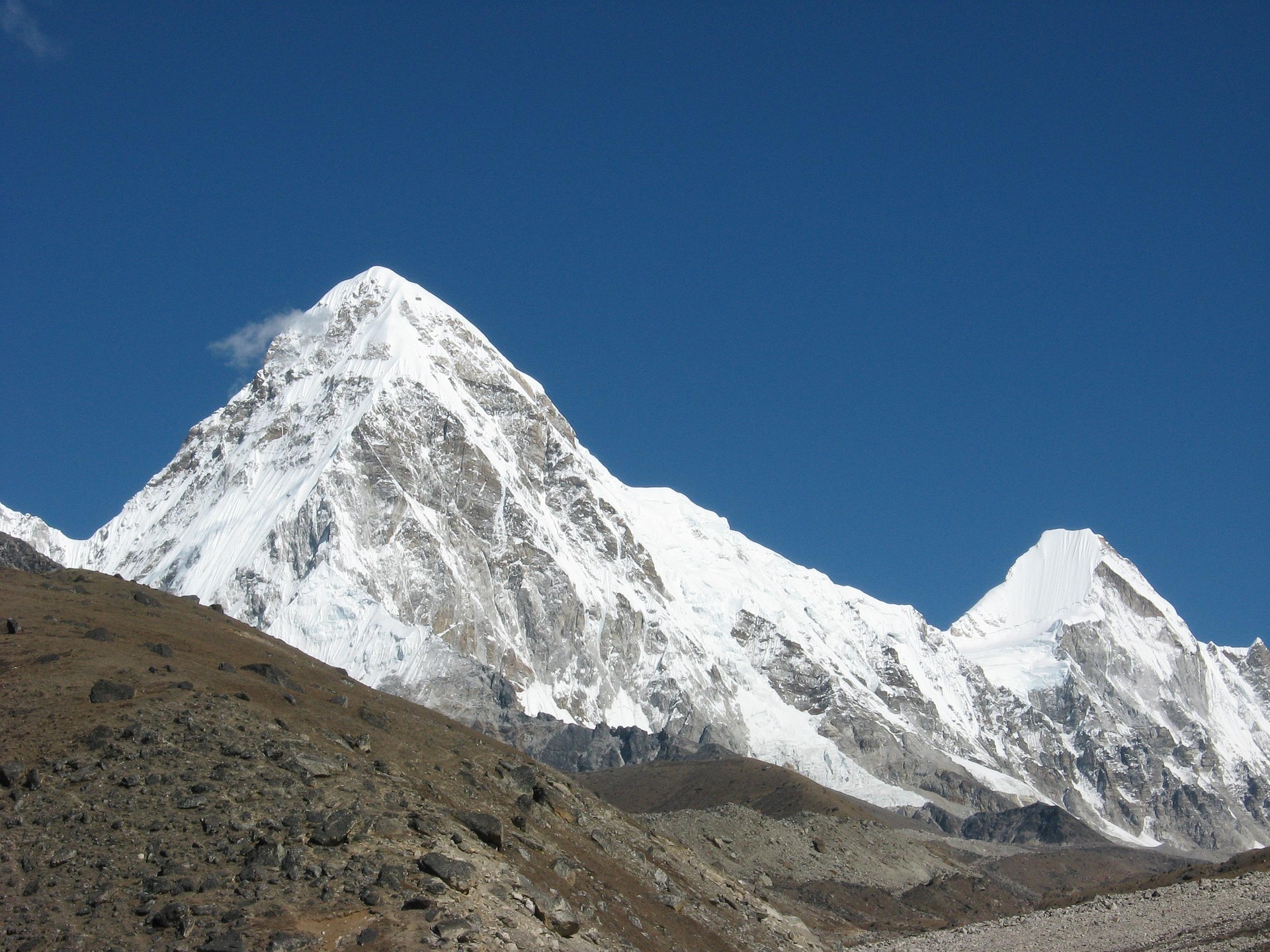
The weather around Mount Pumori changes with the seasons. In the main climbing seasons, spring and autumn, the weather is more stable. In the morning, the sky is usually clear, but clouds may form later in the day. It’s still possible for the weather to change quickly, so it’s important to check every day.
Temperature at Different Levels
- Lower areas and Base Camp:
During the day, it can be cold but not too bad. Temperatures often drop below freezing at night. - Higher camps:
Temperatures drop sharply as altitude increases. Nights can reach -15°C to -25°C, especially near the summit. - Summit area:
The summit is extremely cold, and strong winds make it feel even colder.
Wind Conditions
Strong winds are common at higher elevations. Winds are usually calmer in spring and autumn but can still increase suddenly. Wind chill makes frostbite much more likely, especially on ridges that are open to the wind.
Seasonal Differences
- Spring: Slightly warmer days, but changing weather
- Autumn: Cooler but more stable weather
- Winter: Extreme cold and strong winds
- Monsoon: Heavy clouds, snow, and poor visibility
In conclusion, the Pumori Expedition requires careful planning around weather and temperature.
Proper clothing, good timing, and flexible plans are essential for a safe and successful climb.
Required Experience and Physical Fitness
The Pumori Expedition is a serious high-altitude climb that requires strong experience and good physical fitness. It is not suitable for beginners. Before trying to climb this mountain, climbers need to be ready both mentally and physically.
Required Climbing Experience
- Previous experience on peaks above 6,000 meters is highly recommended
- Climbers should be comfortable using crampons, ice axe, and fixed ropes
- You need to know how to climb on ice and snow.
- It’s important to have experience traveling on glaciers and working with ropes.
- Knowledge of safety techniques, such as self-arrest and crevasse rescue, is helpful
Having completed other Himalayan or alpine climbs builds confidence and improves safety on Mount Pumori.
Physical Fitness Requirements
- Strong leg strength for long uphill climbs with a heavy pack
- Good endurance for walking and climbing 6–8 hours a day
- Strong core and upper-body strength for rope work and ice climbing
- Healthy heart and lungs to handle thin air at high altitude
It is very important to train regularly before the trip. This could mean going for a hike, climbing stairs, riding a bike, doing strength training, or breathing exercises.
Mental Fitness
- Ability to stay calm in cold, windy, and stressful conditions
- Be patient while you get used to the weather and the delays.
- Stay focused and disciplined on long climbing days.
In summary, the Pumori Expedition demands solid mountaineering experience, excellent physical condition, and strong mental focus.
With proper training and preparation, climbers can face the challenges of this high-altitude expedition more safely and confidently.
Permits and Regulations for Pumori Expedition
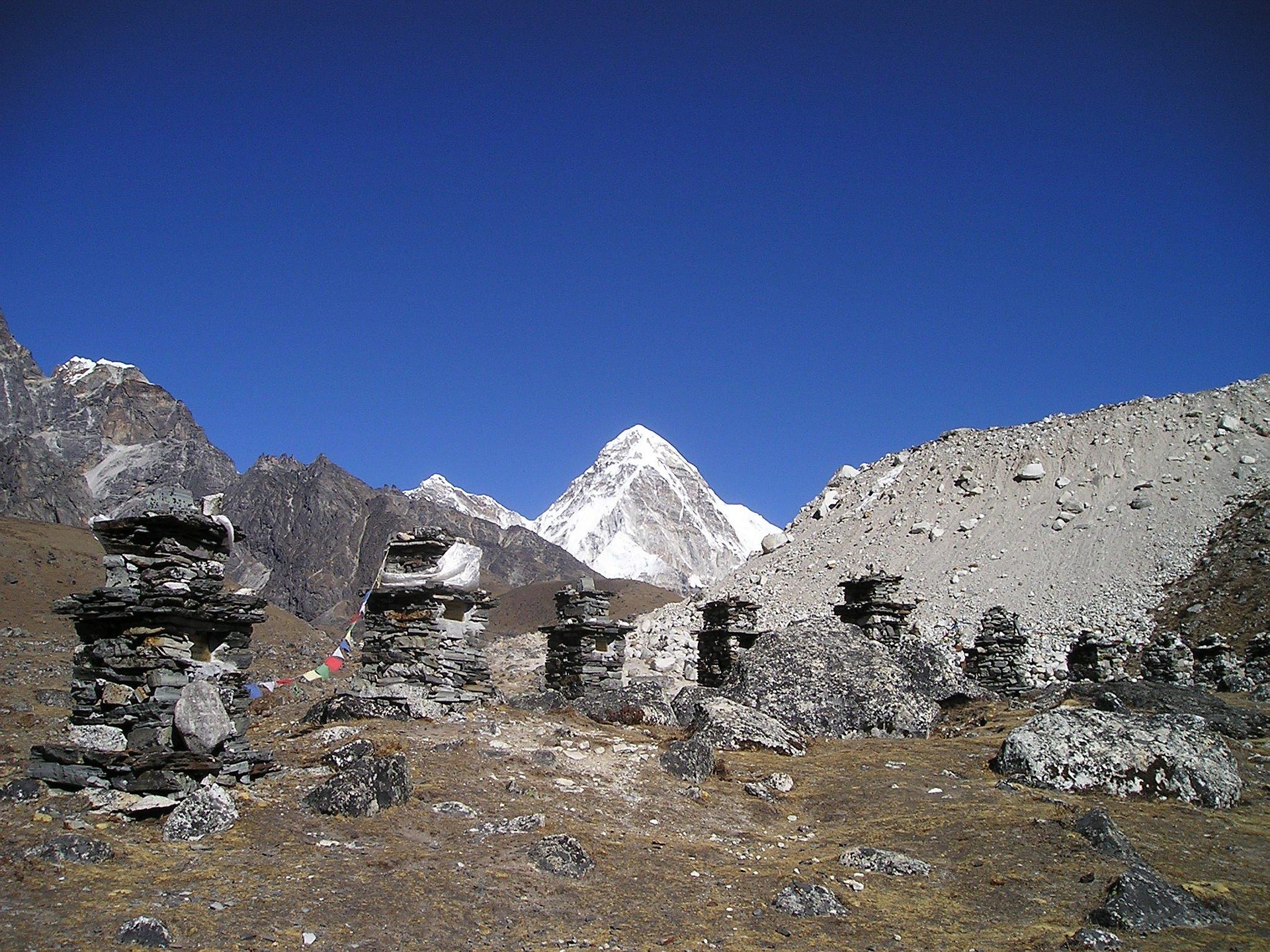
Climbing Mount Pumori requires several official permits and strict adherence to Nepal’s mountaineering regulations. These rules make sure that everyone is safe, that the environment is protected, and that the law is followed. All climbers must make these plans before the trip starts.
Key Permits Required
- Climbing Permit for Pumori:
The Government of Nepal gives this to all foreign climbers, and they must have it. The price usually depends on the time of year and the climber’s country of origin. It can cost thousands of dollars to get a permit for peaks over 7,000 meters, like Pumori. - Sagarmatha National Park Permit (SNP):
Mount Pumori is in Sagarmatha National Park. Before entering the park, all climbers must get this permit. It helps with park management and conservation efforts. - Trekkers’ Information Management System (TIMS) Card:
While mainly for trekkers, climbers on approach treks also need this card. It ensures authorities know the number of visitors in the region for safety monitoring.
Regulations to Follow
- Expeditions must register with the Nepal Mountaineering Association (NMA).
- Use of local guides and support staff is strongly encouraged for safety and compliance.
- Waste management is strictly enforced; climbers must carry down all trash that can’t be broken down.
- Climbers must stick to the set routes and stay away from dangerous shortcuts.
- Helicopter rescues, if needed, must comply with park rules and approved operators.
Tips for Compliance
- Apply for permits well in advance through official channels or trusted agencies like Skyline Treks.
- During the climb, make sure you have copies of all your permits.
- Follow all regulations to avoid fines or expedition shutdowns.
Proper permits and adherence to rules are essential for a safe, legal, and successful Pumori Expedition.
Pumori Expedition Cost in Nepal (2026 Estimate)
The Pumori Expedition is a high‑altitude Himalayan climb and costs significantly more than regular trekking trips. The total Pumori Expedition cost depends on a lot of things, like the size of the group, the services offered, the permits needed, the staff support, and the length of the expedition.
1. Pumori Expedition Package Cost
- Typical all‑inclusive Pumori Expedition packages cost range from USD 8,000 to USD 12,000 per person. This price usually covers permits, guides, base camp logistics, food, domestic flights, and staff to help you.
- Some expedition operators list prices around USD 9,000–10,000 per person for a full‑supported climb with one Sherpa guide per climber or shared guide for two climbers.
2. Official Permit Fees
- Pumori climbing permit set by the Nepal government is about USD 500 in spring (peak season), USD 250 in autumn, and USD 125 in winter/summer.
- Additional official fees include a Sagarmatha National Park permit (~USD 25–30) and TIMS card (~USD 20), which are usually handled by the expedition company.
3. Extra Costs Not Always Included
- Personal climbing gear (boots, crampons, harness)
- Travel and high‑altitude insurance
- Tips and summit bonuses for Sherpa guides
- International flights to/from Nepal
- Meals in Kathmandu and personal expenses
Summary: A well-organized Pumori Expedition cost in Nepal in 2026 will usually be between $8,000 and $12,000 per climber, plus permit fees and other personal costs.
Essential Gear and Equipment List
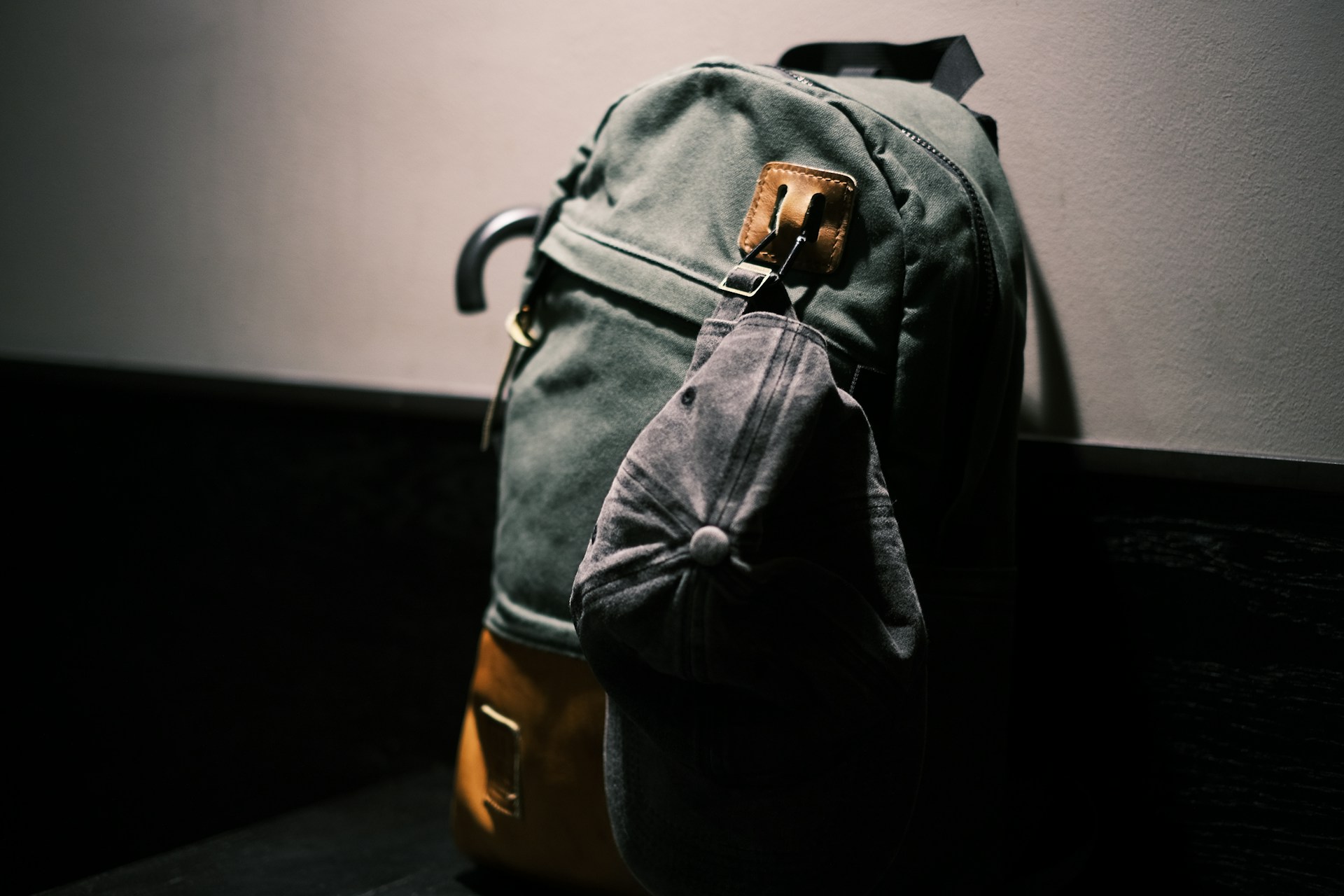
Climbing Mount Pumori is a high-altitude, technical expedition, so having the right gear is crucial for safety and success. Climbers can deal with very cold, windy, and steep snow and ice sections if they have the right gear.
Clothing
- Base layers: Moisture-wicking thermal tops and bottoms
- Insulating layers: Fleece or down jackets for warmth
- Outer layers: Waterproof and windproof jackets and pants
- Gloves and mittens: Multiple layers for warmth and dexterity
- Hats and balaclavas: For head, face, and neck protection
Footwear
- Mountaineering boots suitable for crampons
- Gaiters to keep snow out
- Warm socks, with spares
Climbing Equipment
- Crampons and ice axe
- Climbing harness and carabiners
- Helmet for protection from rock or icefall
- Fixed rope ascenders (jumars) for technical sections
Camping Gear
- Sleeping bag rated for -30°C or lower
- Insulated sleeping pad
- Lightweight tent suitable for high-altitude winds (if not provided by expedition)
Other Essentials
- Sunglasses with UV protection and glacier goggles
- Headlamp with extra batteries
- Trekking poles for approach trekking
- Water bottles and hydration system
- Sunscreen and lip balm (high SPF)
- Personal first aid kit
Optional but Recommended
- Satellite phone or GPS
- Portable stove and fuel for personal use
- Lightweight crampon repair kit
Proper gear is not optional; it is essential for safety and summit success.
Having reliable, high-quality equipment increases both safety and confidence during the Pumori Expedition.
Safety, Risks, and Rescue Options
The Pumori Expedition in Nepal is a high-altitude, technical climb that involves serious risks. Understanding safety measures and rescue options is essential for all climbers.
Key Risks
- Altitude sickness: Mount Pumori reaches 7,161 meters, so climbers risk Acute Mountain Sickness (AMS), High Altitude Pulmonary Edema (HAPE), or High Altitude Cerebral Edema (HACE). Proper acclimatization is critical.
- Weather hazards: Sudden storms, heavy snow, and strong winds can increase the danger on exposed ridges.
- Avalanches and rockfall: The mountain has steep slopes, glaciers, and ice sections that can cause avalanches or rocks and ice to fall.
- Crevasses: Glacier travel near base camp and higher camps involves hidden crevasses that require rope teamwork and caution.
Safety Measures
- Climbing with experienced guides and Sherpas
- Using proper equipment, including crampons, ice axes, helmets, and fixed ropes
- Following daily weather forecasts and adjusting climbing schedules accordingly
- Maintaining proper hydration, nutrition, and rest
Rescue Options for Pumori Expedition in Nepal
- Helicopter evacuation: Available from Lukla and nearby high camps, but depends on weather
- Local high-altitude rescue teams: Some operators provide trained staff for emergency situations
- Communication devices: In case of an emergency, satellite phones or radios make it easier to get help.
Conclusion – Is Pumori Expedition Right for You?
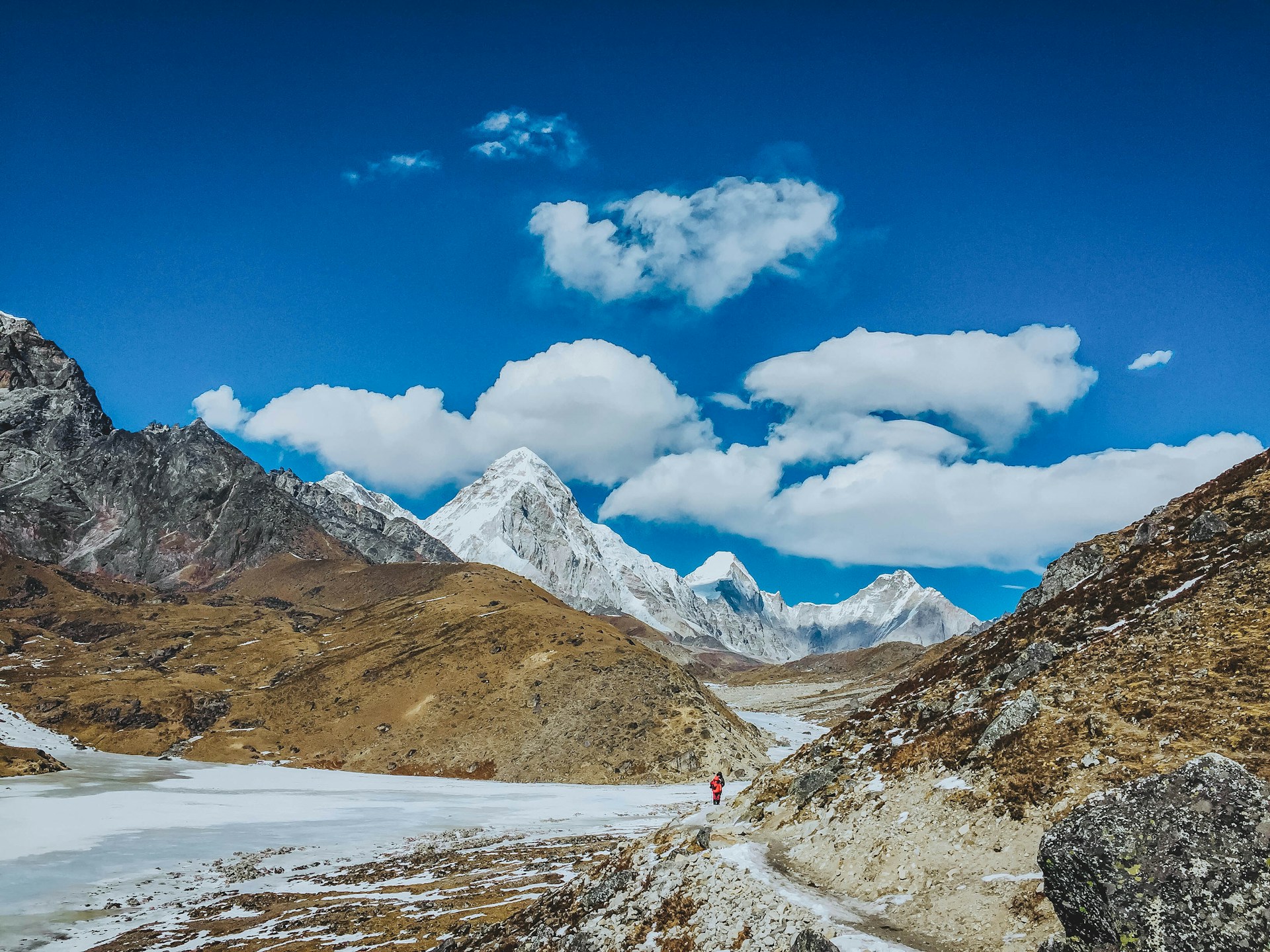
Pumori Expedition is a thrilling and challenging high-altitude climb that offers a true Himalayan mountaineering experience. With its steep ridges, icy slopes, and stunning views of Mount Everest and surrounding peaks, it is ideal for climbers who want to push their limits and gain serious high-altitude experience. If you enjoy technical climbs and have previous mountaineering experience, Pumori is a perfect choice.
However, this expedition is not for beginners. It requires strong physical fitness, ice and snow climbing skills, and careful acclimatization to prevent altitude sickness. Climbers must be mentally prepared for long, demanding days and unpredictable weather conditions. Following expert advice, using the right gear, and being ready for emergencies are all important for a safe ascent.
For those who are well-prepared, climbing Pumori can be highly rewarding. The mountain has both technical climbing and stunning views of the Himalayas, as well as the chance to learn about Sherpa culture along the way.
Working with experienced operators, such as Skyline Treks, ensures proper planning, reliable support, and a safer, well-organized expedition.
If you are ready to challenge yourself and experience one of Nepal’s most iconic peaks, the Pumori Expedition is an adventure worth considering.