

Short Everest Base Camp Trek: Complete Guide for First-Time Trekkers
Introduction to the Short Everest Base Camp Trek
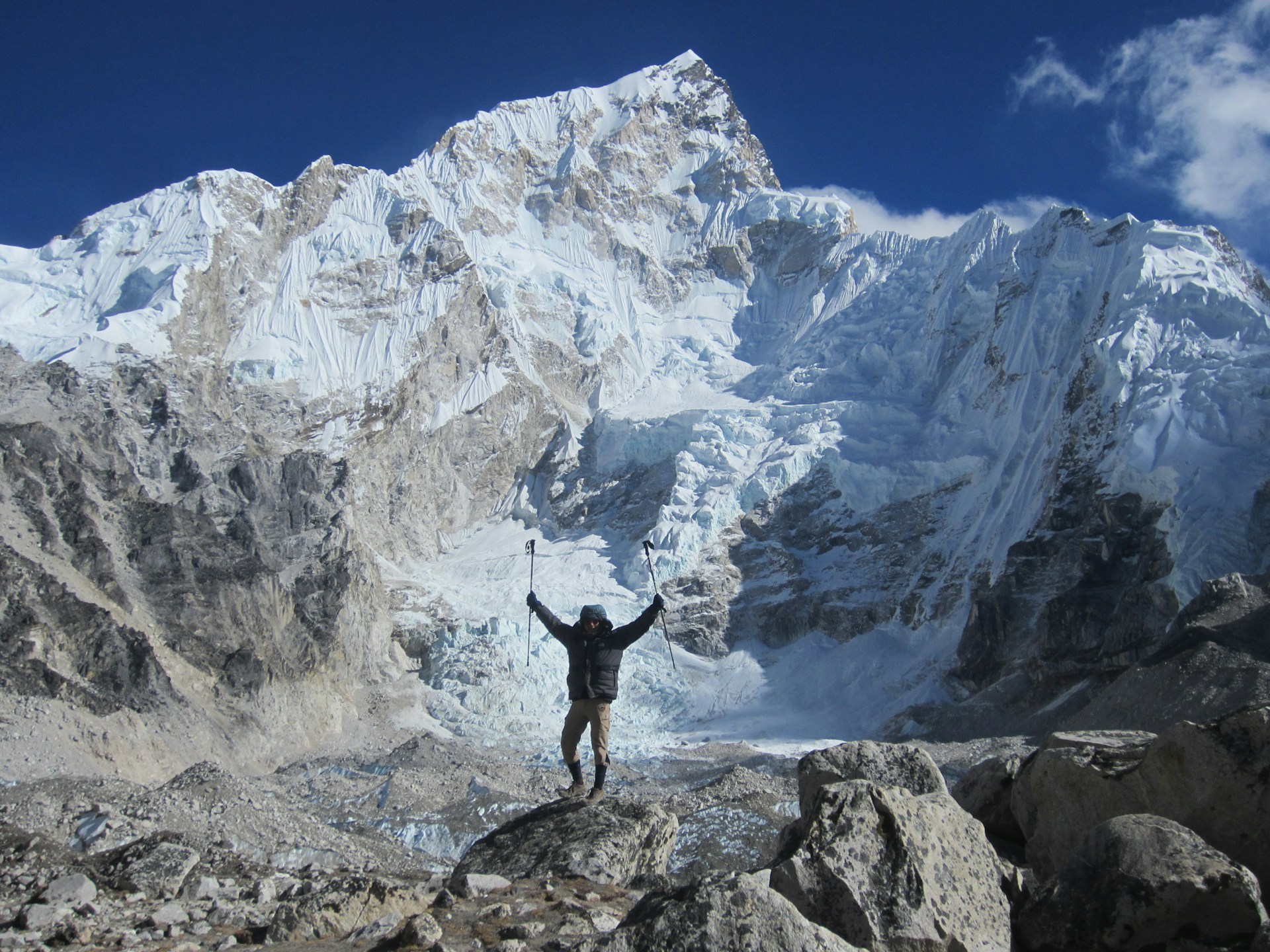
The short Everest base camp trek is a popular trekking option for travelers who want to experience the Everest region without committing to a long expedition. It lets you get to the famous Everest Base Camp and see the beautiful Himalayan scenery in a shorter amount of time, usually 10 to 12 days.
This trek begins at Lukla, a small mountain town with the world-famous Tenzing-Hillary Airport. From there, trekkers take the classic route from Lukla to Everest Base Camp, stopping in famous Sherpa villages like Namche Bazaar and the beautiful Tengboche Monastery along the way. Trekking along the way, people can see the Khumbu Glacier and climb Kala Patthar for a breathtaking view of Mount Everest and the peaks around it at sunrise.
The short trek is suitable for travelers with limited time but still offers the excitement of high-altitude trekking in Nepal. You can see the culture of Sherpa villages, local tea houses, and the beautiful Himalayas without having to plan for weeks.
Planning a short trek to Everest Base Camp requires understanding the trail, acclimatization, and proper gear. Partnering with a trusted travel agency in Nepal like Skyline Treks ensures a safe, well-organized, and memorable journey. In the following sections, we will explore the trek route, itinerary, best seasons, and essential tips to help you prepare for this incredible adventure, so let’s get started now!
Short Everest Base Camp Trek Highlights & What Makes It Special
The short Everest Base camp trek is one of the most popular treks in Nepal because it lets you see beautiful Himalayan scenery, learn about the culture, and have an adventure all in a shorter amount of time.
Here are the main highlights and what makes this trek special:
1. Everest Base Camp
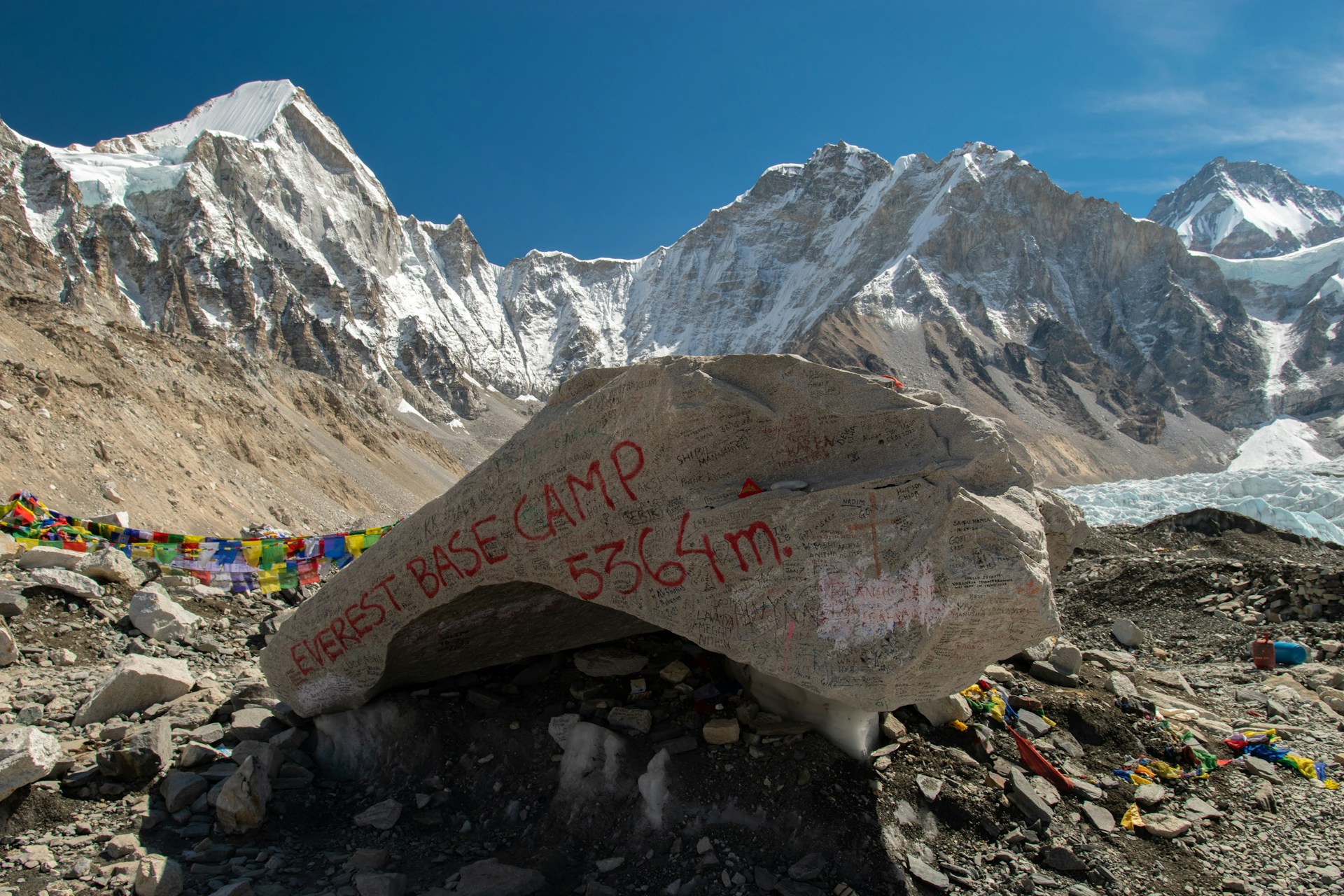
- The main highlight is reaching Everest Base Camp, where climbers get ready to climb the highest mountain in the world.
- Standing here gives a unique sense of achievement and the views of the nearby peaks are just amazing to see.
2. Kala Patthar Sunrise View
- A short climb from the Base Camp leads to Kala Patthar, known for the best sunrise views over Mount Everest, Lhotse, and Nuptse.
- This is one of the most photographed spots in the Himalayas.
3. Sherpa Villages and Culture
- The trek goes through traditional Sherpa villages like Namche Bazaar, Tengboche, and Pangboche.
- Along the trail, trekkers can experience local culture, monasteries, and the hospitality of tea houses.
4. Stunning Himalayan Landscapes
- The route has views of snow-capped mountains, glaciers, and deep valleys the whole way.
- The Khumbu Glacier hike is especially memorable because of its rocky terrain and dramatic icefalls.
5. Shorter Duration and Accessibility
- Unlike the classic Everest Base Camp trek, this short route usually takes 10–12 days, making it ideal for travelers with limited time.
- Even though it’s shorter, it still gives you the chance to hike at high altitudes and see the landscapes of the Everest region.
6. Adventure and Achievement
- Trekking at high altitudes, crossing suspension bridges, and walking through rugged terrain gives a sense of adventure.
- Getting to Base Camp or Kala Patthar is a rewarding experience that many people see as a lifelong goal.
The short Everest base camp trek is special because it combines adventure, culture, and natural beauty. The next sections will talk about the best time to go, the route, the gear you need, and important tips to make your trip safe and memorable.
Best Time for Short Everest Base Camp Trek: Seasonal Weather Guide
Choosing the right season is very important for a safe and enjoyable short Everest base camp trek. The weather in the Everest region changes with the seasons, which affects the trails, visibility, and temperature.
1. Spring (March–May)
- Spring is one of the best seasons for trekking.
- The weather is warm during the day, the skies are mostly clear, and you can see the mountain views clearly.
- Along the trail, rhododendron forests bloom, adding bright colors.
- Trekking is comfortable because the trails are stable and the weather is mild.
2. Autumn (September–November)
- Autumn is another ideal season for trekking.
- The weather is calm, the skies are clear, and the visibility is great, making it a great time to take pictures.
- Because this is the busiest time of year, tea houses may be full, so it’s best to book ahead of time.
- This season provides the best panoramic Himalayan views.
3. Summer / Monsoon (June–August)
- Trails can be wet and slippery due to heavy rain.
- Clouds and fog often make it hard to see the mountains.
- Rivers may get bigger, and landslides happen more often.
- Not recommended for first-time trekkers or short trips.
4. Winter (December–February)
- Winter trekking is possible but challenging.
- Nights are very cold, and some higher trails may have snow or ice.
- The trail is quiet and peaceful because there are fewer trekkers.
- Clear skies on sunny days provide amazing views, but proper gear for cold is essential.
Tips for All Seasons
- Carry layered clothing to adjust to changing temperatures.
- Before you go on the hike, check the weather forecasts for your area.
By understanding seasonal conditions, trekkers can choose the best time for a short trek to Everest Base Camp, ensuring safety, comfort, and unforgettable Himalayan experiences. The right time also makes it more likely that you’ll be able to see clear mountain views, experience local culture, and have fun on the trail.
Short Everest Base Camp Trek Route & 11 Day Itinerary
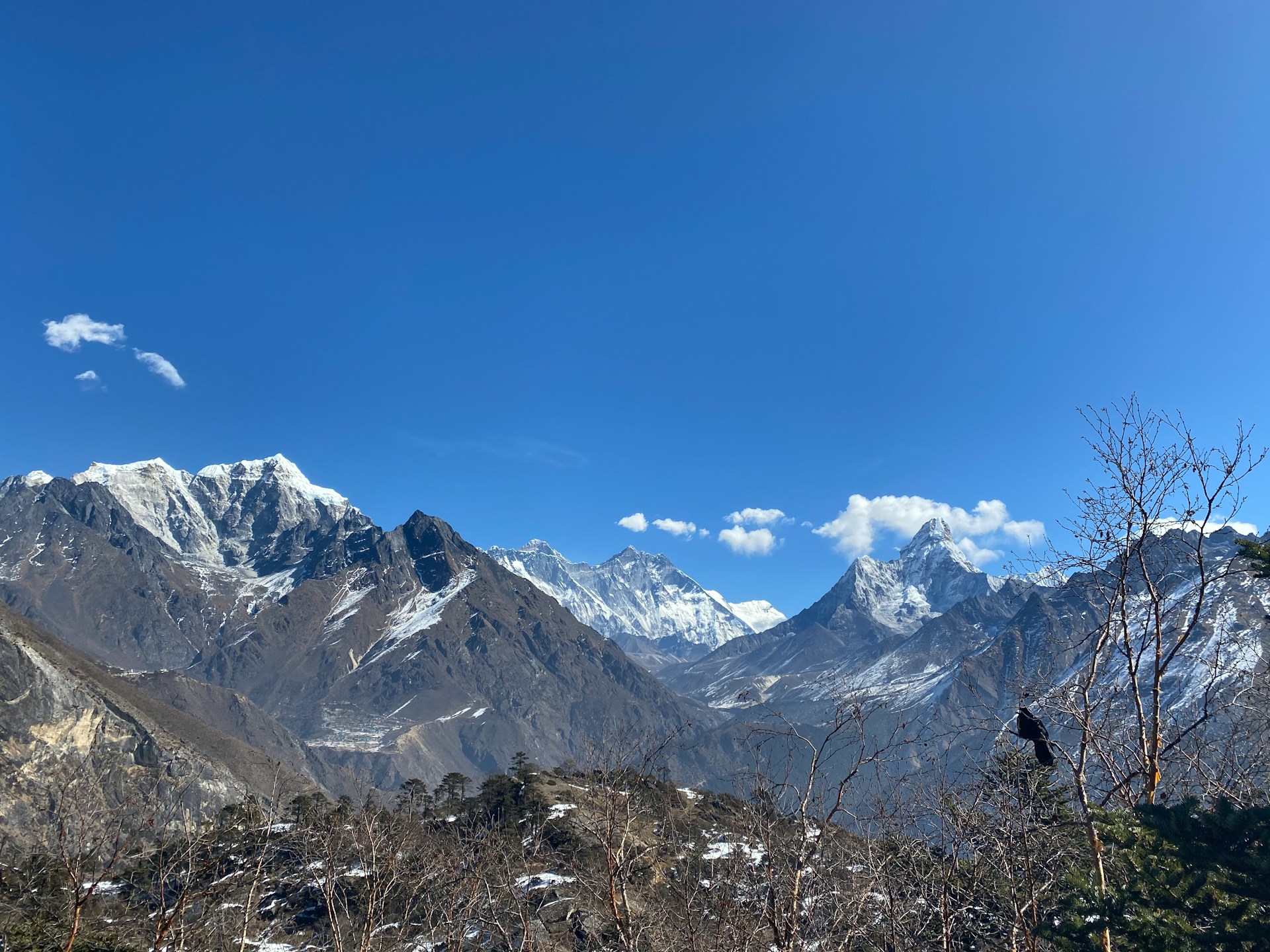
The short Everest base camp trek is a popular route for travelers who want to experience the Everest region in a limited time. This 11-day trek starts in Lukla and passes through Sherpa villages, monasteries, and beautiful Himalayan scenery before ending at the famous Everest Base Camp.
Itinerary Overview
- Day 1: Fly from Kathmandu to Lukla; trek to Phakding (2,610 m) to start acclimatization.
- Day 2: Trek to Namche Bazaar (3,440 m), the main Sherpa town, passing suspension bridges and forests.
- Day 3: Acclimatization hike around Namche, visiting viewpoints and local monasteries.
- Day 4: Trek to Tengboche (3,860 m) and explore its famous monastery.
- Day 5: Continue to Dingboche (4,410 m), a scenic high-altitude village.
- Day 6: Rest and acclimatize with short hikes around Dingboche.
- Day 7: Trek to Lobuche (4,940 m) through glacial valleys.
- Day 8: Reach Everest Base Camp (5,364 m) via the Khumbu Glacier, then return to Gorak Shep.
- Day 9: Early morning hike to Kala Patthar (5,545 m) for sunrise views, then descend to Pheriche.
- Day 10: Trek back to Namche Bazaar.
- Day 11: Trek to Lukla and fly to Kathmandu, completing the trek.
This short trek to Everest Base Camp offers a perfect mix of adventure, culture, and panoramic Himalayan views.
Difficulty Level, Fitness & Altitude Considerations
The short Everest base camp trek is considered a moderate to moderately challenging trek, suitable for travelers who are in good shape and ready to hike at high altitudes. While it is shorter than the classic EBC trek, trekkers still face steep trails, long walking days, and significant elevation gains.
1. Trek Difficulty
- Most days involve 4–7 hours of trekking, with gradual ascents and some steeper sections near villages like Namche Bazaar and Dingboche.
- Trails pass through rocky paths, suspension bridges, and occasional icy or snowy sections at higher altitudes.
- You need to be in good shape and pace yourself carefully for the final ascent to Everest Base Camp and Kala Patthar.
2. Fitness Requirements
- Good cardiovascular health, leg strength, and endurance are important.
- It’s best to walk, hike, or do cardio exercises on a regular basis for at least 6 to 8 weeks before the trek.
- Carrying a light backpack and walking at a steady pace can help you feel less tired.
3. Altitude Considerations
- The trek goes up to 5,364 m at Everest Base Camp and 5,545 m at Kala Patthar.
- High-altitude trekking increases the risk of Acute Mountain Sickness (AMS). Symptoms may include headache, nausea, fatigue, and dizziness.
- For safety, it’s important to have the right acclimatization days, like at Namche Bazaar and Dingboche.
4. Safety Tips
- Stay away from alcohol and drink a lot of water.
- Take your time going up and pay attention to your body.
- Travel with a licensed guide from a reliable agency like Skyline Treks, who can monitor health and suggest adjustments if needed.
With preparation, the short Everest base camp trek is achievable for many travelers. Understanding the difficulty, maintaining fitness, and respecting altitude limits ensures a safer, more enjoyable, and memorable journey through the Everest region.
Permits, Costs & Essential Gear
Before starting the short Everest base camp trek, you should know what permits you need, how much it will cost, and what gear you need to bring to make the trip safe and comfortable.
1. Trekking Permits
- Sagarmatha National Park Permit: Required for all trekkers entering the Everest region. The fee for foreigners is usually USD 30.
- TIMS Card (Trekker Information Management System): Needed to track trekkers in the region. Cost is around USD 20 per person for individual trekkers and slightly less for groups.
- Permits can be arranged through a trusted licensed trekking agency in Nepal like Skyline Treks.
2. Trekking Costs
- Guide and Porter Fees: Hiring a licensed guide is recommended. Guide fees are around USD 25–30 per day, and porter fees are USD 15–20 per day.
- Accommodation and Meals: Tea houses and lodges along the trail charge about USD 10–20 per night for rooms and USD 5–10 per meal.
- Transportation: Flight from Kathmandu to Lukla is about USD 150–200 one-way.
- Miscellaneous: Hot showers, battery charging, and trekking insurance are extra costs to consider.
3. Essential Gear
- Clothing: Layered clothing, down jacket, thermal base layers, gloves, hat, and rain jacket.
- Footwear: High-quality trekking boots suitable for rocky and icy terrain.
- Accessories: Trekking poles, water bottles, headlamp, sunglasses, and sunscreen.
- Backpack: Daypack for daily essentials and a larger pack for personal items.
Tips
- You can save money by renting some gear in Kathmandu or Lukla.
- Carry only essentials in your daypack to stay light and comfortable on steep trails.
Proper preparation for permits, costs, and gear ensures a smoother trek. Planning ahead with a reliable agency like Skyline Treks can help manage logistics, provide guidance, and make the short trek to Everest Base Camp safe and enjoyable.
Accommodation, Food & Practical Tips
During the short Everest base camp trek, trekkers stay in simple tea houses and lodges along the trail. These provide basic comfort, meals, and a place to rest after long trekking days.
1. Accommodation
- The most common choice is tea houses. They usually have shared or private rooms with thin beds and blankets.
- Some lodges provide hot showers for an extra charge.
- Staying in tea houses helps the local economy and gives trekkers a chance to experience Sherpa hospitality.
- During the busiest trekking times (spring and autumn), it’s best to book ahead of time.
2. Food
- Typical meals include Dal Bhat (rice and lentils), noodles, soups, and momo (dumplings).
- Breakfast usually includes porridge, eggs, or toast.
- It helps to have energy snacks like chocolate, nuts, and energy bars with you on days when you’re at a high altitude.
- Plan your budget because meals cost more at higher altitudes.
3. Practical Tips
- Stay hydrated: Drink plenty of water to avoid altitude sickness.
- Acclimatize properly: Take breaks in Namche Bazaar and Dingboche to get used to the higher altitudes.
- Pack light: Carry essentials in a daypack; leave heavy luggage at tea houses or lodges.
- Cash: Many lodges do not accept cards, so carry enough Nepali rupees.
- Respect local culture: Greet locals, dress modestly, and follow trekking etiquette.
- Weather preparation: Bring clothes that are warm and waterproof because the weather can change quickly at high altitudes.
By planning your accommodation and meals carefully and following these practical tips, your short Everest base camp trek can be safe, comfortable, and enjoyable.
Why Choose Skyline Treks for Short Everest Base Camp Trek
Choosing the right trekking agency can make a big difference in your short everest base camp trek experience. Skyline Treks is a trusted agency with years of experience in organizing safe, comfortable, and well-planned treks in the Everest region.
1. Experienced Guides
- Skyline Treks provides licensed and knowledgeable guides who know the trails, culture, and safety requirements.
- Our guides help you get used to the area, acclimatization, set the right pace for your trek, and give you local information to make sure your trip goes comfortably and safely.
2. Proper Permit and Logistics Support
- Trekking in the Everest region requires Sagarmatha National Park permits, TIMS cards, and local permissions.
- Skyline Treks takes care of all the paperwork for you, which saves you time and keeps things clear.
- We also take care of your flights to Lukla, your lodging, and your meals, so you can just enjoy the trek.
3. Safety and Emergency Support
- Safety of our trekkers is our top priority, and we make sure to offer first aid, check weather updates, and make emergency plans.
- Guides are taught how to keep an eye on trekkers for altitude sickness and other health problems.
4. Local Experience
- Skyline Treks arranges stays in tea houses with Sherpa hospitality, giving you a chance to experience local culture and traditions.
- Our team gives advice on what gear to bring, how to pack, and what to do during different times of the year.
5. Customized Trek Options
- Whether you want a short trek to Everest Base Camp, a private group trek, or a combination itinerary, Skyline Treks can customize your plan as you desire, making your trek even more memorable and enjoyable.
Choosing Skyline Treks ensures a hassle-free, safe, and memorable short Everest base camp trek, letting you enjoy the breathtaking Himalayan views, Sherpa culture, and adventure with confidence.
Conclusion to Short Everest Base Camp Trek
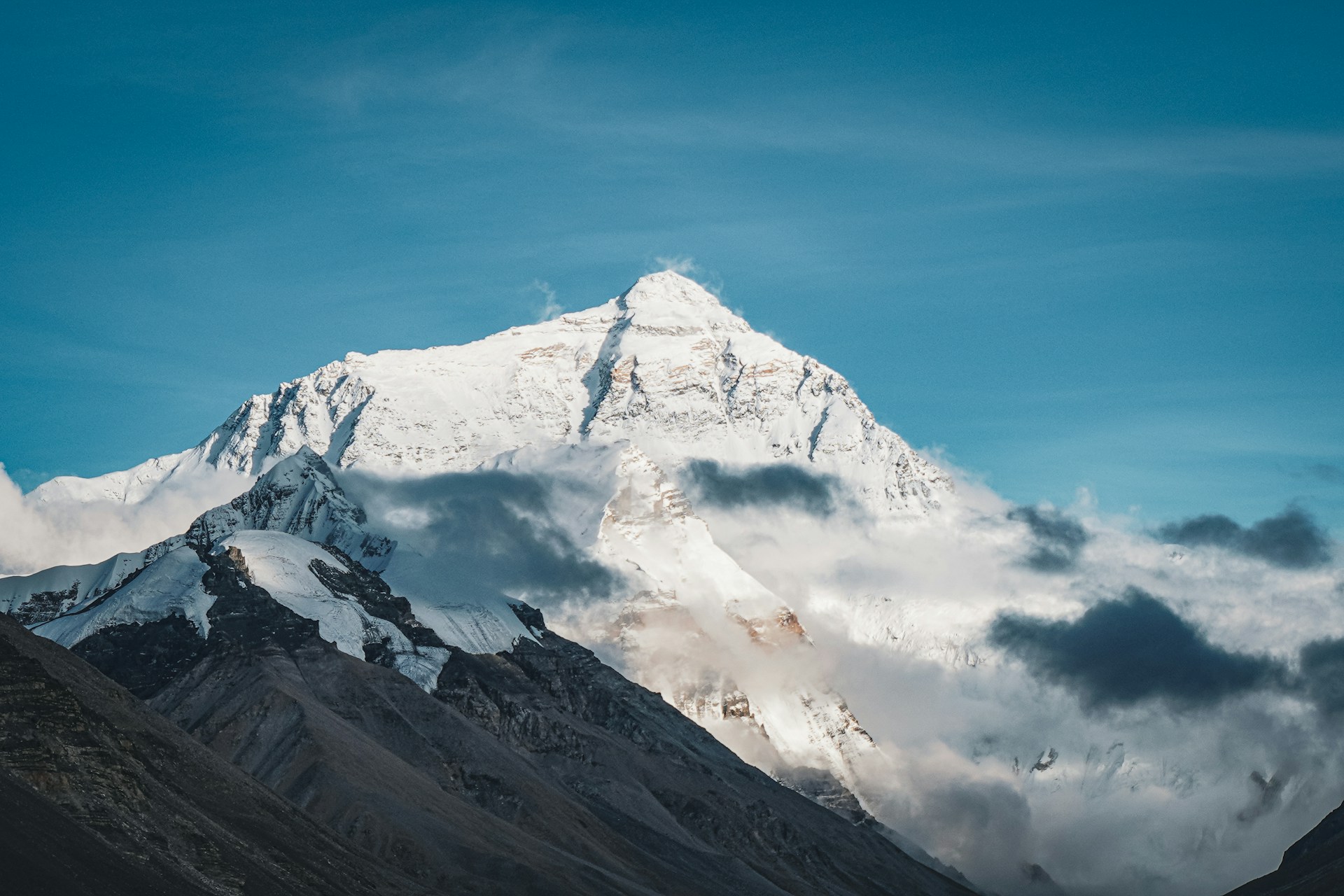
The short Everest base camp trek is an unforgettable adventure that brings travelers close to the world’s highest peak, Mount Everest, in a manageable timeframe of around 11 days. This trek provides the perfect mix of Himalayan scenery, Sherpa culture, and adventure at high altitudes without the need for a longer expedition.
Trekking along the Lukla to Everest Base Camp route, you will pass through picturesque Sherpa villages, visit monasteries like Tengboche, and enjoy breathtaking views of glaciers, mountains, and valleys. Reaching Everest Base Camp and hiking Kala Patthar to see the sunrise are two of the best things that will stay with you forever.
Understanding the difficulty, altitude, and seasonal conditions is essential for a safe and enjoyable journey. Proper preparation, including fitness, gear, and acclimatization, ensures that trekkers can fully enjoy the experience.
Partnering with a reliable agency like Skyline Treks simplifies permits, accommodation, and guidance, allowing you to focus on the adventure itself.
Overall, the short hike to Everest Base Camp is perfect for anyone who wants to have a high-altitude adventure in the Himalayas, learn about the culture, and see amazing views in a short amount of time.
Plan for your Short Everest Base Camp trek today, and discover the breathtaking views, and culture of one of Nepal’s most famous trekking destinations.