

Trekking in Nepal for Beginners: 2026 Complete Guide
Introduction to Trekking in Nepal for Beginners
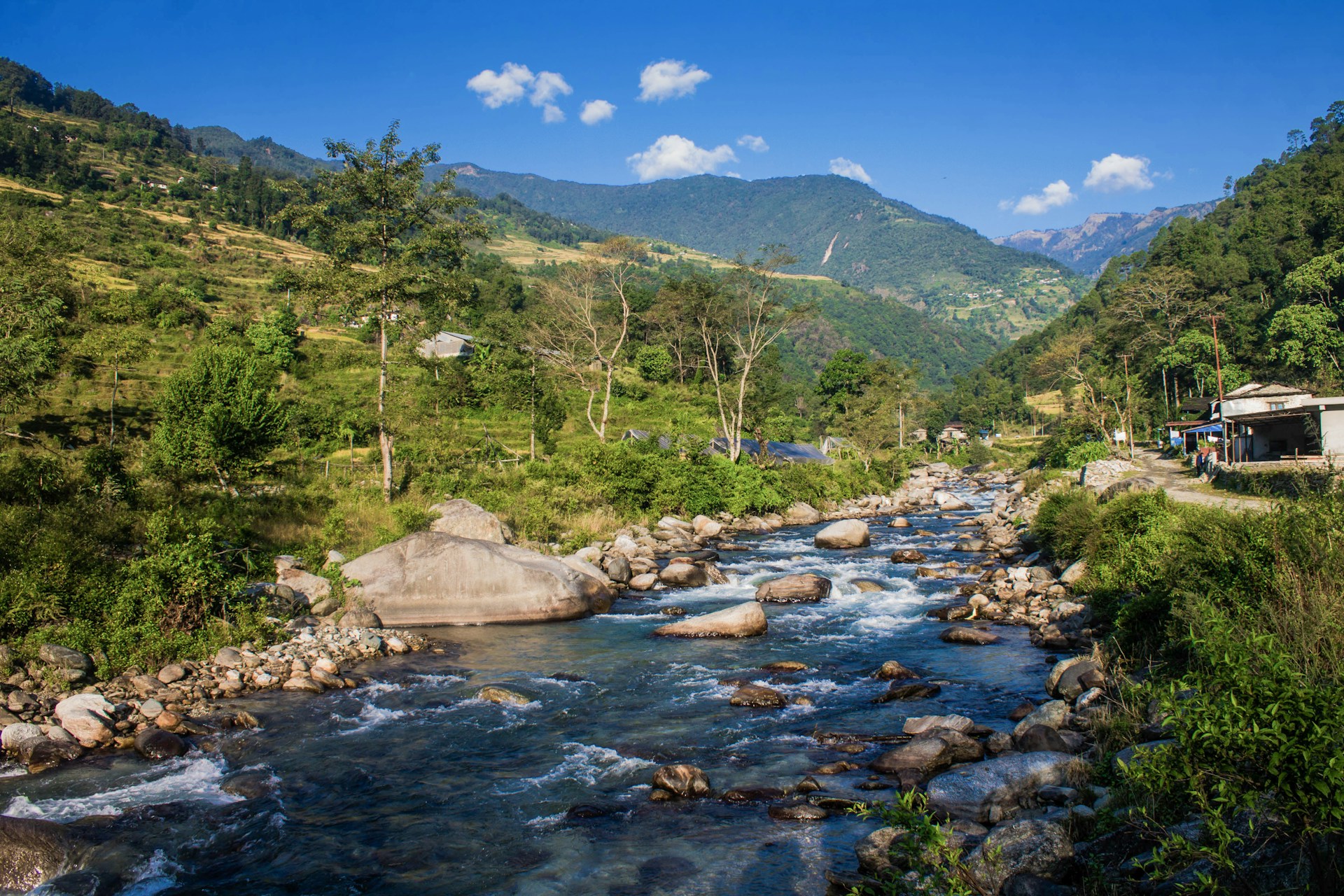
Trekking in Nepal is a great way for beginners to enjoy nature, culture, and adventure in a simple and safe way. Nepal is home to the world’s highest mountains, but you do not need to be an expert climber to enjoy its beauty. A lot of trails are made for people who have never hiked before. They are easy to follow, comfortable, and friendly.
Nepal is located in South Asia and offers a wide range of landscapes, from green hills to snowy peaks. Most beginner treks stay below 3,000 meters, which makes it easier and safer to walk. Tea houses, warm meals, and places to rest are available every day along popular routes like Khumbu Valley Nepal and other easy ones.
What makes trekking in Nepal special is the mix of mountain views, local villages, and kind people. You can walk at your own pace and enjoy a true Nepal easy trek experience without stress. With many options available, it is easy to find one of the best Nepal trekking routes that fits your comfort level.
In the next sections, you will learn about routes, seasons, and tips to get started on your Nepal trekking journey.
Is Trekking in Nepal for Beginners Safe?
Yes, trekking in Nepal is beginners is safe when it is well planned. Many trekking routes are made especially for first-time walkers. There are clear signs along these trails, and there are regular rest stops and tea houses where you can eat and sleep. Most beginner treks are at lower elevations, which lowers the chance of getting sick from being at a high altitude.
Local guides and porters are experienced and trained to help beginners. Weather and trail conditions are usually easy to manage during the best trekking seasons. Following basic safety rules, like walking slowly, drinking enough water, and listening to your guide, makes the trip safer.
Choosing a reliable trekking agency adds extra safety and peace of mind.
Safety Conditions in Nepal’s Trekking Routes
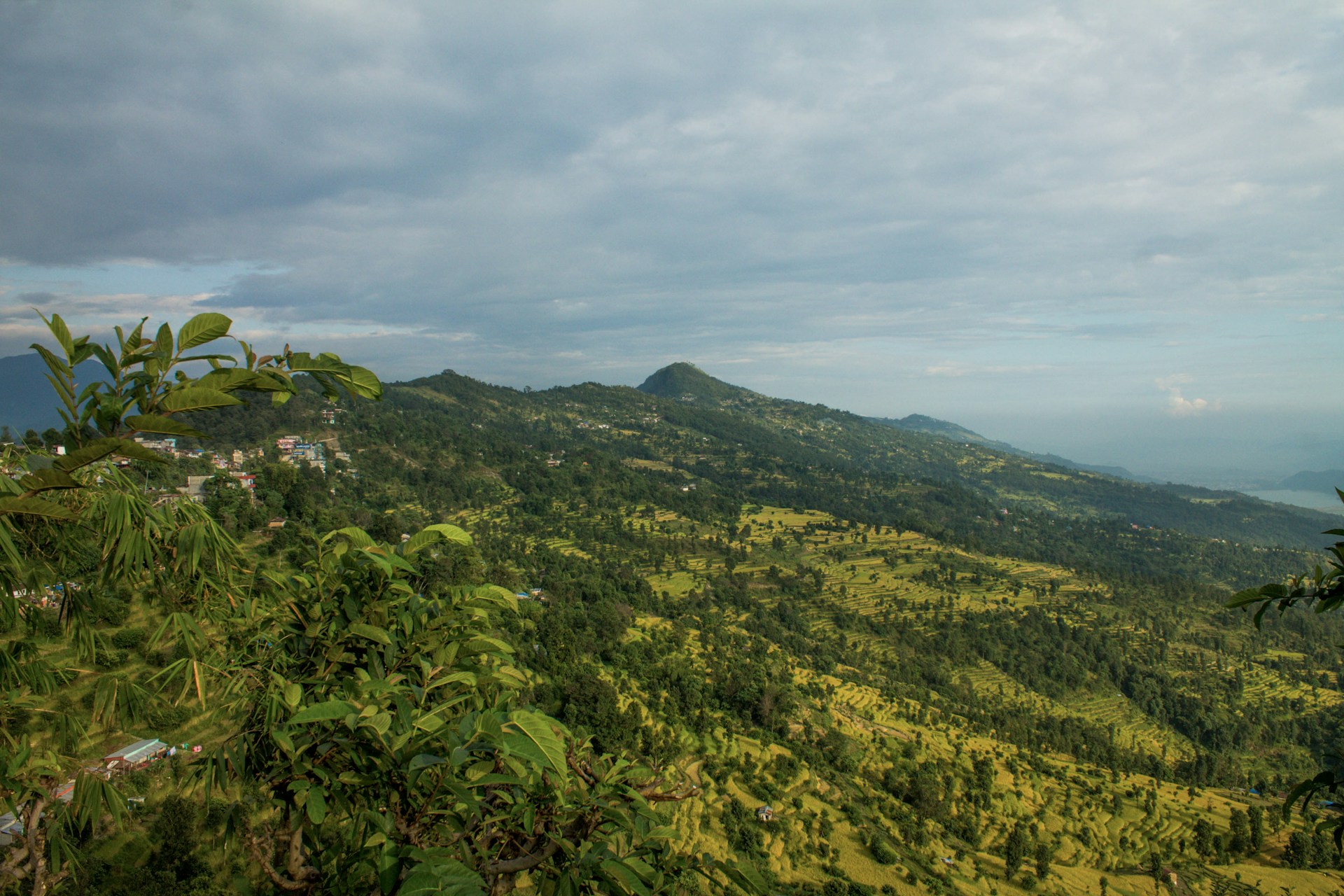
Nepal’s trekking routes are generally safe and well managed, especially on popular trails. Many routes are used by trekkers every day, which helps keep paths clear and easy to follow. Local communities depend on trekking, so safety is taken seriously.
Here are the main safety conditions to know:
- Well-marked trails: Popular routes have clear paths and signs, which makes it less likely that you’ll get lost.
- Regular tea houses: Most routes have lodges which have food, shelter, and basic help if you need it.
- Trained guides and porters: Licensed guides know the trails, weather patterns, and safety rules.
- Rescue services: In most trekking areas, you can get help from a helicopter in case of an emergency.
- Weather awareness: Trekking seasons are well known, and conditions are stable during spring and autumn.
Most trekking routes pass through friendly villages where locals are helpful. Walking slowly, checking the weather, and following local advice are all simple safety tips that make trekking safer. Nepal’s trekking routes are safe for beginners as long as they plan ahead and get the right help.
Common Risks & How Beginners Can Avoid Them
Trekking in Nepal for beginners is safe, but beginners should understand some common risks. If you know about these risks and how to avoid them, the trip will be more fun and less stressful.
- Altitude sickness: When you climb too high too quickly, you can get altitude sickness. Walk slowly, take days off, drink a lot of water, and never ignore headaches or dizziness.
- Weather changes: The weather in the mountains can change quickly. Always check the weather before you go, bring warm clothes, and don’t hike in heavy rain or snow.
- Physical tiredness: For beginners, long walks can be hard. Begin with easy hikes, take breaks often, and practice walking short distances before the trip.
- Slips and falls: Trails that aren’t level can be slippery. Use trekking poles to help you keep your balance and wear good trekking shoes.
- Getting lost: Some trails have paths that go off to the side. Follow marked paths, go with a guide, and don’t walk alone late in the day.
- Food and water issues: Eating or drinking unsafe food or water can make you sick. Eat fresh food and drink water that has been boiled or treated.
By planning well, walking at a steady pace, and listening to local advice, beginners can avoid most risks and enjoy a safe trekking experience in Nepal.
Best Trekking Routes in Nepal for Beginners
Nepal has many beginner-friendly trekking routes that are safe, scenic, and easy to enjoy. These treks have well-marked trails, regular tea houses, and do not require technical skills. Most routes stay below very high altitude or include proper acclimatization. Beginners can walk slowly and enjoy the mountains, villages, forests, and local culture.
Here are some of the best routes for trekking in Nepal for beginners:
Ghorepani Poon Hill Trek
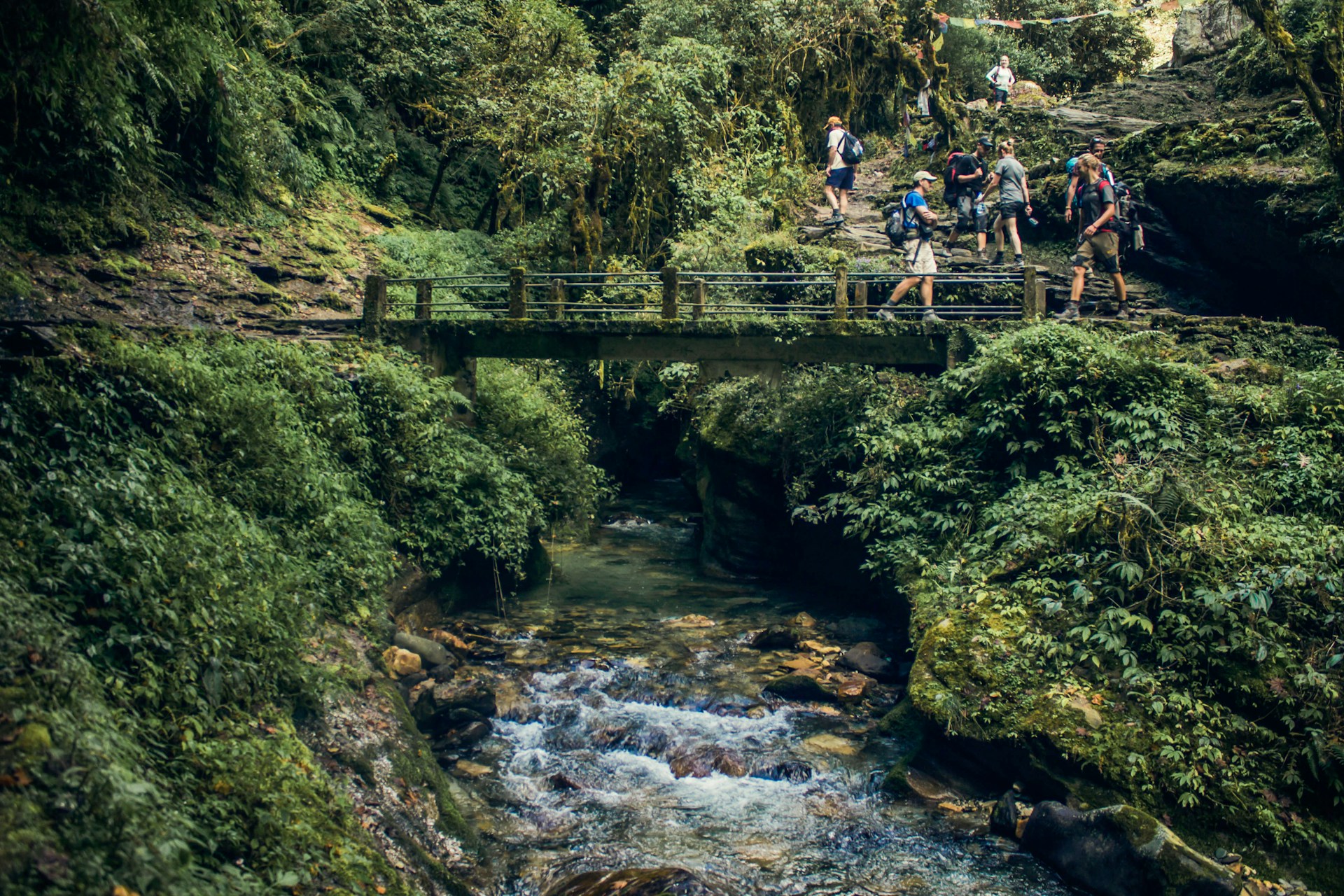
The Ghorepani Poon Hill Trek is one of the best choices for beginners in Nepal.
- Duration is usually 4–5 days
- Maximum elevation is about 3,210 meters at Poon Hill
- Trails pass through rhododendron forests and stone villages
- Known for the the breaking views of sunrise at Poon Hill, which proving stunning views of Annapurna and Dhaulagiri
The paths are wide and safe, and there are tea houses open every day. This hike isn’t too long or hard, so it’s great for beginners who want to see big mountains without putting themselves in danger.
Mardi Himal Trek
The Mardi Himal Trek is suitable for beginners who want quieter trails.
- Duration is about 5–7 days
- Maximum elevation is around 4,500 meters at Upper View Point
- Trails pass through forests, ridges, and mountain meadows
- Stunning views of Machhapuchhre and Annapurna South
The trek is short and can be done slowly, even though it goes up higher. It is easy for beginners and very rewarding if you have basic fitness and a guide.
Langtang Valley Trek
The Langtang Valley Trek is a great beginner trek near Kathmandu.
- Takes around 7–10 days
- Maximum elevation is about 3,870 meters at Kyanjin Gompa
- Gradual ascent helps with altitude adjustment
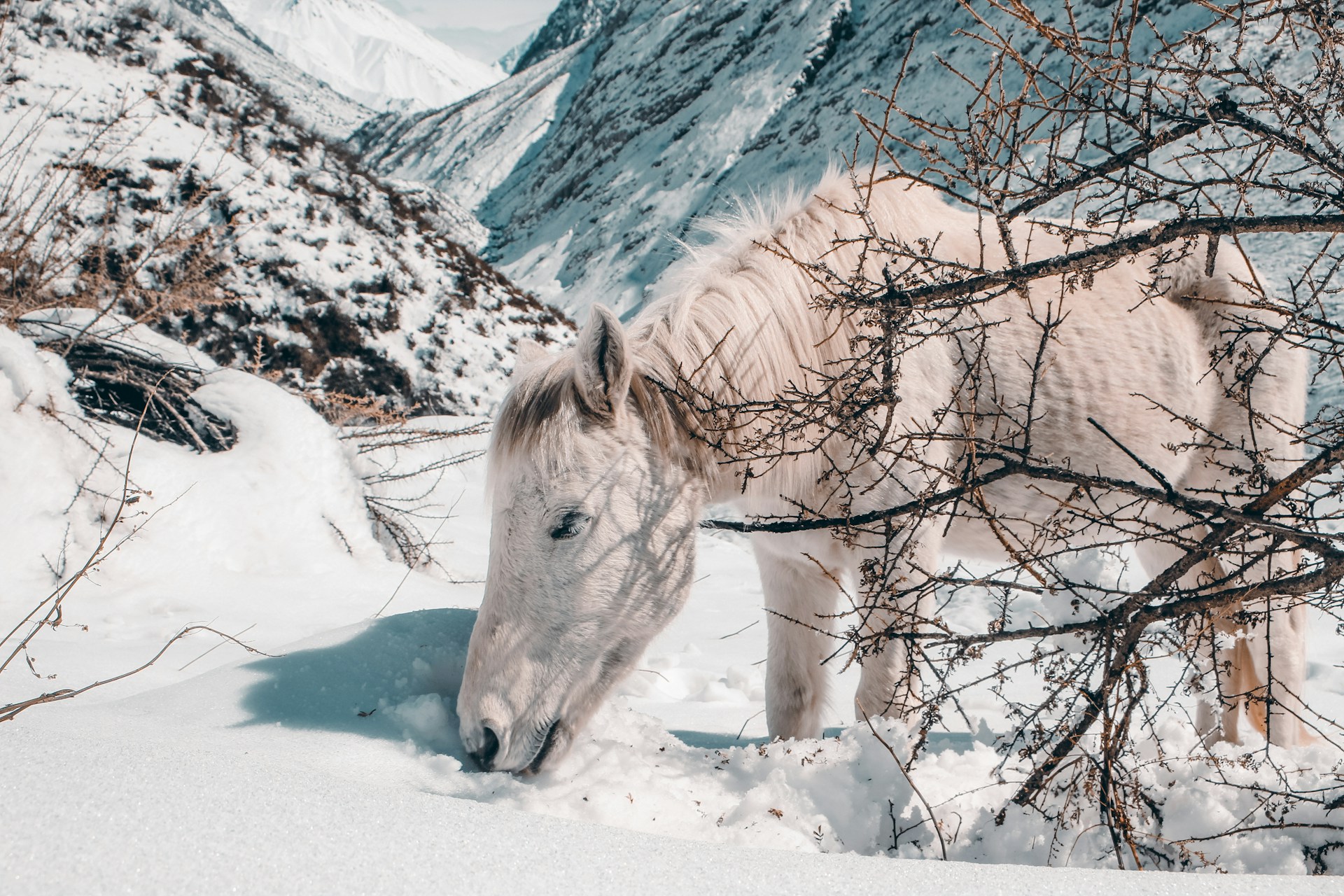
- You can see snow-capped peaks, glaciers, and yak pastures from here.
The path is quiet and not very busy. Along the way, villages offer warm places to stay and food. Beginners can safely enjoy this beautiful Himalayan valley if they take their time and take breaks.
Dhampus & Australian Camp Trek
The Dhampus & Australian Camp Trek is one of the easiest treks in Nepal.
- Usually completed in 2–3 days
- Maximum elevation is about 2,100 meters
- Short walking hours each day
- Close to Pokhara with easy road access
This hike is great for families, beginners, and older people who like to hike. It has village life, terraced fields, and views of the mountains without much physical effort.
Trekking Difficulty Levels Explained (Easy vs Moderate)
When planning a trek in Nepal, it is important to understand trekking difficulty levels. This helps beginners choose the right route and enjoy the journey safely. In Nepal, treks are usually rated as easy or moderate based on how high they are, how well the trail is maintained, and how many hours a day you walk. There are also difficult level treks which aren’t suitable for beginners and need some previous trekking experience and good fitness level to handle the trek.
Easy Trekking in Nepal for Beginners
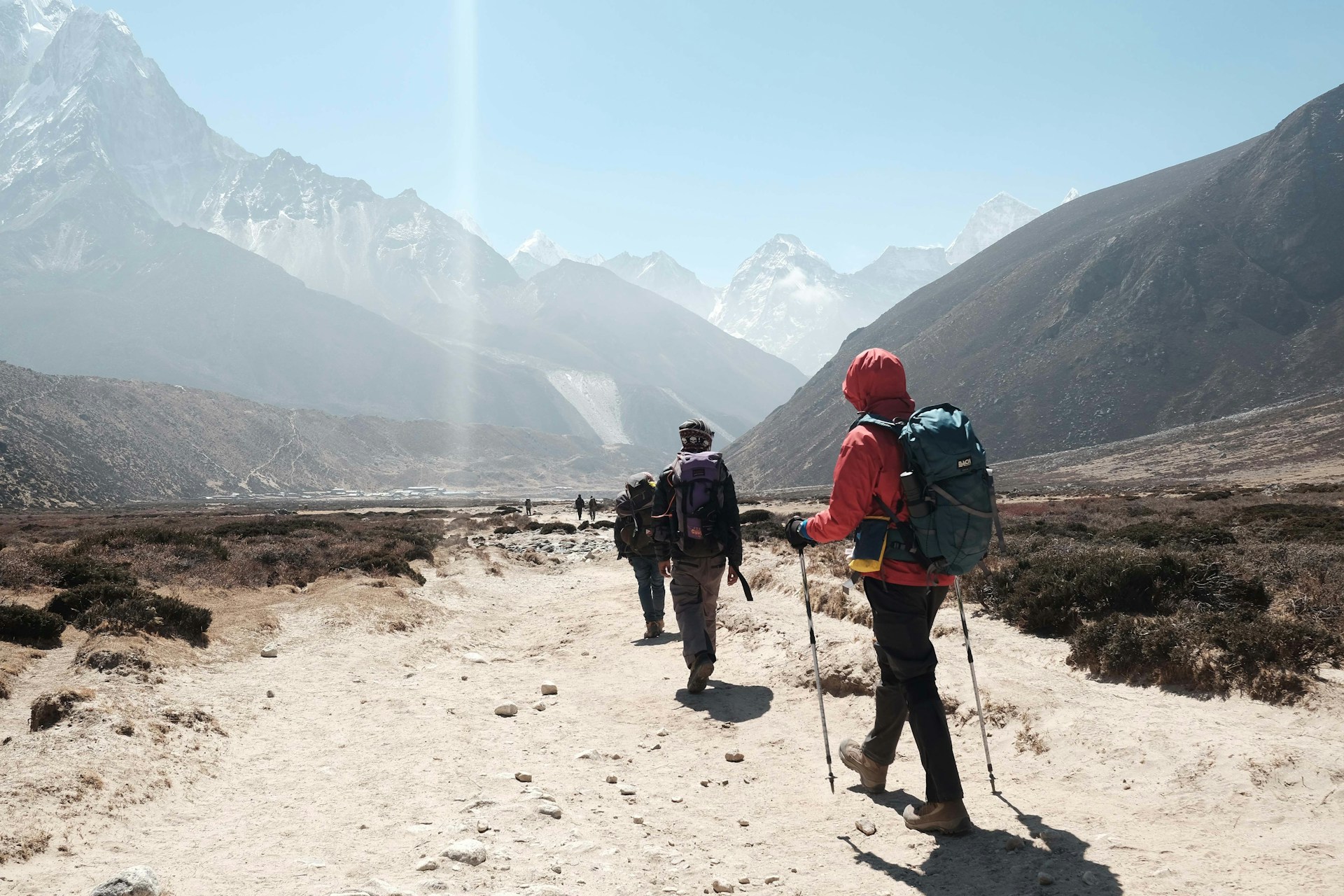
These types of treks are best for first-time trekkers and families. The routers on this type of trek stay at lower elevations, usually below 3,000 meters. Walking time is short, around 3 to 5 hours a day. Trails are wide, well-marked, and often pass through villages and forests. There are tea houses along the way, so it’s easy to find food and a place to rest.
Dhampus & Australian Camp and Ghorepani Poon Hill (short version) are two of the most popular easy hikes. You don’t need to be very fit or walk a lot to do these treks.
Moderate Trekking in Nepal for Beginners
These treks need a bit more effort but are still suitable for beginners with good fitness. The routes in these treks often reach higher altitudes, between 3,000 and 4,000 meters. Daily walking time can be 5 to 7 hours. Trails might have steep climbs, stone steps, and longer distances between villages. It’s important to pace yourself, take breaks, and drink enough water. Mardi Himal and Langtang Valley are two examples of this kind of trek.
The key difference between easy and moderate treks is altitude and endurance. Easy treks focus on comfort and short walks, while moderate treks require stamina and careful planning. Beginners can safely and confidently enjoy Nepal’s mountains by picking the right level of difficulty.
Cost of Trekking in Nepal for Beginners
The cost of trekking in Nepal for beginners depends on the route, duration, and trekking style. Nepal is known as an affordable trekking destination, especially for first-time trekkers. Beginners can expect to spend between $25 and $40 a day on a basic trek without a guide, which includes food and lodging.
Guided treks cost more, but they come with extra help and safety. There are extra costs for permits, transportation, and gear rental. Short and easy hikes near Pokhara or Kathmandu are usually less expensive than hikes at higher altitudes. With good planning, beginners can enjoy a safe and comfortable trekking experience without spending too much money.
Budget Trekking Cost Breakdown
For beginners, budget trekking in Nepal is very manageable if costs are planned well.
Below is a simple breakdown of common expenses:
- Accommodation: On easy and moderate routes, tea houses cost between $5 and $10 per night.
- Food: Each meal costs between $4 and $8. It could cost $15 to $25 for three meals a day.
- Permits: Trekking permits usually cost USD 20–50, depending on the region.
- Transportation: Local buses cost USD 5–10, while tourist vehicles cost more.
- Gear Rental: Items like sleeping bags and jackets can be rented for USD 1–3 per day.
- Miscellaneous: Charging devices, hot showers, and Wi-Fi may cost extra.
In total, a beginner on a budget trek can spend around USD 30–40 per day, making Nepal one of the best low-cost trekking destinations in the world with its breathtaking sceneries to see.
Budget vs Guided Trekking
Beginners often choose between budget trekking and guided trekking. Both options have clear differences.
-
Budget (Independent) Trekking:
- Lower daily cost
- More freedom and flexibility
- Suitable for easy, well-marked trails
- Requires basic planning and confidence
-
Guided Trekking:
- Higher cost but more comfort
- Includes guide, permits, and logistics
- Better safety and local knowledge
- Good for people who are hiking for the first time and on moderate trails
Budget trekking is good for beginners who prefer independence and simple routes. But guided trekking is even better for those who want support, safety, and stress-free travel.
Many beginners choose guided trips with local agencies in Nepal like Skyline Treks to enjoy a smooth and secure trekking experience in Nepal.
Best Time for Trekking in Nepal for Beginners
The best time for trekking in Nepal for beginners is during spring (March–May) and autumn (September–November). These seasons offer clear skies, moderate temperatures, and safe trail conditions, making trekking comfortable and enjoyable. The weather is stable during these months, and the mountains are very clear, which lowers the risk of problems related to high altitudes.
Beginner-friendly trails like Ghorepani Poon Hill, Dhampus Sarangkot, and Langtang Valley along with other treks like EBC trek, Island Peak climbing or Nepal tours like Kathmandu tour, Pokhara tour, Chitwan tour are especially pleasant during these seasons. Avoiding extreme weather and heavy rainfall ensures a smooth experience.
Spring Season (March–May)
- Weather: The weather is mild and pleasant, with temperatures in the lower regions between 10°C and 20°C.
- Trail Conditions: Dry and easy to walk; snow is mostly melted on lower trails.
- Scenery: Rhododendron forests bloom in bright colors, adding beauty to the trek.
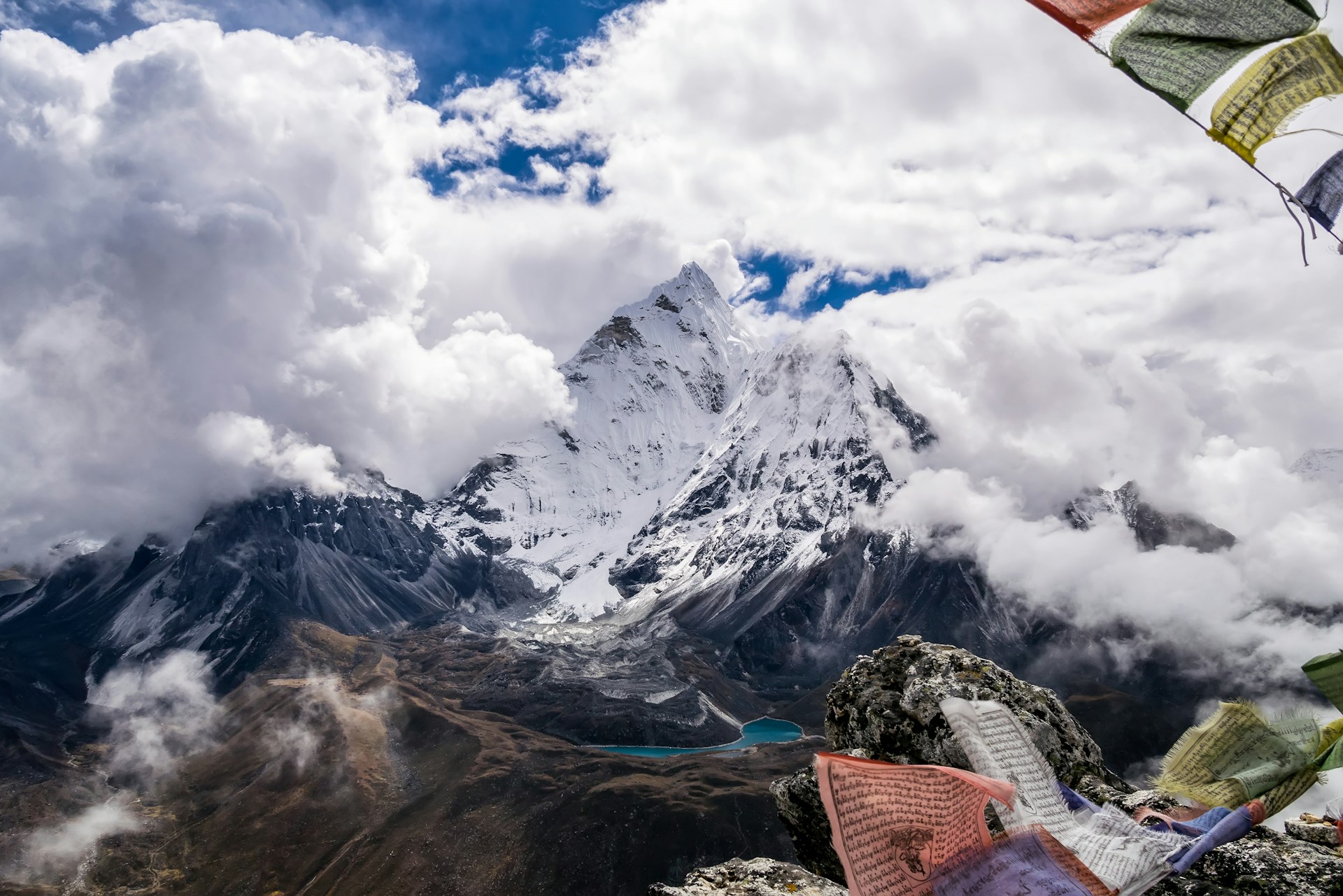
- Mountain Views: Clear skies provide excellent views of Annapurna, Machhapuchhre, and Everest.
- Advantages for Beginners: For beginners, the trails are safe, the days are long, and the weather is good for walking.
- Cultural Experiences: Villages are lively after winter; festivals like Holi may add cultural interest.
Spring is a great time for beginners because the weather is mild, the views are great, and the scenery is beautiful.
Autumn Season (September–November)
- Weather: The weather is cool and clear, with temperatures in the trekking areas between 8°C and 18°C.
- Trail Conditions: Dry and stable; there is less of a chance of landslides than during the monsoon.
- Mountain Views: This is considered the best season for panoramic Himalayan views.
- Advantages for Beginners: The weather is just perfect to trek, the trails are safe, the views are just breathtaking and also some routes may be less crowded.
- Festivals: Dashain and Tihar also happen during this season which add cultural richness to the trekking experience.
- Wildlife & Nature: Fresh rivers, green forests, and thriving wildlife enhance the trek.
Autumn is the best time for first-time trekkers because the weather is stable, the views are great, and there are also lots of interesting cultural things to do making it a very memorable time to experience.
Is Winter or Monsoon Suitable for trekking in Nepal for Beginners?
- Winter (December–February):
- Temperatures drop below freezing in higher regions.
- For beginners, trails can be icy and dangerous.
- Short daylight hours make trekking more challenging.
- Monsoon (June–August):
- Heavy rain causes slippery paths, landslides, and blocked trails.
- Clouds and fog often hide mountain views.
- When it’s humid and wet, it’s harder to walk, making it a very dangerous time to trek.
Winter and the monsoon are not good times for first-time trekkers. These seasons are more dangerous because of the bad weather, low visibility, and hard-to-follow trails. Beginners should stick to spring or autumn, when trails are safe, weather is mild, and scenery is spectacular.
What to Pack for Trekking in Nepal for Beginners
Packing the right gear is key to a safe and enjoyable trekking experience in Nepal, especially for beginners.
Here’s a simple checklist to help first-time trekkers prepare.
Clothing:
- Layered clothing: Base layers for moisture, mid-layers for warmth, and outer waterproof jackets.
- Trekking pants and shorts: Comfortable for walking long hours.
- Warm hat and gloves: Important at higher altitudes.
- Extra socks and undergarments: Keep your feet dry to avoid blisters.
Footwear:
- Sturdy trekking boots: Waterproof and broken in before the trek.
- Lightweight sandals or flip-flops: For evenings at tea houses.
Gear & Accessories:
- Daypack: For water, snacks, and essentials.
- Trekking poles: Helps with balance on steep or uneven trails.
- Water bottles or hydration system: Stay hydrated at all times.
- Sunglasses and sunscreen: Protect from strong UV at higher altitudes.
- Headlamp or flashlight: Useful for early starts or evening walks.
- Sleeping bag (if needed): Check if tea houses provide bedding.
Personal & Health Items:
- Basic first aid kit, medications, hand sanitizer, and tissues.
- Snacks for energy between meals.
Beginners should pack light but smart, putting comfort and safety first. This checklist will help you have a smooth trek on beginner-friendly trails like the Dhampus Sarangkot trek or Ghorepani Poon Hill, as well as other treks.
Trekking Permits Beginners Must Know About
If you are planning your first trek in Nepal, understanding the permits required is essential. Permits help keep people safe, protect the environment, and help local communities. Nepal’s different areas have different requirements.
Here are the main permits beginners should know about:
- TIMS Card (Trekkers’ Information Management System):
- Mandatory for all trekkers outside the Kathmandu Valley.
- Ensures trekkers are registered for safety and tracking purposes.
- Two types: Independent Trekker TIMS and Group TIMS.
- National Park or Conservation Area Permits:
- Required for trekking inside protected areas such as:
- Annapurna Conservation Area Permit (ACAP) – for Ghorepani, Annapurna Base Camp, and Dhampus.
- Sagarmatha National Park Permit – for Everest and Khumbu Valley treks.
- Langtang National Park Permit – for Langtang region treks.
- Permit fees vary depending on the area and season.
- Restricted Area Permits:
- These are needed for places like Upper Mustang or Manaslu, where the rules are stricter.
- Usually include mandatory guide and agency support.
- Local Municipality or Entry Fees:
- Some trails may charge small fees to help the village development.
Tips for Beginners:
- Always have your original permits with you.
- Permits can be obtained in Kathmandu, Pokhara, or at official checkpoints.
- Guided trekking packages usually come with permits, which makes it easier for people who are new to the activity.
Understanding and obtaining these permits is crucial for a safe, legal, and smooth trekking experience.
Final Tips & How to Start Your First Trek in Nepal
Starting your first trek in Nepal can be an exciting and life-changing experience. To make it safe and enjoyable, proper preparation is key. Begin by choosing a trek suitable for beginners, such as Ghorepani Poon Hill, Dhampus Sarangkot, or Mardi Himal. These paths are pretty easy to follow, have clear signs, and give you great views of the mountains. Plan your hike for the best times of year, which are spring (March to May) or fall (September to November), when the weather is mild, the skies are clear, and the trails are safe.
Next, focus on fitness, gear, and safety. Even easy treks require walking 3–6 hours a day on uneven terrain. Prepare with regular cardio, walking, or hiking before your trip. Pack wisely with essentials like layered clothing, trekking boots, water bottles, first aid kits, and sun protection.
Beginners should also consider hiring a guide and/or porter for more feasibility and comfort, which ensures safety, cultural insight, and reduced physical strain. Make sure all permits, such as TIMS cards and National Park permits, are secured in advance, either independently or through a trusted agency like Skyline Treks.
Finally, enjoy the trip and take it one step at a time. Start with shorter hikes to get used to hiking at high altitudes and gain confidence over time. Talk to people in the area, enjoy the beautiful views, and take breaks when you need them. Drink enough water, follow the rules for safety, and respect the way things are done in the area. By planning carefully, preparing physically, and seeking guidance when needed, beginners can have a safe, memorable, and enjoyable trekking adventure in Nepal that inspires future trips to the Himalayas.