

What to Do in Kathmandu Valley: Top Attractions and Must-See Places
Introduction to Kathmandu Valley
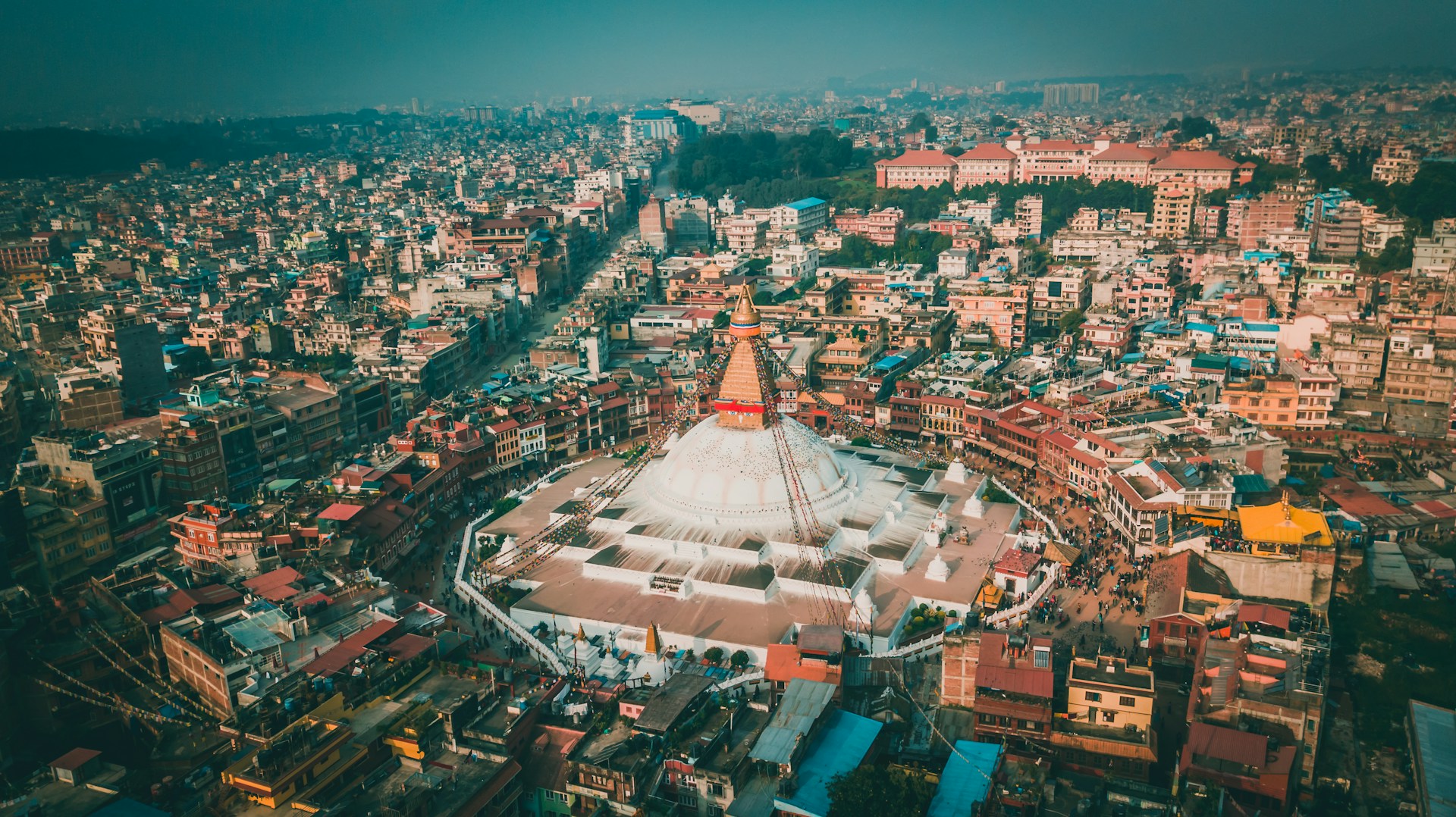
Kathmandu Valley is the cultural and historical heart of Nepal, surrounded by hills and mountains. It includes three main cities: Kathmandu, Patan, and Bhaktapur, each with its own unique heritage, temples, palaces, and lively markets. Because of its rich history and architecture that is hundreds of years old, people often call the valley a living museum.
If you are wondering what to do in Kathmandu Valley, here are some highlights:
- Kathmandu UNESCO Sites: Explore temples, squares, and palaces recognized for their historical and cultural significance.
- Patan Durbar Square: Patan Durbar Square is known for its beautiful Newar architecture, old temples, and workshops for artisans.
- Bhaktapur Sightseeing: Walk through medieval streets, see traditional pottery, and taste authentic local food.
- Festivals and Culture: Experience colorful festivals, cultural performances, and traditional crafts.
- Nepalese Cuisine: Enjoy local dishes and street food in the busy streets and markets.
Kathmandu Valley is also a starting point for adventures in the Himalayas. It is the starting point for many trekking routes, such as the Everest region trails, the Langtang trek, and the Annapurna treks. Visitors can combine city exploration with trekking preparation, short scenic hikes, or acclimatization days.
From historic city tours to Himalayan adventures, Kathmandu Valley offers a perfect blend of culture, history, and natural beauty, making it a must-visit destination for anyone traveling to Nepal.
Why Visit Kathmandu Valley?
Kathmandu Valley is one of the most vibrant and culturally rich destinations in Nepal, offering something for every traveler. It has a lot of history, art, spirituality, and adventure, so anyone who is visiting the country should go there.
Here’s why you should visit Kathmandu Valley:
- Rich Cultural Heritage: There are old temples, palaces, and squares in the valley, some of which are UNESCO World Heritage sites. Kathmandu, Patan, and Bhaktapur are examples of traditional Newar architecture and craftsmanship that have been around for hundreds of years.
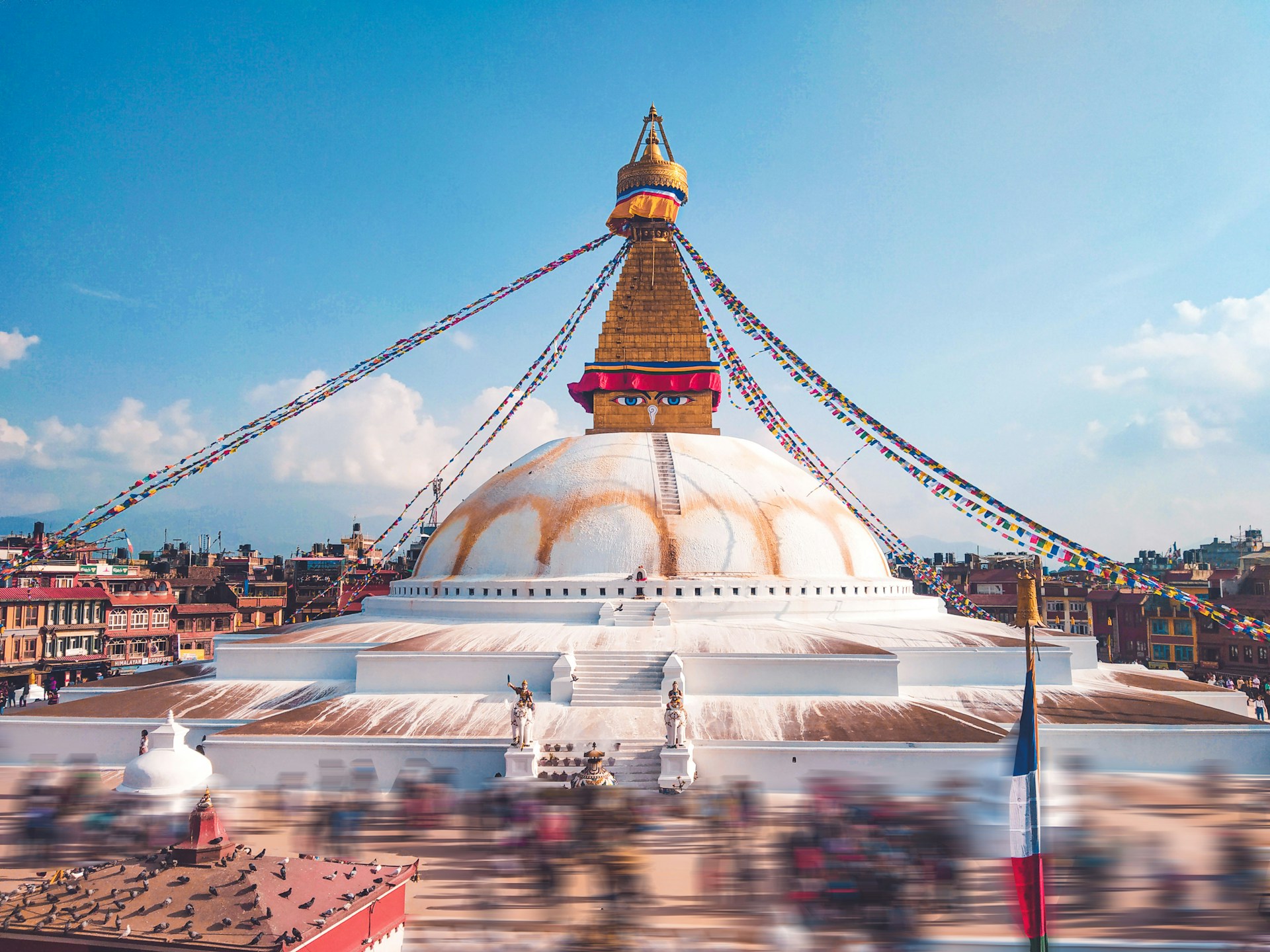
- Religious Significance: The Kathmandu Valley is home to many important Buddhist and Hindu sites, such as the Swayambhunath (Monkey Temple), the Pashupatinath Temple, and the Boudhanath Stupa. Visitors can witness daily rituals and spiritual ceremonies.
- Vibrant Local Life: Visit markets, craft shops, and streets full of local food and crafts. The valley’s lively culture lets visitors see what life is like in Nepal.
- Gateway to Adventure: Kathmandu Valley serves as a starting point for Himalayan trekking and adventure activities. Treks to Everest, Langtang, and Annapurna regions begin here, making it perfect for combining culture with adventure.
- Festivals and Events: The valley has colorful festivals and cultural performances all year long, which give visitors a full experience.
Visiting Kathmandu Valley allows you to experience Nepal’s history, spirituality, and culture in one place.
Top Attractions in Kathmandu Valley
Kathmandu Valley is a hub of culture, history, and spirituality, filled with temples, palaces, and vibrant streets. Visitors can see Nepal’s rich history on a tour of the valley, which includes UNESCO World Heritage sites and ancient monuments.
Kathmandu Durbar Square, Pashupatinath Temple, Boudhanath Stupa, Patan Durbar Square, Bhaktapur Durbar Square, Swayambhunath (Monkey Temple), and Changunarayan Temple are some of the most popular places to visit in the valley. Each site gives you a different look at Nepal’s architecture, religious customs, and daily life.
Exploring these sites is not only visually stunning but also educational, giving insight into the history, art, and culture of the Kathmandu Valley.
1. Kathmandu Durbar Square
- Kathmandu Durbar Square is in the middle of the city and is a UNESCO World Heritage Site.
- There are old palaces, temples, and courtyards that show how Newar architecture has changed over the years.
- Highlights include the Kumari Ghar, home of the living goddess, and Hanuman Dhoka Palace, where Nepali kings once lived.
- There are a lot of local markets, street food, and artisans in the square, which makes for a lively cultural experience.
- Visitors can admire intricate wood carvings, stone statues, and traditional architecture throughout the area.
- It’s great for people who love taking pictures, learning about other cultures, and history.
- Many guided tours tell the stories behind each palace and temple, which makes the experience better for visitors.
- Kathmandu Durbar Square is not just a tourist spot—it is a living center of city life, festivals, and rituals, making it a must-see on any Kathmandu Valley itinerary.
2. Pashupatinath Temple
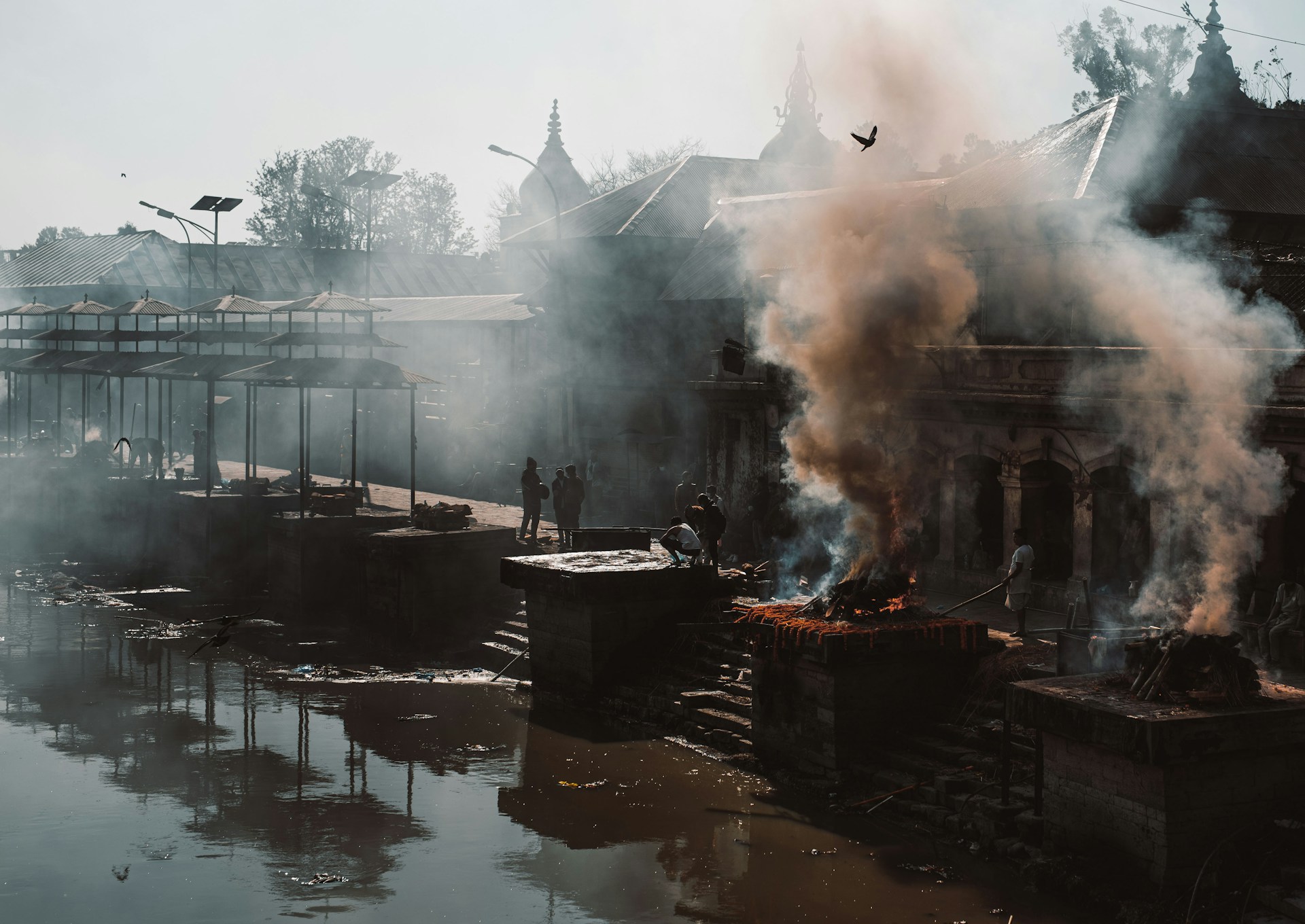
- Pashupatinath Temple is one of the most sacred Hindu temples in Nepal, dedicated to Lord Shiva.
- It is on the banks of the Bagmati River and draws thousands of pilgrims, especially during the Maha Shivaratri festival.
- The temple complex has fancy pagoda-style buildings, roofs covered in gold, and stone sculptures.
- Non-Hindus can view the temple from designated areas while exploring ash-filled cremation ghats along the river, which are an important part of Hindu rituals.
- The area is also home to sadhus (holy men) and local markets, providing insight into daily spiritual life.
- Guided tours help people understand the temple’s religious meaning, rituals, and cultural practices.
- You can’t take pictures inside the temple, but the riverbanks and outer courtyards are great places to take pictures.
- If you want to learn about Hindu traditions and Nepalese culture, Pashupatinath Temple is a must-see.
3. Boudhanath Stupa
- Boudhanath Stupa is one of the largest stupas in Nepal and a UNESCO World Heritage site.
- It is a major center of Tibetan Buddhism that draws in monks, pilgrims, and tourists.
- There are prayer wheels, smaller shrines, and monasteries all around the stupa’s huge white dome and golden spire.
- Visitors can walk clockwise around the stupa, spinning prayer wheels as a spiritual practice.
- There are many Tibetan shops, cafes, and craft stores on the streets nearby, which makes the area lively.
- Festivals like Losar (Tibetan New Year) bring the stupa alive with rituals, prayers, and colorful celebrations.
- Guided tours explain the history, symbolism, and architecture of the stupa, enhancing the visitor experience.
- Boudhanath Stupa is a must-see in the Kathmandu Valley for anyone who wants to reflect on their spirituality, learn about the culture, or take pictures.
4. Patan Durbar Square
- Patan Durbar Square, also called Lalitpur Durbar Square, is a UNESCO World Heritage site renowned for its exquisite Newar architecture.
- There are old palaces, courtyards, and temples in the square that are dedicated to Hindu and Buddhist gods.
- The Krishna Mandir, which is known for its stone carvings, and the Hiranya Varna Mahavihar, an old Buddhist monastery, are two of the most important places to see.
- Visitors can see small museums, local markets, and workshops where artisans make things like pottery, metalwork, and wood carving.
- There are festivals, rituals, and street performances all year long in the square, which is a lively cultural center.
- Guided tours explain the historical significance of each temple, palace, and artifact, giving travelers a deeper understanding of Patan’s rich heritage.
- Photography enthusiasts will enjoy intricate carvings, colorful ceremonies, and the bustling city life.
- Anyone who is interested in history, architecture, or traditional Nepalese culture should visit Patan Durbar Square. It is a must-see on any Kathmandu Valley trip.
5. Bhaktapur Durbar Square
- Bhaktapur Durbar Square is one of the most well-preserved medieval cities in Nepal and a UNESCO World Heritage site.
- The square has old temples, palaces, and courtyards that show off the skill of Newar craftsmen over the years.
- The 55-Window Palace, Vatsala Temple, and Nyatapola Temple, which is the tallest pagoda-style temple in Nepal, are some of the most important things to see.
- Bhaktapur is also famous for traditional pottery, wood carvings, and local handicrafts, which can be seen in nearby artisan workshops.
- Visitors can try local foods, such as the famous Newari dishes like king curd (juju dhau) and other traditional snacks.
- Guided tours help explain the history, architecture, and festivals celebrated in Bhaktapur, adding context to the experience.
- Photography enthusiasts will love the intricate carvings, stone statues, and the overall medieval charm of the city.
- Bhaktapur Durbar Square is perfect for travelers seeking a cultural, historical, and immersive experience, offering a glimpse into Nepal’s rich heritage.
6. Swayambhunath (Monkey Temple)
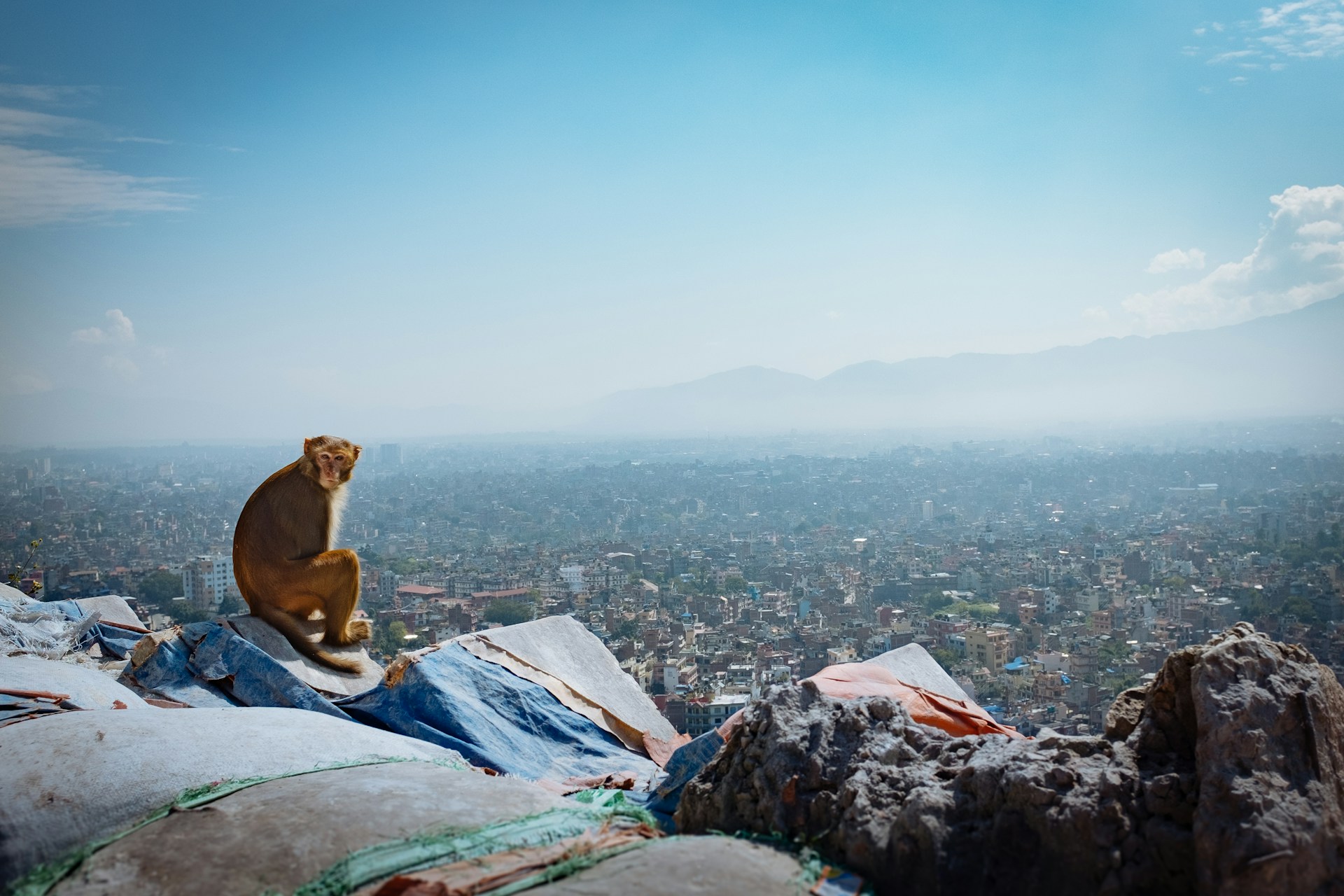
- Swayambhunath, popularly known as the Monkey Temple, is a UNESCO World Heritage site and a major Buddhist pilgrimage site.
- It is on a hill that looks down on the Kathmandu Valley and has a view of the city and the mountains around it.
- There are stupas, shrines, monasteries, and prayer wheels in the temple complex, as well as the famous white dome and golden spire.
- Visitors can observe monks chanting prayers, locals performing rituals, and monkeys roaming freely around the hill.
- The climb involves a flight of 365 steps, making it a short but rewarding hike for stunning views and spiritual atmosphere.
- Guided tours explain the history, legends, and symbolism behind the temple, enriching the visitor experience.
- Photography enthusiasts will enjoy capturing the golden spire, colorful prayer flags, and the valley panorama.
- Swayambhunath is one of the best places to visit in the Kathmandu Valley for people who are interested in Buddhist culture, spirituality, and stunning views.
7. Changunarayan Temple
- Changunarayan Temple is the oldest Hindu temple in Nepal, dedicated to Lord Vishnu, and a UNESCO World Heritage site.
- The temple is on a hilltop and has great views of the Kathmandu Valley. It is both a spiritual and a scenic place to visit.
- There are detailed carvings in wood and stone, statues of Hindu gods, and a pagoda-style roof that is very beautiful.
- Visitors can learn about ancient Hindu traditions, rituals, and Nepalese history from local guides.
- The temple complex includes smaller shrines, holy ponds, and ceremonial spaces for festivals.
- A short walk around the temple allows tourists to enjoy peaceful surroundings, local flora, and valley views.
- The light in the morning and late afternoon is great for taking pictures here, as it brings out the temple’s architecture and scenery.
- Changunarayan Temple is a great place for tourists who want to learn about culture, religion, and history. It is a great way to round out a trip to Kathmandu Valley’s best attractions.
Best Time to Explore Kathmandu Valley
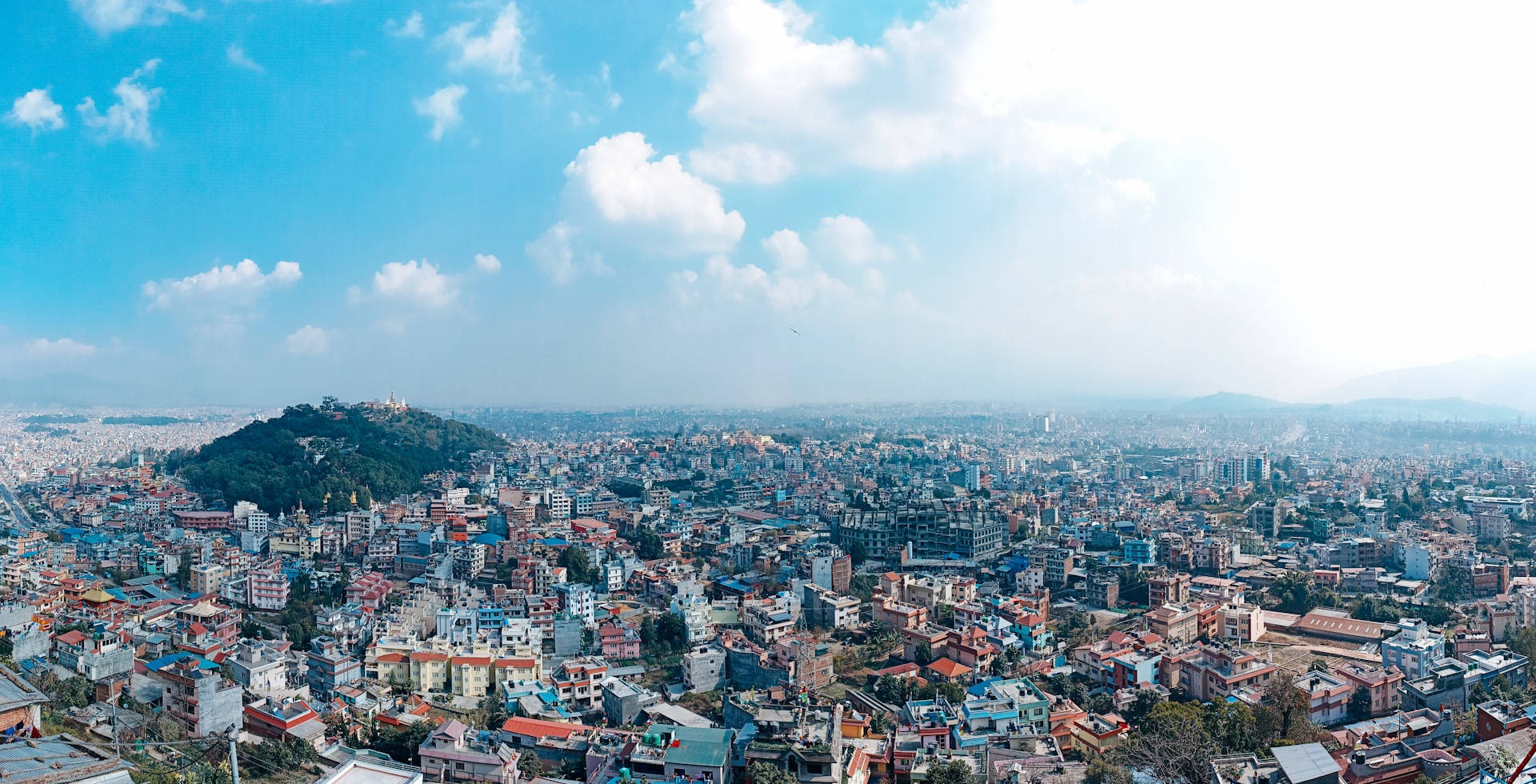
Kathmandu Valley is a year-round destination, but certain seasons offer the clearest skies, pleasant weather, and the best overall experience. If you know when to go, you can make your plans for sightseeing and trekking more fun.
Spring (March–May):
- Spring is one of the most popular times to visit Kathmandu Valley.
- The weather is mostly clear and the temperatures are mild, between 15°C and 25°C.
- This time of year is great for visiting UNESCO World Heritage Sites, temples, and squares, as well as enjoying the flowers and green spaces that are in bloom.
Autumn (September–November):
- Autumn is considered the best season for cultural and outdoor activities.
- After the monsoon, the air is clear and fresh, and you can see beautiful mountains from nearby places like Swayambhunath and Sarangkot.
- During this time, there are also festivals like Dashain and Tihar, which give you a taste of the culture.
Winter (December–February):
- Winter is cooler, with temperatures between 5°C and 15°C.
- Mornings can be foggy, but it’s a quieter time with fewer tourists, so sightseeing is peaceful and not as crowded.
Monsoon (June–August):
- Monsoon brings heavy rainfall, which can cause traffic delays, slippery roads, and limited visibility.
- Even though the valley is green and lush, you might not be able to see things outside.
For the best experience, plan your visit during spring or autumn, combining city exploration with trekking or cultural tours.
Trusted agencies like Skyline Treks can help you schedule activities according to the season, ensuring a comfortable, safe, and memorable visit.
What to Do in Kathmandu Valley: Cultural Experiences and Activities
Kathmandu Valley is a treasure trove of culture, tradition, and spirituality, offering visitors unique experiences that go beyond sightseeing. Kathmandu, Patan, and Bhaktapur are the valley’s cities. They are full of history, with old temples, palaces, and busy markets that show how things have changed over the years.
Here are some cultural experiences and activities to enjoy:
- Temple Visits: Visit famous places like Pashupatinath, Swayambhunath (Monkey Temple), and Changunarayan Temple to see daily prayers, rituals, and festivals.
- Heritage Squares: Walk around Kathmandu Durbar Square, Patan Durbar Square, and Bhaktapur Durbar Square to see traditional Newar architecture, wood carvings, and stone sculptures.
- Local Festivals: Time your visit to experience Dashain, Tihar, or Indra Jatra, where colorful processions, traditional music, and dance fill the streets.
- Artisan Workshops: Visit metal, pottery, and woodcarving workshops to see craftsmen at work and even try your hand at local arts.
- Cultural Performances: Enjoy traditional music, dance, and mask shows that are usually held in courtyards or cultural centers.
- Local Cuisine: Sample authentic Nepali and Newari dishes like momo, dal bhat, and king curd (juju dhau) at local eateries and markets.
These activities allow travelers to immerse themselves in the valley’s living culture, gaining insight into Nepalese traditions, beliefs, and daily life.
Combining cultural exploration with sightseeing ensures a rich, memorable experience in Kathmandu Valley, offering more than just historical views—it’s a journey into the heart of Nepalese life..
What to Do in Kathmandu Valley: Day Trips from Kathmandu Valley
Kathmandu Valley is not only full of cultural and historical attractions but also serves as a gateway to nearby scenic and adventurous destinations. Visitors can easily plan day trips to see nature, history, and spiritual sites that are only a short drive from the city.
Here are some popular day trip options:
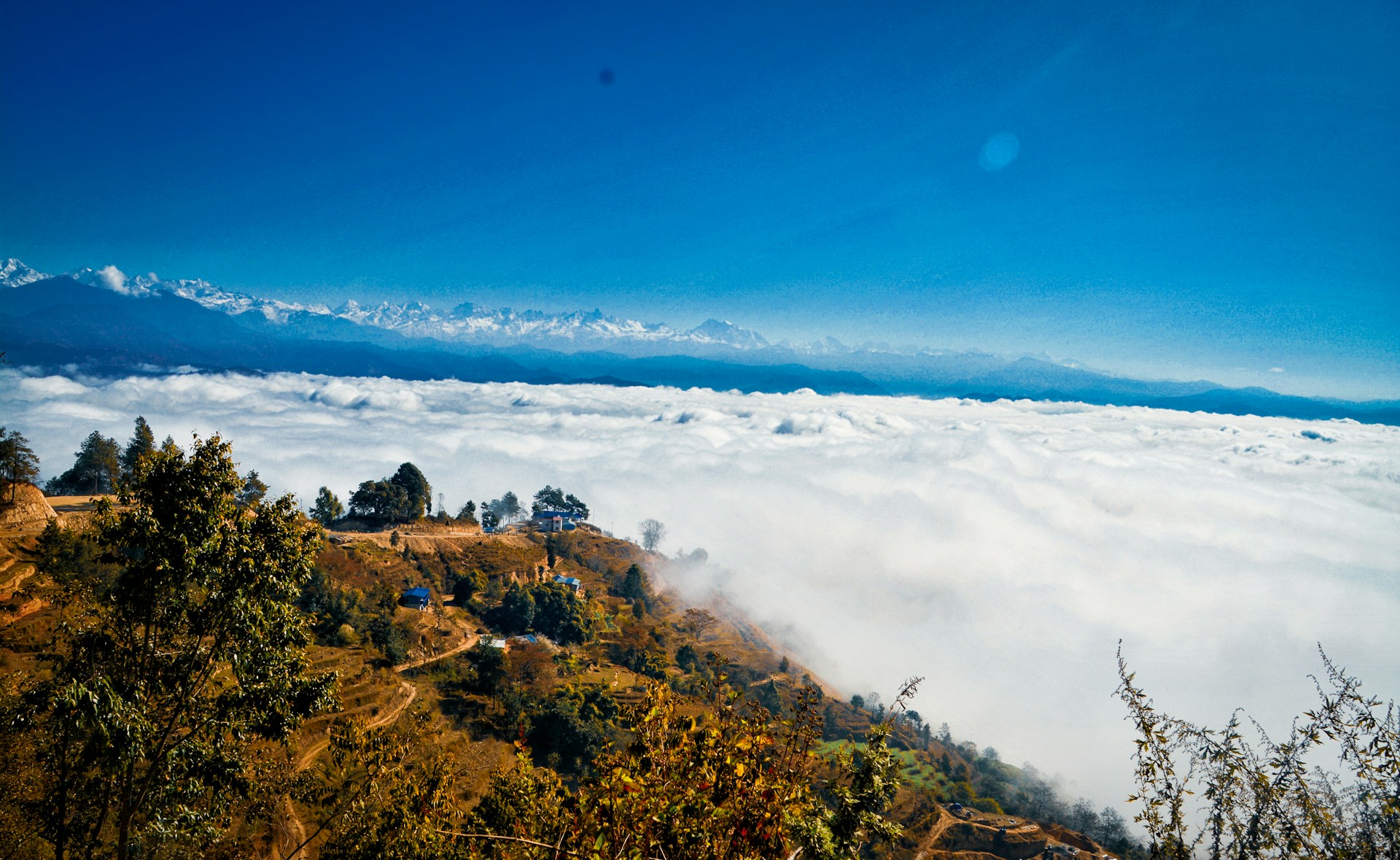
- Nagarkot: Nagarkot is about 32 km from Kathmandu and is known for its beautiful views of the Himalayas, including Mount Everest, at sunrise and sunset. It’s great for taking pictures, short hikes, and quiet walks in nature.
- Dhulikhel: Dhulikhel is 30 km east and has amazing views of the mountains and quiet hiking trails. People can walk around the village and learn about traditional Newari culture.
- Chandragiri Hills: You can take a cable car to get there. The views of the valley are amazing, and you can explore temples and local forests.
- Panauti: Panauti is a small historical town with ancient temples, cobblestone streets, and lively festivals. It’s a great place to learn about other cultures.
- Pharping: Pharping is a spiritual place with Buddhist monasteries, meditation caves, and holy shrines that give you a glimpse into Nepalese spiritual life.
These day trips are easily accessible by car, taxi, or guided tours, making them ideal for first-time visitors or those with limited time.
Exploring these nearby destinations allows travelers to combine cultural heritage with natural beauty, creating a more diverse experience of Kathmandu Valley.
Travel Tips for First-Time Visitors
Visiting Kathmandu Valley for the first time can be exciting and overwhelming. With its mix of ancient temples, bustling markets, and Himalayan views, it’s important to plan carefully to make the most of your trip.
Here are some helpful tips:
- Plan Your Itinerary: Choose which sites to see, like Pashupatinath Temple, Kathmandu Durbar Square, and Boudhanath Stupa. Also, plan time for day trips to Nagarkot or Dhulikhel or other places.
- Hire a Local Guide: Guides provide insight into history, culture, and rituals, making your visit more informative and enjoyable. Agencies like Skyline Treks offer professional guidance and safe transportation.
- Dress Appropriately: Many temples require that you wear clothes that cover your knees and shoulders. If you want to see the sights and walk around the streets, wear comfortable shoes.
- Stay Hydrated and Eat Safely: Drink bottled water and eat freshly cooked meals to avoid stomach issues. Trying local Nepali cuisine is a must, but choose reputable eateries.
- Carry Essentials: Bring sunscreen, hats, a reusable water bottle, a small first-aid kit, and a camera for taking pictures. These things are important for your comfort and safety.
- Respect Local Culture: Be polite, follow the rules at the temple, and ask permission before taking pictures of people or religious ceremonies to show respect for the local culture.
- Traffic Awareness: Traffic Awareness: The streets of Kathmandu can be crowded and crazy. Always be careful when you cross the street and pay attention to traffic signals.
By following these tips, first-time visitors can enjoy Kathmandu Valley safely, comfortably, and meaningfully, creating a memorable experience that combines culture, history, and adventure in Nepal.
Conclusion – Explore Kathmandu Valley Like a Local
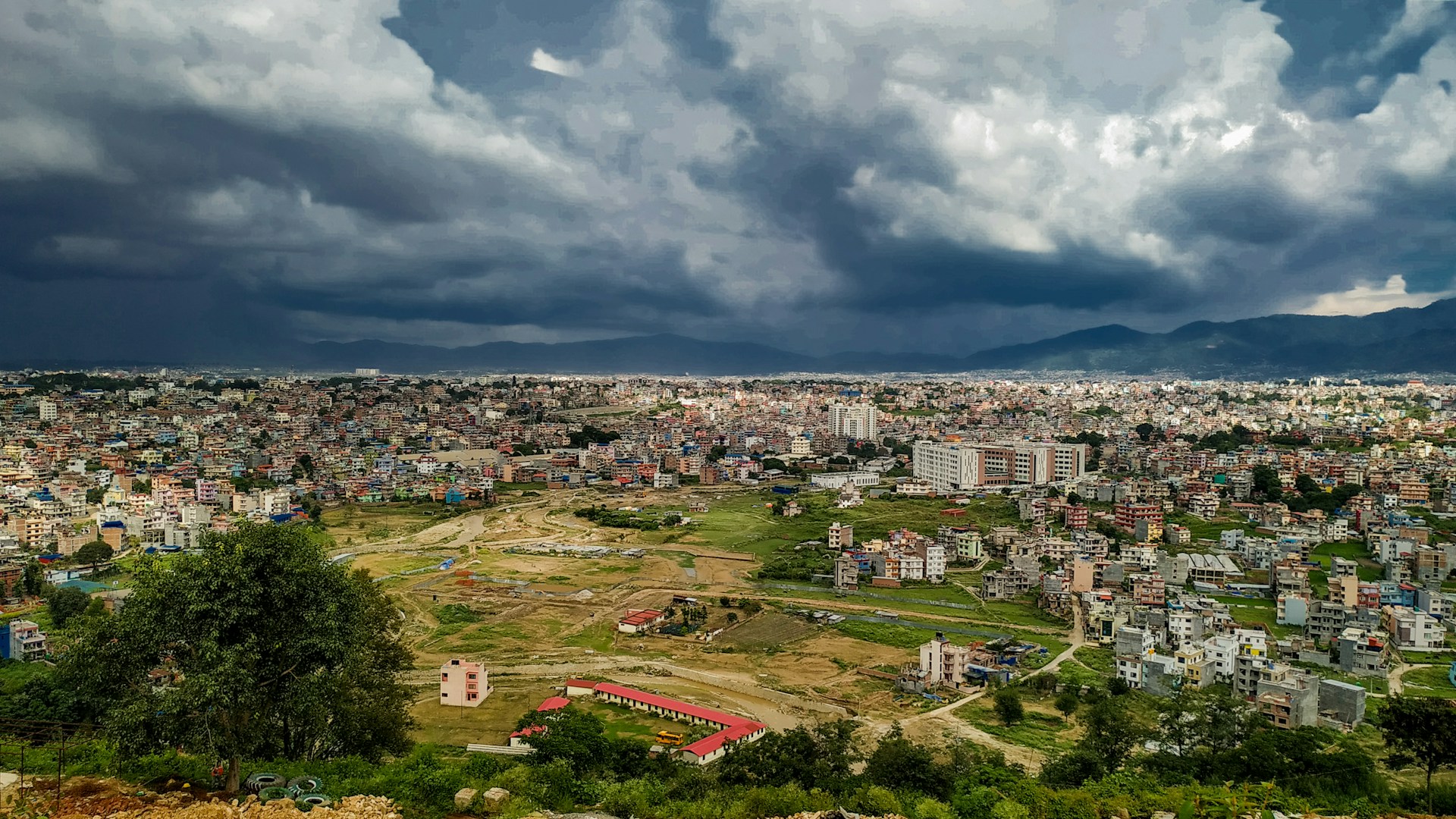
Kathmandu Valley is a vibrant mix of history, culture, and spirituality, making it one of Nepal’s most fascinating destinations. From ancient palaces and UNESCO heritage sites to lively markets and traditional festivals, the valley offers a rich and immersive experience. Travelers can get a taste of Nepalese culture by visiting famous sites like Kathmandu Durbar Square, Pashupatinath Temple, and Boudhanath Stupa. These sites show how the region’s traditions have been passed down for centuries.
Beyond sightseeing, exploring local neighborhoods, artisan workshops, and traditional food markets gives visitors a glimpse into everyday life. Short day trips to nearby towns such as Nagarkot, Dhulikhel, or Panauti add scenic beauty and adventure to your journey, offering panoramic Himalayan views and serene village walks. Getting to know local guides and communities helps travelers learn about the stories, beliefs, and cultural practices behind each monument and festival, making the trip more interesting.
For first-time visitors, planning ahead and choosing trusted agencies like Skyline Treks ensures a smooth, safe, and memorable trip. By combining city tours, cultural immersion, and nearby day trips, you can explore Kathmandu Valley like a local, appreciating both its bustling streets and tranquil corners.
A well-planned visit allows you to connect with the people, history, and natural beauty of Kathmandu Valley, leaving you with memories of an authentic and unforgettable Nepalese experience.