

Where is Langtang Located: Trekking Routes and Popular Trails
Introduction to Langtang Region
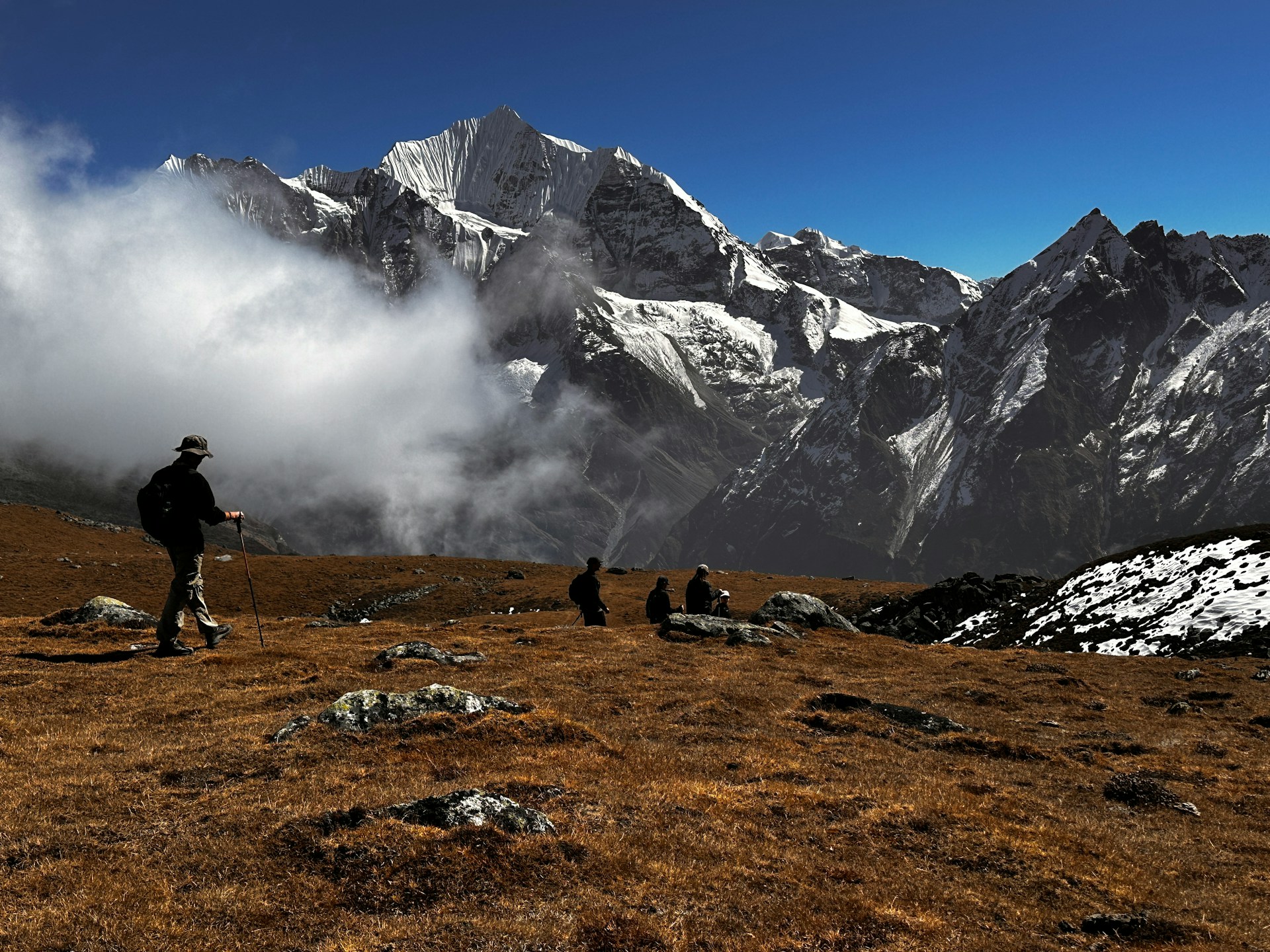
The Langtang Region is one of Nepal’s most beautiful and accessible trekking destinations. If you are wondering “Where is Langtang located?”, it lies in the north-central part of Nepal, near the border with Tibet, inside the stunning Langtang National Park. The area is recognized for its beautiful valleys, snow-capped peaks, alpine forests, and traditional Tamang communities.
The Langtang region is perfect for trekkers of all levels. Popular trails include the Langtang Valley trek and the Langtang Gosaikunda trek, both offering breathtaking views of Langtang Lirung Peak and serene mountain lakes. Along the way, travelers can see beautiful natural scenery without the crowds that are common on major trekking routes like Everest or Annapurna, also learn about the rich culture of the area and see highland meadows.
This region is also part of Nepal’s off-the-beaten-path trekking experiences, making it ideal for adventurers who want a peaceful yet memorable journey. Along the journey, trekkers can see traditional villages, Buddhist monasteries, and lovely forest trails.
Where is Langtang Located
The Langtang Region is situated in the north-central part of Nepal, just north of Kathmandu, and borders the Tibetan plateau. It is inside Langtang National Park, which is Nepal’s first Himalayan national park. It was created to safeguard the area’s diverse wildlife, glaciers, and high alpine scenery. The area includes valleys, forests, and high alpine zones in the Rasuwa and Nuwakot districts.
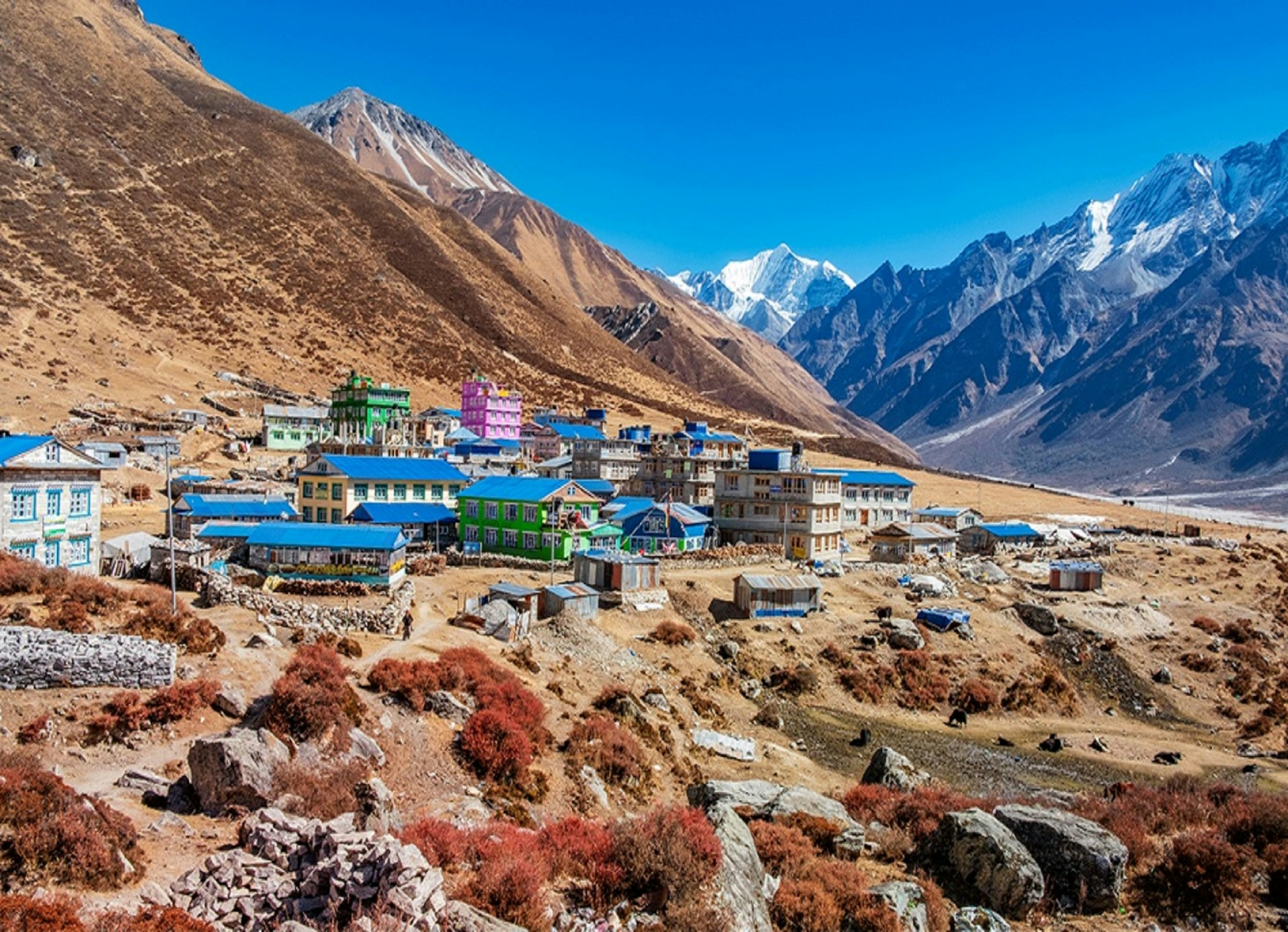
Langtang is well connected to Kathmandu, making it one of the most accessible trekking regions in Nepal. The journey usually starts from Sundarijal or Syabrubesi, small towns at the edge of the park. From there, trekkers follow the Langtang Valley trekking routes through traditional Tamang villages, dense rhododendron forests, and past sparkling streams and rivers.
Langtang Lirung Peak, which reaches more than 7,200 meters, is the tallest mountain in the area. There are also several smaller peaks and glaciers. Hindus and Buddhists both consider mountain lakes like Gosaikunda to be sacred. Trekkers can also visit these lakes.
Because of its location near Kathmandu, Langtang offers a combination of stunning landscapes, rich culture, and relative ease of access. This makes it perfect for people who want to have an adventure in the Himalayas without having to drive far to get there.
How to Reach Langtang Valley Nepal
Reaching the Langtang Valley Nepal is straightforward, thanks to its proximity to Kathmandu, the capital of Nepal. Most people who go trekking start their trip in Kathmandu, which has good international connections through Tribhuvan International Airport.
From Kathmandu, the most common route to the Langtang region is by road. You can hire a private jeep, taxi, or take a local bus to reach Syabrubesi, the main starting point for treks in Langtang National Park. The drive takes around six to eight hours and goes through beautiful hills, rivers, and little towns along the way. Some parts of the road are paved and some are not, so tourists should be ready for a bumpy ride in some places.
For those who prefer a faster option, private transportation is recommended, as it offers flexibility and comfort. Public buses are cheaper but less convenient and can be crowded.
Once in Syabrubesi, trekkers follow the well-marked Langtang Valley trekking trails. The trail goes through forests, rivers, terraced fields, and traditional Tamang villages before it gets to the upper alpine areas of Langtang Valley.
Key tips for reaching Langtang:
- Start early from Kathmandu to avoid traffic on the hilly roads
- Bring snacks and drinks for the lengthy drive.
- Check to see if the vehicle is available ahead of time at the busiest trekking times.
Using this route, travelers can easily access the beautiful landscapes of the Langtang region and begin their adventure safely, making it one of the most accessible Nepal off-the-beaten-path trekking destinations.
Popular Trekking Routes in Langtang
The Langtang region is a top trekking destination in Nepal, offering stunning Himalayan landscapes, vibrant culture, and trails suitable for trekkers of all levels.
Here are the seven most popular trekking routes in Langtang:
- Langtang Valley Trek
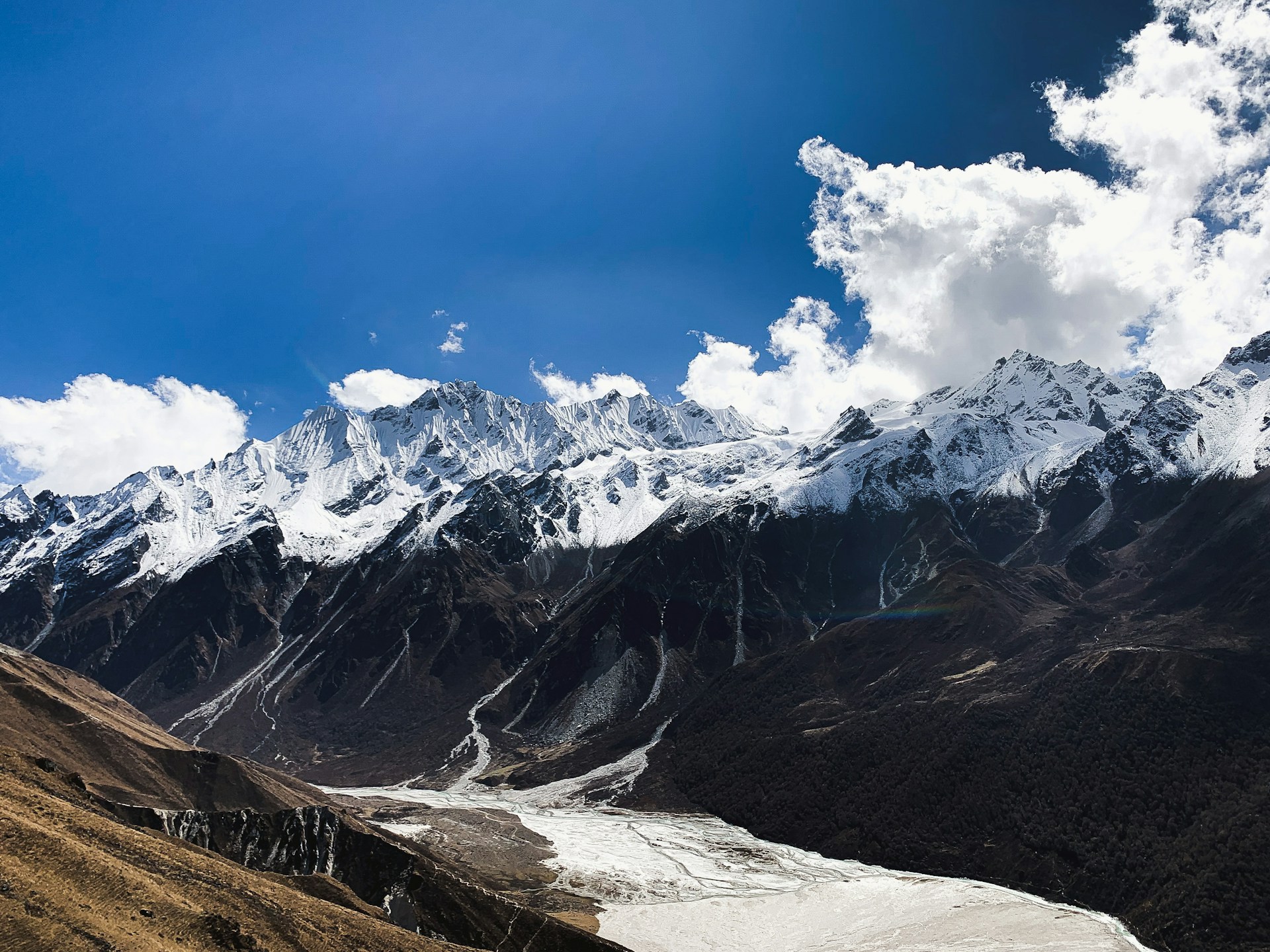
The Langtang Valley trek is the most popular route, starting from Syabrubesi and ending at Langtang Village or Langtang Lirung Base Camp. Trekking takes you through Tamang villages, thick forests, terraced farmland, and high meadows. The hike lasts 7 to 10 days and has stunning views of Langtang Lirung Peak and the glaciers around it. - Langtang Gosaikunda Trek
This trek combines the Langtang Valley with the sacred Gosaikunda Lake, important in both Hindu and Buddhist traditions. The route goes through high alpine areas, lakes, and meadows. It normally takes 10 to 12 days and includes a combination of nature, adventure, and learning about culture. - Langtang Circuit Trek
The Langtang Circuit is an off-the-beaten-path trek that loops around the valley. Trekkers cross remote villages, high passes like Lauribina La, and unfrequented trails. It takes 12–14 days and is ideal for those seeking a more adventurous and less crowded trekking experience. - Langtang Gosainkunda and Helambu Trek
This extended trek combines Langtang and Helambu regions, allowing trekkers to explore the valleys, forests, and high passes of two regions in one journey. It takes around 12–14 days and highlights Tamang culture, monasteries, and alpine lakes. - Tamang Heritage Trail
This cultural trekking route showcases the traditional Tamang villages, monasteries, and local festivals. The trail is all about getting to know the culture while doing some mild hiking. It is perfect for anyone who want to learn about Nepalese culture and go on less popular treks. - Langtang Lirung Base Camp Trek
This route focuses on reaching Langtang Lirung Base Camp, offering close-up views of glaciers, moraine fields, and the towering peak itself. It is moderately difficult and usually takes 8–10 days. - Langtang-Gosaikunda-Helambu Extended Trek
For experienced trekkers, this longer trek connects multiple regions, including Langtang, Gosaikunda, and Helambu, covering diverse landscapes from alpine lakes to lush forests. It typically takes 14–16 days.
These seven hiking routes in the Langtang region are perfect for trekkers who want both adventure and cultural immersion. They range in distance, difficulty, and cultural encounters.
Highlights and Attractions in Langtang
The Langtang region of Nepal is full of natural beauty, cultural richness, and adventure. Trekkers can experience breathtaking landscapes, traditional villages, and wildlife along the trails.
Here are the key highlights and attractions:
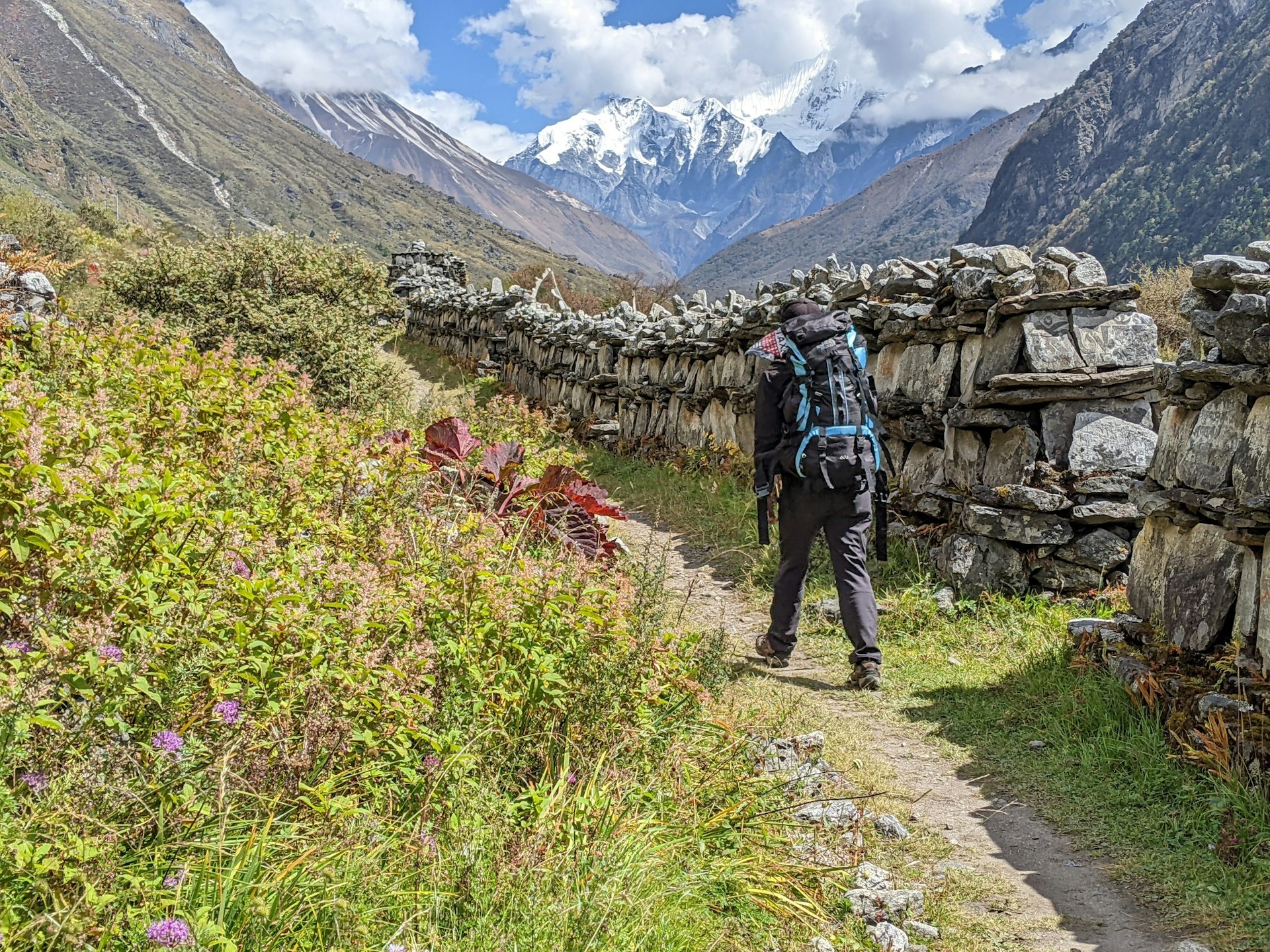
- Langtang Lirung Peak: Langtang Lirung Peak, which is 7,227 meters high, is the tallest peak in the area. Its glaciers and snow-covered slopes make spectacular sights that hikers and photographers will never forget.
- Langtang Valley: The valley has terraced farmland, waterways, and traditional Tamang settlements. Walking through these towns gives you a taste of how people live there, with monasteries, prayer walls, and minor cultural festivals.
- Langtang National Park: Langtang National Park is home to a wide variety of animals, such as red pandas, Himalayan tahr, and langurs. In the spring, when flowers blossom, the dense rhododendron and pine forests are especially attractive.
- Gosaikunda Lake: This sacred alpine lake is often included in the Langtang Gosaikunda trek. Trekkers can enjoy the serene lake surrounded by snow-covered peaks, making it a peaceful and spiritual stop.
- Glaciers and Alpine Meadows: The region features high-altitude meadows, glacier-fed rivers, and panoramic Himalayan views. These areas are quieter than other popular trekking regions, offering a sense of solitude.
- Off-the-Beaten-Path Trails: Langtang has less crowded trails than Everest or Annapurna, which lets hikers engage more closely with the environment and culture.
Overall, Langtang offers a mix of scenic landscapes, cultural experiences, and adventure.
Accommodation and Facilities Along Langtang Trails
The Langtang region offers a range of accommodation options that cater to trekkers of different budgets. Most of the trails, including the Langtang Valley Trek and Langtang Gosaikunda Trek, are lined with teahouses and lodges, which provide basic rooms, meals, and essential amenities. These places to stay are basic but comfortable. They usually include communal or private rooms, blankets, and places to eat with other guests.
Key facilities along the trails include:
- Meals and Dining: Most teahouses provide Nepali food such dal bhat (lentil rice), noodles, soups, and tea. Some resorts also have lighter Western food.
- Hot Showers: Available in larger villages like Langtang Village and Ghoda Tabela, but may be limited in smaller settlements.
- Electricity and Charging: Many teahouses have solar-powered electricity for charging gadgets, but this may not always be available on cloudy days.
- Wi-Fi and Connectivity: Limited internet is available in some lodges, but mobile coverage can be patchy along the trail.
- Medical and First Aid: Small clinics in bigger villages may treat minor ailments, but if you get really sick from the altitude or are hurt, you’ll need to go down to Syabrubesi or Kathmandu.
Popular stops with better facilities include Syabrubesi, Lama Hotel, Langtang Village, and Kyanjin Gompa, where trekkers can rest comfortably before continuing to higher altitudes.
The amenities are simple, but they are plenty for a safe and fun hike. Planning ahead, bringing important personal belongings, and reserving through trustworthy companies like Skyline Treks will make your trip along the Langtang trails go smoothly.
Difficulty Level and Best Time to Trek Langtang
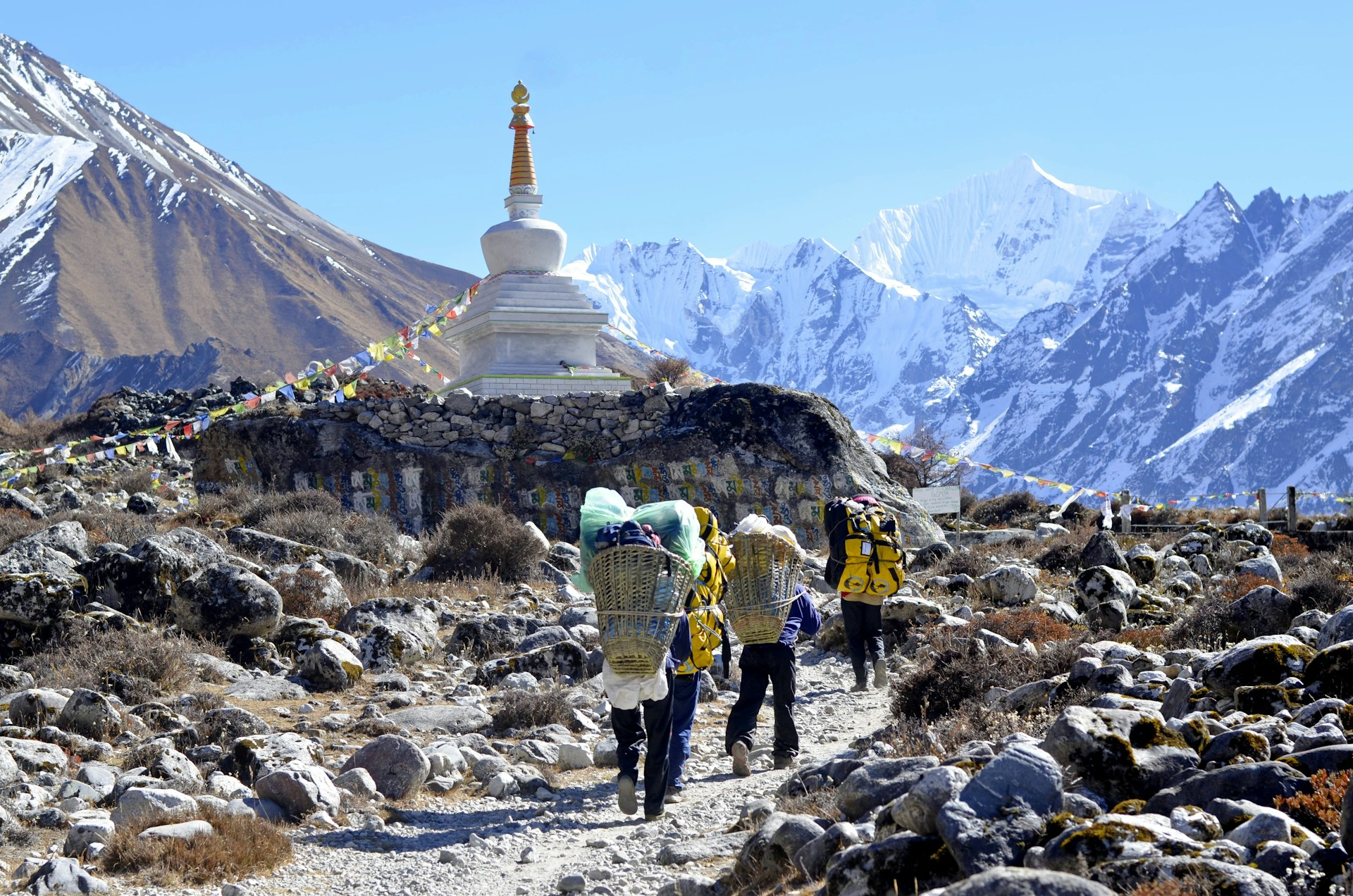
The Langtang region is considered one of the more accessible trekking destinations in Nepal, but it still presents moderate challenges due to altitude, weather, and terrain. Most treks, like the Langtang Valley Trek or the Langtang Gosaikunda Trek, include trudging on rough paths, crossing streams, and slowly climbing to heights of 3,500 to 5,000 meters.
It’s fine for beginners who are in good shape, although some parts, especially near Langtang Lirung Base Camp or alpine lakes, might be hard on the body. People who are going on a trek should be ready for steep climbs, bumpy routes, and often freezing winds at higher altitudes.
Difficulty Factors:
- Altitude: Mild to moderate altitude sickness is possible above 3,500 meters.
- Terrain: Rocky trails, moraine paths, and some slippery sections require careful footing.
- Weather: Snow or rain that comes out of nowhere can make the trail slippery, especially in the spring and fall.
- Duration: Most Langtang treks last 7–12 days, depending on the route.
Best Time to Trek Langtang:
- Autumn (September to November): Clear skies, moderate temperatures, and stunning Himalayan views.
- Spring (March to May): Blooming rhododendrons, comfortable weather, and beautiful scenery.
The winter months (December to February) are chilly, and there is snow at higher altitudes. The monsoon season (June to August) brings torrential rain, landslides, and slippery paths, which make trekking less safe.
By planning the trek during autumn or spring, walking at a steady pace, and allowing time for acclimatization, trekkers can enjoy the beauty of Langtang comfortably.
Conclusion – Why Langtang Should Be on Every Trekker’s List
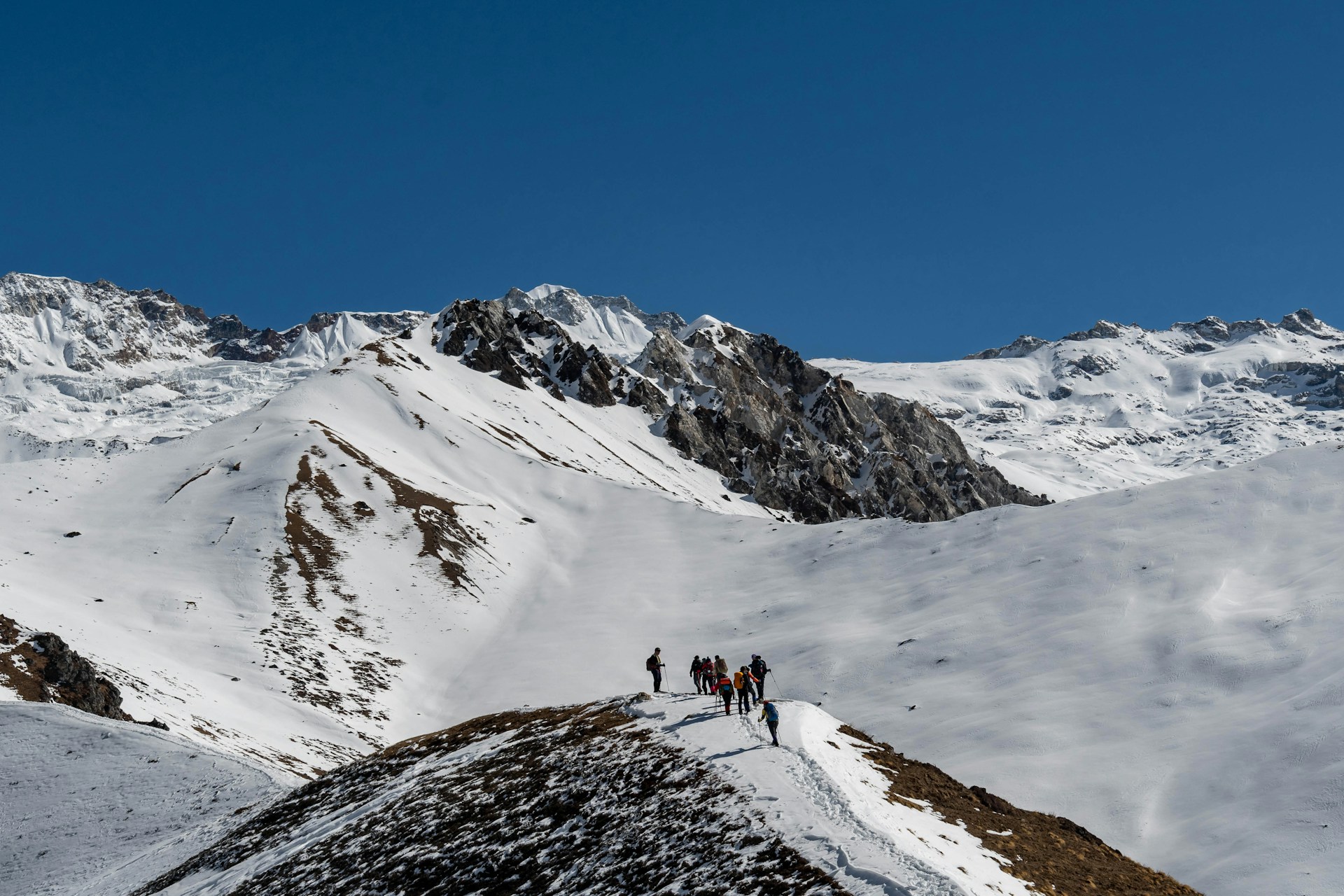
The Langtang region is one of Nepal’s most rewarding trekking destinations, offering a perfect balance of natural beauty, cultural immersion, and adventure. The views are breathtaking at every turn, from thick rhododendron forests and glittering alpine rivers to huge mountains like Langtang Lirung. Trekkers can see peaceful landscapes, streams fed by glaciers, and calm lakes at high altitudes. They can do all of this without having to deal with the crowds that are common on more popular routes like Everest or Annapurna.
Beyond its landscapes, Langtang provides rich cultural experiences. Traditional Tamang villages, monasteries, and local festivals give travelers a chance to connect with the people and traditions of the region. This cultural immersion makes the expedition more than just a physical adventure; it gives it additional depth and purpose.
The trails are moderately challenging, making Langtang accessible to beginners and experienced trekkers alike, especially when planned with proper acclimatization and preparation. Whether you are walking the Langtang Valley Trek, venturing to Gosaikunda Lake, or exploring the Langtang Circuit, every route offers unique highlights and unforgettable experiences.
For anyone seeking a mix of adventure, natural beauty, and cultural richness, Langtang should be at the top of your trekking list.