

Best Time for Annapurna Base Camp Trek
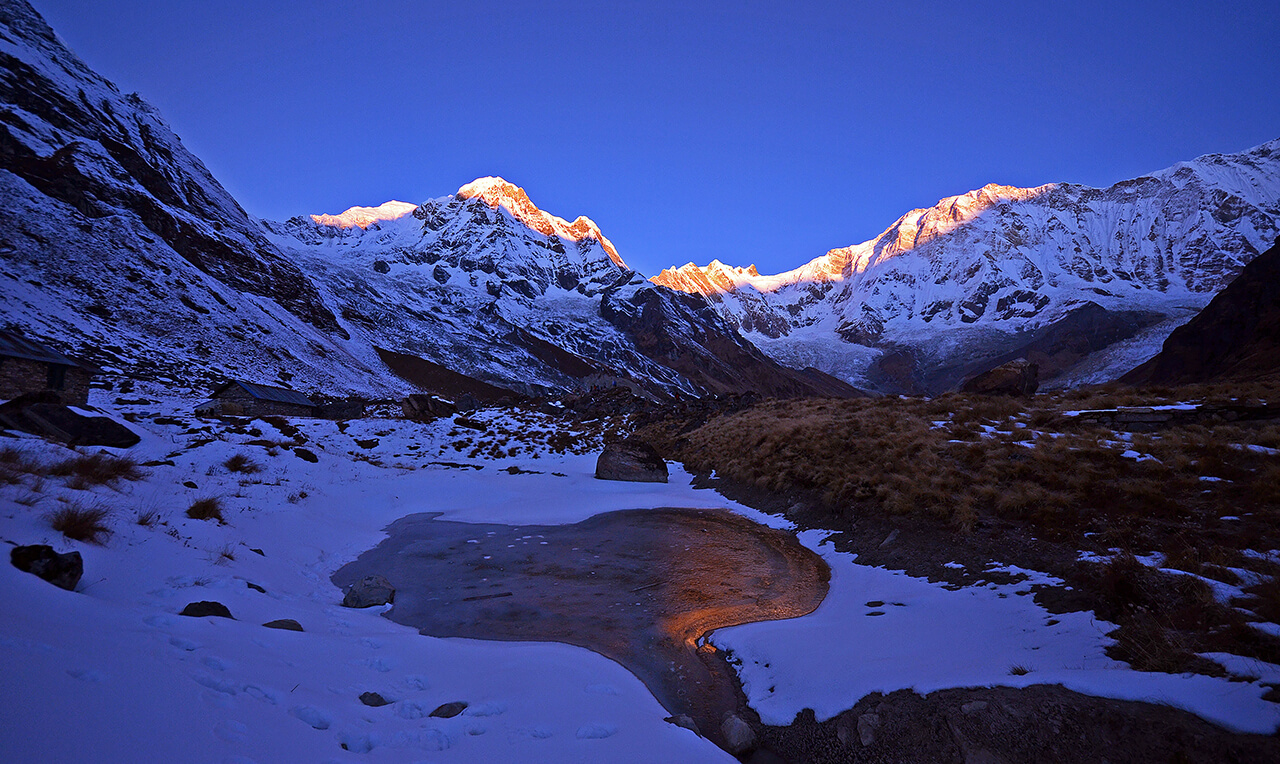
Best Time for Annapurna Base Camp Trek (Complete Seasonal Guide)


The Annapurna Base Camp (ABC) Trek is one of Nepal’s most spectacular trekking adventures, leading hikers through lush forests, traditional Gurung villages, terraced farmlands, and breathtaking Himalayan scenery before reaching Annapurna Base Camp (4,130 meters / 13,550 feet). Although the trek is possible throughout the year, choosing the right season can greatly enhance your overall experience.
The best time for the Annapurna Base Camp Trek is during the spring (March to May) and autumn (September to November) seasons. These months offer stable weather, excellent visibility, comfortable temperatures, and ideal trekking conditions.
Best Seasons at a Glance
| Season | Months | Weather | Visibility | Recommendation |
|---|---|---|---|---|
| Spring | March – May | Mild & warm | Excellent | ⭐⭐⭐⭐⭐ Best |
| Summer/Monsoon | June – August | Warm & rainy | Limited | ⭐⭐ |
| Autumn | September – November | Dry & stable | Outstanding | ⭐⭐⭐⭐⭐ Best |
| Winter | December – February | Cold & snowy | Excellent | ⭐⭐⭐⭐ |
Spring (March to May) – The Most Beautiful Season


Spring is widely regarded as one of the finest times to trek to Annapurna Base Camp. As winter fades, the hills burst into color with blooming rhododendron forests, Nepal’s national flower.
Weather
- Daytime temperatures: 10°C to 20°C
- Base Camp temperatures: -2°C to 8°C
- Pleasant sunshine
- Low rainfall
- Comfortable trekking conditions
Why Trek in Spring?
- Rhododendron forests in full bloom
- Crystal-clear mountain views
- Longer daylight hours
- Comfortable temperatures
- Excellent photography opportunities
- Rich wildlife activity
Mountain Views
During spring, trekkers enjoy magnificent views of:
- Annapurna I (8,091m)
- Annapurna South
- Hiunchuli
- Machhapuchhre (Fishtail)
- Gangapurna
Advantages
- Ideal weather
- Vibrant landscapes
- Great visibility
- Comfortable nights
- Popular trekking season
Disadvantages
- Popular trails
- Tea houses can become busy
- Early booking recommended
Autumn (September to November) – Peak Trekking Season


Autumn is considered the absolute best trekking season in Nepal. After the monsoon, dust and pollution disappear, revealing stunning mountain panoramas.
Weather
- Day temperatures: 10°C to 18°C
- Base Camp temperatures: -5°C to 8°C
- Dry climate
- Stable weather
- Clear blue skies
Why Choose Autumn?
- Highest visibility
- Stable weather
- Minimal rainfall
- Comfortable hiking temperatures
- Excellent mountain photography
Festivals
Autumn also coincides with Nepal’s major festivals:
- Dashain
- Tihar
Trekkers can experience authentic Nepali culture alongside their mountain adventure.
Advantages
- Best mountain views
- Dry trails
- Comfortable trekking conditions
- Less chance of weather delays
- Vibrant villages during festivals
Disadvantages
- Peak tourist season
- Higher demand for accommodations
- Advance booking recommended
Winter (December to February)
Winter transforms the Annapurna region into a peaceful snow-covered wonderland.
Weather
- Day temperatures: 5°C to 12°C
- Night temperatures: -10°C to -15°C at Base Camp
- Cold mornings and evenings
- Occasional snowfall
Advantages
- Quiet trails
- Snow-covered scenery
- Clear mountain views
- Easier availability of tea houses
Challenges
- Very cold nights
- Snow may affect trail conditions
- Proper winter gear is essential
Winter is ideal for experienced trekkers who enjoy snowy landscapes and don’t mind colder temperatures.
Summer / Monsoon (June to August)
Summer is Nepal’s monsoon season. While the Annapurna region becomes lush and green, heavy rainfall can make trekking more challenging.
Weather
- Day temperatures: 18°C to 25°C
- Frequent rain
- Humid conditions
- Cloudy afternoons
Advantages
- Beautiful green forests
- Fewer trekkers
- Peaceful trails
- Waterfalls at their fullest
Challenges
- Slippery trails
- Leeches in lower elevations
- Reduced mountain visibility
- Occasional landslides
Trekkers planning a monsoon trek should carry waterproof clothing and allow extra time for weather-related delays.
Monthly Overview
| Month | Trekking Quality |
|---|---|
| January | Good (Cold) |
| February | Good |
| March | Excellent |
| April | Excellent |
| May | Very Good |
| June | Moderate |
| July | Moderate |
| August | Moderate |
| September | Excellent |
| October | Excellent |
| November | Excellent |
| December | Very Good |
Temperature at Annapurna Base Camp
| Season | Day | Night |
|---|---|---|
| Spring | 5°C to 15°C | -2°C to 5°C |
| Summer | 10°C to 18°C | 5°C to 10°C |
| Autumn | 5°C to 15°C | -5°C to 5°C |
| Winter | 0°C to 8°C | -10°C to -15°C |
Tips for Choosing the Best Season
- For first-time trekkers: Choose March–April or October–November.
- For photographers: Visit in April for flowers or October for crystal-clear skies.
- For fewer crowds: Consider late November, February, or early December.
- For snow lovers: Trek during December or January with proper winter equipment.
- For budget travelers: Monsoon and winter often offer lower accommodation costs.
Final Recommendation
If you’re looking for the perfect combination of clear mountain views, stable weather, comfortable temperatures, and unforgettable Himalayan scenery, the best time for the Annapurna Base Camp Trek is during spring (March to May) and autumn (September to November).
Spring rewards trekkers with colorful rhododendron forests and mild temperatures, while autumn offers Nepal’s clearest skies, crisp mountain air, and panoramic Himalayan views. Both seasons provide excellent trekking conditions, making them the top choices for an unforgettable journey to Annapurna Base Camp.
Whether you’re a first-time trekker, an experienced hiker, or a nature photographer, choosing the right season will help you make the most of this iconic Himalayan adventure.