

Best Time to Trek Annapurna Circuit: Crowds, Costs, and Trail Conditions
Introduction to Annapurna Circuit Trek
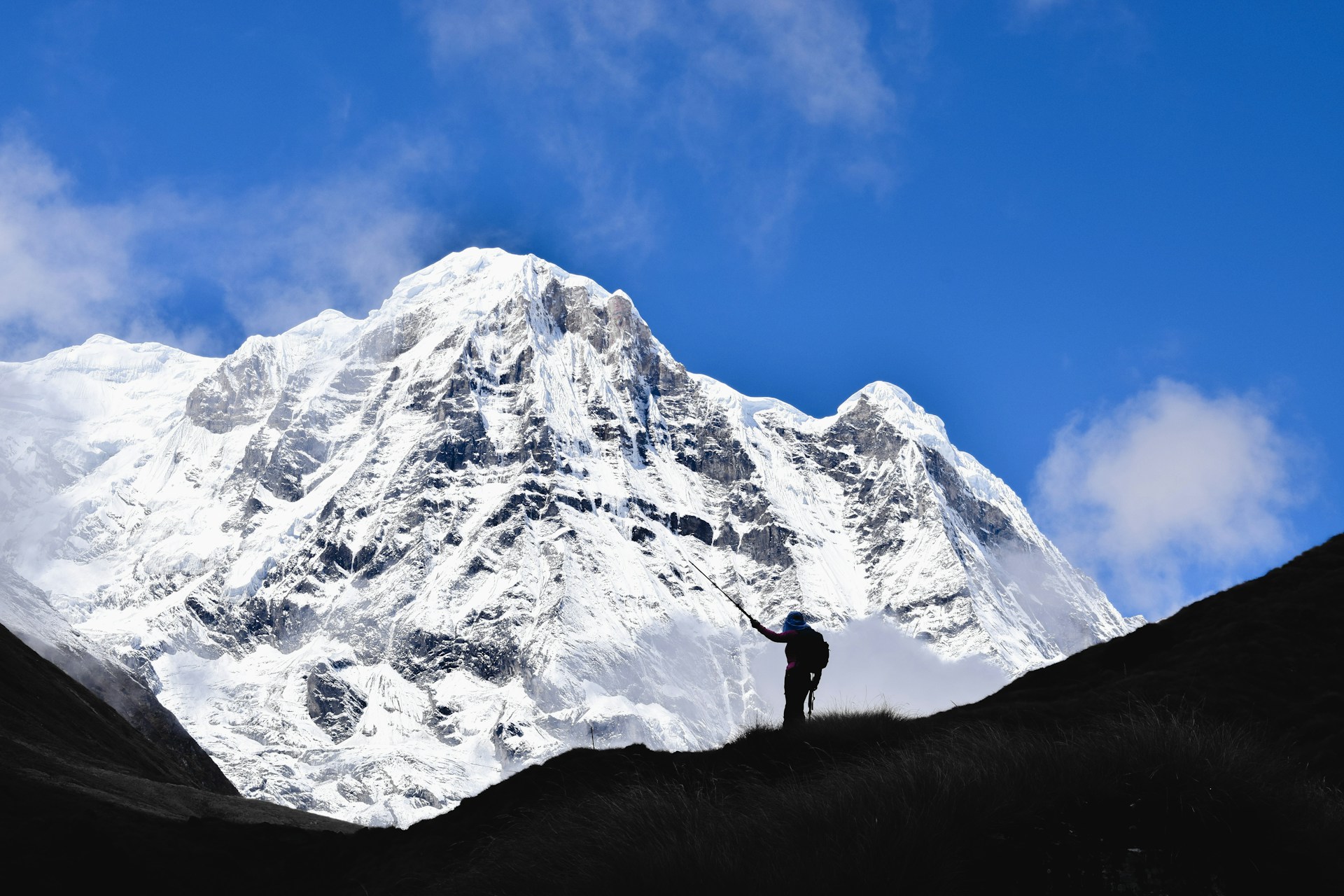
The Annapurna Circuit Trek is one of the most famous trekking routes in Nepal. You go through verdant valleys, little villages, and high mountain passes on your way around the spectacular Annapurna mountain range. Many trekkers love this journey because it offers a mix of nature, culture, and adventure in one trip.
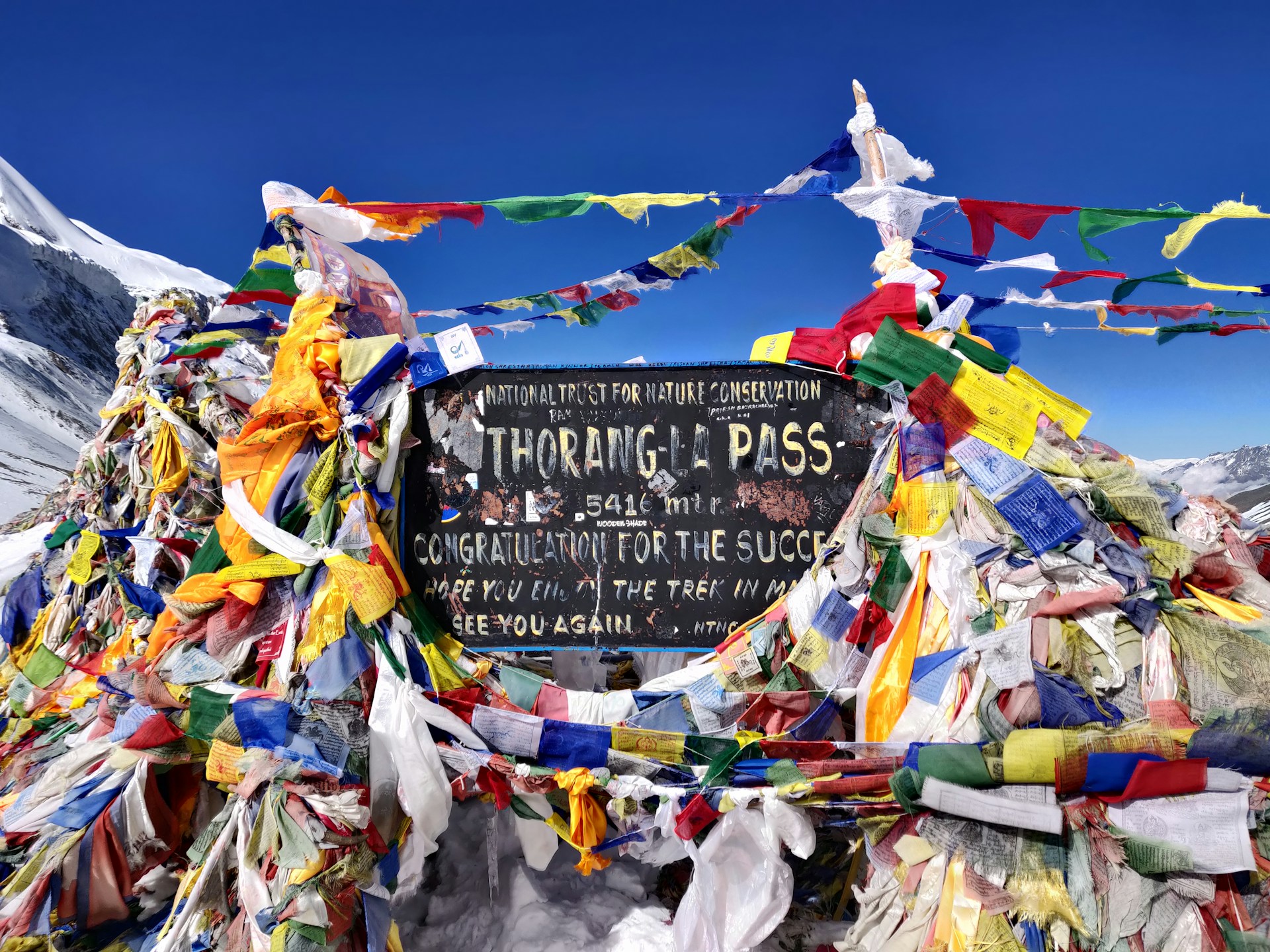
Hiking the Annapurna Circuit gives you a chance to see different landscapes, from warm lowlands to cold high-altitude areas. You will meet local folks along the trip and learn about their modest living in the mountains. Crossing Thorong La Pass, which is nearly 5,400 meters high, is one of the most exhilarating portions of the walk.
Before planning your trip, it is important to know the best time to trek Annapurna Circuit. Weather and trail conditions can change quickly in the mountains, so choosing the right season makes your journey safer and more enjoyable.
Where Is Annapurna Circuit Located?
The Annapurna Circuit is located in central Nepal, in a beautiful mountain area called the Annapurna region. This region is north of Pokhara and is part of the broader Himalayan range. It is one of the most popular trekking areas in the country because of its natural beauty and cultural richness.
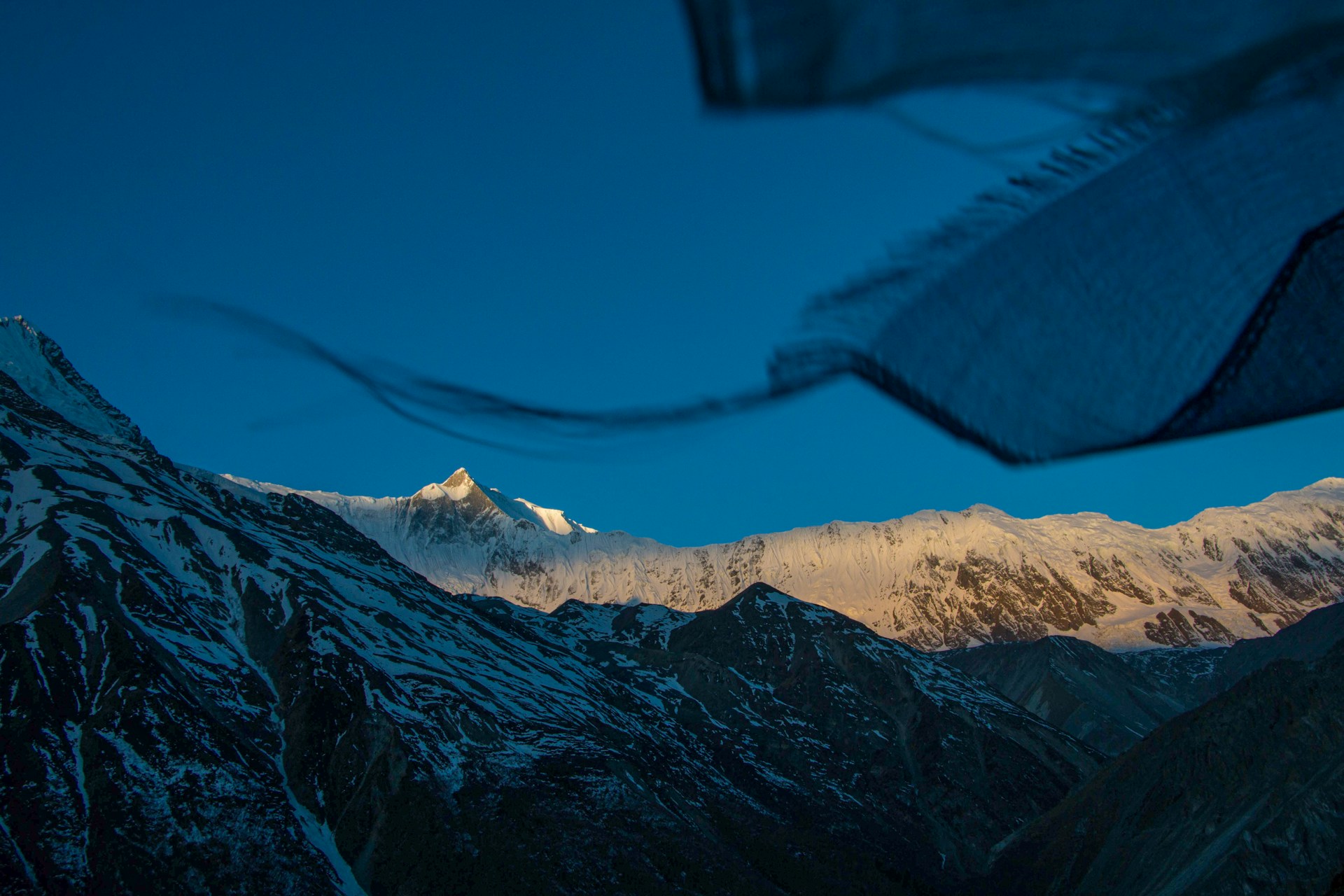
The trail goes around the Annapurna massif, which includes famous peaks like Annapurna I, Dhaulagiri, and Machhapuchhre. Trekkers walk through different districts such as Lamjung, Manang, and Mustang. The journey usually starts from lower villages like Besisahar or Bhulbhule and ends in places like Jomsom or Nayapul.
Here’s a simple overview of its location:
- Region: Annapurna Conservation Area
- Nearest city: Pokhara
- Starting point: Besisahar (common route)
- Ending point: Jomsom or Pokhara
One of the most important highlights is Thorong La Pass, which is one of the highest trekking passes in the world.
Overview of Trekking Seasons in Nepal
Nepal has four main trekking seasons, and each one offers a different experience for travelers. It’s important to know these seasons so you can pick the best time for a safe and fun journey, especially on the Annapurna Circuit.
Here is a simple overview of trekking seasons in Nepal:
- Spring (March to May):
This is one of the best times to trek. The weather is pleasant, the skies are mainly clear, and flowers like rhododendrons grow along the pathways. The views of the mountains are bright and lovely. - Autumn (September to November):
This is the most popular trekking season. The weather is stable, with clear skies and fresh air after the monsoon. It is often considered the best time to trek Annapurna Circuit because of great visibility and comfortable temperatures. - Winter (December to February):
It is colder, especially at higher altitudes. Some high passes may be covered in snow, but the lower paths are still available and peaceful. - Monsoon (June to August):
This season brings heavy rain, slippery trails, and limited mountain views. However, some rain-shadow areas remain accessible.
Understanding Nepal trekking seasons helps you plan better and enjoy your journey.
Best Season to Trek Annapurna Circuit
Choosing the best time to trek Annapurna Circuit is very important for a safe and enjoyable journey. The weather in the mountains can change quickly, so picking the right season helps you get clear views and better trail conditions.
The two best seasons are:
- Spring (March to May):
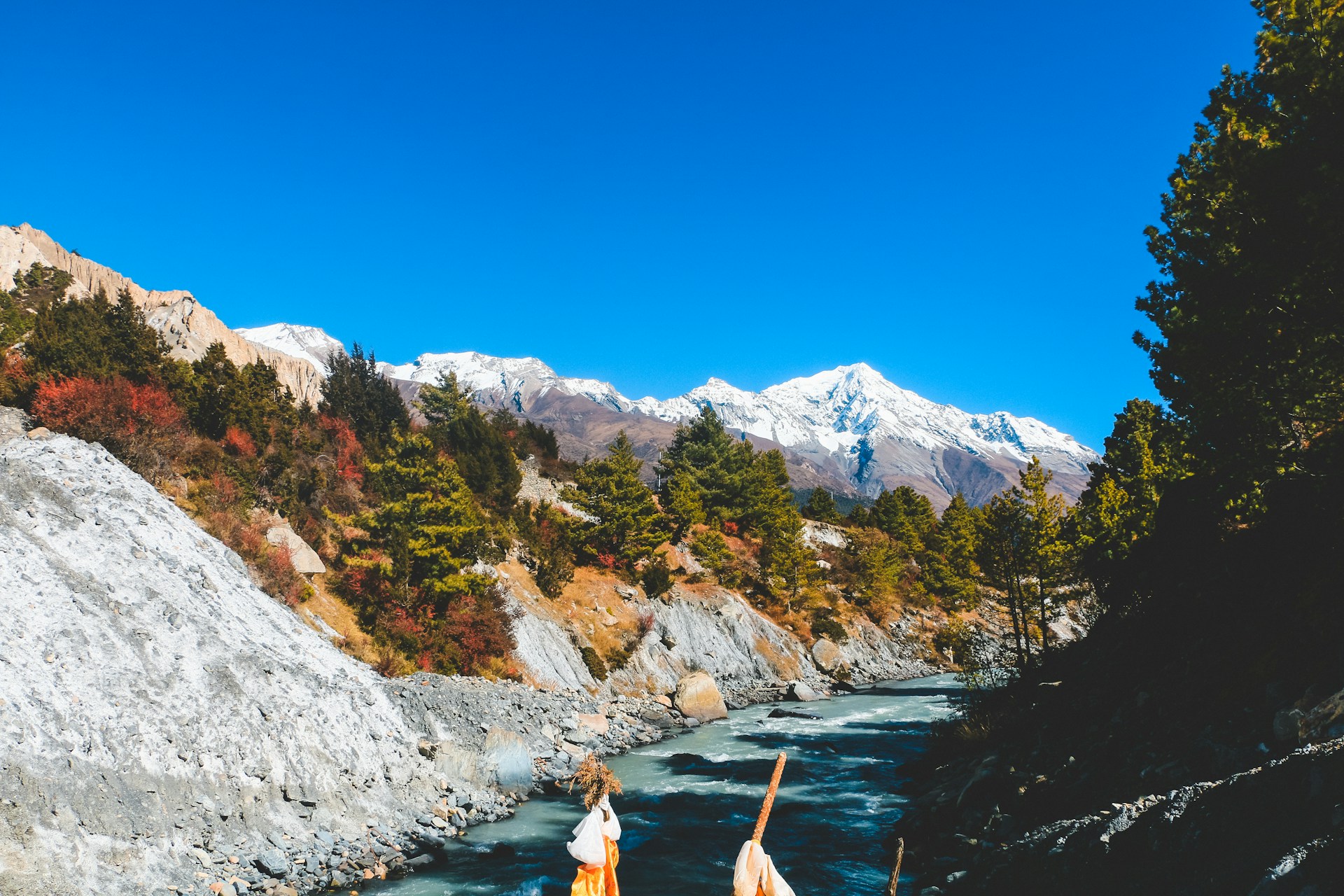
Spring is a great time for trekking. The weather is nice, and the skies are generally clear. You can see colorful rhododendron forests along the trail, making the journey even more beautiful. Temperatures are comfortable, especially at lower and mid altitudes. - Autumn (September to November):
This is the most popular and widely considered the best time to trek Annapurna Circuit. The air is clean and fresh after the monsoon rains. You will be able to see the mountains well, the weather will be stable, and the trekking conditions will be great. There are also a lot of people from all over the world hiking on the trails around this time making it quite lively too.
Other seasons are possible but come with challenges:
- Winter (December to February): Very cold, especially at Thorong La Pass, with heavy snow.
- Monsoon (June to August): Rainy weather makes trails slippery and views less clear.
For the best experience, most trekkers choose spring or autumn. In the next section, we will explore how weather and temperature change along the Annapurna Circuit.
Crowd Levels Throughout the Year
Crowd levels on the Annapurna Circuit change a lot throughout the year. Knowing when the trails are busy or quiet can help you plan a better trekking experience based on your preference.
Here is a simple breakdown of crowd levels by season:
- Autumn (September to November):
This is the busiest time on the trail. Many trekkers visit during this season because it is also the best time to trek Annapurna Circuit. There are often a lot of people from all over the world in teahouses, and you will meet individuals from all over the world. It is fun and social, but you might need to arrange a place to stay early. - Spring (March to May):
Spring is also popular, but slightly less crowded than autumn. The trails are active, yet not too busy. You can enjoy good weather and beautiful scenery without heavy crowds. - Winter (December to February):
This is a quiet season. Fewer trekkers visit due to cold temperatures and snow at high passes. If you like peaceful trails and don’t mind the cold, this can be a good option. - Monsoon (June to August):
This is the least crowded time. Rain keeps most trekkers away, making trails very quiet.
Choosing the right time depends on whether you prefer social trekking or peaceful solitude. Next, we will explore how weather and temperature vary along the Annapurna Circuit.
Cost Variations by Season
The cost of trekking the Annapurna Circuit changes depending on the season you choose. While the overall trek usually costs between $700 and $2,300 per person, seasonal demand can make a clear difference in your total budget.
Here is how costs vary throughout the year:
- Peak Seasons (Spring: March–May, Autumn: September–November):
These are the most popular trekking months. Because many trekkers visit during this time, prices for accommodation, guides, and transport are higher. There are often a lot of people in teahouses, and you will meet individuals from all over the world. It is fun and social, but you might need to arrange a place to stay early. - Shoulder Periods (Late May, early June, late September):
Costs can be slightly lower than peak months. You may still get decent weather, but with fewer crowds and more flexible pricing. - Off-Seasons (Winter: December–February, Monsoon: June–August):
These are the cheapest times to trek. Lodges, guides, and travel services often offer lower prices due to fewer visitors. However, weather challenges like snow or heavy rain can affect the experience.
In general, higher demand increases prices, while fewer trekkers bring better deals. Choosing the right season helps you balance both cost and trekking experience.
Trail Conditions in Different Seasons
Trail conditions on the Annapurna Circuit change a lot with each season. Understanding these differences helps you stay safe and enjoy the trek more.
Here is a simple look at trail conditions throughout the year:
- Spring (March to May):
Trails are in very good condition during spring. The weather is stable, and paths are mostly dry and easy to walk on. There may be some dust on the lower routes, but the upper regions are fine. Some parts may get a little damp as the snow melts, especially around high passes. - Autumn (September to November):
This is the best season for trail conditions. After the monsoon rains, the trails become firm, clean, and well-defined. There is less mud, and visibility is excellent. These months are often linked with the best time to trek Annapurna Circuit because of safe and reliable paths. - Winter (December to February):
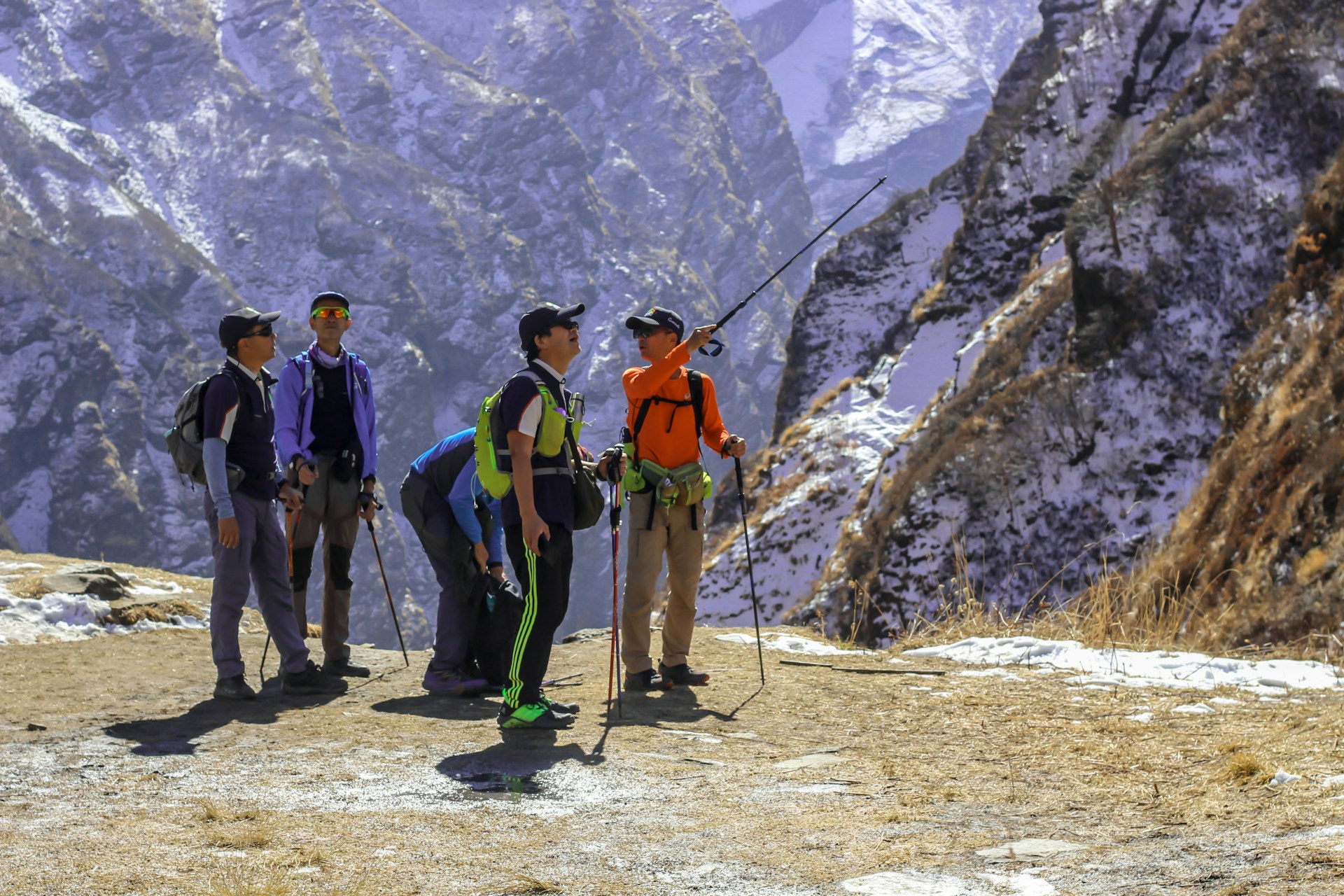
Trails can become difficult due to snow and ice, especially near Thorong La Pass. After a lot of snow, some parts may be treacherous or even blocked. Lower trails are still passable, but you need to be extra careful. - Monsoon (June to August):
This is the most challenging season for trail conditions. Heavy rain makes paths muddy and slippery. Landslides can happen in some areas, and leeches are common in forest sections.
In short, autumn and spring offer the safest and easiest trails. Choosing the right season helps ensure a smoother and more enjoyable trekking experience.
Difficulty Level Based on Season
The difficulty of the Annapurna Circuit trek changes with the season. Weather, trail conditions, and temperature all affect how hard the trek feels. Choosing the best time to trek Annapurna Circuit can make your journey much easier and safer.
Here is how difficulty varies by season:
- Spring (March to May):
This is a moderate and comfortable season for trekking. The weather is stable, and trails are mostly dry. The weather is nice, which makes long days of walking easier. There may still be minor patches of snow in some upper sections, but for the most part, the hike is doable for most individuals who are in good shape. - Autumn (September to November):
Autumn is often the easiest time to trek. Clear skies, stable weather, and well-maintained trails reduce risks. This season is widely considered the best time to trek Annapurna Circuit because conditions are reliable, and visibility is excellent. - Winter (December to February):
The difficulty increases during winter. Very cold temperatures and heavy snow at high passes like Thorong La can make trekking harder. Some routes may close due to snow, and extra gear is needed to stay warm and safe. - Monsoon (June to August):
This is the most difficult season. Rain makes trails slippery and increases the risk of landslides. Humidity and leeches in forest areas can also make trekking uncomfortable.
In general, spring and autumn offer moderate difficulty, while winter and monsoon bring more challenges. Choosing the right season helps match the trek to your fitness and experience level.
Tips for Choosing the Best Time to Trek Annapurna Circuit
Choosing the right time for the Annapurna Circuit trek is very important. It can affect your safety, comfort, and overall experience. Here are some simple tips to help you decide the best time to trek Annapurna Circuit based on your needs:
- Think about weather first:
If you want clear skies and stable weather, choose autumn (September to November). Spring (March to May) is also an excellent time to travel because the weather is nice and the vistas are great. - Check your comfort with crowds:
Autumn is busy, while spring is slightly quieter. If you prefer peaceful trails, consider winter or early spring, but be ready for colder conditions. - Consider your fitness level:
Beginners should pick seasons when the weather is easier, like spring or fall. Bad weather in the winter or monsoon might make the hike harder. - Plan your budget:
Peak seasons can be more expensive due to high demand. Off-season trekking may help you save money, but it comes with weather challenges. - Look at trail conditions:
Dry and stable trails in autumn make walking easier. Avoid monsoon if you don’t like muddy and slippery paths. - Be flexible with dates:
Small shifts in timing, like early autumn or late spring, can give you good weather with fewer crowds.
By thinking about these points, you can choose the right time that matches your comfort, budget, and trekking goals.
Conclusion – When Should You Trek Annapurna Circuit?
Choosing the right time to trek the Annapurna Circuit is key to having a safe, enjoyable, and memorable experience. The season you choose will effect the weather, the quality of the trails, the number of people there, and even the prices.
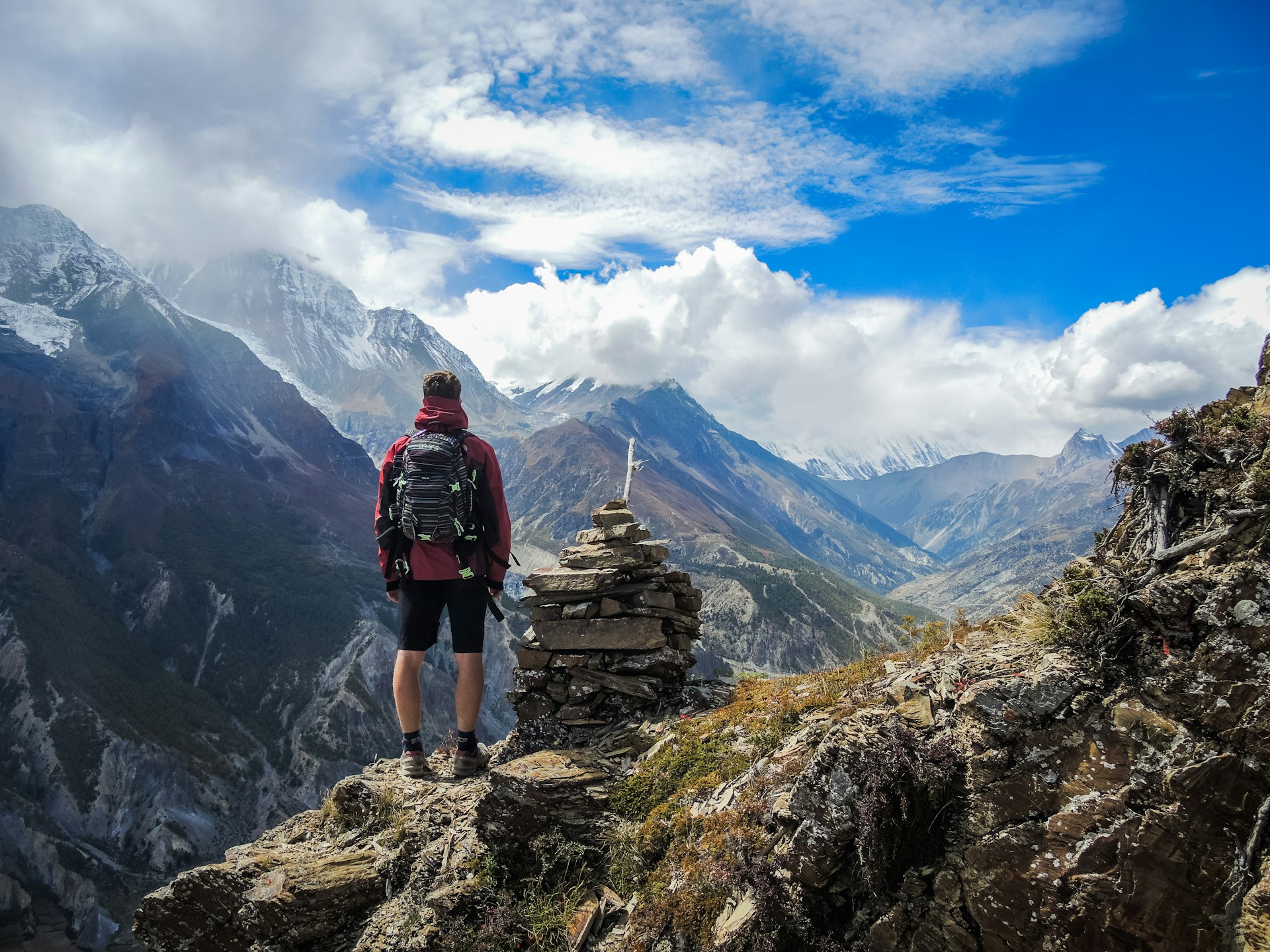
For most trekkers, autumn (September to November) is the ideal time. After the monsoon, the air is clear, trails are stable, and the mountain views are stunning. Spring (March to May) is another excellent option, with mild temperatures, blooming rhododendron forests, and comfortable trekking conditions. Both seasons are considered the best time to trek Annapurna Circuit because they combine safety, scenic beauty, and accessibility.
Winter and the monsoon are feasible, although they are harder. Winter brings snow and cold, especially at high passes like Thorong La. Monsoon trails, on the other hand, are muddy, slippery, and likely to slide.
Ultimately, the best season depends on your preferences for weather, crowd levels, and comfort. For beginners or those seeking reliable conditions, spring and autumn are safest.
Planning carefully with a trusted trekking agency like Skyline Treks ensures you can enjoy the Annapurna Circuit with confidence, making the journey both rewarding and unforgettable.