

Kathmandu to Jiri: A Mini Switzerland of Nepal
Kathmandu to Jiri: A Mini Switzerland of Nepal
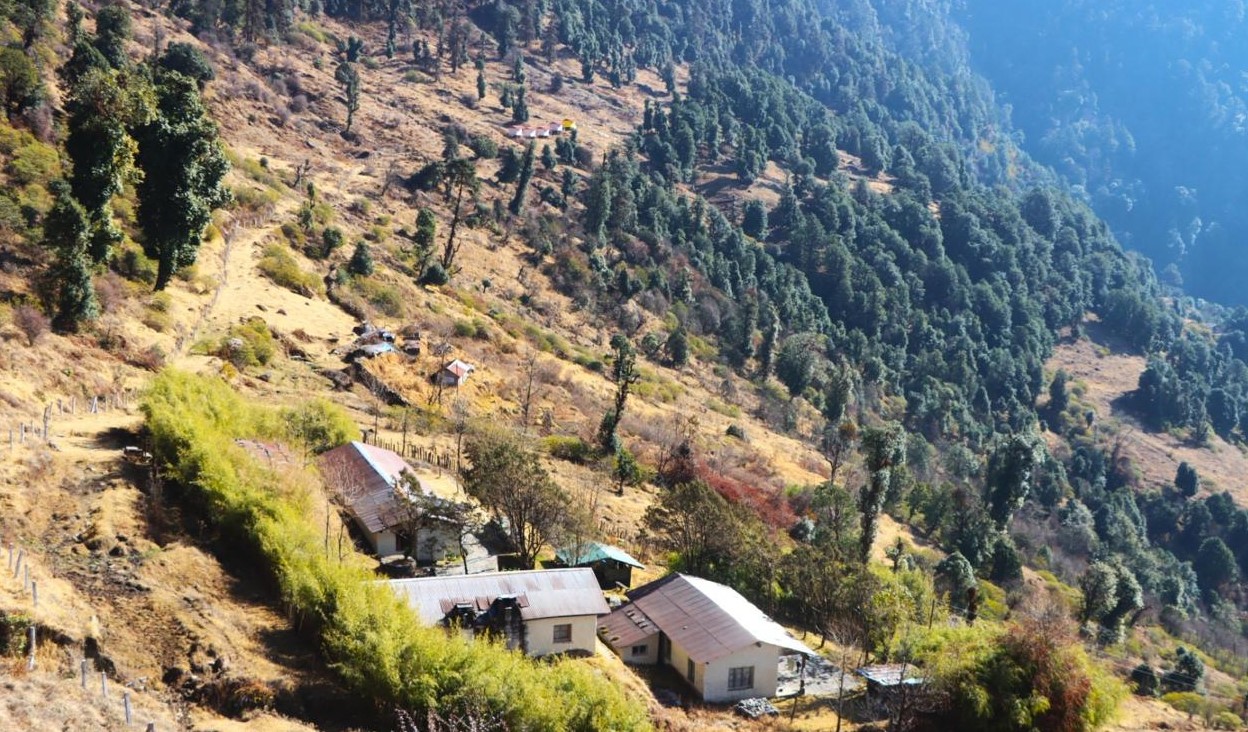
Jiri, located in Dolakha District, is often described as “the Switzerland of Nepal” because of its lush green hills, cool climate, rolling grasslands, scenic valleys, and long-standing connection with Swiss development.
The journey from Kathmandu to Jiri is not simply a road trip—it is a journey through Nepal’s beautiful countryside and a remarkable chapter of Nepal–Switzerland friendship. Historically, Jiri was an important gateway for trekkers and mountaineers heading toward the Everest region before the Lukla air route became dominant.
Swiss geologist Dr. Toni Hagen played a significant role in introducing Jiri to the wider world. During his geological survey of Nepal in the 1950s, he was deeply impressed by Jiri’s landscape and recommended it for integrated rural development. Swiss experts subsequently helped establish important projects in agriculture, livestock, education, healthcare, roads, and dairy production.
One of the most famous legacies is the Jiri Cheese Factory, established with Swiss technical assistance. Swiss agricultural programs also introduced improved cattle breeds and modern dairy-farming techniques, helping transform the local rural economy.
The historic Lamosangu–Jiri Road further connected Jiri with Kathmandu and played an important role in the development of the region. For decades, Jiri served as the traditional starting point for the Everest trekking route, and many early Everest expeditions traveled through Jiri before continuing toward Solukhumbu.
Today, Jiri offers visitors a peaceful alternative to Nepal’s busier trekking destinations. The journey from Kathmandu passes through green hills, terraced farmland, rivers, traditional villages, forests, and spectacular Himalayan landscapes. Visitors can experience local culture, taste traditional dairy products, explore historic sites, and enjoy the tranquil atmosphere of the Jiri Valley.

Why Visit Jiri?
- 🌿 Beautiful green hills and peaceful valleys
- 🏔️ Panoramic Himalayan scenery
- 🧀 Historic Jiri Cheese and dairy culture
- A unique Nepal–Switzerland heritage
- 🚶 Gateway to historic Everest trekking routes
- 🌄 Traditional villages and rural landscapes
- 🏡 Authentic local culture and hospitality
- 📚 Important history of rural and technical development in Nepal
Jiri is much more than a transit point for trekkers. Its peaceful mountain environment, traditional villages, cultural heritage, scenic hills, and connection to the historic Everest trekking route make it a rewarding destination in its own right.
For travelers looking for an authentic Himalayan experience away from busy tourist centers, Jiri offers a combination of nature, culture, adventure, and hospitality. It is an excellent destination for trekking, hiking, mountain biking, photography, cultural exploration, and beginning the classic journey toward Everest Base Camp.
Kathmandu to Jiri is more than a journey—it is a journey into Nepal’s natural beauty, rural heritage, and fascinating history of Swiss cooperation.
Jiri of Dolakha is a model for understanding the history of rural development in Nepal. Around 1953, the famous Swiss geologist Dr. Toni Hagen arrived in Jiri on foot while conducting a geological survey of Nepal. As he was traveling toward the Everest region, he was deeply impressed as soon as he entered the Jiri Valley. After seeing Jiri, he felt as though he had been transported back to his own country.
Dr. Toni Hagen did not merely praise the beauty of Jiri; he recommended to the Swiss Government and Swiss development agencies that Jiri should be developed through an integrated development program. As a result of his initiative, around the middle of the 1950s, a team of Swiss technicians, doctors, agricultural experts, and engineers arrived in Jiri, carrying heavy equipment and supplies on their backs and using mules to cross the hills.
The Swiss who made their way to Jiri carrying heavy loads brought much more than roads, schools, hospitals, and education. They gave Jiri a new identity. Because of the Swiss people’s deep connection with Jiri, it is still known today as “the Switzerland of Nepal.”
In the 1950s, as Nepal gradually opened itself to the outside world, various countries began development partnerships with Nepal. Among them, Switzerland decided to support long-term development in Nepal’s mountainous regions. Swiss experts selected Jiri in Dolakha.
With its green hills, cool climate, grasslands, potential for dairy production, and Himalayan geography, Jiri was considered an ideal location for a development laboratory by the Swiss Government.
The Swiss development agency began various projects in the Jiri area in 1957. At the time Switzerland selected Jiri as a model for its development approach, there was not even a road connecting Jiri to the rest of the country. Materials, tools, and equipment had to be carried over the mountains by people and mules. For this reason, the Swiss constructed the Lamosangu–Jiri Road as part of an integrated mountain development project. Designed with consideration for the environmental sensitivity of the mountainous terrain, the road is regarded as a model of a “Green Road.”
With Swiss Government assistance, the Jiri Multipurpose Rural Development Project began in 1957 and continued in different phases for more than three decades. The objective was not merely to develop the physical infrastructure of a village but to promote its overall development. Under the project, road construction, drinking water, agricultural improvement, livestock development, health services, education, technical training, and the development of local institutions were carried out simultaneously.
One of the most successful symbols of Swiss assistance in Jiri Nepal is the Jiri Cheese Factory. Established around 1957–58 with the contribution of Swiss technician Werner Schälthess, the Jiri Cheese Factory can be regarded as the beginning of a new chapter in Nepal’s dairy industry. Using traditional Swiss technology, cheese production began using yak-cow hybrid and cow milk.
After cheese production began using Swiss technology, thousands of farmers in the Jiri area gained a reliable market for selling milk. Improved cattle farming expanded, cash income increased, and the rural economy became stronger. Even today, Jiri Cheese is regarded as one of Nepal’s well-known dairy brands.
For the development of the cheese industry, the Swiss also introduced agricultural and livestock development programs in Jiri Dolakha. Under these programs, improved breeds of cattle were brought to Jiri. Along with the cattle, the Swiss introduced veterinary services, improved grass cultivation, modern livestock-shed management skills, and new technologies to local residents.
Therefore, Jiri’s contribution to the historical development of Nepal’s dairy industry is considered significant. The Swiss were among the first to introduce high-quality Brown Swiss cattle and Saanen goats from Switzerland to Jiri. They also crossbred them with local livestock to increase milk production.
The Lamosangu–Jiri Road connected Jiri directly with Kathmandu by road. It shortened the journey for mountaineers and trekkers traveling toward the Everest region, while products from Jiri could be transported more easily to major markets such as Kathmandu.
The Swiss also brought higher and technical education, which had previously been concentrated mainly in Kathmandu to Jiri. The Jiri Technical School, established in 1982 (B.S. 2039), became a backbone of technical education in Nepal. Thousands of overseers, agricultural technicians, and health workers were trained there. These skilled human resources later traveled to some of Nepal’s most remote villages, providing services in infrastructure development, agriculture, and healthcare.
The Jiri Hospital, established through cooperation between the Governments of Nepal and Switzerland, was one of the earliest efforts to provide modern healthcare in the remote mountainous region of that time. For many years, the hospital remained the only reliable healthcare institution in the area.
At a time when many mountainous parts of Nepal had virtually no access to hospitals or quality schools, the people of Jiri began receiving these services with Swiss support. Modernization in agriculture transformed dairy production and the cheese industry into commercial enterprises, giving the local economy a new dimension.
Through the development model implemented in Jiri, Nepal had the opportunity to learn and experience a new approach to rural development. The participatory development practices introduced by the Swiss Government in Jiri later contributed to the wider adoption of development models based on local community participation across Nepal.
Jiri became a “laboratory” for development cooperation in Nepal. The rural development models, technical education systems, and community-based development practices introduced there became frameworks for many international development projects later implemented in other remote districts of Nepal. In this sense, Jiri became not only a model of Nepal–Switzerland friendship but also a living symbol of it.

Swiss engineers, agricultural experts, veterinarians, dairy specialists, forestry experts, and technicians lived in Jiri for months at a time, working closely with local communities. The Swiss experts did not come merely to implement projects; they came with a culture of learning and teaching together with the local people while living in the village itself. This was one of the reasons Jiri was presented at the time as a model rural development project for Nepal.
The Swiss teams presented themselves as “partners” rather than “donors.” That is why the people of Jiri still remember Swiss citizens with great respect and affection. As a tribute to the Swiss, the main market area of Jiri was named in memory of a Swiss citizen named Lincoln. Jiri also has a park dedicated to the memory of Toni Hagen, whose work helped introduce Nepal—and Jiri in particular—to the wider international community.
However, Jiri has changed considerably today. The Swiss projects have ended. Most of the structures and buildings constructed with Swiss assistance were destroyed by the devastating earthquake of 2015 (B.S. 2072). Although the Jiri Cheese Factory is still operating, it is no longer as influential as it once was. The cattle farms are also in poor condition.
Nevertheless, the natural beauty of Jiri remains just as captivating. For Nepal and the Nepali people, Jiri is still “the Switzerland of Nepal.” In this sense, the relationship between Jiri and Switzerland is not merely economic; it is also deeply emotional.
The Swiss used to compare Jiri with the Alps and villages of Switzerland. The connection between Jiri and Switzerland is not simply a matter of one geographical landscape resembling another. It represents a historic, emotional, and life-giving development relationship between two different continents, two distinct cultures, and the people of two different countries.
The historical, emotional, and cultural relationship between Jiri and Switzerland is so deep that preserving it through something more concrete than merely a “shared memory” could be meaningful for both countries. The revival of tourism in Jiri—particularly the promotion of its classic trekking routes—the modernization of the local cheese and churpi industries, and renewed cooperation in climate-resilient agriculture could give new life to this historic partnership.
If Nepal and Switzerland can renew cooperation in areas such as sustainable tourism, modernization of the dairy industry, organic agriculture, Himalayan environmental conservation, technical education, and youth entrepreneurship, it could give Jiri to Everest Base Camp Trek a new lease on life.
However, this does not mean that the Swiss Government alone should bear the entire responsibility. For the renaissance of Jiri, cooperation among the Government of Nepal, local government, private sector, local communities, and international partners will be even more important.
Jiri, which earned the historic identity of being “the Switzerland of Nepal,” is famous for its green hills and beautiful landscapes. Its glorious history of cheese production and its potential as the gateway to the historic trekking route toward the Everest region remain strong. These possibilities can be transformed into reality through cooperation.
Jiri, Dolakha – Geography, Climate, Attractions, Activities, Food and Accommodation
Jiri is a beautiful mountain town in Dolakha District, Nepal, known for its peaceful surroundings, diverse landscapes, rich Sherpa culture, and historical importance as a traditional gateway to the Everest region. Often referred to as the “Gateway to Everest,” Jiri has long been associated with the historic overland route used by trekkers heading toward Everest Base Camp before the construction of the Lukla airport route became popular.
Geography and Climate
Jiri is located in Dolakha District of Bagmati Province, approximately 1,905 meters above sea level and around 188 kilometers northeast of Kathmandu. The town is surrounded by the beautiful Mahabharat Range and features rugged hills, steep valleys, forests, streams, and deep mountain gorges.
Jiri’s location makes it an attractive destination for nature lovers, hikers, trekkers, and travelers looking to experience the peaceful mountain environment of Nepal. The surrounding Himalayan landscapes can be seen from several viewpoints, and on clear days, visitors can enjoy impressive views toward the higher Himalayan ranges.
Jiri experiences four distinct seasons: spring, summer, autumn, and winter.
- Spring (March–May): Pleasant temperatures, blooming rhododendrons, green forests, and clear mountain views make spring an excellent time to visit and trek.
- Summer/Monsoon (June–August): The weather becomes warmer and more humid, with frequent rainfall. Landslides and muddy trails can sometimes make road travel and trekking more challenging.
- Autumn (September–November): Autumn is one of the best seasons to visit Jiri. The weather is generally stable, the skies are clearer, and the surrounding hills and mountains are particularly beautiful.
- Winter (December–February): Temperatures can become cold, especially at night and at higher elevations. Occasional snowfall may occur in the surrounding higher areas.
Mountain weather can change quickly, so travelers should check local weather and road conditions before beginning their journey and carry suitable clothing for changing conditions.
Tourist Attractions in Jiri
Jiri and its surrounding areas offer beautiful natural scenery, traditional villages, cultural heritage, and numerous opportunities for trekking and hiking. The town is particularly significant for travelers interested in the historic Jiri–Everest trekking route.
Jiri Bazaar
Jiri Bazaar is the main commercial center of the town and an excellent place to experience local life. Visitors can find shops, restaurants, cafés, hotels, guesthouses, and other essential services. Walking around the bazaar provides an opportunity to observe the daily lifestyle and culture of the local community.
Everest View Point
The Everest View Point near Jiri offers beautiful panoramic views of the surrounding Himalayan landscape. It is a popular spot for hikers, photographers, and visitors who want to enjoy mountain scenery without undertaking a long trek.
Dolakha Bhimsen Temple
Located within Dolakha District, the historic Dolakha Bhimsen Temple is an important Hindu pilgrimage site dedicated to Bhimsen. The temple attracts devotees and visitors interested in Nepal’s religious traditions, history, and architecture.
Lamjura Pass
Lamjura Pass is a famous high mountain pass along the traditional trekking route between Jiri and the Everest region. The pass is surrounded by forests, mountain landscapes, and traditional settlements. Crossing Lamjura Pass is one of the memorable experiences of the classic Jiri-to-Everest trekking route.
Jiri to Everest Base Camp Trek
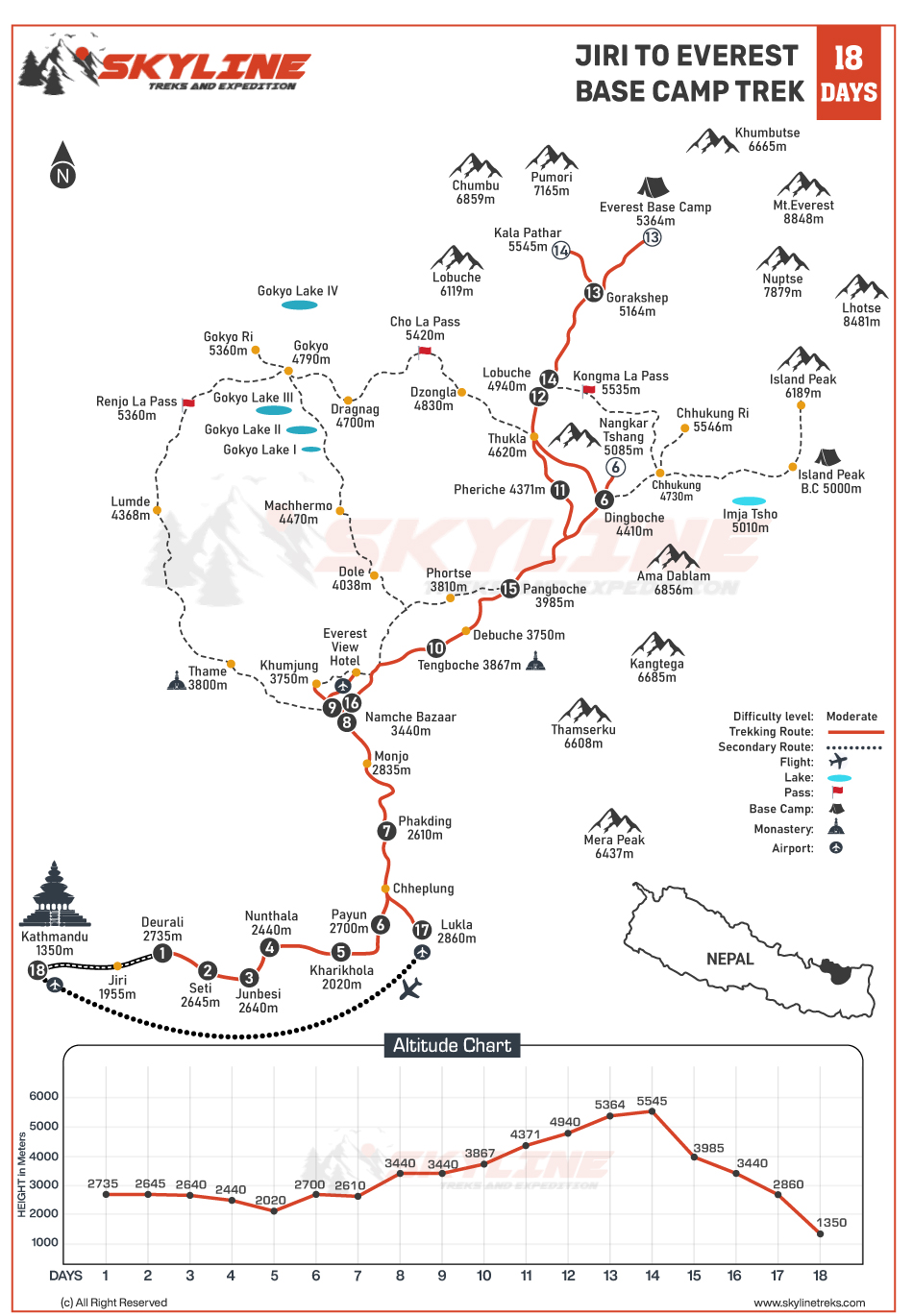
The Jiri to Everest Base Camp Trek is one of Nepal’s classic trekking routes. Starting from Jiri, the trail passes through beautiful mountain landscapes, forests, traditional villages, high passes, and the famous Sherpa settlements of the Solu-Khumbu region before reaching Everest Base Camp.
This route is longer than the standard Lukla-to-Everest Base Camp trek but provides a more gradual approach to high altitude and offers a deeper cultural and geographical experience.
Ways to Get to Jiri
Jiri is approximately 188 kilometers northeast of Kathmandu and can be reached by road. Travelers can choose between public transportation, private vehicles, and other transportation options depending on their budget, comfort, and schedule.
Bus
Traveling by bus from Kathmandu to Jiri is one of the most economical options. Buses and other public vehicles operate between Kathmandu and Jiri, although schedules and journey times can vary depending on road conditions.
The journey generally takes several hours and may take longer during the monsoon season or when road conditions are difficult.
Taxi
Private taxis are another option for traveling from Kathmandu to Jiri. A taxi provides greater flexibility than public transportation and allows travelers to stop along the way for meals, sightseeing, and photography.
The cost varies according to the vehicle type, season, road conditions, and negotiation.
Private Vehicle
Hiring a private car or jeep is a comfortable and convenient way to travel to Jiri. It is particularly suitable for families, small groups, and travelers who want flexibility during the journey.
A private vehicle allows travelers to choose their departure time and make stops at scenic viewpoints and interesting places along the route.
Important: Road conditions can change, particularly during the monsoon season when heavy rainfall may cause landslides and delays. Travelers should check current road conditions and weather forecasts before departure.
Top Sightseeing Places Around Jiri and Dolakha
The Jiri and Dolakha region offers numerous scenic and cultural attractions. Some places are also located along or near the traditional route toward the Solu-Khumbu and Everest region.
- Shivalaya: A small settlement on the traditional Jiri-to-Everest trekking route, known for its beautiful surroundings and local culture.
- Chyangba Village: A traditional mountain settlement offering beautiful Himalayan scenery and an opportunity to experience local Sherpa culture.
- Junbesi Monastery: A historic Buddhist monastery in the Solu-Khumbu region, surrounded by beautiful mountain landscapes and traditional Sherpa settlements.
- Ringmo Village: A picturesque settlement known for its traditional mountain culture, natural scenery, and proximity to the classic trekking route.
- Taksindu Monastery: A historic Buddhist monastery in the Solu-Khumbu region, known for its religious significance, artwork, and Sherpa cultural heritage.
- Cherdung: A scenic mountain area offering traditional culture and beautiful views of the surrounding Himalayan landscape.
- Kalo Veer Waterfall: A peaceful natural attraction near Jiri, surrounded by greenery and an ideal place to enjoy the tranquility of nature.
- Rameta Danda: A scenic hill near Jiri offering beautiful views of the surrounding landscape and opportunities for hiking and exploration.
- Jiri Buddha Park: A peaceful park featuring a statue of Buddha and providing a relaxing environment for visitors.
- Jiri Airstrip: The historic airstrip at Jiri reflects the area’s importance as an entry point to the Everest trekking region before Lukla became the principal air gateway.
Activities to Do in Jiri
Jiri offers a variety of outdoor and cultural activities for visitors. Whether you are interested in trekking, hiking, nature, photography, or local culture, there are plenty of things to enjoy.
Trekking
Jiri is famous as the starting point of the classic Jiri to Everest Base Camp Trek. Trekking from Jiri provides a gradual journey through the middle hills and Himalayan landscapes, passing through traditional villages and forests before entering the higher Solu-Khumbu region.
Hiking
The hills and forests surrounding Jiri offer excellent opportunities for day hikes and short walks. Visitors can explore nearby villages, forests, viewpoints, and cultural sites while enjoying peaceful mountain scenery.
Mountain Biking
Mountain biking is an exciting way to explore the countryside around Jiri. The region’s combination of rural roads, mountain trails, forests, and villages provides opportunities for adventurous cyclists.
Bird Watching
The forests and surrounding hills of Jiri provide habitats for a variety of bird species. Bird enthusiasts can explore the forests and countryside in search of native Himalayan birds while enjoying the area’s natural environment.
Exploring Local Culture and Traditions
Jiri is home to diverse communities and has strong connections with Sherpa and Himalayan cultures. Visitors can explore traditional villages, monasteries, temples, local markets, and community settlements to learn more about the area’s customs, traditions, and lifestyle.
Food and Accommodation in Jiri
Local Cuisine of Jiri
Jiri’s cuisine reflects the diverse cultures and traditions of the Himalayan region. Visitors can enjoy a combination of traditional Nepali, Sherpa, and Tibetan-influenced dishes.
Popular foods include:
- Momo: Steamed or fried dumplings filled with vegetables or meat.
- Thukpa: A warm noodle soup prepared with vegetables, meat, or other ingredients.
- Chhurpi: Traditional Himalayan dried cheese, often made from yak or cow milk.
- Yak Meat: Available in some local restaurants and prepared in different styles.
- Khapse: A traditional deep-fried Tibetan-style snack often prepared during festivals and special occasions.
- Sherpa Stew: A hearty dish combining meat, vegetables, and local ingredients.
- Tsampa: Roasted barley flour traditionally consumed in Himalayan communities.
- Butter Tea: A traditional Himalayan tea prepared with tea, butter, and salt.
Visitors can enjoy these dishes in local restaurants, hotels, lodges, and guesthouses around Jiri Bazaar.
Accommodation in Jiri
Jiri offers a range of accommodation options suitable for different budgets and travel preferences. Visitors can choose from hotels, guesthouses, lodges, and homestays.
Hotels and Guesthouses
Hotels and guesthouses in Jiri generally provide basic but comfortable facilities, including private or shared rooms, beds, electricity, and hot showers in many establishments. Some accommodations also have restaurants serving local and international meals.
Homestays
Homestays provide an excellent opportunity to experience local life more closely. Guests can stay with local families, enjoy home-cooked meals, and learn about traditional customs and everyday life.
Facilities at homestays are generally simple, but the opportunity to experience authentic local hospitality makes them a popular choice for travelers interested in cultural tourism.
Jiri may be a small Himalayan town, but its story is much bigger: it is a living symbol of Nepal–Switzerland friendship and a beautiful “mini Switzerland” in the heart of Nepal.