

Khumbu Valley Trek: Complete Guide for First-Time Trekkers
Introduction to Khumbu Valley Trek
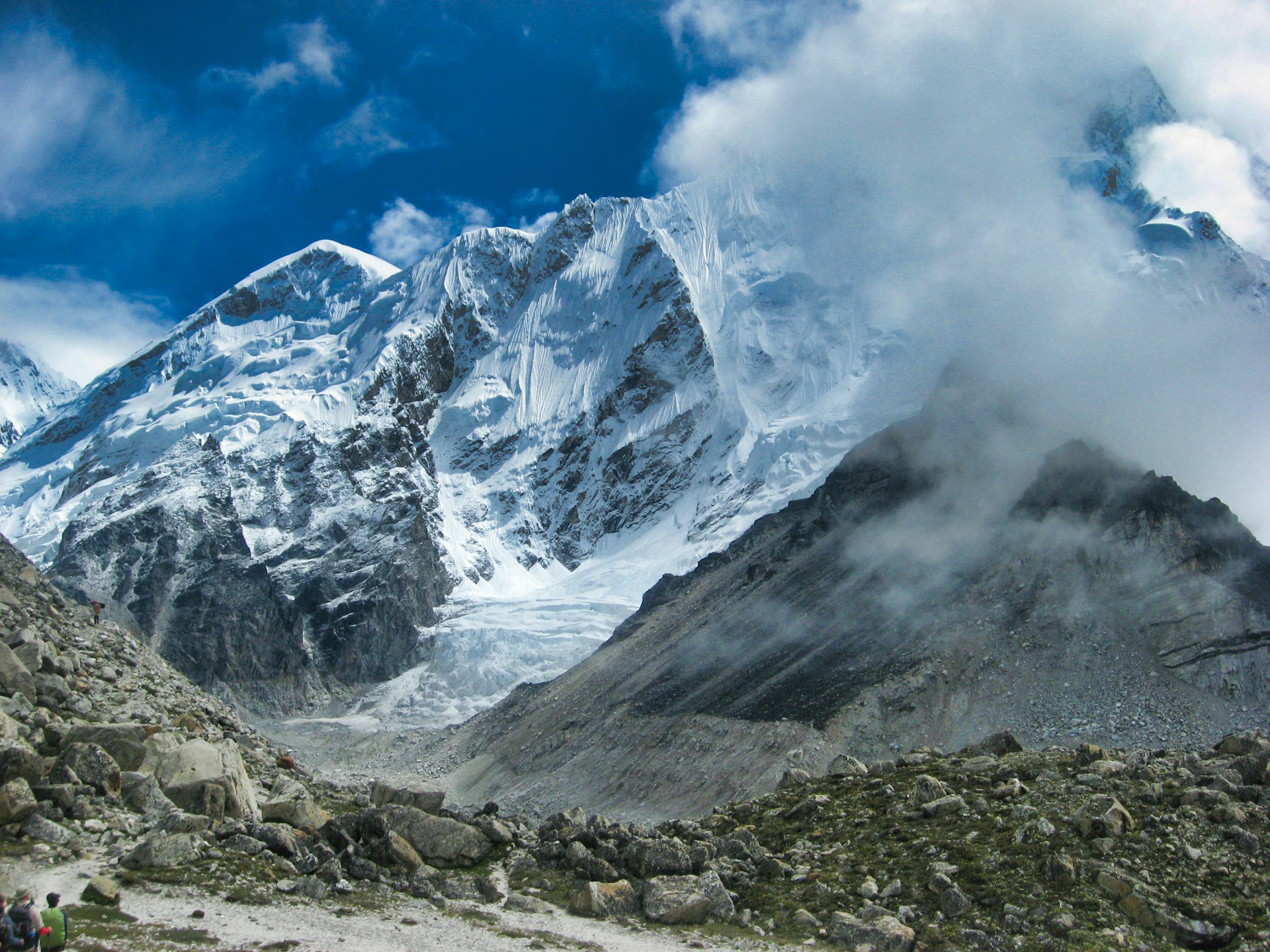
The Khumbu Valley Trek is one of the most popular trekking paths in Nepal. It goes through the middle of the Everest area. This trek lets people see beautiful Himalayan scenery, Sherpa villages, and high-altitude trails that go to the base of Mount Everest, the tallest mountain in the world.
The Khumbu Valley is home to Sagarmatha National Park, a UNESCO World Heritage Site, where trekkers can enjoy panoramic Himalayan views, glacial rivers, and rich biodiversity. The path goes through well-known places like Namche Bazaar, the lively center of Sherpa culture, and Tengboche Monastery, which is famous for its spiritual significance and beautiful surroundings.
Along the way, hikers will see the Dingboche and Lobuche trails, learn about the traditional lives of the people who live there, and follow the path to Gorakshep and Everest Base Camp. For those seeking memorable views, the Kala Patthar sunrise hike offers one of the most spectacular panoramas of Everest and surrounding peaks.
The Khumbu Valley Trek is a great hike for people who are moderately fit. It combines adventure, culture, and nature into one unforgettable trip. Planning with an experienced agency like Skyline Treks ensures you with safe trails, comfortable lodges, and expert guidance, making the trek much more safer, easier and enjoyable.
Where Khumbu Valley Is Located & Accessibility
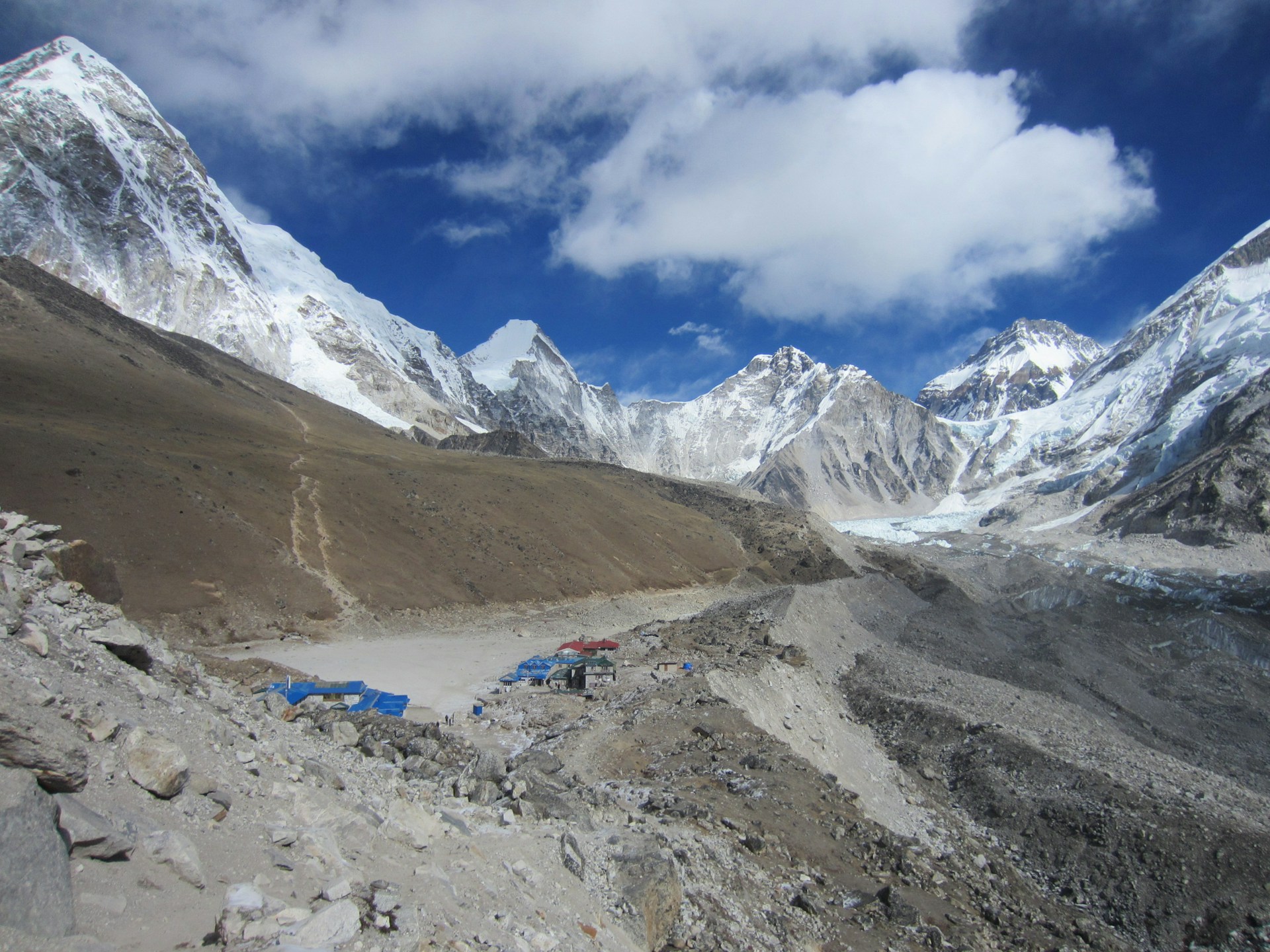
The Khumbu Valley is in the Sagarmatha Zone of the Everest region in northern Nepal. It goes from the Lukla area to Everest Base Camp and includes some of the highest mountains in the world, like Mount Everest, Lhotse, Nuptse, and Ama Dablam. The valley is known for its beautiful Himalayan scenery, Sherpa villages, and hiking trails that go up high.
Accessibility
- The most common starting point for the Khumbu Valley Trek is Lukla, which is connected to Kathmandu by a short domestic flight.
- From Kathmandu, travelers can take a 1-hour flight to Tenzing-Hillary Airport in Lukla, known for its scenic yet adventurous landing strip.
- If you want to get to the valley by land, you can do so by road and hiking. However, this is longer and less common because the terrain is rough.
Trekking Access
- Once in Lukla, trekkers follow the Khumbu Valley trail, passing through Sherpa villages such as Phakding, Namche Bazaar, Tengboche, Dingboche, and Lobuche.
- The trek goes up slowly through forests, terraced fields, and high-altitude landscapes. It is doable for people who are moderately fit and have properly acclimatized.
- Along the way, trekkers can see historic monasteries, panoramic views of the Himalayas, and learn about the culture.
Best Time for Khumbu Valley Trek Nepal
The Khumbu Valley Trek is one of the most popular trekking routes in Nepal. It has amazing views of Mount Everest, Lhotse, and Ama Dablam, as well as a lot of Sherpa culture. To enjoy clear skies, comfortable temperatures, and safe trail conditions, you need to pick the right time to go trekking.
Spring (March to May)
- Spring is one of the best times for Khumbu Valley trekking.
- The weather is usually warm and clear, with temperatures between 10°C and 20°C at lower elevations.
- The rhododendron forests bloom, adding vibrant colors to the path.
- The views of the Himalayas are just breathtaking to watch, and it’s a good time to take pictures.
- There are fewer people on the trails than in the fall, so it’s a peaceful hike.
Autumn (September to November)
- Autumn is another prime trekking season.
- The trails are clear now that the monsoon rains have stopped, and the air is fresh and clear, giving you stunning views of the Himalayan peaks.
- The weather is nice, and this is the best time to go trekking in Nepal at high altitudes.
- Sherpa villages and lodges are open for business, and festivals in local communities give you a taste of the culture.
Winter (December to February)
- Winter trekking in Khumbu Valley is less crowded but colder.
- At higher altitudes, temperatures can drop to -10°C, and snow can make some trails slippery.
- Lukla and Namche Bazaar, which are at lower elevations, are still open.
- Clear skies are great for taking pictures, but people who are trekking need to be ready for cold weather and short days.
Monsoon (June to August)
- The monsoon season is not recommended due to heavy rainfall, landslides, and reduced visibility which makes trekking a dangerous activity to do.
- Trails can become slippery, and tea houses may be less comfortable due to damp conditions.
The best times to go on the Khumbu Valley Trek in Nepal are in the spring (March to May) and autumn (September to November), when the weather is stable, the trails are safe, and the views of the Himalayas are at their best.
Trek Route & Sample Itinerary of 10 Days Khumbu Valley Trek Itinerary
The Khumbu Valley Trek is a classic trek in the Everest area that lets you see the Himalayas from all angles, learn about Sherpa culture, and hike at high altitudes.
Here is a 10-day sample Khumbu Valley trek itinerary suitable for trekkers seeking adventure with proper acclimatization.
Day 1: Flight to Lukla and Trek to Phakding
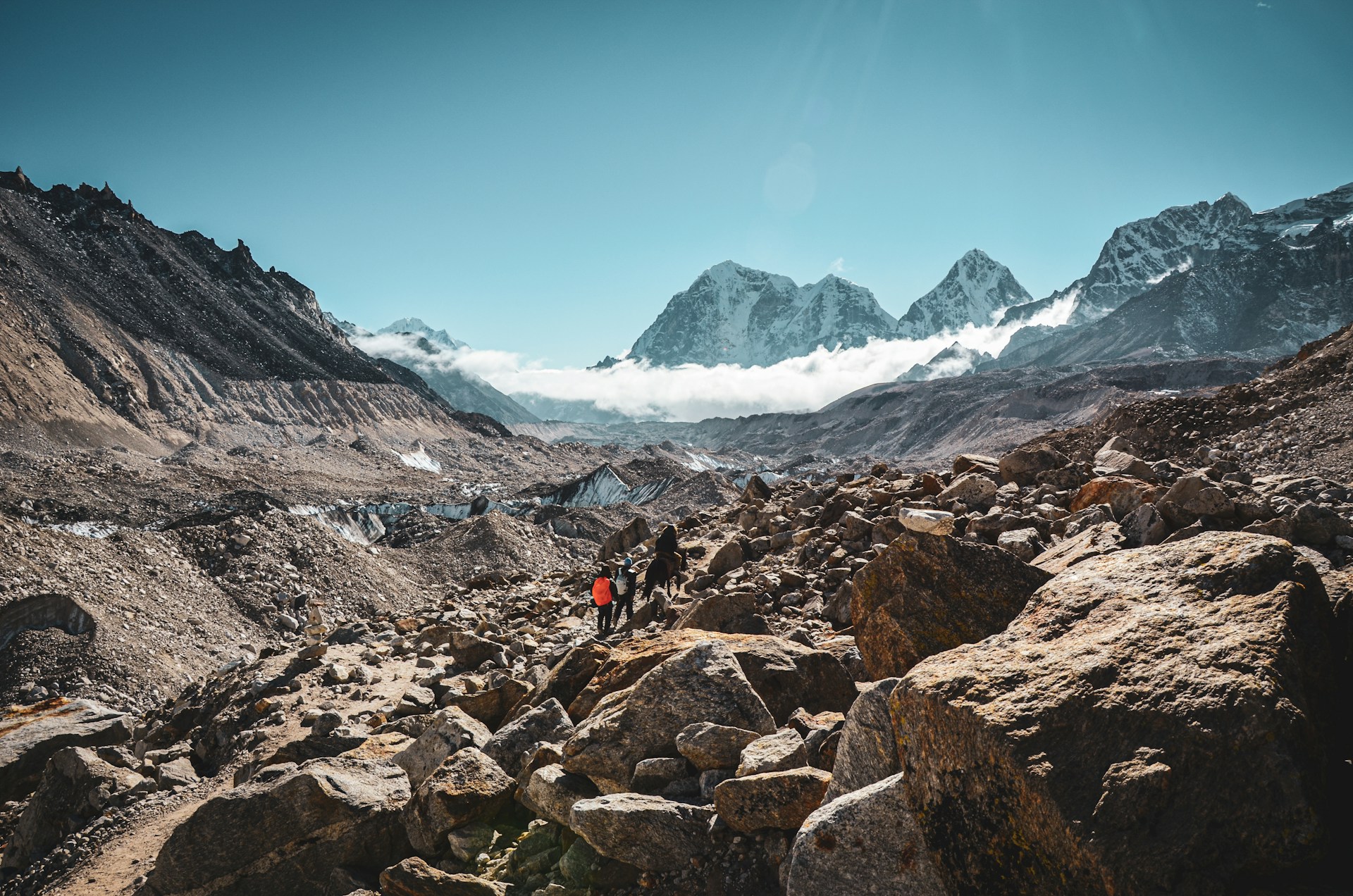
Fly from Kathmandu to Lukla (2,860 m) in the morning. Follow the Dudh Koshi River and pass through small villages on your way to Phakding (2,610 m) from Lukla.
Day 2: Phakding to Namche Bazaar (3,446 m)
Trek approximately 5 hours through forests and suspension bridges. Arrive at Namche Bazaar, the cultural hub of the Sherpa people.
Day 3: Acclimatization Day in Namche
Spend the day hiking on nearby trails, going to local markets, and taking in the stunning views of the Himalayas. Getting used to the higher altitude can help keep you from getting sick.
Day 4: Namche Bazaar to Tengboche (3,870 m)
Walk for about five hours through terraced fields and rhododendron forests. Go to the famous Tengboche Monastery and take in the stunning views of the mountains.
Day 5: Tengboche to Dingboche (4,410 m)
Ascend gradually through traditional Sherpa villages and alpine landscapes to Dingboche, a perfect place to rest.
Day 6: Acclimatization Day in Dingboche
Short hikes around Dingboche help the body adjust to higher altitudes while offering beautiful views of Ama Dablam and Island Peak.
Day 7: Dingboche to Tengboche
Begin your return trek, descending back to Tengboche and revisiting the monastery’s scenic surroundings.
Day 8: Tengboche to Namche Bazaar
Descend further to Namche Bazaar (5 hours). Enjoy the lively town and rest after the day’s trek.
Day 9: Namche Bazaar to Lukla
Complete the trek by trekking back to Lukla, preparing for the flight back.
Day 10: Fly Back to Kathmandu
Take a flight to Kathmandu in the morning to end the Khumbu Valley Trek with memories of beautiful mountains, Sherpa culture, and adventure in the Himalayas.
Safety Tips, Fitness & Difficulty Level of Khumbu Valley Trek
The Khumbu Valley Trek is one of the most popular trekking routes in the Everest area. It has beautiful views of the Himalayas and a chance to see Sherpa culture. Although the trek is accessible to many, understanding the difficulty level, fitness requirements, and safety tips is important for a safe and enjoyable journey.
Difficulty Level
- The trek is considered moderate to challenging, mainly due to high-altitude trekking.
- Daily hikes last between 4 and 6 hours and include some steep parts, especially near Namche Bazaar and Tengboche.
- Most of the time, the trails are well-marked and kept up, but there are some rocky paths, suspension bridges, and icy spots that you need to be careful on.
Fitness Requirements
- Trekkers should have good physical stamina and be comfortable with long uphill and downhill walks.
- It is a good idea to do cardio exercises, walk, or hike regularly before the trek.
- Acclimatization days in Namche Bazaar and Dingboche help the body get used to being at higher altitudes, which lowers the risk of getting sick from being at a high altitude.
Safety Tips
- To keep your energy up, always drink enough water and eat healthy foods.
- Don’t rush; keep a steady pace to save energy at high altitudes.
- Trek with a reliable agency like Skyline Treks, which provides experienced guides, permits, and emergency support.
- Bring a first-aid kit, warm clothes, and sunscreen.
- Pay attention to signs of altitude sickness, such as headaches, dizziness, or nausea.
The Khumbu Valley Trek is moderately hard, but with the right fitness preparation, safety awareness, and acclimatization, most trekkers can handle it.
If you follow these tips mentioned above, your trip through the Everest region will be safe, comfortable, and unforgettable. You’ll see amazing views of the Himalayas and learn about Sherpa culture along the way.
Permits, Costs & Accommodation
If you plan the Khumbu Valley Trek (towards Everest Base Camp and nearby valleys), you need to know about permits, expected costs, and lodging.
1. Permits Required
- Khumbu Pasang Lhamu Rural Municipality Permit — This local permit is mandatory for all trekkers entering the Khumbu/Everest region. The fee is NPR 2,000 (about USD 15–20) per person for the first 30 days.
- Sagarmatha National Park Entry Permit — This is a protected area that a lot of the trek goes through, so foreign trekkers need this permit. Foreigners have to pay NPR 3,000, while SAARC nationals pay less and Nepalis pay a small fee.
- Note: The older TIMS card is no longer required for the Everest region; the municipality permit replaces it.
If you use a licensed agency (such as Skyline Treks), they usually arrange the permits for you.
2. Typical Costs on the Trek
- Lodging (teahouses / lodges): Basic lodges along the trail usually charge around USD 5–10 per night. As altitude increases and lodges are more remote, costs tend to go up.
- Meals & Other Services: Food and drink prices are higher than in the lowlands because porters have to carry supplies up. You should expect to pay more for things like meals, hot showers, and charging devices.
- Flights (Kathmandu ↔ Lukla): Many trekkers begin the trek by flying to Lukla. Plan your budget accordingly because this is usually the most expensive part of the trek.
3. Accommodation & What to Expect
- You can find simple teahouses or lodges along the Khumbu Valley Trail in villages like Phakding, Namche Bazaar, Tengboche, Dingboche, Lobuche, and near Everest Base Camp.
- Rooms are simple, with a bed (or beds), a blanket, a shared bathroom, and not much heating. As you go higher, you can expect fewer services.
- In remote, high-altitude areas, things like hot showers, Wi-Fi, or charging may cost more. Because there aren’t many places that take cards, it’s a good idea to have some cash (Nepali rupees) on hand.
4. Budget Planning
For a typical Khumbu Valley Trek of around 10–14 days (including flights, lodging, meals, and permits), most trekkers budget roughly USD 700–1,200 — depending on how basic or comfortable they go, how many extras (hot showers, drinks, tips) they use, and the cost of flights..
Highlights of Khumbu Valley Trek
The Khumbu Valley Trek is one of Nepal’s most famous hikes. It takes you through beautiful Himalayan scenery, gives you a taste of Sherpa culture, and is an adventure you’ll never forget. Trekking through this region allows visitors to experience high-altitude trekking, panoramic landscapes, and cultural immersion.
Here are the main highlights of Khumbu Valley trek:
1. Everest Region & Panoramic Himalayan Views
The trek takes you deep into the Everest region, where you can see Mount Everest, Lhotse, Nuptse, and Ama Dablam, the tallest peaks in the world, without any breaks. Sunrises and sunsets reveal a spectacular panoramic Himalayan panorama, perfect for photography and nature lovers.
2. Sherpa Culture and Villages
The trail goes through old Sherpa villages like Namche Bazaar, Tengboche, and Dingboche. You can explore local monasteries, tea houses, and markets, learning about Sherpa customs, festivals, and hospitality.
3. Sagarmatha National Park
This UNESCO World Heritage Site protects the area’s unique plants and animals, such as Himalayan thar, snow leopards, and red pandas. Walking through rhododendron forests and alpine landscapes is a serene experience.
4. Acclimatization Hikes
The trek includes acclimatization days in Namche Bazaar and Dingboche, allowing trekkers to adjust to high altitudes while enjoying short scenic hikes with stunning views.
5. Tengboche Monastery
One of the best things to do here is to visit the Tengboche Monastery, which is the biggest monastery in the Khumbu area. The site has a spiritual atmosphere and beautiful mountains in the background.
6. Khumbu Glacier & Everest Base Camp
The trek goes to the Khumbu Glacier and the famous Everest Base Camp, where you can stand at the foot of the world’s tallest mountain and feel a sense of accomplishment and awe.
7. Kala Patthar Sunrise Hike
Hiking to Kala Patthar (5,545 m) offers one of the best sunrise views over Mount Everest, giving trekkers a chance to witness the Everest massif in golden light.
8. Adventure & Photography Opportunities
Every day presents adventure through suspension bridges, rocky trails, and snow-covered passes. The region is a photographer’s paradise, with stunning scenery, colorful villages, and mountain views around every corner.
Why Choose Skyline Treks for Khumbu Valley Trek
Trekking in the Khumbu Valley is an unforgettable adventure. Choosing the right trekking agency can make your journey safe, smooth, and enjoyable.
Skyline Treks is a trusted and reputed operator with many years of experience that offers professional support and authentic experiences with best services.
1. Experienced Guides & Local Knowledge
- Licensed, skilled guides who know the trails in the Khumbu Valley
- Have knowledge of high-altitude trekking, acclimatization, and Sherpa culture.
- Makes sure that trekkers can safely find their way and enjoy cultural exchanges
2. Comprehensive Trek Planning
- Handles permits, TIMS cards, flights, and accommodation bookings
- Tailors itineraries to your fitness level and interests
- Offers options for short or extended treks in the Everest region
3. Reliable Support & Safety
- Provides emergency support and first-aid kits
- Guides trained to manage altitude sickness and weather challenges
- Contingency plans for unexpected events
4. Authentic Cultural & Scenic Experience
- Visits Sherpa villages, monasteries, and panoramic Himalayan viewpoints
- Make sure that trekkers get to stay in comfortable tea houses with quality meals
- Offers insight into local traditions, cuisine, and lifestyle
5. Sustainable & Responsible Trekking
- Follows practices that are good for the environment
- Helps local communities and protects the environment.
Choosing Skyline Treks guarantees professional guidance, safety, cultural immersion, and breathtaking Himalayan adventure. With our expert team, you can fully enjoy every moment of the Khumbu Valley Trek, creating memories that last a lifetime.
Final Conclusion to Khumbu Valley Trek Nepal
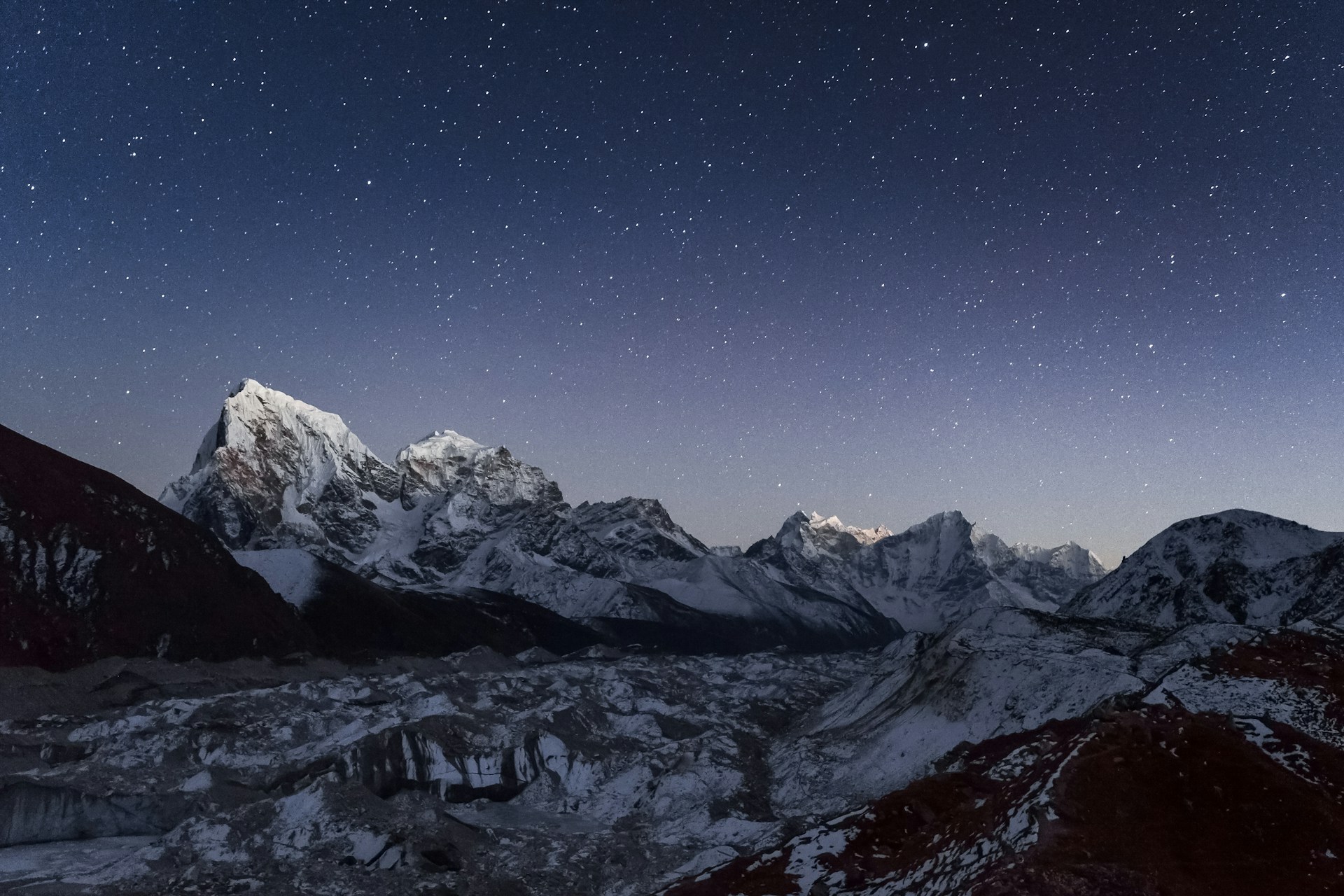
The Khumbu Valley trek is one of the most famous hikes in Nepal. It has stunning scenery, high-altitude adventure, and a rich Sherpa culture for you to experience. From the busy village of Namche Bazaar to the famous Everest Base Camp, trekkers get a close-up look at the beauty of the Himalayas, with stunning mountain views, glaciers, and unspoiled landscapes around every corner.
This trek also gives you a unique chance to fully experience Sherpa culture, visit old monasteries, and see how friendly the people are in high-altitude communities. Along the way, careful acclimatization, professional guidance, and safety measures ensure that the journey remains enjoyable and secure for all trekkers.
Whether you are a first-time trekker or an experienced adventurer, the Khumbu Valley offers something for everyone: challenging trails, stunning sunrise vistas, and unforgettable cultural encounters.
The Khumbu Valley trek is more than just a hike; it’s an adventure that will change your life. It combines the excitement of high-altitude trekking with the beauty and culture of the Everest region, leaving you with memories that will last a lifetime.
Plan your Khumbu Valley Trek adventure today with us Skyline Treks, and explore bustling Sherpa villages, high-altitude trails, and panoramic Everest views—creating many beautiful memories throughout your journey.