

Lobuche to Gorakshep: Altitude, Terrain, and Difficulty Level Explained
Introduction to the Lobuche to Gorakshep Trek Section
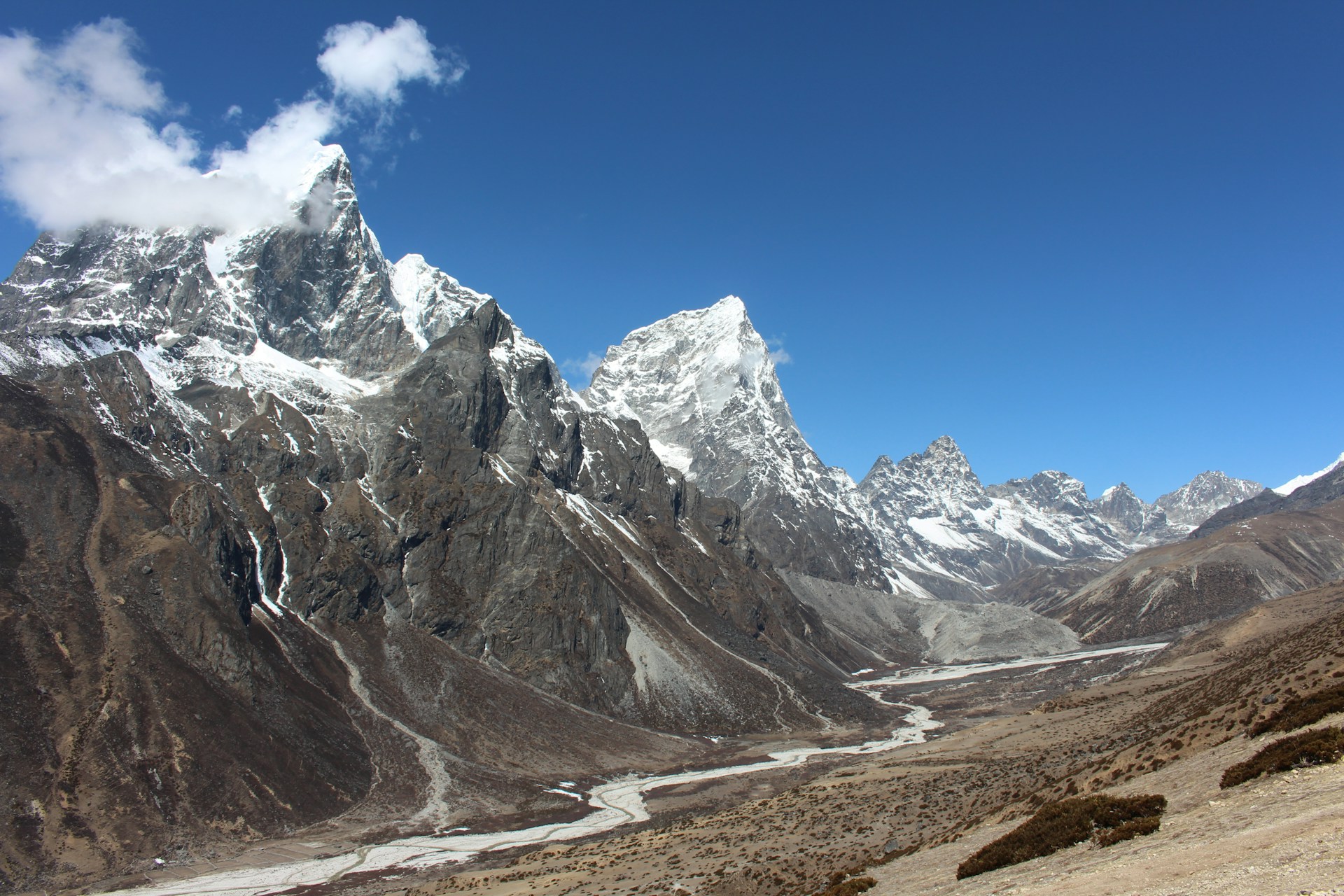
The Lobuche to Gorakshep section is one of the most exciting and important parts of the Everest Base Camp trek. This short yet difficult walk takes hikers through high mountains, steep roads, and freezing glacier sections. The trip begins in the little village of Lobuche Nepal and goes on to Gorakshep, which is the last village before Everest Base Camp.
The trek from Lobuche to Gorakshep is around 4 to 5 kilometers long and takes 3 to 4 hours, but it can feel longer because of the high altitude and rocky ground.longer because of the high altitude and rough terrain. Trekkers move slowly along the edge of the Khumbu Glacier, one of the most famous glaciers in the Himalayas. The path has amazing vistas of snowy peaks, frozen valleys, and mountains that look like they are about to fall.
This section of the trail is also part of the famous Everest Base Camp trekking route, making it a highlight for many visitors exploring the Everest region.
In the following sections, we will explore the trail details, distance, altitude challenges, and trekking tips for this route.
For safe and well-planned trekking experiences, travelers can also consider guidance from Skyline Treks.
Where Are Lobuche and Gorakshep Located?
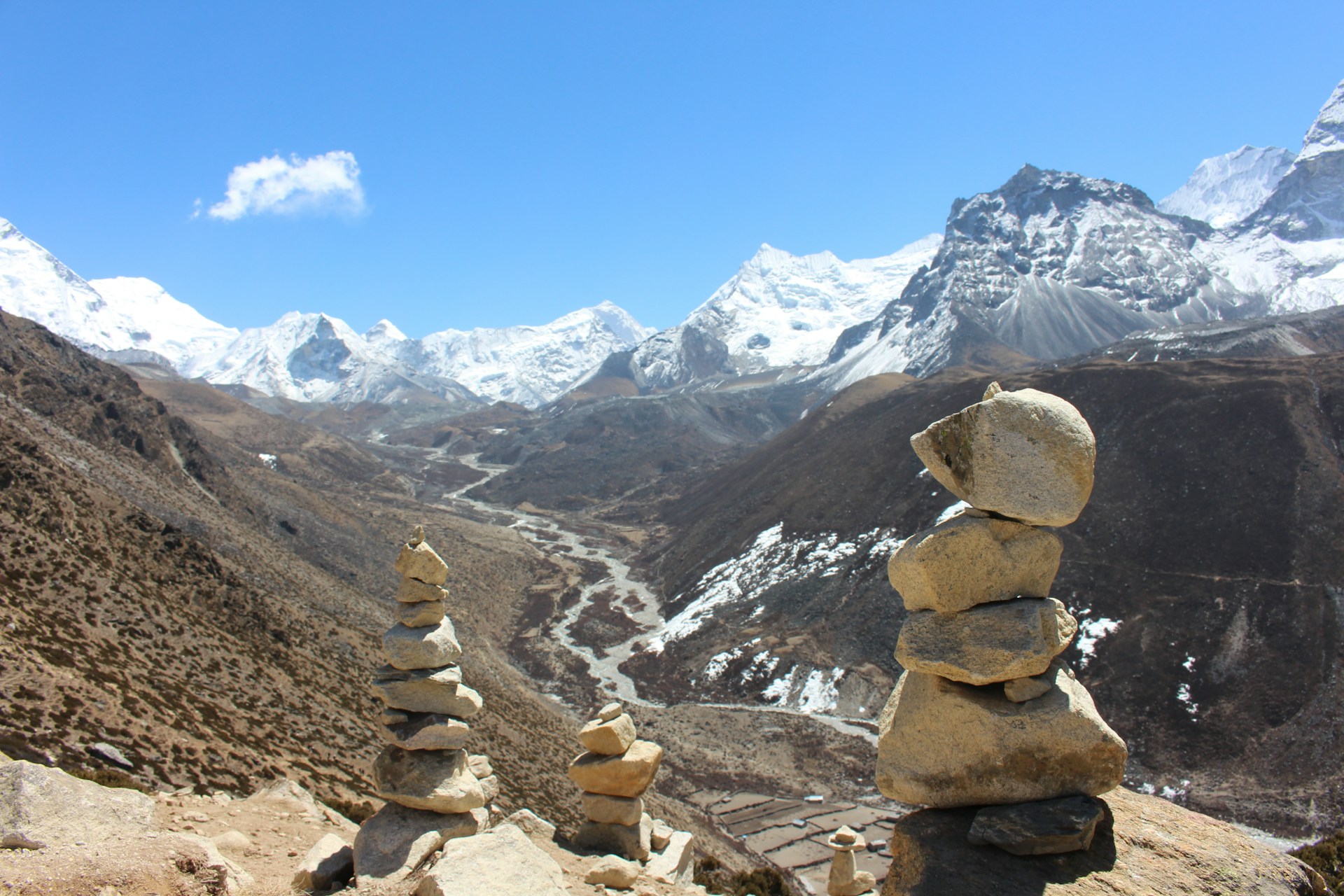
Lobuche and Gorakshep are small settlements located high in the Everest region of Nepal. They are along the well-known trekking path to Everest Base Camp and are an essential stopover for people who are hiking to the top of the world’s tallest peak.
Lobuche is located at about 4,940 meters above sea level in Khumbu Region. It is a little settlement with a few tea houses where people who are hiking to Everest Base Camp normally spend the night. You can see some great peaks and glaciers from the area around Lobuche.
About 4–5 kilometers north of Lobuche lies Gorakshep, the last settlement before Everest Base Camp. It sits at around 5,164 meters, making it one of the highest overnight stops on the trek.
Key location highlights include:
- Lobuche: a resting village before the final push toward base camp
- Gorakshep: the final lodge area before reaching Everest Base Camp
- Both of them are next to the huge Khumbu Glacier.
Because of their high altitude and remote location, trekkers usually walk slowly between these two places while adjusting to the thin mountain air.
Distance and Trekking Duration
The Lobuche to Gorakshep section is one of the final and most important parts of the Everest Base Camp trek. The walk feels longer and harder since the ground is rough and the altitude is high, even though the distance is little.
The Lobuche to Gorakshep distance is about 4 to 5 kilometers (around 2.5 to 3 miles). Most trekkers take 2 to 4 hours to complete this section of the trail. The path goes along the edge of the glacier and through rocky slopes and moraine fields. It’s vital to travel slowly and carefully.
The journey begins from Lobuche at about 4,940 meters. From here, trekkers gradually climb higher along the Everest Base Camp trail section, enjoying views of the surrounding Himalayan landscape.
Along the way, trekkers will pass:
- Rocky glacier paths near the Khumbu Glacier
- Small hills and paths made of uneven moraine
- Beautiful vistas of snowy mountains and high valleys
The trek ends at Gorakshep, located at about 5,164 meters above sea level. Because the altitude is so high, trekkers normally go slowly, take short pauses, and drink a lot of water.
Even though the distance is not long, this section is physically demanding due to the thin air.
However, the dramatic glacier scenery and the feeling of getting closer to Everest Base Camp make the journey very rewarding for trekkers.
About Lobuche Nepal
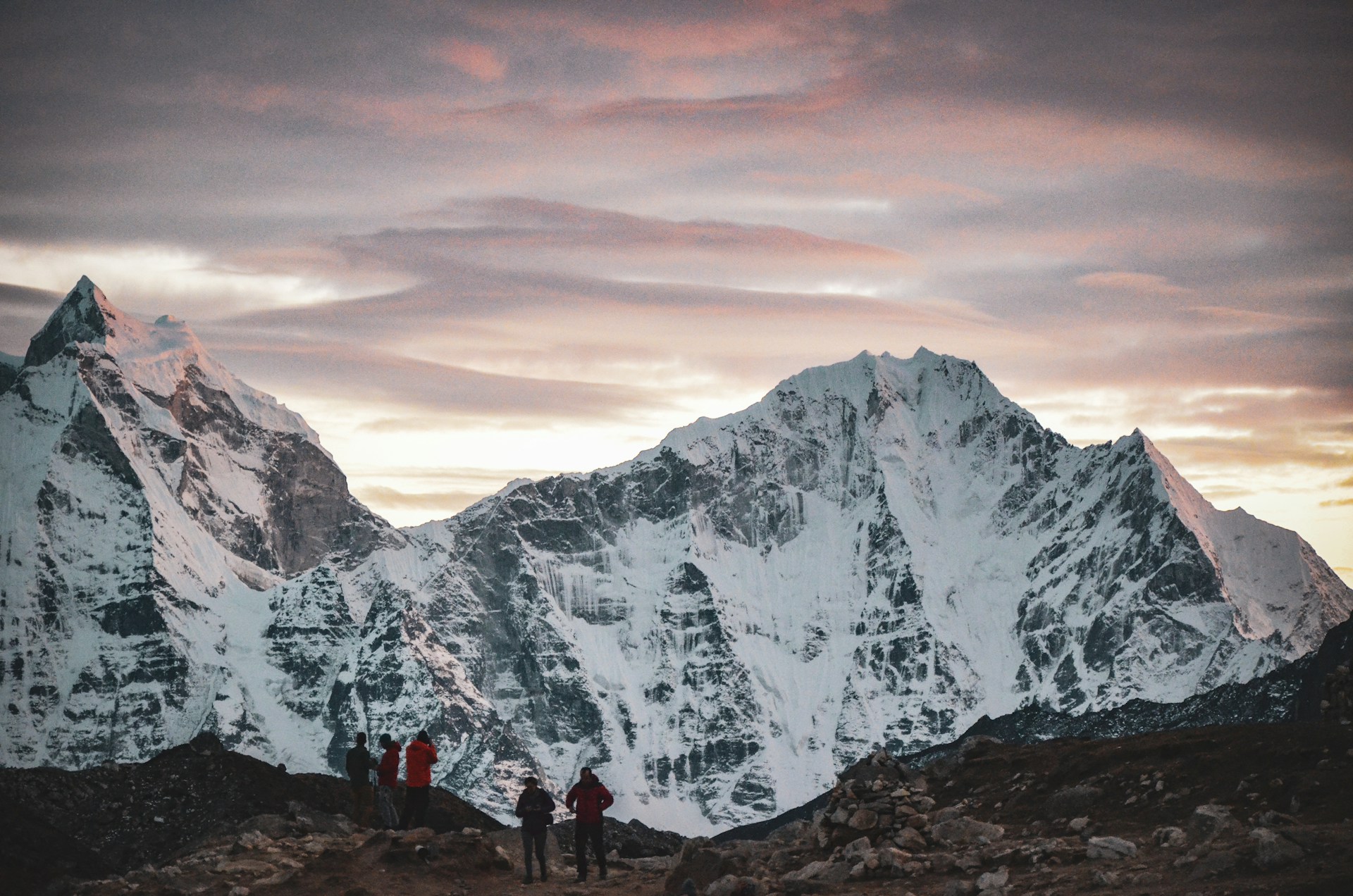
Lobuche is a small mountain settlement in the high Himalayas of Nepal. It is around 4,940 meters (16,207 feet) above sea level in the Everest region. Even though it’s a little settlement with only a few buildings, it is quite significant on the well-known hiking route to Everest Base Camp.
Most trekkers stay in Lobuche for one night before continuing their journey toward Gorakshep and Everest Base Camp. The air is thin because the altitude is high, so hikers normally walk slowly and rest here to let their bodies get used to it.
Lobuche is located near the edge of the massive Khumbu Glacier, one of the largest glaciers in Nepal. The landscape around it is rocky and dramatic, with stunning views of snowy Himalayan peaks and glacier valleys.
Some key features of Lobuche include:
- Teahouses and lodges where trekkers can eat and sleep
- Memorial sites for climbers who lost their lives on Mount Everest
- Amazing views of glaciers and nearby mountains
- A peaceful stop before the final stages of the Everest Base Camp trek
Although Lobuche is small and remote, it is an important resting point for trekkers exploring the Everest region and preparing for the final part of their Himalayan adventure.
About Gorakshep Nepal
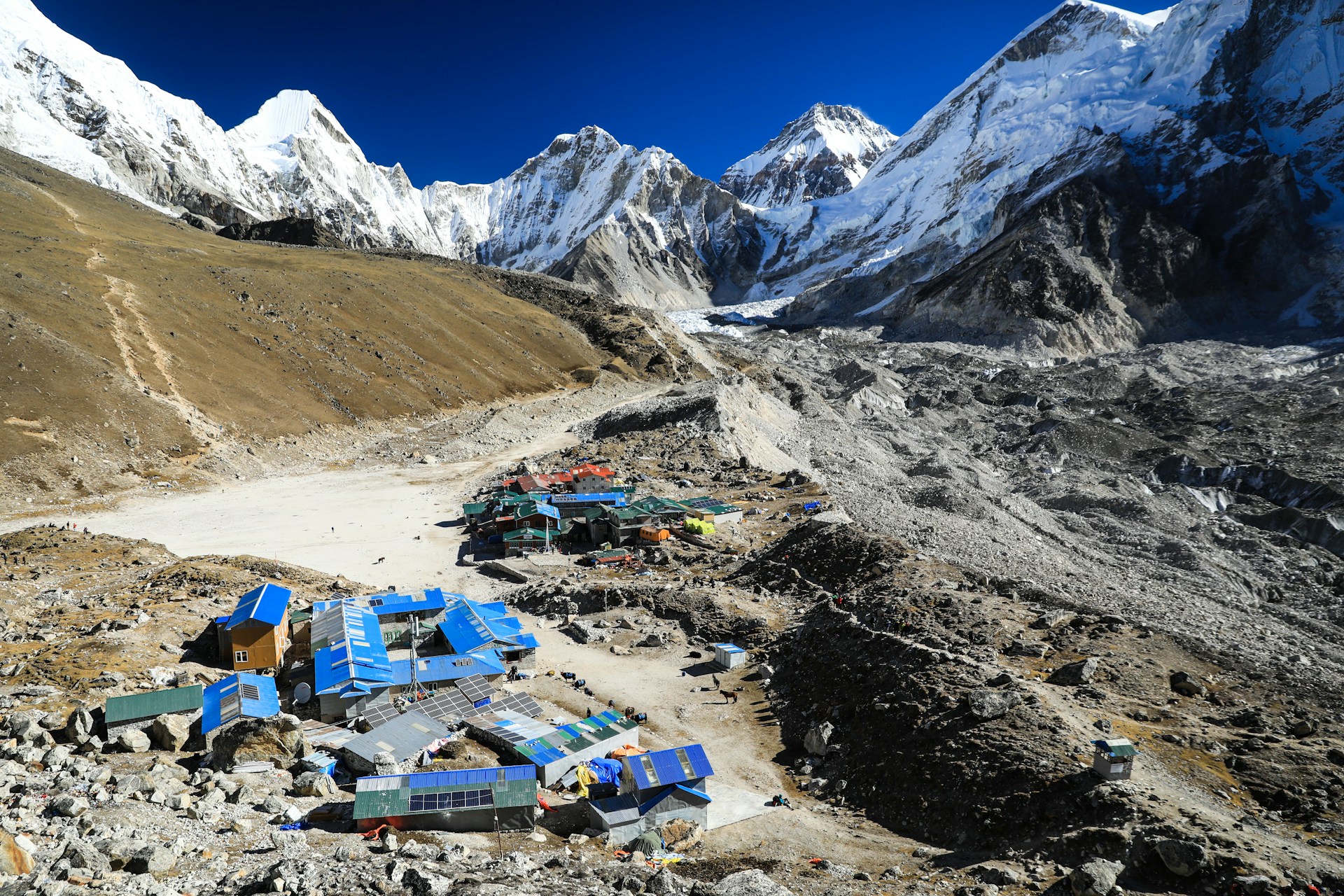
Gorakshep is a small and remote settlement located high in the Everest region of Nepal. It is the last village on the trail before reaching Everest Base Camp, and it is around 5,164 meters (16,942 feet) above sea level. For this reason, it is one of the most significant stopovers for people who are trekking to Everest Base Camp.
Gorakshep is located beside the massive Khumbu Glacier. The area is surrounded by rocky terrain, icy glacier fields, and towering Himalayan peaks. In the local language, “Gorakshep” means “dead ravens.” This is because the area is quite harsh and windy, making it hard for animals to live there.
Although the settlement is small, it has a few basic teahouses and lodges where trekkers stay overnight before or after visiting Everest Base Camp and climbing Kala Patthar, a famous viewpoint.
Important highlights of Gorakshep include:
- Final resting point before Everest Base Camp
- Starting point for the hike to Kala Patthar, one of the best Everest viewpoints
- Located at a high altitude, which means you have to stroll slowly and get used to the air.
- Stunning views of glaciers and the peaks of the Himalayas
Even though Gorakshep is simple and rugged, it plays a key role in the Everest Base Camp trek and offers trekkers an unforgettable high-mountain experience.
Altitude Details Along the Route
The Lobuche to Gorakshep trek takes place at very high altitude in the Everest region of Nepal. Since the trail goes up to more than 5,000 meters, it’s crucial to know how the altitude varies to stay safe and comfortable while walking.
The journey begins in Lobuche, which sits at about 4,940 meters (16,207 feet) above sea level. As you continue along the Everest Base Camp trekking route, the trail gradually climbs higher across rocky paths and glacier moraines near the Khumbu Glacier. The environment becomes colder and windier as the altitude increases.
The walk concludes in Gorakshep, which is around 5,164 meters (16,942 feet) high. This is one of the highest places to stay overnight on the trip to Everest Base Camp.
Important altitude points along Lobuche to Gorakshep include:
- Lobuche: 4,940 meters – starting point of the trek
- Glacier trail section: around 5,000 meters – rocky terrain beside the Khumbu Glacier
- Gorakshep: 5,164 meters – final village before Everest Base Camp
Because of the high altitude, people who hike may feel weary, out of breath, or slower than usual. Acclimatization on earlier trekking days helps the body become used to these conditions.
Walking slowly, staying hydrated, and listening to your body are key tips for safely completing the Lobuche to Gorakshep trek.
Terrain and Trail Conditions
The Lobuche to Gorakshep section of the Everest Base Camp trek passes through some of the most rugged and dramatic landscapes in the Himalayas. The path conditions make this leg of the journey both hard and fun for trekkers, even though the distance isn’t particularly lengthy.
The trek begins in Lobuche and follows a rough path along the edge of the massive Khumbu Glacier. The ground is largely rocky moraine, loose stones, and glacier paths that aren’t very even. This is why people who are hiking need to be careful where they step.
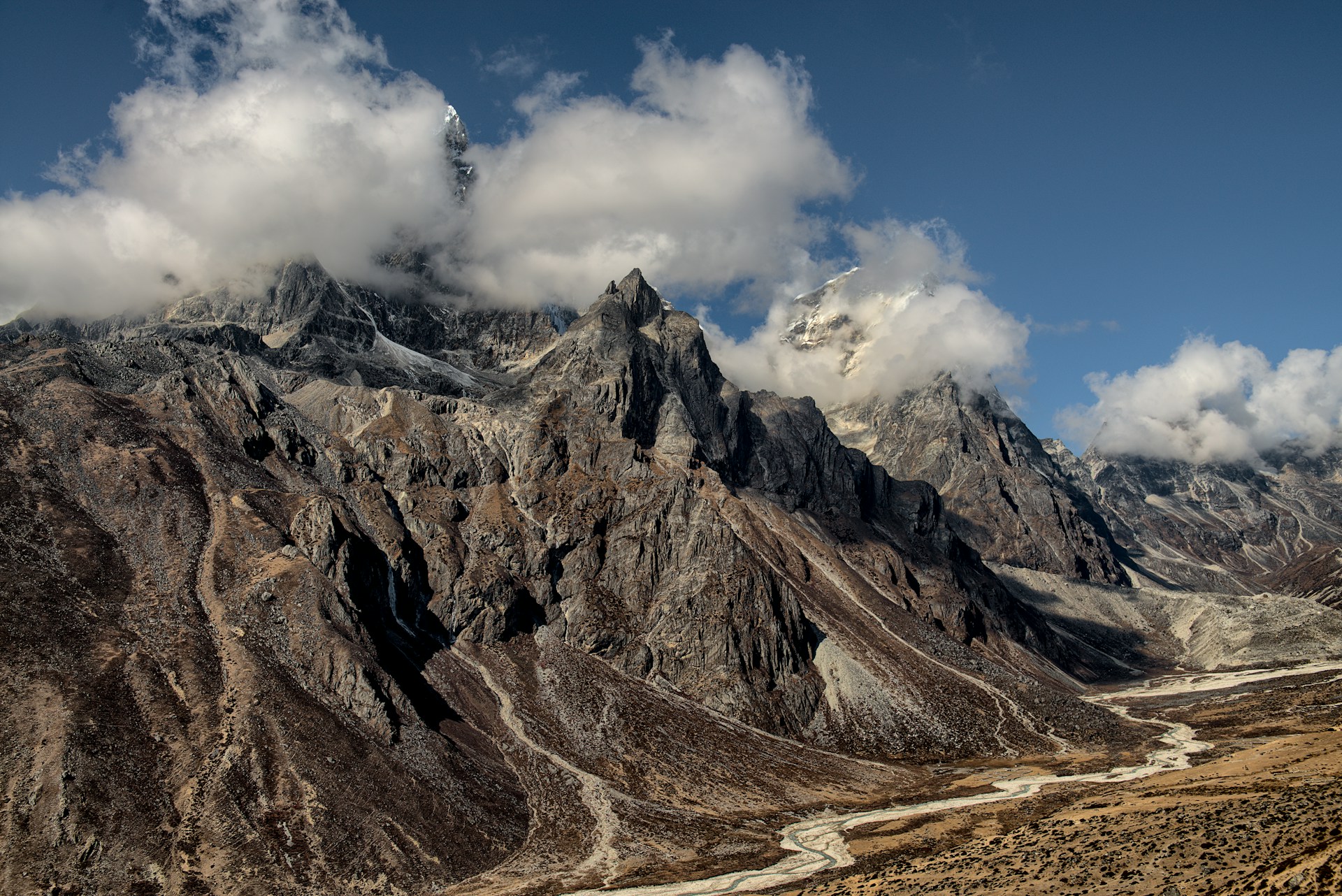
Common trail features include:
- Rocky paths and glacier moraine, which can feel uneven underfoot
- Small climbs and descents along the mountain slopes
- Windy and cold conditions, especially during early morning or late afternoon
- Narrow sections of trail beside the glacier
Even with these problems, trekkers and guides use the path a lot and make sure it is easy to see. Walking poles can help you keep your balance on rocky parts, and it’s best to wear strong trekking boots for comfort and safety.
The land gets more wide and arid as the trail gets closer to Gorakshep. The trees go away, and the area feels more like a high mountain desert with glaciers and icy peaks all around it.
Although the terrain can be demanding, the incredible scenery and the feeling of reaching the final stage of the Everest Base Camp trek make this section very rewarding.
Difficulty Level of the Lobuche to Gorakshep Trek
The Lobuche to Gorakshep section is considered one of the more challenging parts of the Everest Base Camp trek. Even though the distance is short, the high altitude and rugged terrain make this section of the route hard for many trekkers.
The trek starts from Lobuche at about 4,940 meters and climbs to Gorakshep at around 5,164 meters. At this altitude, the air contains much less oxygen, which can make walking slower and more tiring. Even simple tasks like climbing small hills may feel difficult.
Several factors contribute to the difficulty level of this trek:
High Altitude:
The biggest challenge is the altitude. Trekkers may feel shortness of breath, fatigue, or mild headaches due to reduced oxygen levels.
Rocky Terrain:
The trail goes across difficult ground and glacier moraine near the Khumbu Glacier. You have to be careful when you walk since there are loose rocks and small paths.
Cold Weather:
The temperature can drop below freezing, especially in the morning and evening. This high mountain area also gets a lot of strong winds.
Physical Endurance:
Although the trek only takes about 2–3 hours, trekkers need good stamina because the body is already tired after several days of hiking.
Helpful tips for managing the difficulty include:
- Walk slowly and maintain a steady pace
- Drink plenty of water to stay hydrated
- Take short breaks along the trail
- Use trekking poles to help you keep your balance on uneven paths.
With proper acclimatization and a steady pace, most trekkers can complete the Lobuche to Gorakshep trek safely. Reaching this point also brings a strong sense of achievement, as it means you are very close to Everest Base Camp.
Altitude Sickness Risks
The Lobuche to Gorakshep section of the Everest Base Camp trek takes place at very high altitude, which means trekkers must be aware of the risk of altitude sickness. This happens when the body has trouble getting used to decreasing oxygen levels at high altitudes.
Common symptoms of altitude sickness include:
- Headache
- Dizziness or lightheadedness
- Shortness of breath
- Nausea or loss of appetite
- Trouble sleeping
These symptoms may appear as trekkers move closer to the glacier areas near the Khumbu Glacier. Most of the time, the instances are moderate, but it’s vital to spot the indicators early.
To reduce the risk of altitude sickness, trekkers should:
- Walk slowly and avoid rushing
- Drink plenty of water throughout the day
- Take the right amount of time to get used to the weather before you start your walk.
- Eat small, regular meals.
If symptoms become severe, the safest solution is to descend to a lower altitude and seek medical help. With careful planning and proper acclimatization, most trekkers complete Lobuche to Gorakshep section safely while enjoying the incredible high-mountain scenery.
Scenic Highlights Along the Trail
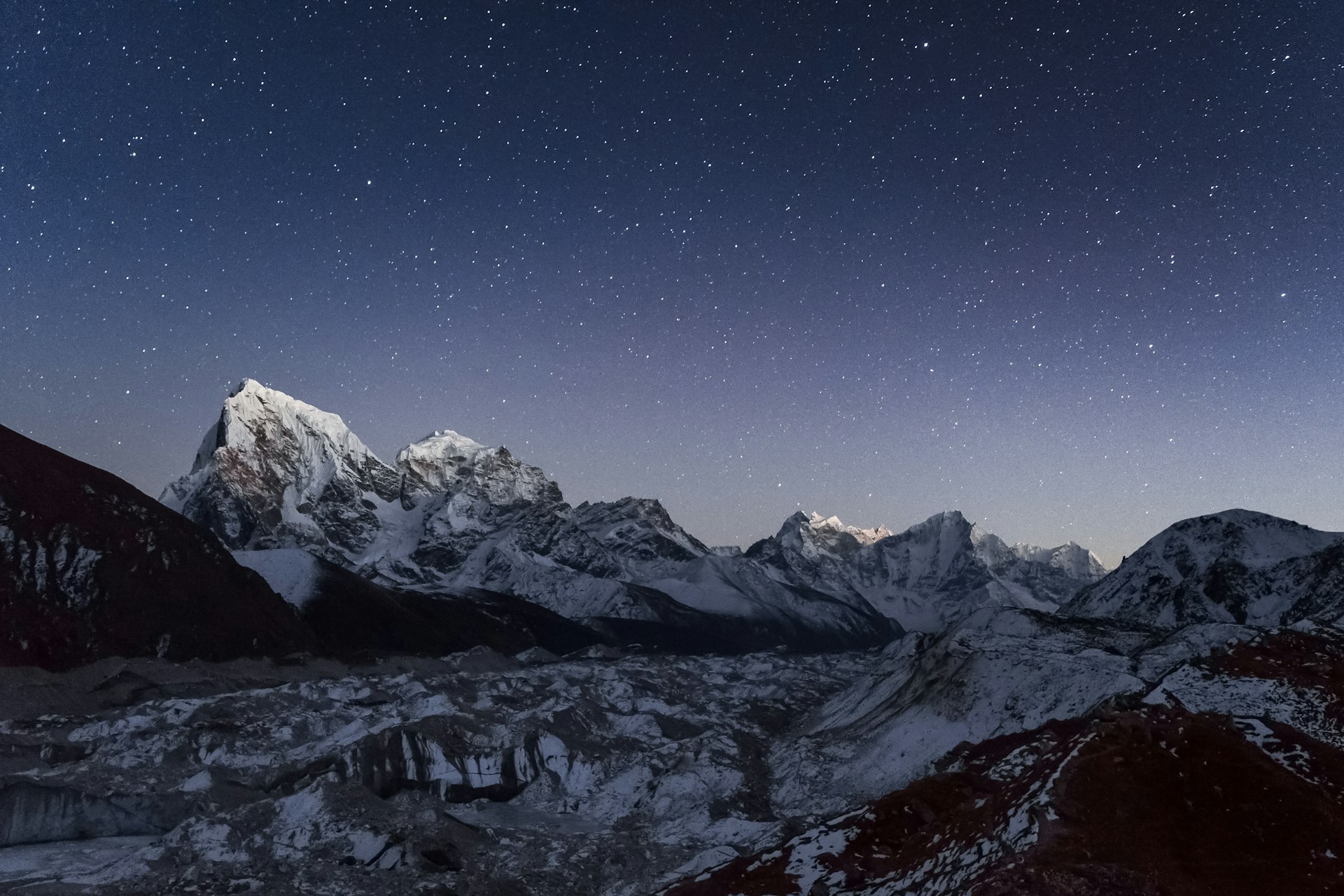
The Lobuche to Gorakshep trek is one of the most visually stunning sections of the Everest Base Camp journey. Although it is relatively short, it offers dramatic high-altitude landscapes, glacier views, and unforgettable Himalayan scenery.
Starting from Lobuche, trekkers are surrounded by rugged mountain terrain and icy ridges. The village itself has amazing views of adjacent peaks, like Lobuche mountain, which is the tallest mountain in the area. As you go along the rocky moraine, the trail slowly goes up, giving you your first view at the huge Khumbu Glacier and its crevasses.
As you move toward Gorakshep, the landscape becomes more open and barren. The trail passes through:
- Glacial paths and moraine fields, where the ice appears blue and sparkling in sunlight
- High alpine ridges that offer unobstructed views of Machhapuchhre (Fishtail), Everest, Lhotse, and Nuptse\
- Snow-capped peaks reflecting morning and evening light, perfect for photography
One of the most famous scenic highlights is the view from Gorakshep, the final stop before Everest Base Camp.
From here, trekkers can see:
- The glacial valley stretching toward EBC
- Multiple Himalayan peaks rising sharply against the sky
- The sensation of being in the high Himalayas, at an elevation exceeding 5,000 meters.
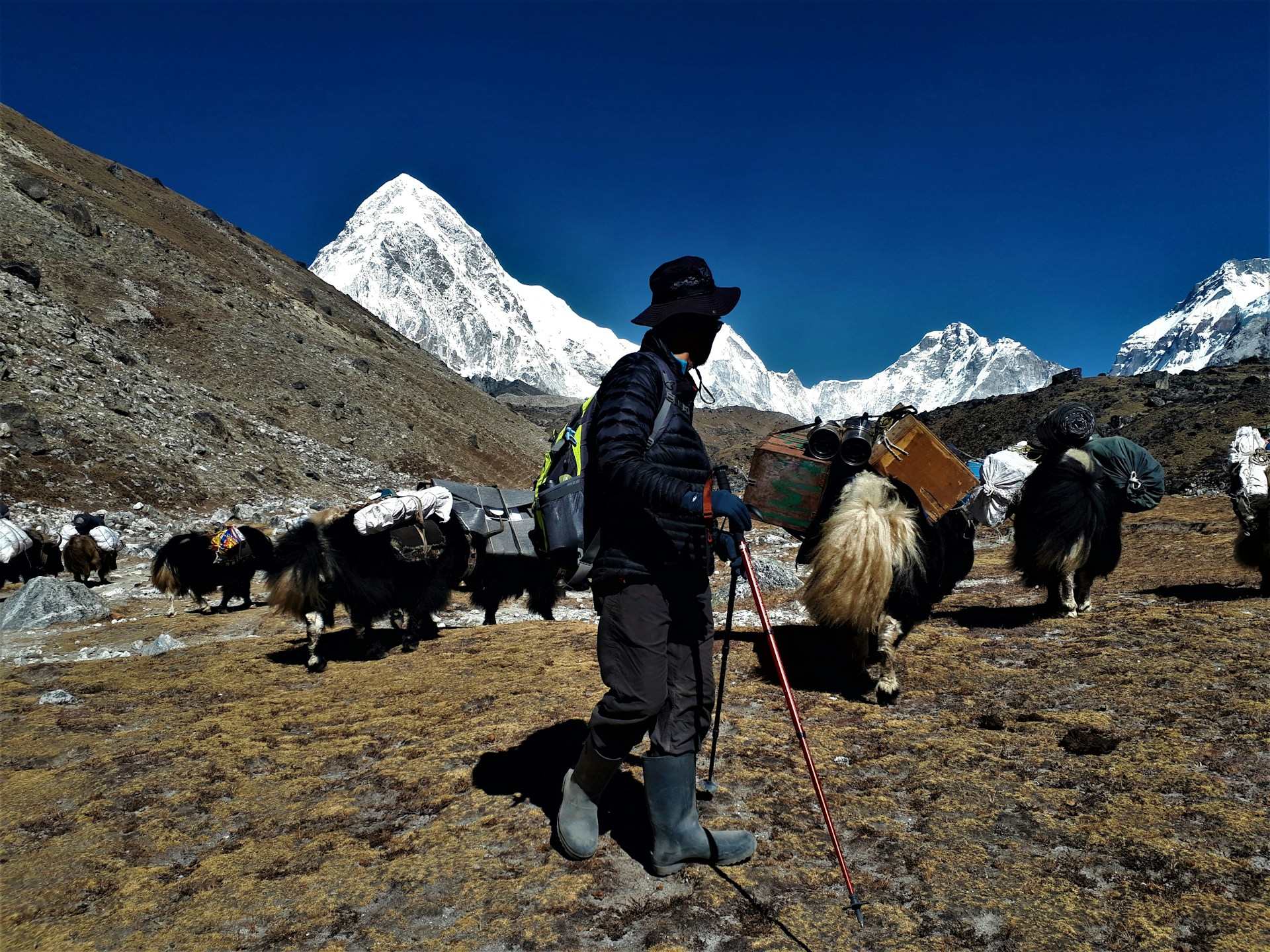
Along the trail, small prayer flags, scattered rocks, and occasional yak sightings add cultural and natural interest. Trekkers may also notice shifting cloud patterns below the ridges, creating a magical “above the clouds” atmosphere.
Even though the terrain is challenging, these scenic highlights make the Lobuche to Gorakshep section incredibly rewarding.
Every step brings you closer to the stunning majesty of the Everest region, with its towering peaks, glacier valleys, and undisturbed nature. This is one of the most unforgettable aspects of the walk.
Tips for Successfully Completing This Trek Section
The Lobuche to Gorakshep section is short but demanding due to the high altitude and rocky terrain. Careful planning and preparation can make this part of the trek safe and enjoyable.
Walk Slowly:
- Take your time and keep a steady pace. The air is so thin at over 5,000 meters that it can make walking 4–5 kilometers tiresome.
Stay Hydrated:
- Drinking a lot of water can assist your body get used to the high altitude. Tea and other warm drinks can also help you feel better.
Use Trekking Poles:
- Poles help you keep your balance on rough and uneven glacier paths, which lowers the chance of slipping.
Dress in Layers:
- It can get very cold very rapidly. Wearing layers of clothes will keep you warm on frigid mornings or when it’s windy.
Acclimatize Properly:
- Spend a few additional days in Lobuche or adjacent communities to help your body get used to them. This lowers the chance of getting sick at high altitudes.
Carry Essentials:
- Sunglasses, sunscreen, and snacks are important. The sun is stronger at high altitudes, and snacks give quick energy for the climb.
Take Breaks:
- Rest frequently, especially near scenic spots. This helps your body adapt and gives opportunities to enjoy the views.
Following these tips will make the Lobuche to Gorakshep trek section safer, more comfortable, and much more rewarding, while allowing you to fully enjoy the stunning Himalayan scenery.
Conclusion – Preparing for the Final Push to Everest Base Camp
The Lobuche to Gorakshep section is one of the most memorable parts of the Everest Base Camp trek. Although the distance is short—around 4 to 5 kilometers—the high altitude, rocky terrain, and thin air make it a challenging yet rewarding journey. When trekkers get to Gorakshep, they feel like they are in the middle of the Himalayas, surrounded by tall peaks, glaciers, and breathtaking vistas.
Along the trail, trekkers are treated to breathtaking views of Lobuche Peak, Machhapuchhre (Fishtail), Everest, and the Khumbu Glacier. Cultural and natural highlights, such as prayer flags, scattered lodges, and yak sightings, add to the experience. Every step along this high-altitude path is a mix of adventure, effort, and awe-inspiring scenery.
For a safe and enjoyable trek, it is essential to walk slowly, stay hydrated, dress in layers, and acclimatize properly. Using trekking poles and taking breaks to admire the surroundings also helps. With careful planning and preparation, this short but demanding trail becomes one of the most rewarding parts of the Everest region journey.
Completing the Lobuche to Gorakshep trek brings trekkers closer to Everest Base Camp while offering an unforgettable glimpse into the raw beauty of the Himalayas.