

Mani Rimdu Festival in 2026: Why Every Trekker Should Witness This Himalayan Festival
Introduction to the Mani Rimdu Festival
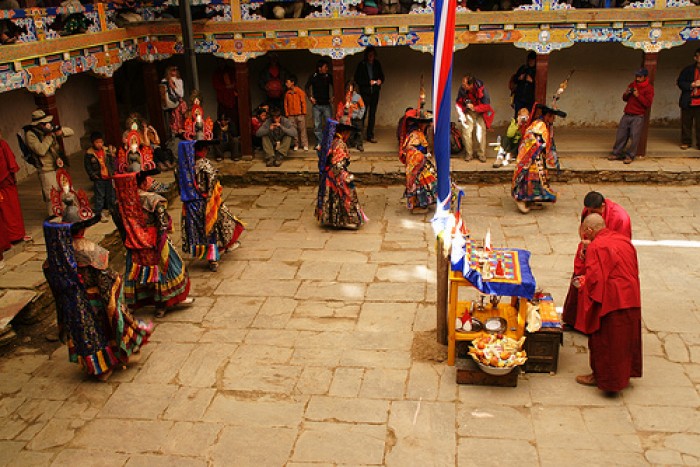
The Mani Rimdu Festival is one of the most famous and colorful celebrations in the Everest region of Nepal. Every year, Tengboche Monastery hosts this special event where monks and Sherpa communities come together to worship, dance, and celebrate Buddhist traditions. The Mani Rimdu festival lasts for a few days and usually happens in the fall, after the primary harvest season.
During the festival, monks wear bright masks and costumes to perform spiritual dances that tell stories of good defeating evil. These performances are more than just spectacles; they are essential religious ceremonies that provide calm and blessings to the community. Visitors who join the Mani Rimdu Festival can see these one-of-a-kind rites and learn about Sherpa culture and Himalayan Buddhist festivities.
The festival is also a perfect time to mix culture with hiking in the Everest area. A lot of people organize their trips around this event so they can see the mountains and learn about the culture.
To make your trip smooth and meaningful, you can plan your adventure with Skyline Treks, and in the next sections, you will learn more about routes, dates, and trekking details related to this special festival.
What Is the Mani Rimdu Festival?
The Mani Rimdu Festival is an important Buddhist celebration held in the Everest region of Nepal. It is a sacred festival where monks perform special prayers, rituals, and colorful mask dances to spread peace, compassion, and protection. The famed Tengboche Monastery, which is surrounded by steep Himalayan mountains, is where the event happens every year.
This festival is deeply connected to Tibetan Buddhist traditions and the culture of the Sherpa community. It usually lasts for about three days, but the preparation rituals begin many days before the main celebration. Monks make a holy sand mandala, sing prayers, and get ready for the last masked dance performances, which show that wisdom wins over evil.
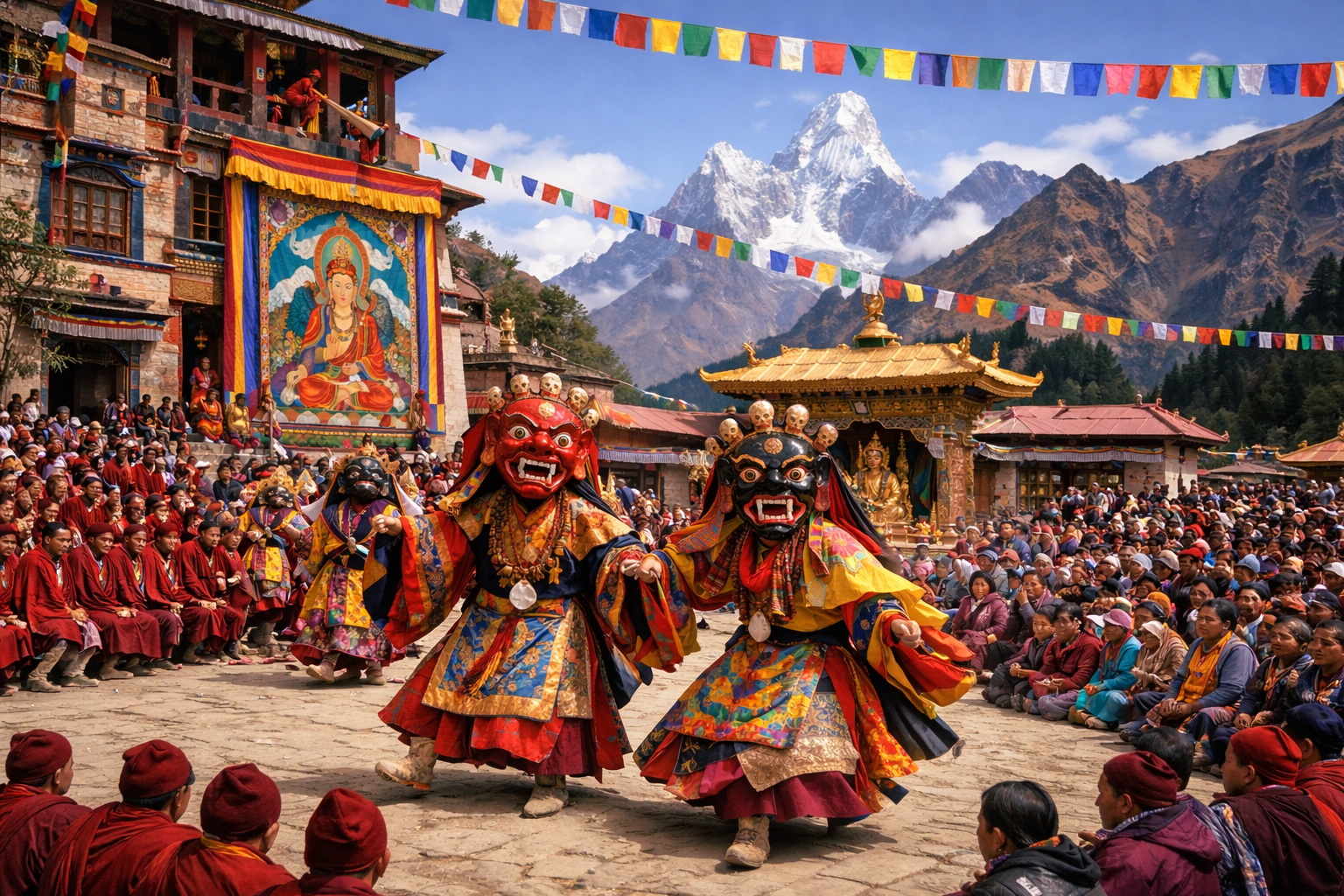
In 2026, Mani Rimdu Festival at Tengboche Monastery is set to be celebrated in early November, from the 5th to the 7th of November.
Key highlights of the Mani Rimdu Festival include:
- Sacred mask dances performed by monks in bright costumes
- Prayer ceremonies for world peace and harmony
- Blessings given to people who live nearby and guests
- Chants, traditional music, and spiritual teachings
The festival is more than just a religious occasion; it’s also a cultural event that draws together residents and trekkers. Many visitors travel through the Everest region to witness this unique celebration. It offers a rare chance to see living Buddhist traditions while enjoying stunning mountain scenery and Sherpa hospitality.
Where the Mani Rimdu Festival Is Celebrated
The Mani Rimdu Festival is celebrated in the Everest region of Nepal, mainly inside important Buddhist monasteries located along famous trekking routes. Sherpa people dwell high in the Himalayas and follow Tibetan Buddhist traditions. This holy celebration takes place there. The serene mountains make every ritual and dance at the event feel more mystical.
The main place where the Mani Rimdu Festival is celebrated is the historic Tengboche Monastery. This monastery lies on a hill and is surrounded by tall Himalayan peaks. It is one of the most beautiful places of worship in Nepal. A lot of people who go trekking organize their trips around the festival dates so they may see the colorful festivities and mask dances.
Other nearby monasteries in the Khumbu region also host smaller Mani Rimdu celebrations, but Tengboche remains the most famous location. Visitors can experience both cultural and natural beauty during the festival.
Key locations where the festival is celebrated include:
- Tengboche Monastery – the main and most popular festival venue
- Pangboche Monastery – an older monastery with local celebrations
- Thame Monastery – a quieter place with deep spiritual traditions
These monasteries are connected by trekking trails, allowing visitors to explore Sherpa villages and mountain landscapes on the way.
The high-altitude setting, warm local welcome, and sacred rituals make the Mani Rimdu Festival a truly unforgettable Himalayan cultural experience.
History and Religious Significance
The history of the Mani Rimdu Festival is deeply linked to Tibetan Buddhism and the spiritual life of the Sherpa people in the Everest region. Buddhist monks brought the celebration to Nepal in the early 1900s to safeguard local communities and propagate religious teachings. It has now grown into a significant yearly event that combines prayer, ritual, and cultural expression.
The main purpose of the Mani Rimdu Festival is to honor the teachings of Guru Rinpoche, also known as Padmasambhava, who is believed to have brought Buddhism to the Himalayan regions. Monks do ancient dances and ceremonies that symbolically beat bad forces and restore peace, health, and harmony to all living things.
The festival is very important to religious people, notably at Tengboche Monastery, where monks spend days making sand mandalas, chanting prayers, and holding blessing ceremonies. There is a spiritual meaning to each ceremony, and they are done exactly as they are written in ancient Buddhist writings.
For local communities, Mani Rimdu is more than a celebration. It is a time to renew faith, seek blessings, and connect with spiritual traditions passed down for generations. The sacred mask dances show that wisdom wins over ignorance and compassion wins over fear.
Because of this deep religious meaning, the Mani Rimdu Festival remains one of the most respected and spiritually important Himalayan Buddhist festivals today.
How is the Festival Celebrated?
The Mani Rimdu festival is one of the most spectacular cultural and religious events in the Everest region of Nepal. Every year, monks, locals, and trekkers come together at Tengboche Monastery and smaller monasteries in the vicinity to celebrate with a combination of spiritual rites, colorful mask dances, and community events. The festival has its roots in Tibetan Buddhism and Sherpa culture. It is seen as a celebration of the victory of good over evil, knowledge over ignorance, and compassion over fear.
Preparation Before the Festival
Preparation for Mani Rimdu begins days or even weeks before the actual celebration. Monks clean and decorate the monastery, arrange sacred altars, and create intricate sand mandalas. These mandalas are intricate patterns formed from colored sand that stand for spiritual symbolism, gods, and the universe. Making the mandala is a ritual in and of itself that represents concentration, attention, and devotion.
Monks also prepare costumes, masks, and ritual items for the dances, ensuring that every detail reflects centuries-old traditions. Locals from surrounding villages bring offerings such as grains, butter lamps, and symbolic gifts to the monastery. This time of preparation establishes the spiritual tone and makes sure that the event starts with a sense of respect and devotion.
Day 1: Opening Rituals
The first day of the festival focuses on prayers and blessings. Monks perform sacred chants, reciting mantras to purify the monastery and the surrounding land. These prayers are intended to remove negative energy and protect the community for the coming year. Visitors can see monks doing rituals at the Tengboche monastery, where every movement, chant, and gesture is based on procedures that have been around for hundreds of years.
Local villagers often gather in the monastery courtyard, joining in prayers and listening to teachings from senior monks. Offerings are made to the deities, and the atmosphere is filled with incense smoke, sacred music, and a sense of communal devotion.
Day 2: Main Mask Dances (Cham Dances)
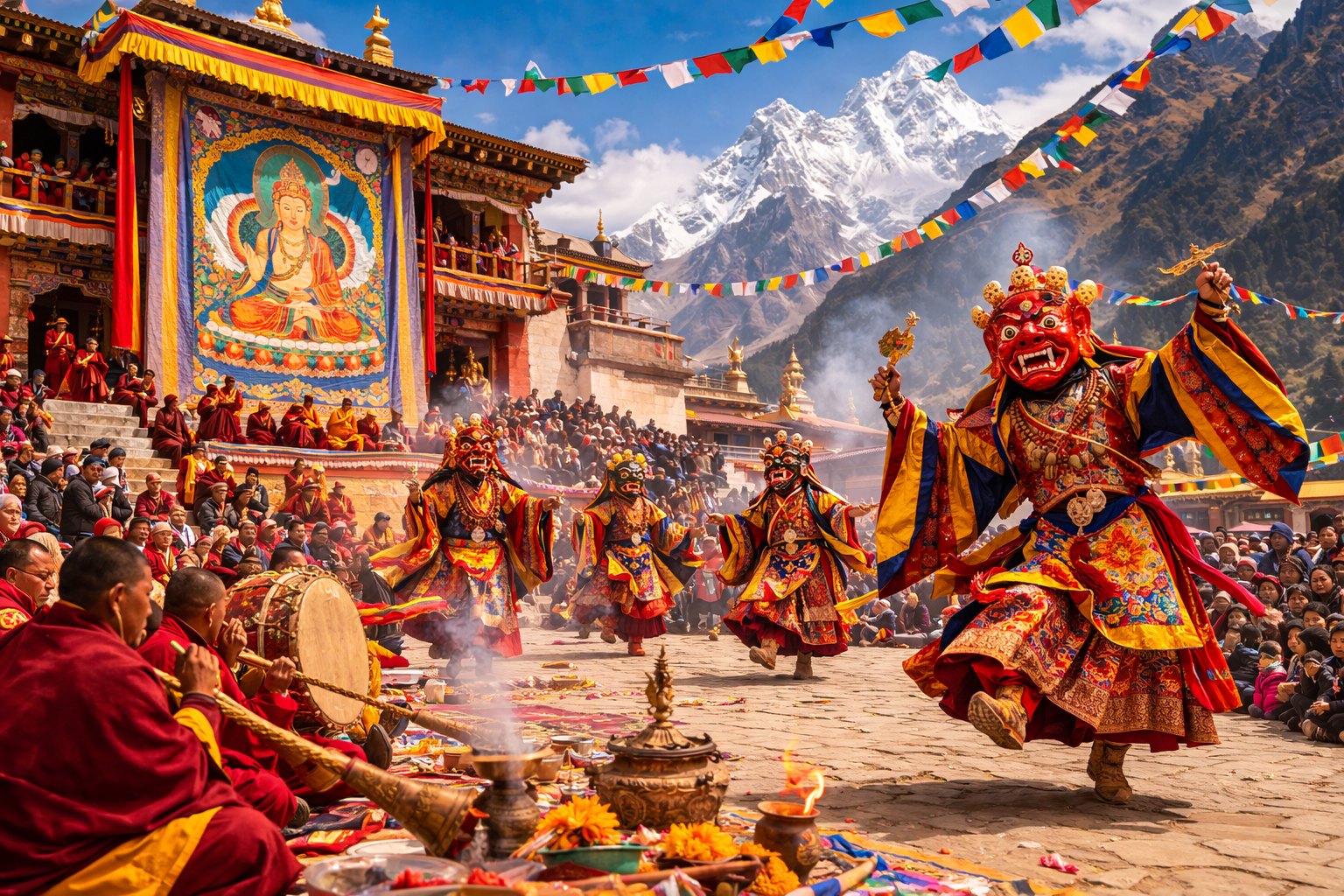
The second day is the most visually striking, as monks perform masked Cham dances, which are the heart of the Mani Rimdu festival. Each dance tells a story from Buddhist mythology, usually about how good triumphed over evil.
- Masks and Costumes: Monks wear large, elaborately decorated masks representing gods, demons, and legendary heroes. Costumes are brightly colored with flowing robes, beads, and symbolic accessories.
- Dance Performances: The monks move in time to the drums, cymbals, and horns, telling spiritual stories with precise movements and gestures. The dances are very symbolic, and each step has a spiritual meaning.
- Audience Participation: Villagers and visitors sit around the courtyard, observing in silence or offering prayers and donations. Many locals also wear traditional Sherpa clothing, adding to the festival’s colorful atmosphere.
The masked dances are not mere performances; they are sacred rituals, believed to cleanse the land of negative energy and bring blessings to all who witness them.
Day 3: Final Blessings and Rituals
The final day of the festival is dedicated to blessings, rituals, and the dissolution of the mandala. Monks perform closing ceremonies, dismantling the sand mandalas in a symbolic act of impermanence, a core Buddhist teaching. The sand is often scattered into rivers or around the monastery to spread blessings and positive energy.
During this day, senior monks offer personal blessings to villagers and visitors. Trekkers who attend the festival can also receive ceremonial blessings, which are considered auspicious and spiritually meaningful. Traditional music, chants, and prayers continue throughout the day, creating a deeply spiritual atmosphere.
Community and Cultural Celebrations
While the Mani Rimdu Festival is primarily a religious event, it also strengthens community bonds. Families from surrounding villages gather, share food, and participate in rituals together. Children often join in small dances, and locals enjoy communal meals prepared for the occasion. Visitors can also learn about Sherpa culture practices, such as their traditional attire, food, and social norms, at the festival.
For trekkers, attending the festival provides an opportunity to witness Himalayan Buddhist festivals in a remote and authentic setting.
Many combine their visit with the Mani Rimdu festival trek, which includes exploring the beautiful Khumbu region, visiting monasteries, and experiencing Sherpa hospitality firsthand.
Best Time and How Trekkers Can Attend
The Mani Rimdu Festival is celebrated every year in the Everest region of Nepal, primarily at Tengboche Monastery. The festival normally happens in the fall, after the main harvest season, when the weather is nice and the skies are clear.
The head lama of the Tyangboche Monastery announces the dates. In Tengboche the Mani Rimdu is performed in the 9th Tibetan month which usually falls in October or November full-moon. For this year 2026, Mani Rimdu Festival at Tengboche Monastery starts from Nov 5th till 7th.
Trekkers planning to attend should schedule their journey carefully, as the festival lasts for about three days. The main events, like masked Cham dances, rituals, and blessings, take place in the monastery courtyard. It’s best to arrive a day early to get used to the area and see the local villages.
Here’s how trekkers can attend:
- Plan the Trek: Most visitors combine the festival with the Everest Mani Rimdu Festival trek, which starts from Lukla and passes through Sherpa villages like Namche Bazaar and Phakding.
- Book Through a Licensed Agency: Trekking in this region requires guidance and organization. Agencies like Skyline Treks provide permits, guides, accommodation, and local support.
- Prepare for High Altitude: Tengboche is roughly 3,867 meters high, so trekkers should be in good shape and get used to the altitude along the way.
- Respect Local Traditions: When attending ceremonies, dress modestly, respect the norms of the monastery, and don’t interrupt rites.
Cultural Experience for Trekkers and Photographers
The Mani Rimdu Festival in the Everest region offers trekkers and photographers a unique opportunity to immerse themselves in Sherpa culture and Himalayan Buddhist traditions. Most of the time, people celebrate at Tengboche Monastery, where monks do sacred rites, mask dances, and prayers. The festival is a great cultural experience since it brings together spirituality, art, and communal life.
For trekkers, highlights include:
- Witnessing Masked Cham Dances: Monks wear colorful masks and perform sacred dances symbolizing the victory of good over evil.
- Observing Rituals and Prayers: Monks make sand mandalas, chant mantras, and bless the community. This gives us a look into Buddhist rituals that have been around for hundreds of years.
- Exploring Sherpa Villages: Trekkers can see local life, traditional homes, and community activities along the trekking route.
Photographers can capture:
- Vibrant Costumes and Masks: Bright robes and intricate masks create visually stunning compositions.
- Dynamic Movements: The rhythmic dances, combined with ceremonial instruments, offer dramatic action shots.
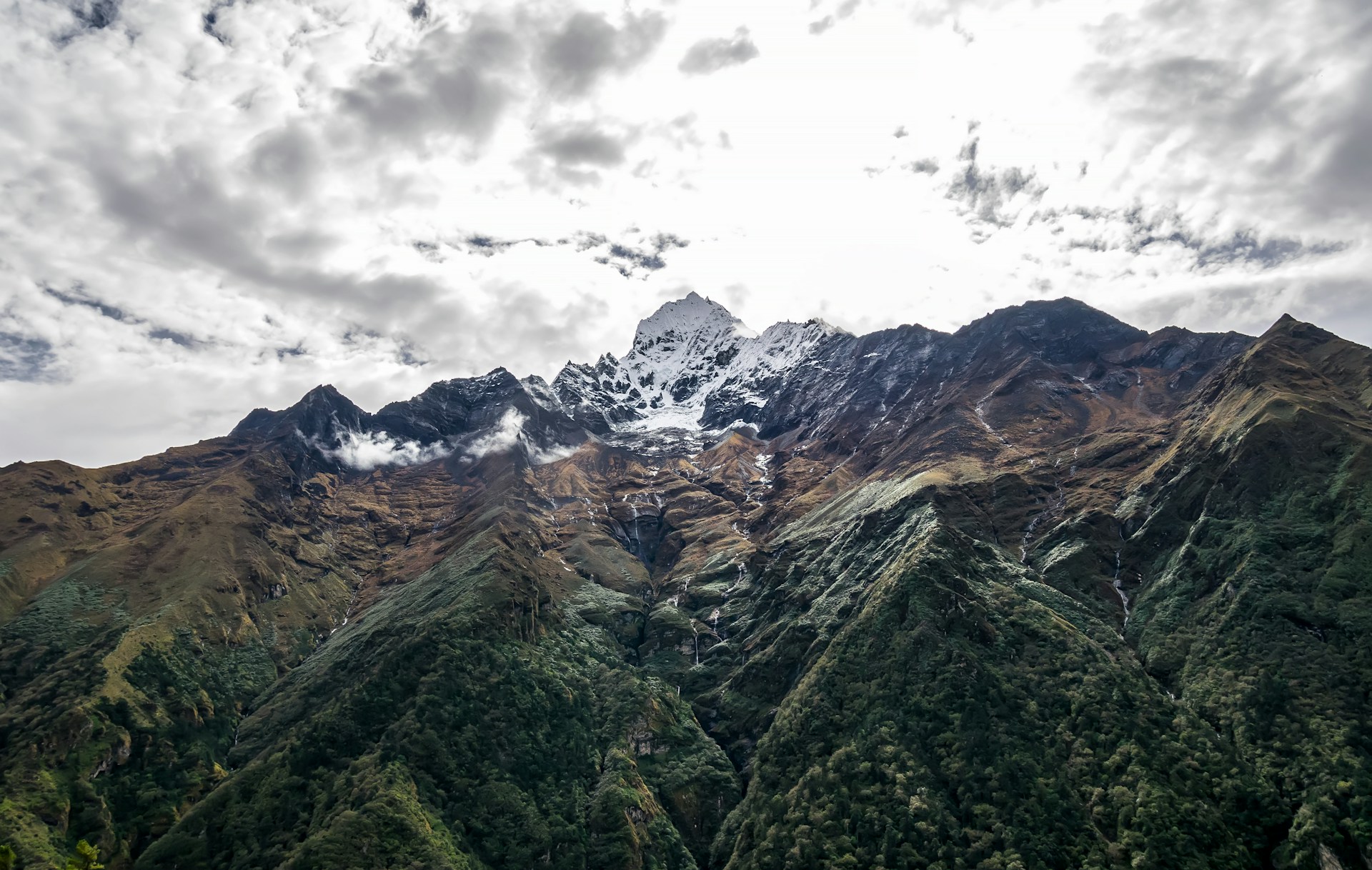
- Scenic Himalayan Backdrops: Snow-capped peaks, monastery architecture, and prayer flags enhance every photo.
Tips for First-Time Mani Rimdu Festival Visitors
Visiting the Mani Rimdu Festival for the first time is an unforgettable experience, but proper preparation can make your trip smoother, safer, and more enjoyable.
Here are some helpful tips:
- Plan Ahead: Check the Mani Rimdu festival date for the year you are visiting. Arriving early helps with acclimatization and ensures good views of the ceremonies.
For this year 2026, Mani Rimdu Festival starts from Nov 5th till 7th, so plan accordingly.
- Book Through a Licensed Agency: Trekking in the Everest region requires guidance. Agencies like Skyline Treks handle permits, accommodations, and trekking logistics.
- Acclimatize Properly: Tengboche is at about 3,867 meters. Spend a few days in Namche Bazaar or nearby villages to adjust to the altitude.
- Respect Monastery Rules: Do not touch sacred objects, maintain silence during prayers, and dress modestly when attending rituals.
- Carry Appropriate Gear: Warm clothing, sturdy trekking shoes, sunglasses, and sun protection are essential due to high-altitude weather conditions.
- Photography Etiquette: Ask permission before photographing monks or locals during ceremonies. Avoid using flash during sacred rituals.
- Stay Hydrated and Healthy: Drink a lot of water and eat light meals while hiking to avoid getting altitude sickness.
By following these tips, first-time visitors can enjoy a safe, meaningful, and culturally immersive experience at the Mani Rimdu Festival while trekking through the beautiful Everest region.
Conclusion – Why Mani Rimdu Is a Must-See Himalayan Festival
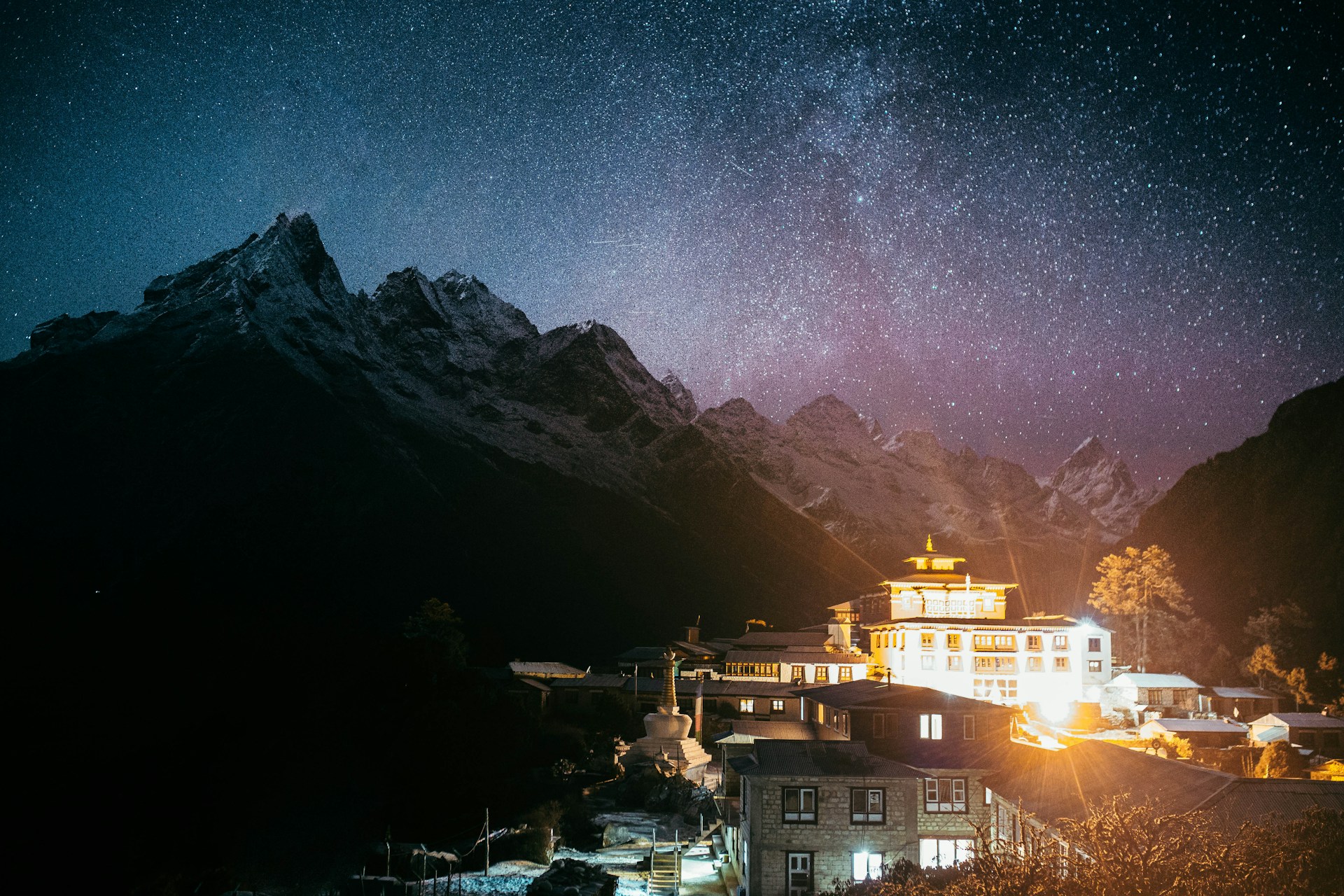
The Mani Rimdu festival is one of the most unique and culturally rich Himalayan festivals in Nepal. Held primarily at Tengboche Monastery, it combines spiritual rituals, sacred mask dances, and community gatherings, offering a rare glimpse into the living traditions of the Sherpa people and Tibetan Buddhism. For travelers, the festival provides a chance to see beautiful and significant events that have been going on for hundreds of years.
Beyond the cultural and religious significance, the Mani Rimdu Festival also allows visitors to explore the Everest region’s breathtaking landscapes, trek through remote Sherpa villages, and experience the warmth and hospitality of the local communities. The bright costumes, detailed masks, rhythmic dances, and peaceful mountain scenery make for a unique experience for both hikers and photographers.
For those seeking a blend of adventure, culture, and spirituality, attending the Mani Rimdu Festival is a once-in-a-lifetime experience. Planning your journey with a trusted agency like Skyline Treks ensures proper permits, local guidance, and a smooth trip.
From sacred rituals to spectacular Himalayan scenery, Mani Rimdu festival offers a truly immersive festival experience, making it an essential event on any Nepal travel itinerary.