

Nepal Mountain Climbing: Top Peaks to Conquer in the Himalayas
Introduction to Nepal Mountain Climbing
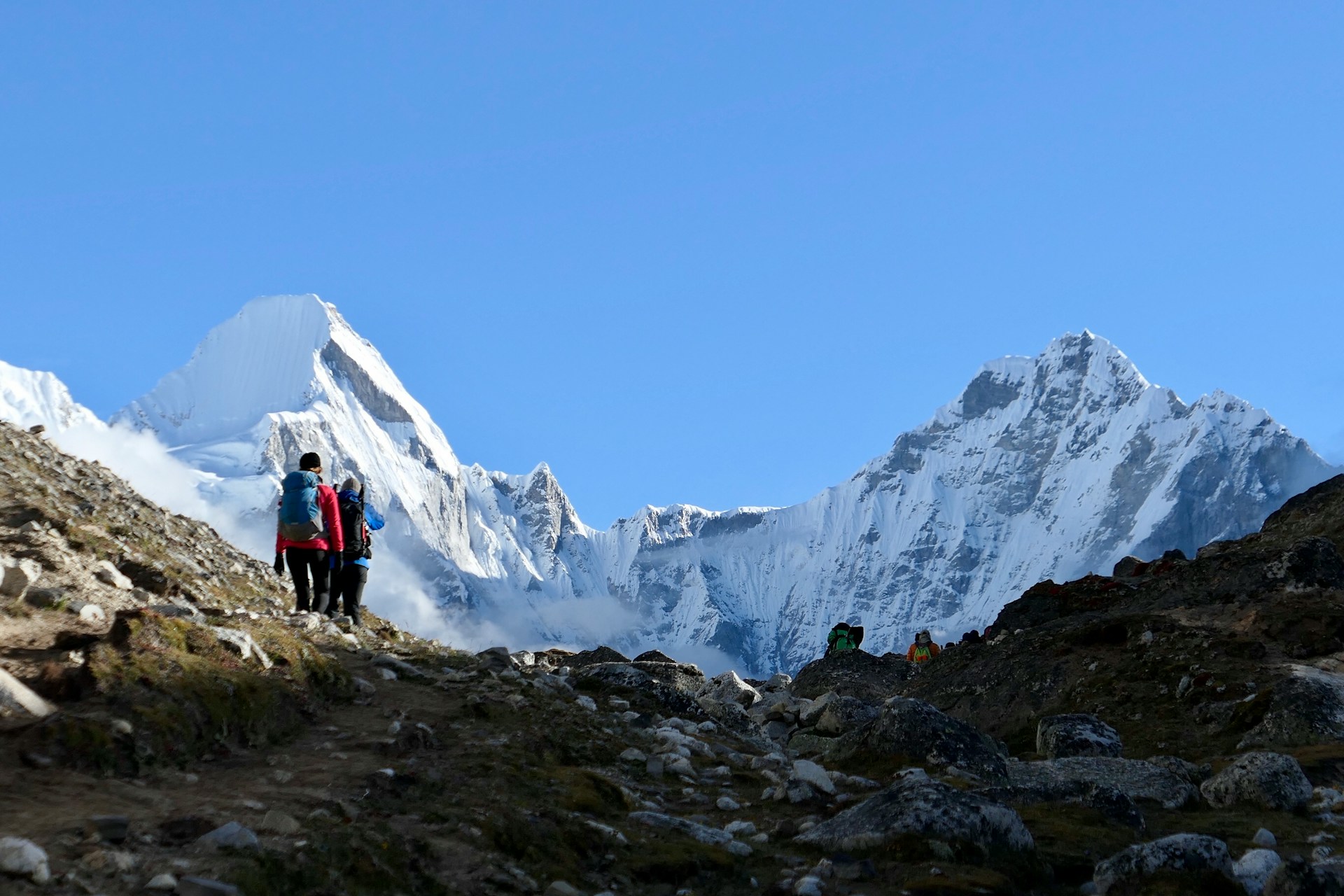
Nepal Mountain Climbing is one of the most exciting adventures in the world. Nepal is home to the Himalayas, including some of the tallest and most famous mountain peaks in Nepal, like Mount Everest, Ama Dablam, and Island Peak. People from all over the world come here to climb and see the splendor of snow-covered mountains, glaciers, and high-altitude vistas.
Climbing in Nepal is not only about reaching the summit; it also offers stunning views, local culture, and the thrill of adventure. There are options for all levels, from beginner-friendly peaks like Island Peak climbing to more difficult Himalayan expeditions in Nepal. The best time to climb Himalayas is usually in spring or autumn when the weather is clear and stable.
You need the right permits, gear, and advice to plan a journey to climb a mountain. Experienced companies like Skyline Treks can help you plan your climb safely by offering guides, assistance, and logistics.
This way, you can focus on the adventure and enjoy every step of your Nepal mountain climbing trip.
Top Peaks to Climb in Nepal
Nepal is famous for its world-class mountain peaks and attracts climbers from all over. From towering 8,000-meter giants to beginner-friendly trekking peaks, Nepal offers mountains for every skill level.
Climbing here is a once-in-a-lifetime experience because of the high-altitude adventure, stunning views, and Himalayan culture. Climbers can experience everything from technical Himalayan expeditions to simpler peaks suited for first-timers.
Everest (8,848 m)
Mount Everest is the tallest peak in the world and the ultimate goal for mountaineers. Climbing Everest is a trip to a high altitude that needs experience, training, and meticulous planning. There are challenging routes, bad weather, and the chance of being sick from the high altitude, but getting to the top is an unforgettable achievement.
Key points about Everest:
- Location: Nepal-Tibet border, Khumbu region.
- Best time to climb: Spring (April–May) and autumn (September–November).
- Route options: South Col (Nepal side) and North Col (Tibet side).
- Permits: Climbing permits are required from the Government of Nepal (~$11,000 USD).
- Guides and support: For safety, it’s important to hire professional guides, Sherpas, and support teams.
Everest offers not only the challenge of the climb but also incredible views of the Himalayas, glaciers, and surrounding peaks.
Most people who want to climb Everest start with the Everest Base Camp trek to get used to the altitude and learn about Sherpa culture.
Lhotse (8,516 m)
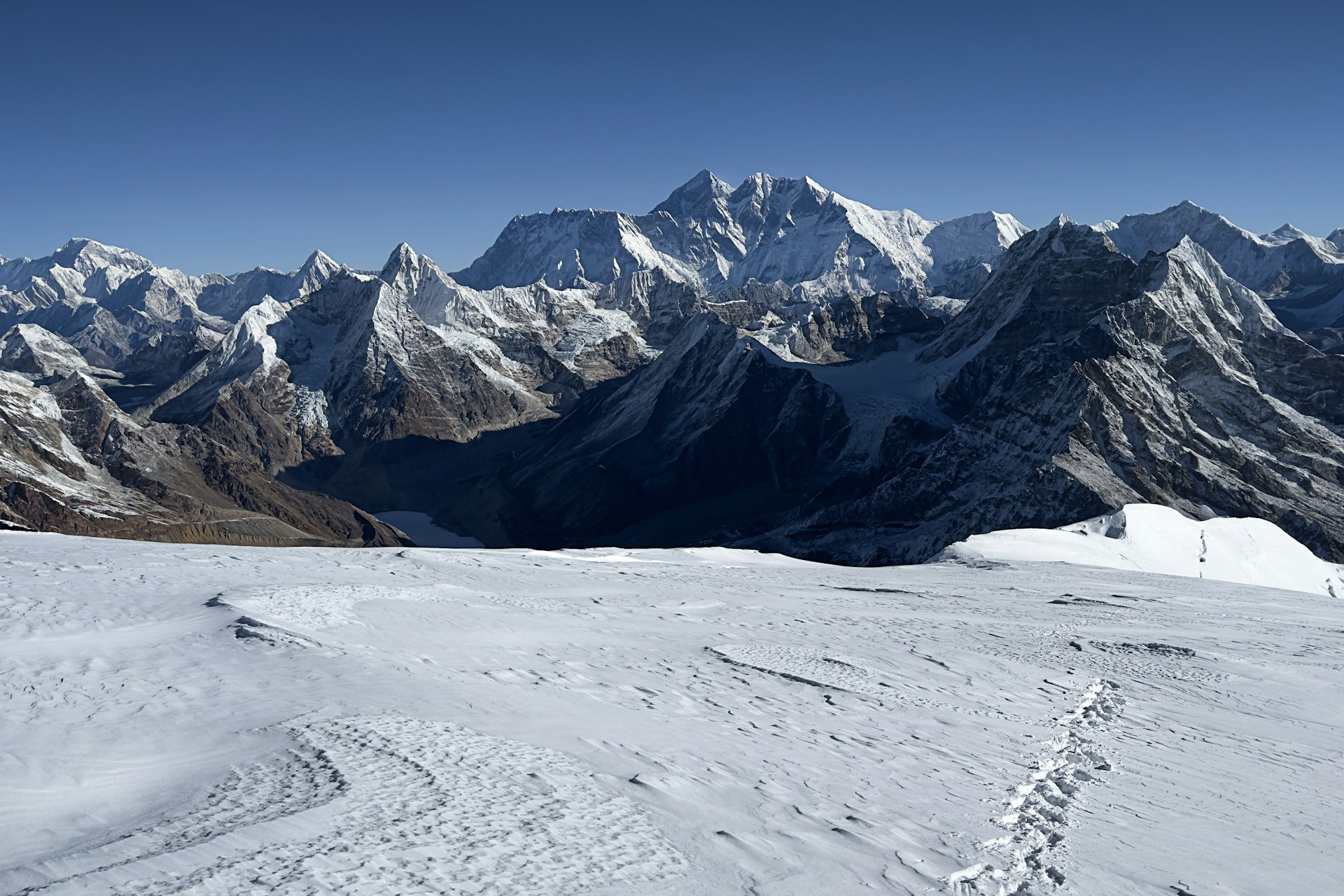
Lhotse is the fourth-highest mountain in the world, located just south of Everest. It is known for its steep walls and hard climbing routes. A lot of climbers try Lhotse after they have climbed Everest because the two peaks share part of the same path.
Highlights of Lhotse:
- Location: Khumbu region, near Everest Base Camp.
- Climbing difficulty: Technical ice and rock climbing, high-altitude exposure.
- Best climbing season: Spring and autumn for stable weather.
- Permits and support: Required climbing permits and professional guides are essential.
- Views: Spectacular vistas of Everest, Nuptse, and surrounding peaks.
Lhotse provides a challenging yet rewarding experience for high-altitude climbers seeking less crowded routes than Everest. Its proximity to Everest allows climbers to explore multiple peaks on a single expedition.
Ama Dablam (6,812 m)
Ama Dablam is one of the most iconic and beautiful peaks in Nepal, often called the “Matterhorn of the Himalayas” because of its sharp, elegant shape. This climb is technical and only for experienced mountaineers who have been at high altitudes before.
Key points about Ama Dablam:
- Location: Khumbu region, near Namche Bazaar.
- Climbing difficulty: Steep rock and ice sections; ropes and fixed lines are required.
- Best season: Spring (March–May) and autumn (September–November).
- Base camp experience: Base camp trek offers stunning views of the peak and surrounding valleys.
- Permits: Required from the Nepal government; guide and support team recommended.
Ama Dablam climbing combines technical mountaineering with scenic beauty. The route to base camp gives climbers a taste of Sherpa culture, monasteries, and villages in the Himalayas. It’s a worthwhile trip in both ways culturally and physically.
Mera Peak (6,476 m)
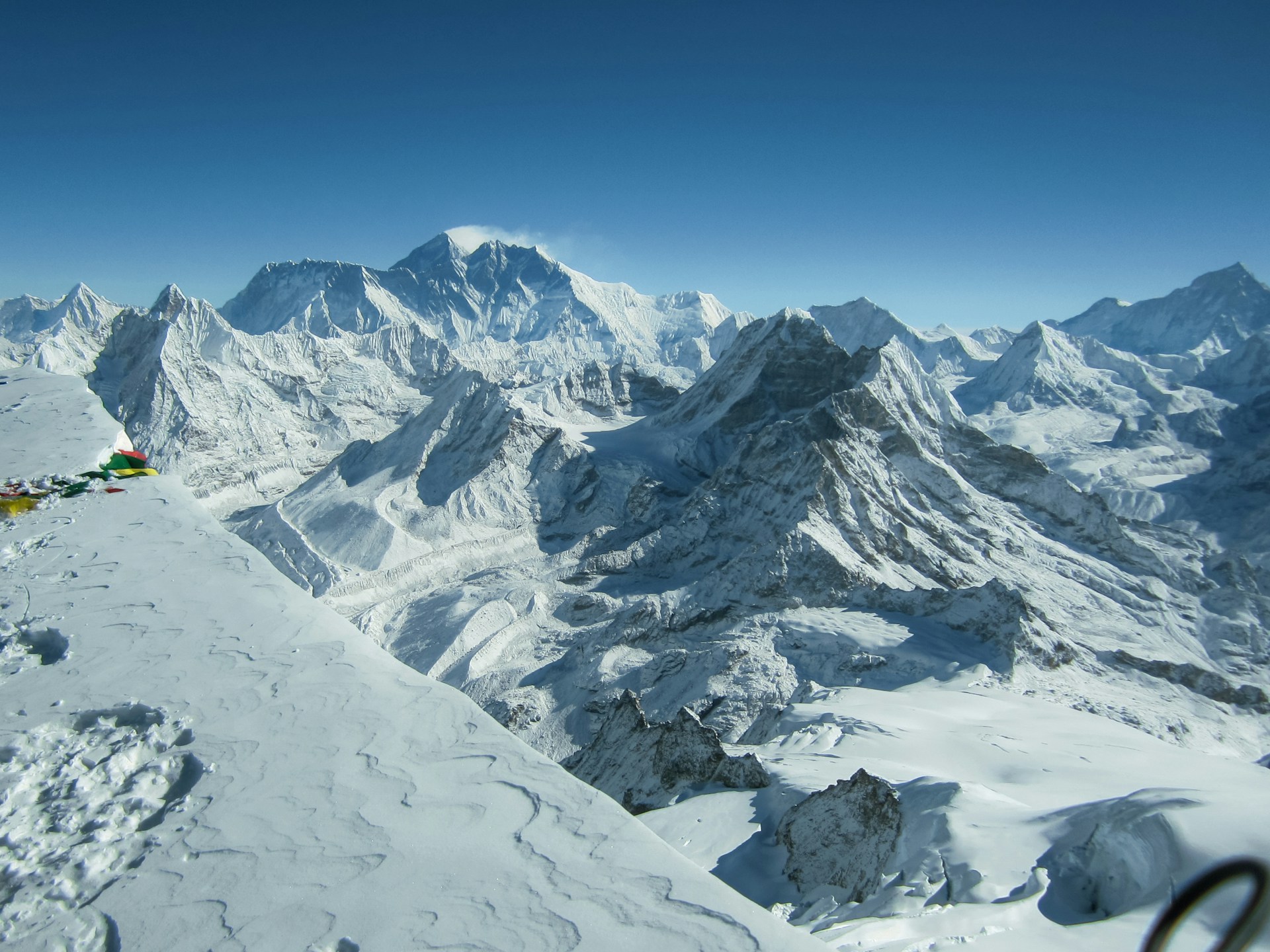
Mera Peak is considered the highest trekking peak in Nepal, offering a challenging but accessible climb for those new to high-altitude mountaineering. It has stunning views of Everest, Makalu, and Cho Oyu, which makes it a popular spot for trekkers who want to do both trekking and climbing.
Highlights of Mera Peak:
- Location: Hinku Valley, near Makalu region.
- Climbing difficulty: Moderate; requires basic mountaineering skills.
- Best season: Spring and autumn for stable weather.
- Summit experience: The climb is long but non-technical, so climbers may take their time and enjoy the ride.
- Permits: Required from the Nepal government; guided expeditions recommended.
Mera Peak offers a rewarding high-altitude experience without the extreme risks of the 8,000-meter peaks. Its gradual slopes, combined with panoramic Himalayan views, make it a favorite for first-time climbers and trekking enthusiasts who want to experience Nepal mountain climbing in a safe yet thrilling way.
Island Peak (6,189 m)
Island Peak, also known as Imja Tse, is one of Nepal’s most popular trekking peaks. It is perfect for beginners who want to try climbing at high altitudes without the extreme difficulties of the 8,000-meter summits. The ascent includes hiking and some moderate climbing skills, and there are parts of the trail that are covered in snow and ice near the top.
Key points about Island Peak:
- Location: Khumbu region, near Everest Base Camp.
- Climbing difficulty: Moderate; some use crampons and fixed ropes.
- Best season: Spring (March–May) and autumn (September–November).
- Base camp trek: The approach includes scenic villages like Namche Bazaar and Tengboche, offering views of Everest, Lhotse, and Ama Dablam.
- Permits: Required from the Nepal government; guide and porter recommended.
Island Peak provides a perfect introduction to mountaineering in Nepal, allowing climbers to gain high-altitude experience, practice glacier travel, and enjoy panoramic Himalayan views.
The summit rewards climbers with stunning vistas of surrounding peaks, including Makalu and Nuptse, making it a memorable adventure for aspiring mountaineers.
Lobuche Peak (6,119 m)
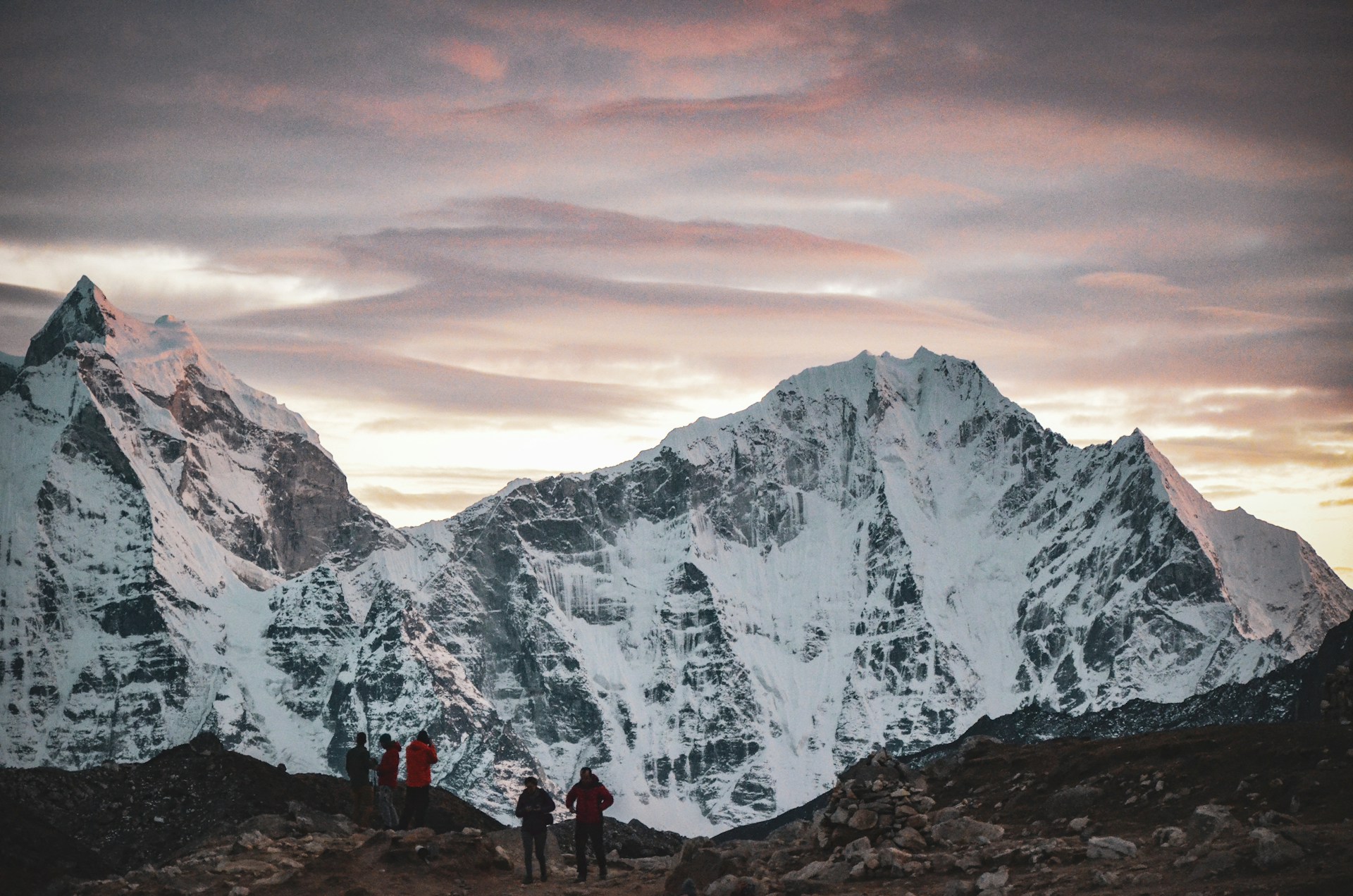
Lobuche Peak is a classic trekking peak near the Everest region, popular with climbers seeking high-altitude adventure without extreme technical challenges. It provides excellent preparation for higher Himalayan expeditions.
Key points about Lobuche Peak:
- Location: Khumbu region, near Everest Base Camp.
- Climbing difficulty: Moderate; some steep rocky sections near the summit.
- Best season: Spring and autumn for clear weather.
- Trek approach: Passes through Everest Base Camp trail, visiting villages like Pheriche and Dingboche.
- Permits: Required; guide and porter recommended.
Climbing Lobuche Peak allows trekkers to experience high-altitude climbing, glacier travel, and breathtaking Himalayan views. From the top, you can see Everest, Lhotse, Nuptse, and Ama Dablam, among other peaks. It’s a great choice for climbers who want to get ready for more difficult trips while still having a great time trekking.
Machapuchare (6,993 m)
Machapuchare, or “Fishtail Mountain,” is one of Nepal’s most beautiful peaks. It is considered sacred and climbing is not allowed to the summit, but trekking around the base offers spectacular views.
Key points about Machapuchare:
- Location: Annapurna region, near Pokhara.
- Climbing difficulty: Restricted; only base exploration allowed.
- Best season: Spring and autumn for clear skies.
- Trekking routes: Popular routes include the Annapurna Base Camp and surrounding trails.
- Cultural significance: Sacred to local Gurung communities; climbing the summit is prohibited.
While climbing is prohibited, trekking near Machapuchare provides stunning Himalayan vistas, glacial valleys, and rich cultural experiences.
The mountain’s dramatic shape dominates the Annapurna skyline, making it a must-see for adventurers and photographers. Agencies like Skyline Treks help plan safe treks around this iconic peak.
Nepal Mountain Climbing Difficulty and Skill Levels
Nepal mountain climbing offers a wide range of difficulty levels, from beginner trekking peaks to the world’s highest technical summits. Understanding the challenges and required skills for each mountain is important to plan a safe and successful adventure.
- Beginner/Moderate Peaks
- Peaks like Island Peak (6,189 m), Mera Peak (6,476 m), and Lobuche Peak (6,119 m) are suitable for first-time climbers.
- You need basic mountaineering skills to climb these summits, like walking on snow and ice, using crampons, and crossing minor glaciers.
- Trekkers should be in good shape and have done some high-altitude trekking before, but do not need advanced technical climbing skills.
- Advanced Peaks
- Peaks like Ama Dablam (6,812 m) involve steep rock and ice climbing, fixed ropes, and technical routes.
- Climbers must have prior high-altitude experience, rope skills, and glacier knowledge.
- To lower the risk of altitude sickness, you need to acclimatize properly.
- Expert/Expedition Peaks
- The 8,000-meter giants such as Everest (8,848 m) and Lhotse (8,516 m) are highly technical and dangerous.
- Climbers need to have a lot of experience climbing mountains, be in great shape, and know how to deal with extreme weather, crevasses, and icefalls.
- These trips often need weeks of planning, permits, Sherpa help, and specific gear.
Additional Considerations
- The ascent is greatly affected by the weather, the height, and the difficulty of the path.
- Even minor summits need the right clothes, gear, and help from licensed guides.
- Agencies like Skyline Treks can provide guides, porters, equipment, and logistics, ensuring climbers of all skill levels are safe and prepared.
Overall, Nepal mountain climbing offers mountains for every level of climber. To have a fun and safe time climbing mountains, you need to pick the correct peak, know how hard it is, and get ready with the right team.
Best Time for Mountain Climbing in Nepal
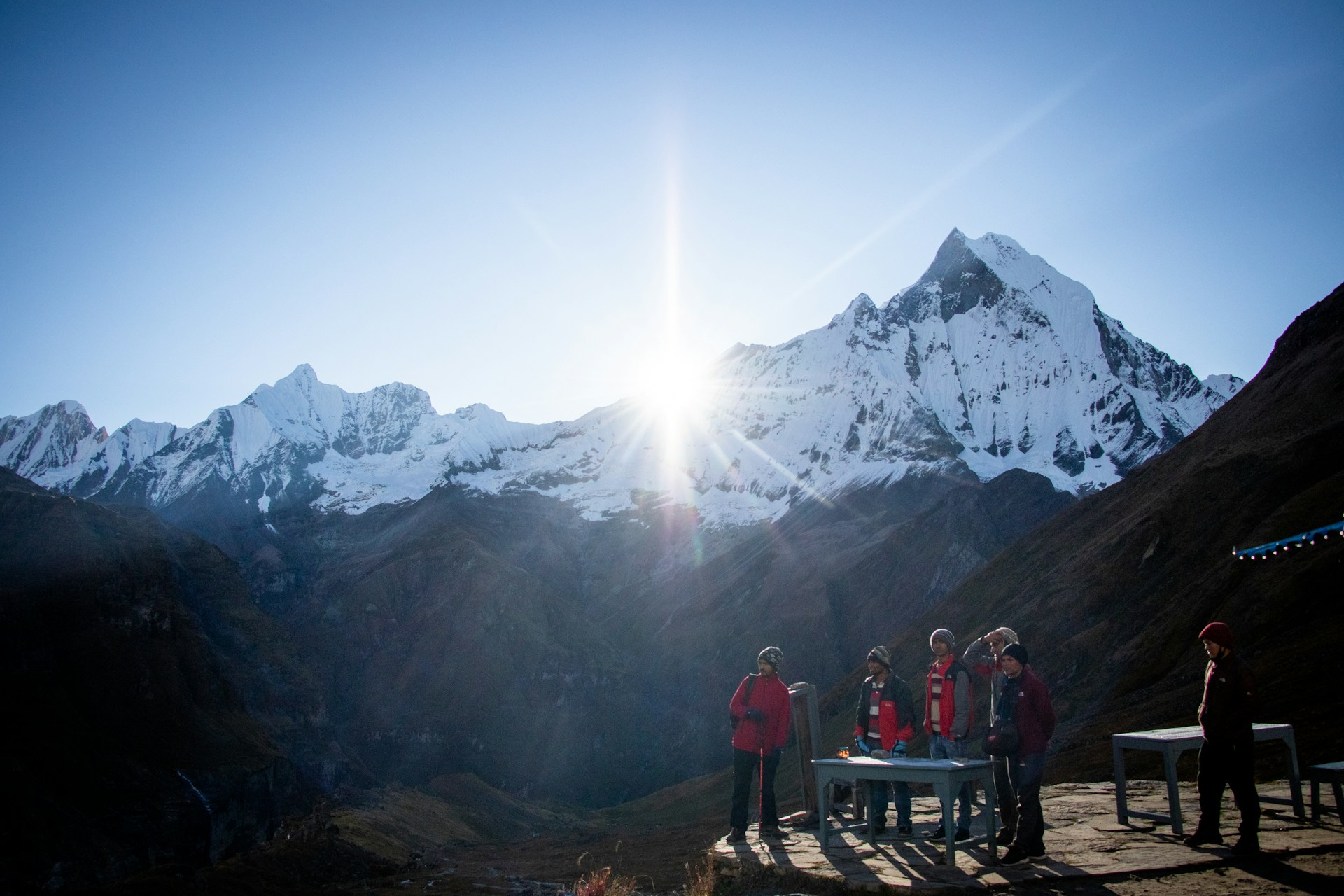
The timing of a climb in Nepal is critical for safety, comfort, and visibility. The country has two main climbing seasons: spring and autumn, both offering stable weather, clear skies, and favorable temperatures for high-altitude expeditions.
- Spring (March to May)
- Spring is the most popular season for Nepal mountain climbing.
- The weather is good for climbing summits like Everest, Island Peak, and Ama Dablam since the temperatures are temperate and the snow conditions are usually steady.
- This time of year is also when rhododendrons and alpine flowers bloom along trekking routes, which adds color to the highlands.
- The winds are normally calmer, and the views are great for taking pictures of Himalayan vistas.
- Autumn (September to November)
- Autumn is considered the second-best season for climbing.
- Monsoon rains have cleared dust and smog, offering crisp air and panoramic views.
- Trails and base camps are drier and more stable, which lowers the chance of landslides and treacherous routes.
- Cultural events and festivals along the trekking paths also make the trip more fun.
- Winter (December to February)
- Winter climbs are possible but challenging due to extreme cold, heavy snow, and short daylight hours.
- Only experienced climbers attempt technical peaks in this season.
- Summer/Monsoon (June to August)
- Monsoon season is generally avoided because of heavy rainfall in the lower regions, though Upper Mustang and some dry valleys may still be accessible.
For safety, proper preparation, and logistical support, it’s best to plan your Nepal mountain climbing with experienced agencies like Skyline Treks, which can schedule expeditions during the most favorable seasons. Choosing the right time ensures a memorable, safe, and rewarding mountain climbing experience.
Permits and Regulations
Nepal mountain climbing requires official permits and following government rules to protect climbers and the fragile Himalayan environment.
Here are the key points:
- Nepal Mountaineering Association (NMA) Permits
- Required for climbing peaks below 6,500 meters.
- Valid for a set period (usually one month) and extendable if needed.
- Must be obtained before starting the climb.
- Climbers must be accompanied by a registered guide or Sirdar.
- Expedition Peaks
- Peaks above 6,500 meters, like Everest, Lhotse, and Ama Dablam, require separate expedition permits.
- Fees for permits are greater because of safety, logistics, and environmental control.
- Climbing licenses only cover the time spent above base camp; they do not cover the time spent trekking to base camp.
- Updated Permit Fees
- In late 2025, the NMA updated fees for 27 recognized peaks.
- During peak season (spring), prices are greater than during the off-season or fall to keep the crowds down and encourage sustainable climbing.
- Fees must be paid in advance and are non-refundable.
- Compliance
- All climbers must observe the NMA and government requirements, such as safety rules, route restrictions, and policies for protecting the environment.
- Permits are issued on a first-come, first-served basis, so early application is recommended.
- Agency Support
- Working with a trusted agency like Skyline Treks ensures permits, guides, and logistics are handled efficiently.
Following these rules guarantees a safe, legal, and responsible Nepal mountain climbing experience in Nepal’s Himalayan peaks.
Cost of Mountain Climbing in Nepal
Nepal mountain climbing involves several costs, with climbing permits being one of the most important expenses. These costs vary widely depending on the height of the mountain, the season, and whether the peak is a trekking peak or an expedition peak.
- Climbing Permits – Expedition Peaks (Above ~6,500 m)
• 8,000 m peaks (e.g., Mount Everest):
- Everest Normal Route: ~USD 15,000 (Spring), lower in off‑season.
- Other 8,000 m giants: ~USD 3,000 (Spring), with seasonal reductions.
- 7,001 – 8,000 m peaks: ~USD 800 (Spring) to lower rates in autumn/winter.
- 5,501 – 7,000 m peaks (e.g., Ama Dablam): ~USD 1,000 (Spring/Autumn) with seasonal downward rates.
- Trekking Peaks – NMA‑Managed Peaks (≤ 6,500 m)
The Nepal Mountaineering Association (NMA) gives out permits for 27 specific trekking peaks, including Island, Mera, and Lobuche.
- Trekking peak permit: ~USD 350 in spring (high season).
- Autumn / winter / summer: ~USD 175 per person.
- Other Costs
- National Park/Conservation area entry permits may be required for many routes and are additional.
- Permit prices do not include guide and porter fees, equipment, transportation, or insurance. These costs vary by agency and level of service.
Climbing costs in Nepal range from hundreds of USD for lower trekking peaks to tens of thousands for major expedition peaks like Everest.
Permit fees are higher in spring (peak climbing season) and lower in autumn and off‑seasons to encourage climbing during quieter periods.
Preparation Tips for Climbers
Climbing mountains in Nepal is an exciting adventure, but it requires careful preparation and planning. Whether you are attempting a trekking peak like Island or Mera or an expedition to Everest, preparation ensures safety, comfort, and success.
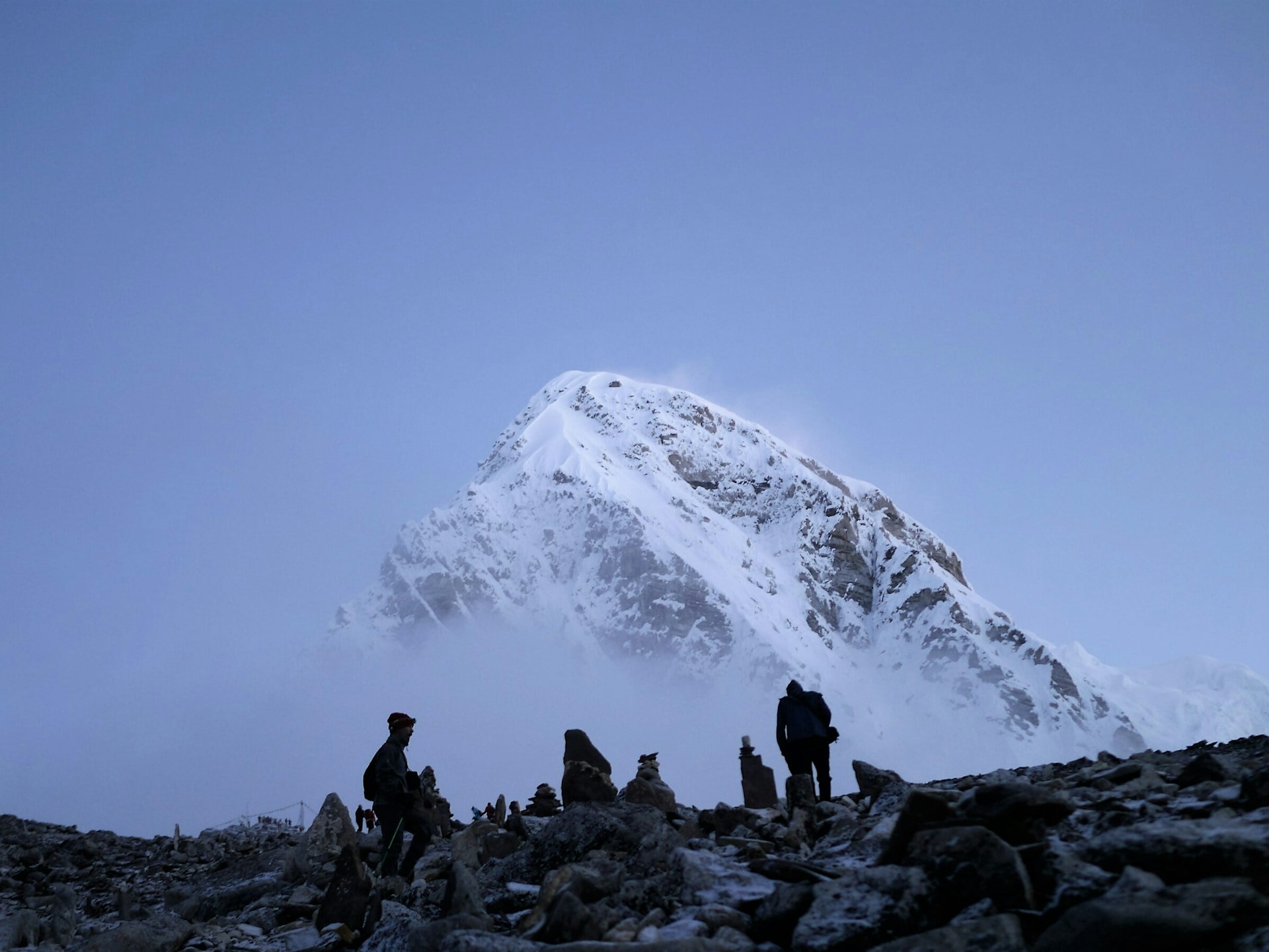
- Physical Fitness
- Train your body for endurance, strength, and flexibility.
- Focus on cardio exercises like running, cycling, and hiking with a backpack.
- If you can, do high-altitude trekking to get your body used to decreased oxygen levels.
- Acclimatization
- Proper acclimatization is crucial to prevent altitude sickness.
- Plan your trip such that you gain height slowly and have days off.
- Drink a lot of water and stay away from alcohol as you climb.
- Gear and Equipment
- Essential gear includes climbing boots, crampons, ice axe, harness, helmet, and high-altitude clothing.
- Layered clothing is necessary for changing temperatures and weather conditions.
- Trekking poles, gloves, and sunglasses protect against snow glare and cold.
- Permits and Regulations
- Obtain climbing permits and conservation area permits before the trip.
- Work with a licensed agency like Skyline Treks for all legal requirements.
- Health and Safety
- Bring first-aid kits, altitude sickness medicine, and sunscreen.
- Look into getting travel insurance that covers climbing at high altitudes and being evacuated.
- Know basic mountain safety, crevasse rescue, and weather awareness.
- Logistics and Support
- Organize porters, guides, and meals through a reliable trekking agency like Skyline Treks.
- Pre-book accommodation at base camps or villages along the route.
Safety and Risk Considerations for Nepal mountain climbing
Climbing mountains in Nepal is an incredible adventure, but it comes with risks that climbers must understand and prepare for.
Safety is very important, especially in the Himalayas, which are high up and far away.
- Altitude Sickness
- High elevations can cause Acute Mountain Sickness (AMS), which includes headaches, nausea, and fatigue.
- Severe cases can develop into High Altitude Pulmonary Edema (HAPE) or High Altitude Cerebral Edema (HACE), which are life-threatening.
- To avoid problems, you need to acclimatize properly, go up slowly, and stay hydrated.
- Weather Hazards
- The weather in the Himalayas is unpredictable, with sudden snowstorms, strong winds, and fluctuations in temperature.
- Always check the weather prediction and be ready to change your plans or go back if the weather gets bad.
- Technical Climbing Risks
- There are dangers of ice, crevasses, and rockfall on peaks like Ama Dablam, Everest, and Lhotse.
- Climbers should use ropes, crampons, harnesses, and helmets, and listen to what expert mountaineering guides say.
- Environmental Risks
- Avalanches, landslides, and glacial movement are common in Nepal’s mountains.
- Stay on well-known paths and stay away from slopes that aren’t stable.
- Health and Emergency Preparedness
- Carry a first-aid kit, medications, and emergency supplies.
- Consider insurance covering high-altitude climbing and helicopter evacuation.
- To lower the risk, always climb with a licensed guide and support team.
- Regulatory Compliance
- Obtaining official climbing permits ensures legal access and monitoring by authorities.
- Following local rules and guidelines helps protect both climbers and the environment.
Why Nepal Is the Ultimate Destination for Mountain Climbers
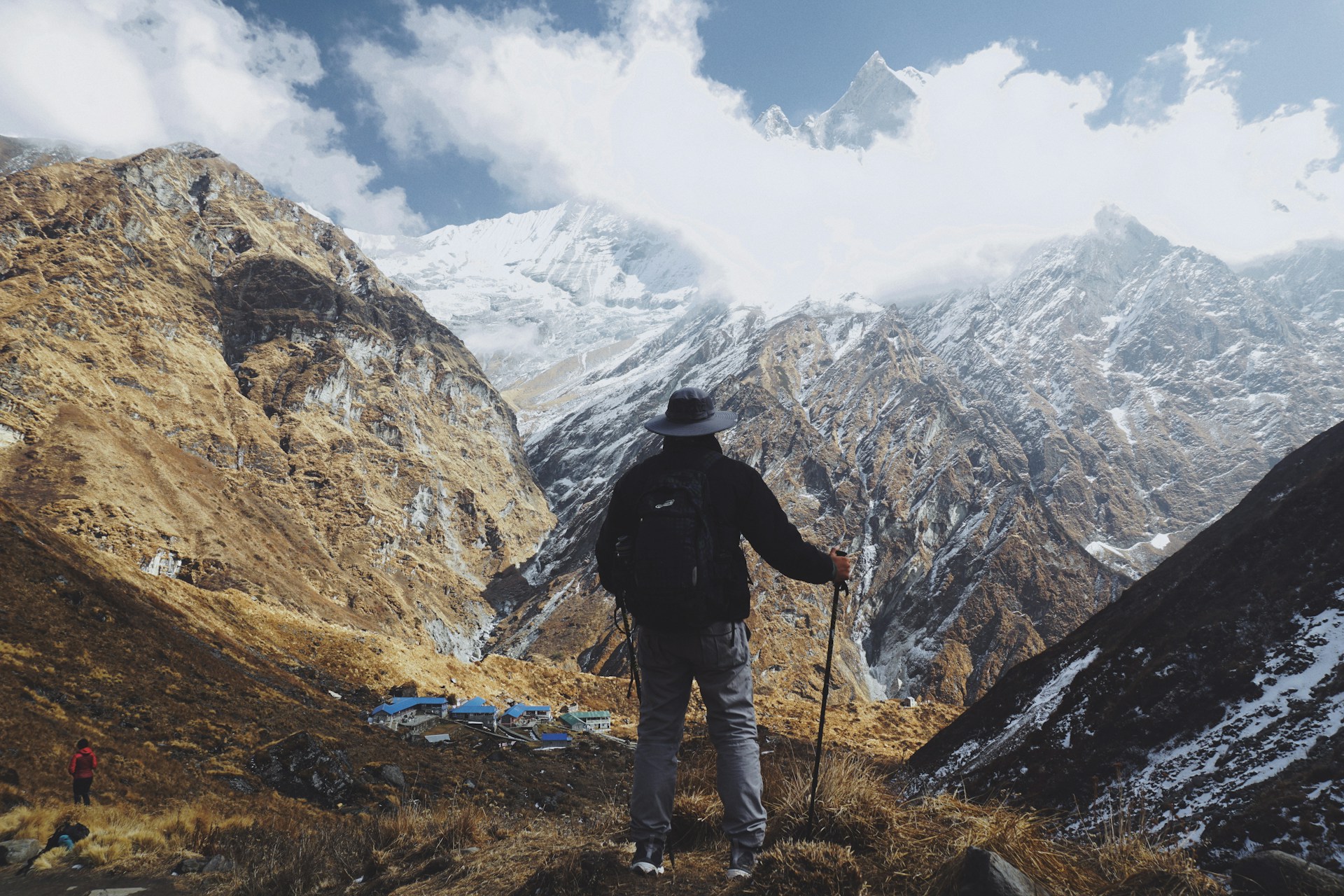
Nepal is considered a paradise for mountain climbers due to its incredible Himalayan landscapes, diverse peaks, and rich cultural experiences. Nepal is home to eight of the world’s fourteen 8,000-meter peaks, including Mount Everest and Lhotse. It has climbing difficulties for people of all ability levels, from beginning trekking peaks like Island Peak to technical expeditions like Ama Dablam.
The country’s natural beauty is unmatched, with soaring snow-capped mountains, deep valleys, glaciers, and high-altitude lakes. Climbers also get to see and experience local cultures, like Sherpa communities, monasteries, and festivals, which make every trip more than just a physical struggle.
Nepal’s trekking infrastructure is well-established, with guides, porters, teahouses, and reliable trekking agencies, allowing climbers to focus on the adventure while staying safe and well-supported. Permits and regulations are clearly defined, ensuring organized and secure climbs.
Whether you seek extreme adventure, personal achievement, or breathtaking Himalayan views, Nepal provides it all.
The combination of natural grandeur, cultural richness, and mountaineering opportunities makes peak climbing in Nepal the ultimate destination for climbers from around the world.