

Nepal Trek Challenge: Complete Guide for Adventure Seekers
Introduction to Nepal Trek Challenges
Nepal is one of the best places in the world for trekking. The country is home to the Himalayas, including Mount Everest and many other high mountains. Trekking here in Nepal is definitely gorgeous and fulfilling, but it also has its own set of problems. Trekkers can get ready for the Nepal Trek Challenge and have a safe trip by understanding it.
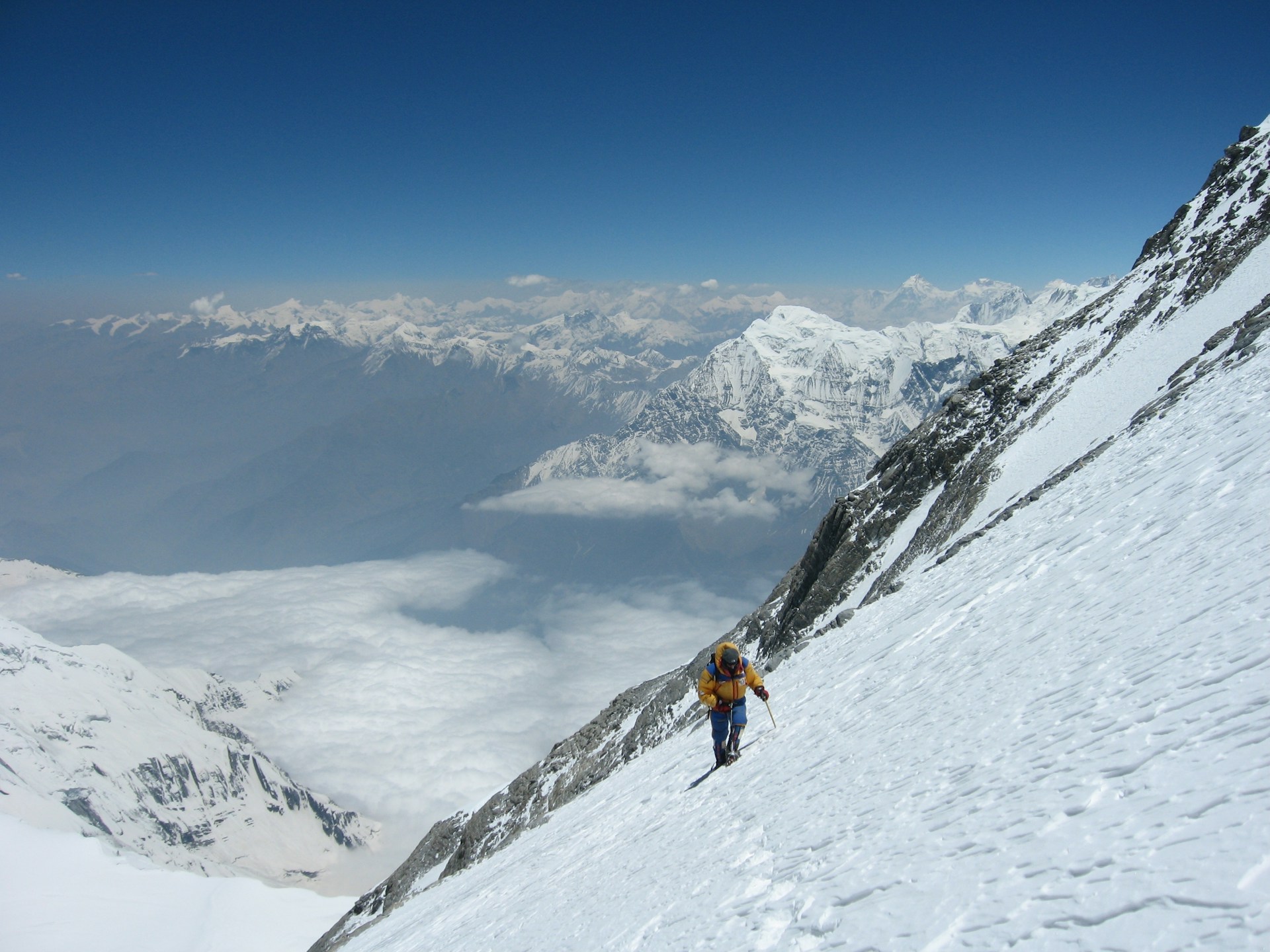
Many trails in Nepal pass through high altitude trekking Nepal areas, where the air is thinner and the weather can change quickly. Trekkers may travel for hours on end on steep mountain slopes, cross rivers on suspension bridges, and climb high passes. These conditions are part of the natural adventure of Nepal adventure trekking.
Some routes are easy and suitable for beginners, while others are considered challenging treks in Nepal because of their altitude, distance, and remote locations. These trips are much easier to handle if you plan ahead, get the necessary gear, and get ready.
In the following sections, we will explore the main trekking challenges, including altitude, weather, and trail conditions.
For a safer and well-organized journey on such challenging treks, you will need experienced trekking agencies like Skyline Treks which can provide guides, logistics, and helpful support.
What Makes Trekking in Nepal Challenging
Trekking in Nepal is an incredible experience, but it can also be physically and mentally demanding. The main Nepal trek challenge comes from the country’s rugged Himalayan terrain, high altitudes, and changing weather conditions.
One major challenge is high altitude trekking in Nepal. A lot of popular trekking routes go up to 3,000 to 5,000 meters, where the air has less oxygen. This can make it harder to walk and may make hikers sick if they go up too quickly.
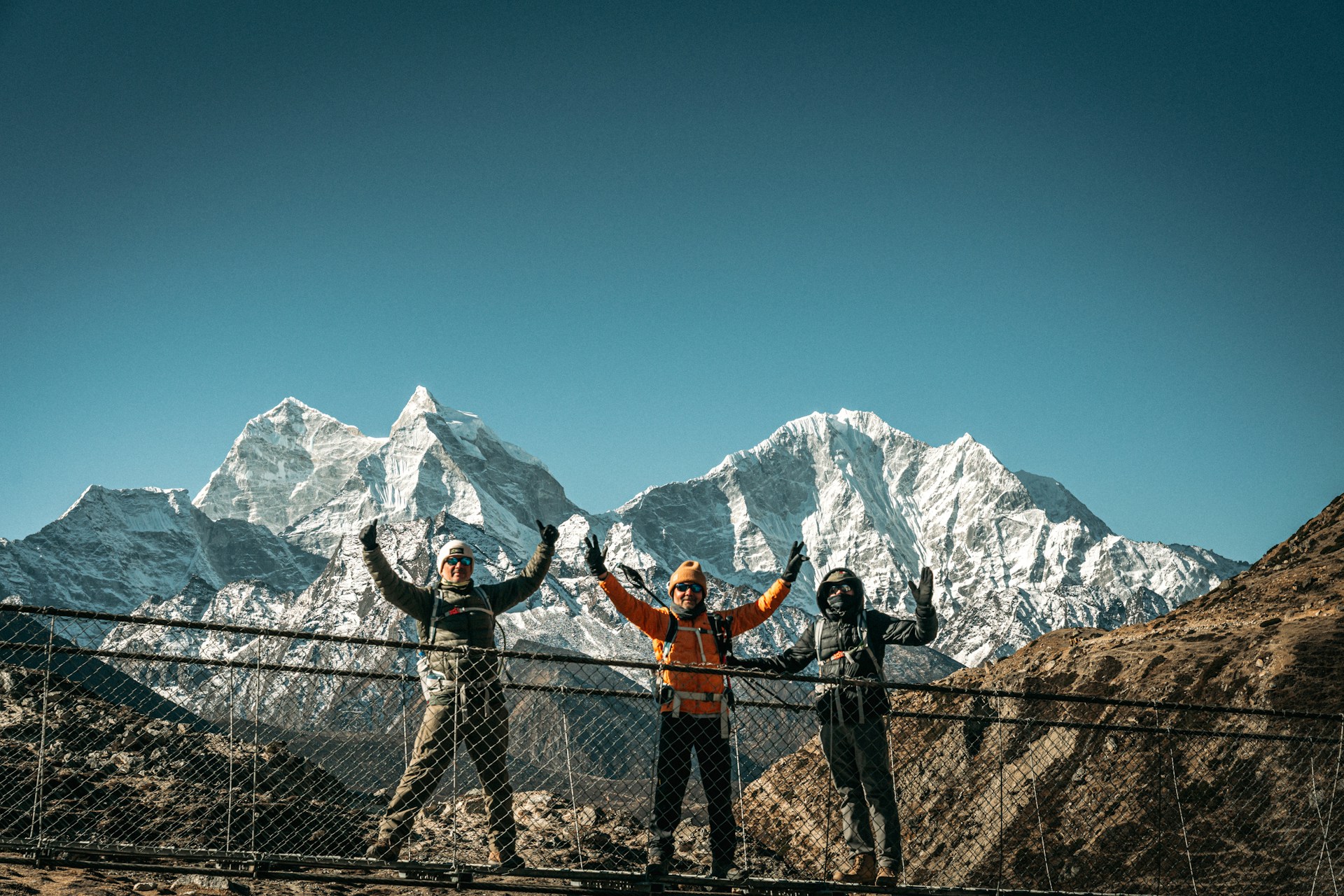
Another problem is that you have to walk for a long time. Trekkers often have to trek for 5 to 7 hours a day in these challenging Nepal treks, and the routes can be steep and rough. Some routes may have rocky ground, suspension bridges, and mountain passes that you need to be careful when walking on.
Weather is also an important factor. Conditions in the Himalayas can change quickly. Clear mornings may turn into windy afternoons, and temperatures can drop significantly at night.
Other challenges include:
- Remote routes with few amenities
- Cold weather at higher elevations
- Carrying personal gear during long hikes
Top Challenging Treks in Nepal
Nepal is famous for its incredible Himalayan trekking routes. While many trails are suitable for beginners, some are known for their difficulty, high altitude, and remote locations. These treks often require strong fitness, proper acclimatization, and good trekking experience.
The Nepal Trek Challenge is especially evident on routes that involve long distances, high mountain passes, and extreme weather conditions.
Below are some of the most challenging treks in Nepal:
1. Everest Three High Passes Trek
- The Everest Three High Passes Trek is one of the toughest adventures in the Everest region.
- Trekkers cross three major passes: Kongma La (5,535 m), Cho La (5,420 m), and Renjo La (5,360 m).
- The route combines Everest Base Camp, Gokyo Lakes, and remote Sherpa villages.
- This trek is hard on the body because it is at a high altitude and involves lengthy days of walking.
- At these high elevations, the weather can change suddenly.
Why it’s challenging:
- Multiple high mountain passes above 5,000 meters
- Long days of trekking that could last 6 to 8 hours per day.
- Cold weather and thin air
Highlights:
- Stunning views of Mount Everest, Lhotse, and Makalu
- Turquoise Gokyo Lakes
- Traditional Sherpa culture
This trek is ideal for experienced trekkers seeking a true Himalayan trekking challenge.
2. Kanchenjunga Circuit Trek
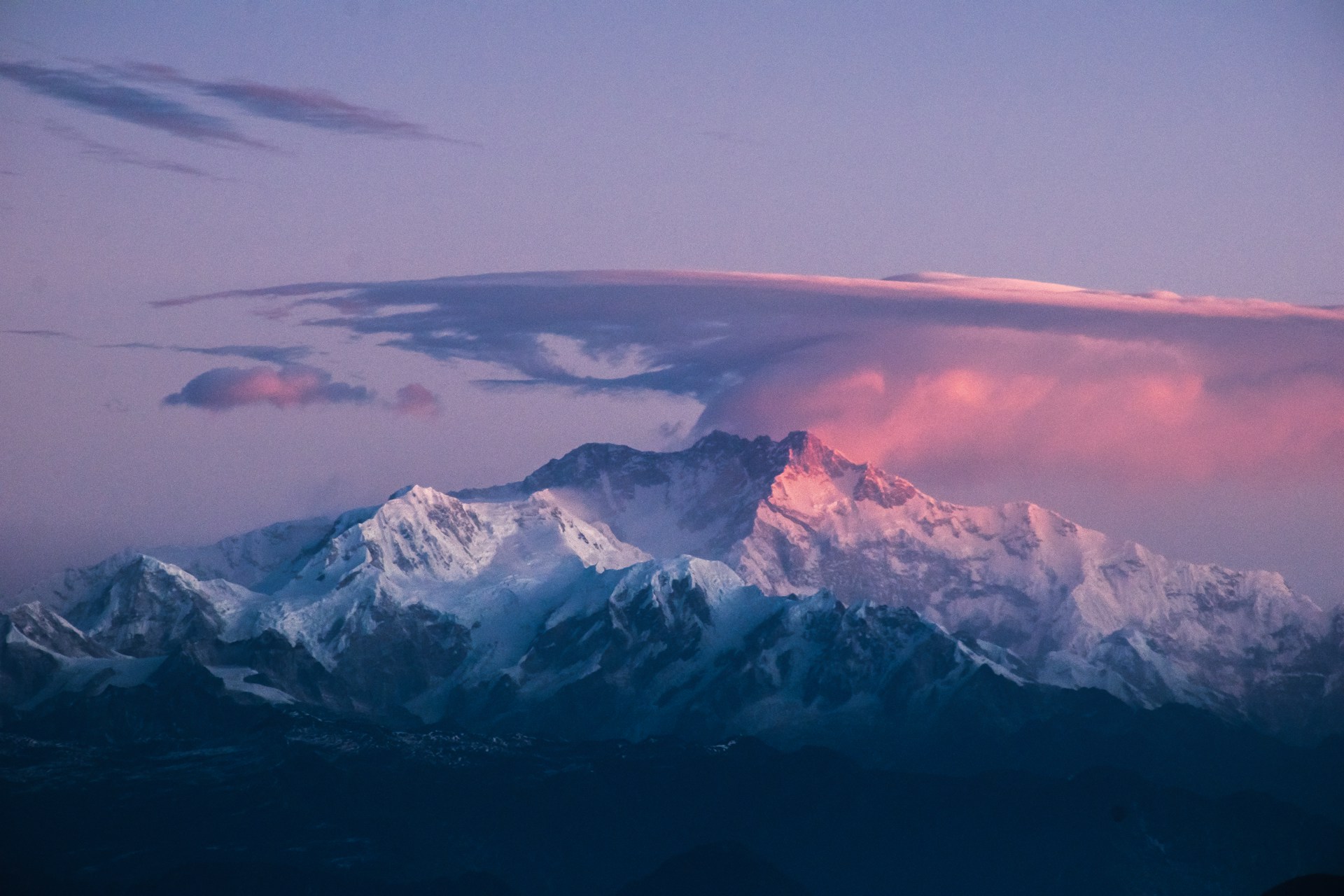
- The Kanchenjunga Circuit Trek takes you through one of the most remote parts of eastern Nepal.
- It goes around the base of Mount Kanchenjunga, which is the third-highest mountain in the world at 8,586 m.
- Trekkers go through thick forests, alpine meadows, and valleys with glaciers.
- It takes between 18 to 22 days to finish the hike.
Why it’s challenging:
- Long distance and remote terrain
- Basic facilities and limited lodges
- High altitude, over 5,000 meters
Highlights:
- Kanchenjunga Base Camp
- Beautiful wildlife in the Kanchenjunga Conservation Area
- Authentic local cultures and villages
This trek is perfect for adventurers who enjoy remote treks in Nepal.
3. Ganja La Pass Trek
- The Ganja La Pass Trek is a demanding route in the Langtang region.
- Trekkers cross the Ganja La Pass (5,122 m), a steep and snowy mountain pass.
Why it’s challenging:
- Steep climbs and technical terrain
- Possible conditions with snow and ice
- Exposure to high altitudes
Highlights:
- Langtang Valley
- Langtang Lirung views
- Remote Himalayan landscapes
This trek is recommended for experienced trekkers with mountaineering skills.
4. Dhaulagiri Circuit Trek
- The Dhaulagiri Circuit Trek is one of Nepal’s toughest trekking routes.
- It goes around Mount Dhaulagiri, which is the seventh-highest mountain in the world at 8,167 m.
- Trekkers cross the French Pass (5,360 m) and Dhampus Pass (5,200 m).
Why it’s challenging:
- Glacier crossings and steep terrain
- Remote camping sections
- High mountain passes
Highlights:
- Hidden Valley and glacier landscapes
- Views of the Annapurna and Dhaulagiri ranges
- Trails with fewer people
This trek is suitable only for experienced trekkers with strong endurance.
5. Upper Dolpo Trek
- The Upper Dolpo Trek explores one of Nepal’s most remote regions near Tibet.
- The area is known for its old Tibetan culture and settlements that are hard to get to.
Why it’s challenging:
- Long trekking duration (20+ days)
- High passes that are more than 5,000 meters high
- Few facilities and hard-to-reach terrain
Highlights:
- Shey Phoksundo Lake
- Ancient monasteries
- Unique Bon Buddhist culture
This trek is ideal for those seeking extreme trekking Nepal adventures.
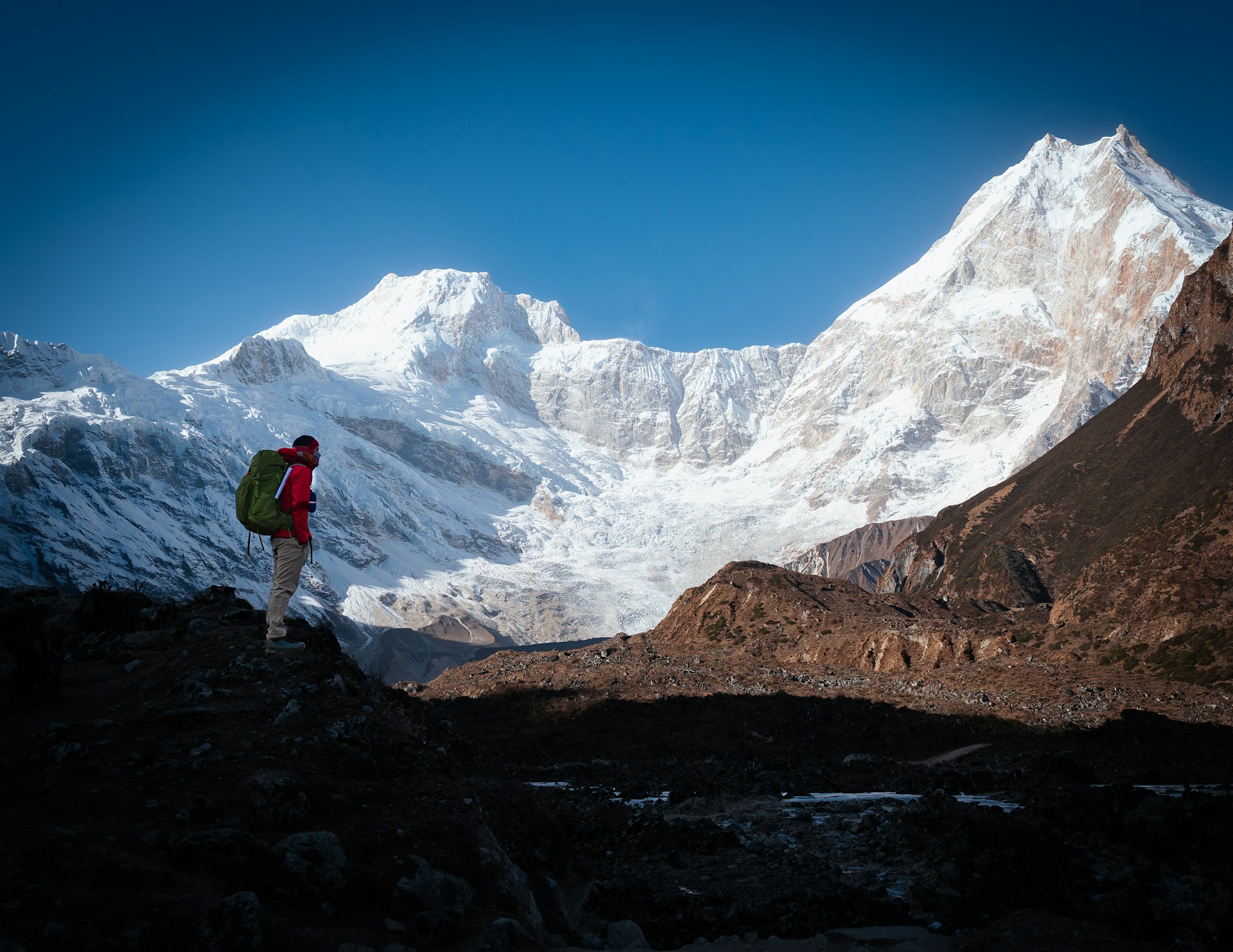
6. Manaslu Circuit Trek
- The Manaslu Circuit Trek circles Mount Manaslu (8,163 m).
- The route goes across the Larkya La Pass, which is 5,160 m high and one of the longest passes in the Himalayas.
Why it’s challenging:
- High altitude and long trekking days
- Remote villages and rugged trails
- Cold weather near the pass
Highlights:
- Tibetan-influenced culture
- Manaslu Conservation Area
- Beautiful mountain scenery
The trek offers a perfect mix of culture, adventure, and Himalayan landscapes.
7. Upper Mustang Teri La Pass Trek
- The Upper Mustang Teri La Pass Trek connects Upper Mustang with the Nar Phu region.
- Trekkers cross the high Teri La Pass (5,595 m).
Why it’s challenging:
- High altitude and remote terrain
- Limited accommodation options
- Harsh weather conditions
Highlights:
- Ancient caves and monasteries
- Culture influenced by Tibet
- Himalayan landscapes that seem like deserts
This trek offers a rare and adventurous Himalayan journey.
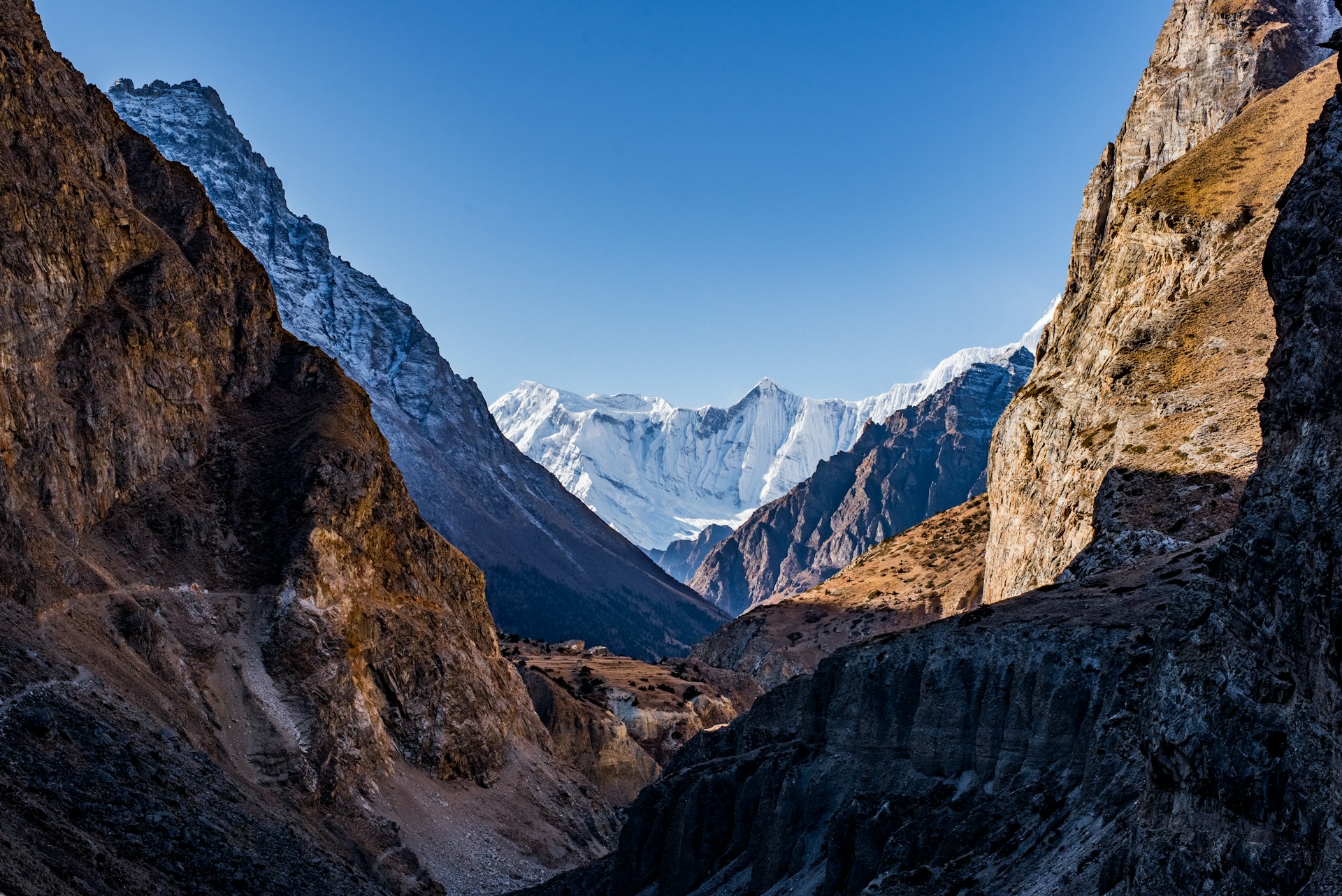
8. Nar Phu Valley Trek
- The Nar Phu Valley Trek is a secret trek in the Annapurna region of the Himalayas.
- It goes through small, remote towns and over Kang La Pass (5,320 m).
Why it’s challenging:
- High altitude and remote location
- Limited places to stay
- Tough mountain paths
Highlights:
- Ancient Tibetan villages
- Beautiful alpine valleys
- Panoramic mountain views
The trek offers a true off-the-beaten-path Himalayan experience.
9. Limi Valley Trek
- The Limi Valley Trek is a remote trek in western Nepal near Tibet.
- The valley is famous for its gorgeous landscapes and culture that hasn’t been changed.
Why it’s challenging:
- Remote trails and limited facilities
- Long trekking duration
- High altitude passes
Highlights:
- Ancient monasteries
- Traditional Tibetan culture
- Stunning mountain scenery
This trek is perfect for those seeking true wilderness trekking.
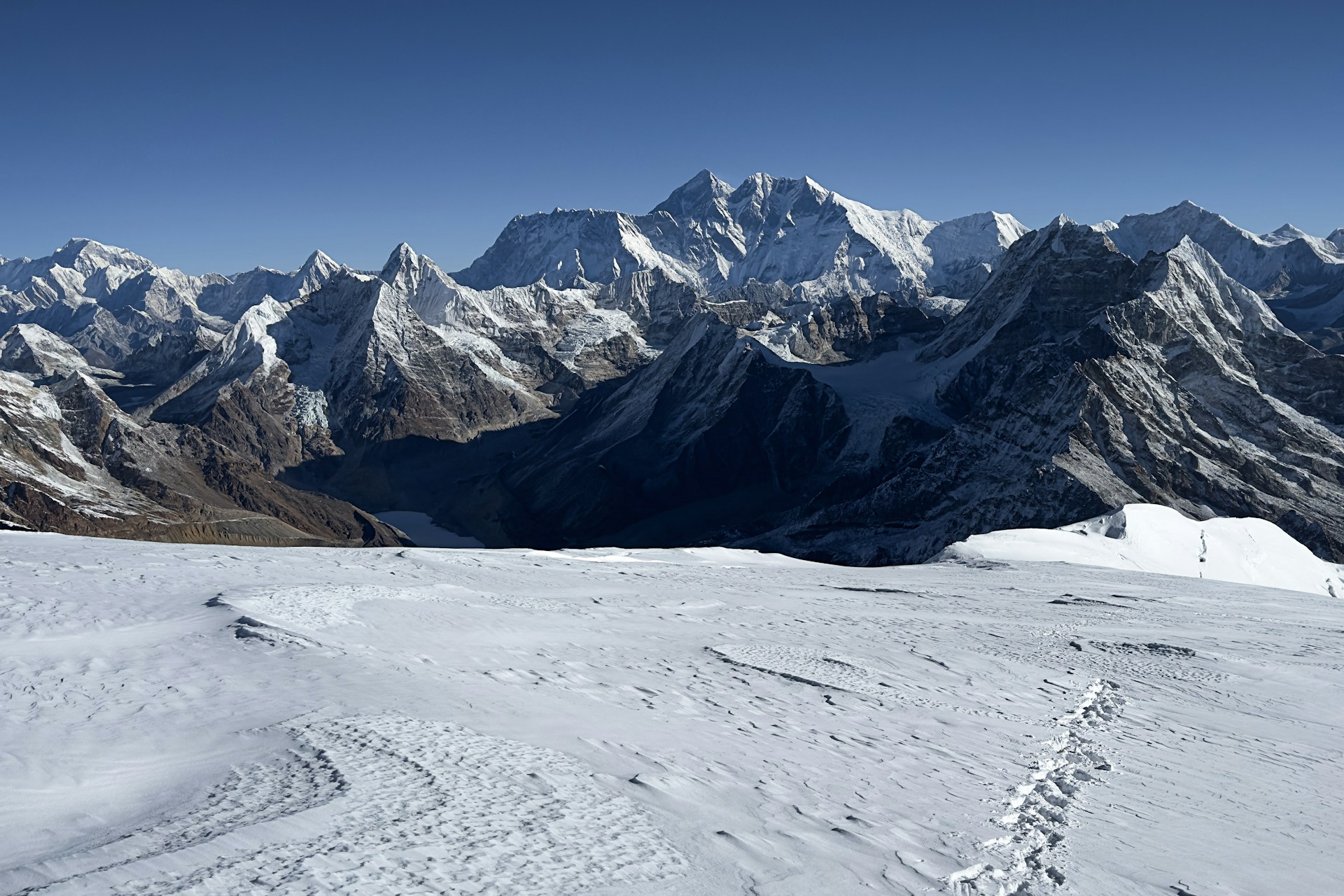
10. Makalu Base Camp Trek
- The Makalu Base Camp Trek leads to the base of Mount Makalu (8,485 m).
- It goes through the Makalu Barun National Park.
Why it’s challenging:
- Long and remote trekking route
- High altitude terrain
- Limited facilities along the trail
Highlights:
- Diverse wildlife and forests
- Glaciers and mountain views
- Peaceful trails
This trek is ideal for trekkers seeking long distance treks in Nepal.
11. Annapurna Circuit Trek
- The Annapurna Circuit Trek is one of Nepal’s classic trekking routes.
- The trek goes over the Thorong La Pass, which is 5,416 m high.
Why it’s challenging:
- High altitude pass
- Long trekking duration (12–18 days)
- Cold weather conditions
Highlights:
- Annapurna and Dhaulagiri mountain views
- Diverse landscapes and cultures
- Beautiful villages and temples
It is one of the most rewarding trekking experiences in Nepal.
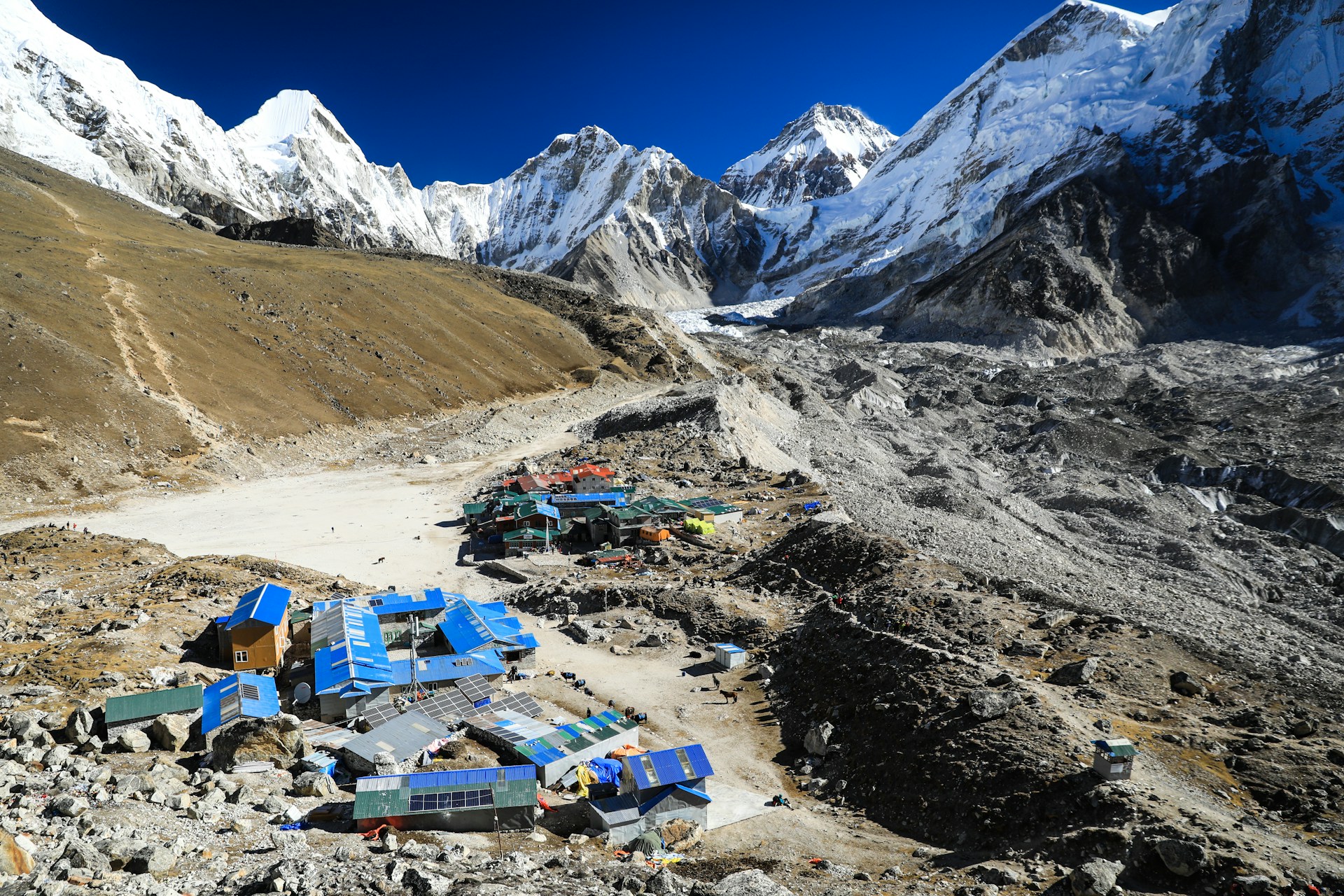
12. Everest Base Camp Trek
- One of the most famous treks in the world is the Everest Base Camp Trek.
- Trekkers reach the base of Mount Everest (8,848 m).
Why it’s challenging:
- High altitude trekking
- Long days of hiking
- Cold weather at higher altitudes
Highlights:
- Everest Base Camp
- Kala Patthar viewpoint
- Sherpa culture and monasteries
It is still one of the most famous adventures in the Himalayas, even though it is hard.
Essential Gear for Challenging Treks
Preparing the right equipment is very important when planning a Nepal Trek Challenge. When you trek in the Himalayas, you sometimes have to deal with high altitudes, freezing weather, and long days of walking. Having proper gear helps keep trekkers safe, warm, and comfortable throughout the journey.
Below are some of the most important items to carry during challenging treks in Nepal.
- Clothing Layers
The weather in the mountains can change quickly, so it’s important to wear layers.
- Base layer: Lightweight thermal clothing to keep the body warm and dry.
- Insulating layer: Fleece or down jackets to retain heat in cold conditions.
- Outer layer: Waterproof and windproof jackets and pants to protect from rain, snow, and strong winds.
- Trekking Boots
You need a decent pair of waterproof trekking boots that have a solid grip. To avoid blisters, your boots should be comfortable and fully broken in before the trek. - Backpack and Daypack
Trekkers need a strong backpack to carry personal items. A 30–40 liter daypack is usually enough for daily essentials like water, snacks, and extra clothing. - Sleeping Bag
In the upper mountains, the temperature can drop below freezing. For comfort at night, a four-season sleeping bag that is rated for cold weather is best. - Trekking Poles
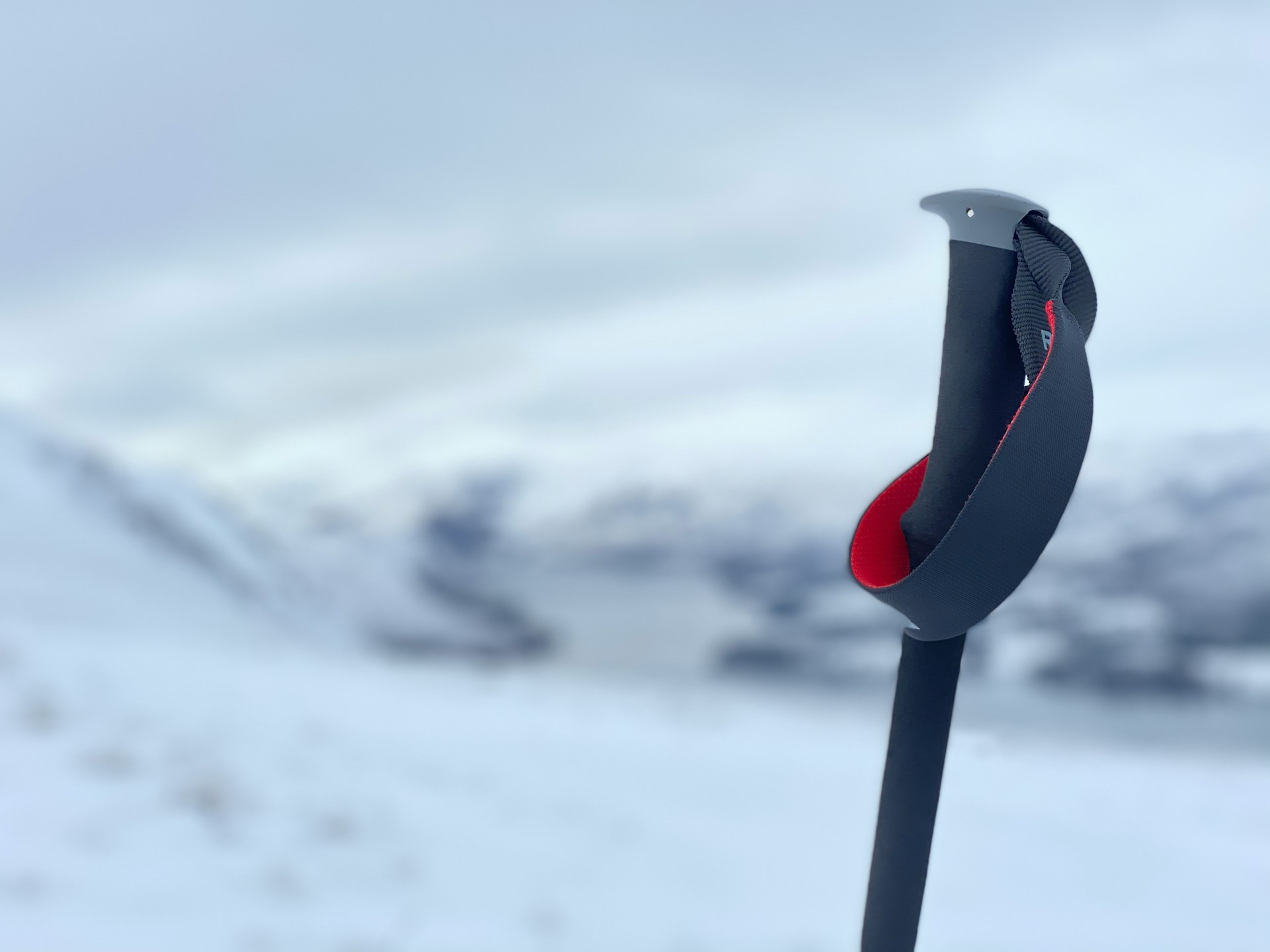
Trekking poles help maintain balance on steep trails and reduce pressure on knees, especially during downhill walks. - Hydration and Food Supplies
Bring a water bottle or hydration bladder that you can use again. Nuts, chocolate, and protein bars are examples of energy items that might help you keep your energy up on long hiking days. - Safety and Health Items
Important items include:
- Basic first aid kit
- Sunscreen and sunglasses
- Headlamp with extra batteries
- Personal medications
Physical Preparation for a Trek Challenge
Preparing your body is very important before taking on a Nepal Trek Challenge. Many trekking routes in Nepal involve long walking days, steep climbs, and high altitudes. Good physical preparation helps you enjoy the trek safely and reduces the risk of injuries or exhaustion.
The best way to prepare is to start training at least 6–8 weeks before your trek. Regular exercise will improve your strength, stamina, and breathing ability.
Recommended training activities include:
- Walking and Hiking: Practice walking on hills or uneven trails. Aim for 1–3 hours of walking several times a week to build endurance.
- Cardio Exercises: Activities like running, cycling, swimming, or stair climbing help strengthen your heart and lungs. This is very useful for high altitude trekking Nepal.
- Strength Training: Focus on legs, core, and back muscles. Squats, lunges, and light weight training help you carry a backpack more comfortably.
- Flexibility and Stretching: Yoga or stretching exercises improve balance and reduce muscle soreness during long trekking days.
It is also helpful to practice hiking with a backpack to get used to carrying your gear. Start with light weight and gradually increase it.
Permits and Regulations for Adventure Treks
Before starting a Nepal Trek Challenge, trekkers must obtain the proper permits and follow trekking regulations. These guidelines help to keep the environment safe, help local communities, and keep tourists safe when they visit remote areas of the Himalayas.
Different trekking areas in Nepal require specific permits depending on the location. Many challenging treks in Nepal pass through conservation areas, national parks, or restricted regions, where entry is controlled.
Common permits required for adventure treks include:
- TIMS Card (Trekkers’ Information Management System):
This card records trekkers’ details and trekking routes. It helps authorities track trekkers for safety in case of emergencies. - National Park or Conservation Area Permits:
Many trekking routes go through protected areas like national parks or conservation zones. These permits help pay for trail maintenance and conservation activities. - Restricted Area Permit (RAP):
Some isolated areas are near international borders or have important cultural areas, so you need special authorization to get there. In these areas, trekkers normally have to go with a licensed guide or a registered trekking company like Skyline Treks.
Important regulations to follow:
- Always have your permits with you as you hike.
- Follow the rules of the community, the monasteries, and the people who live there.
- Follow environmental guidelines, such as avoiding litter and protecting wildlife.
- Trek with registered guides in restricted regions.
Most permits can be arranged in Kathmandu or Pokhara, often through licensed trekking companies.
Agencies like Skyline Treks can manage permit applications, documentation, and trekking logistics, making the process simple and stress-free for trekkers planning adventurous Himalayan journeys.
Best Time to Attempt Challenging Treks in Nepal
Choosing the right season is very important when planning a Nepal Trek Challenge. The weather in the Himalayas can change quickly, so it’s important to pick the perfect time to go trekking to make it safer and more fun. Most challenging treks in Nepal involve high altitudes, long distances, and mountain passes, so good weather and clear trails are essential.
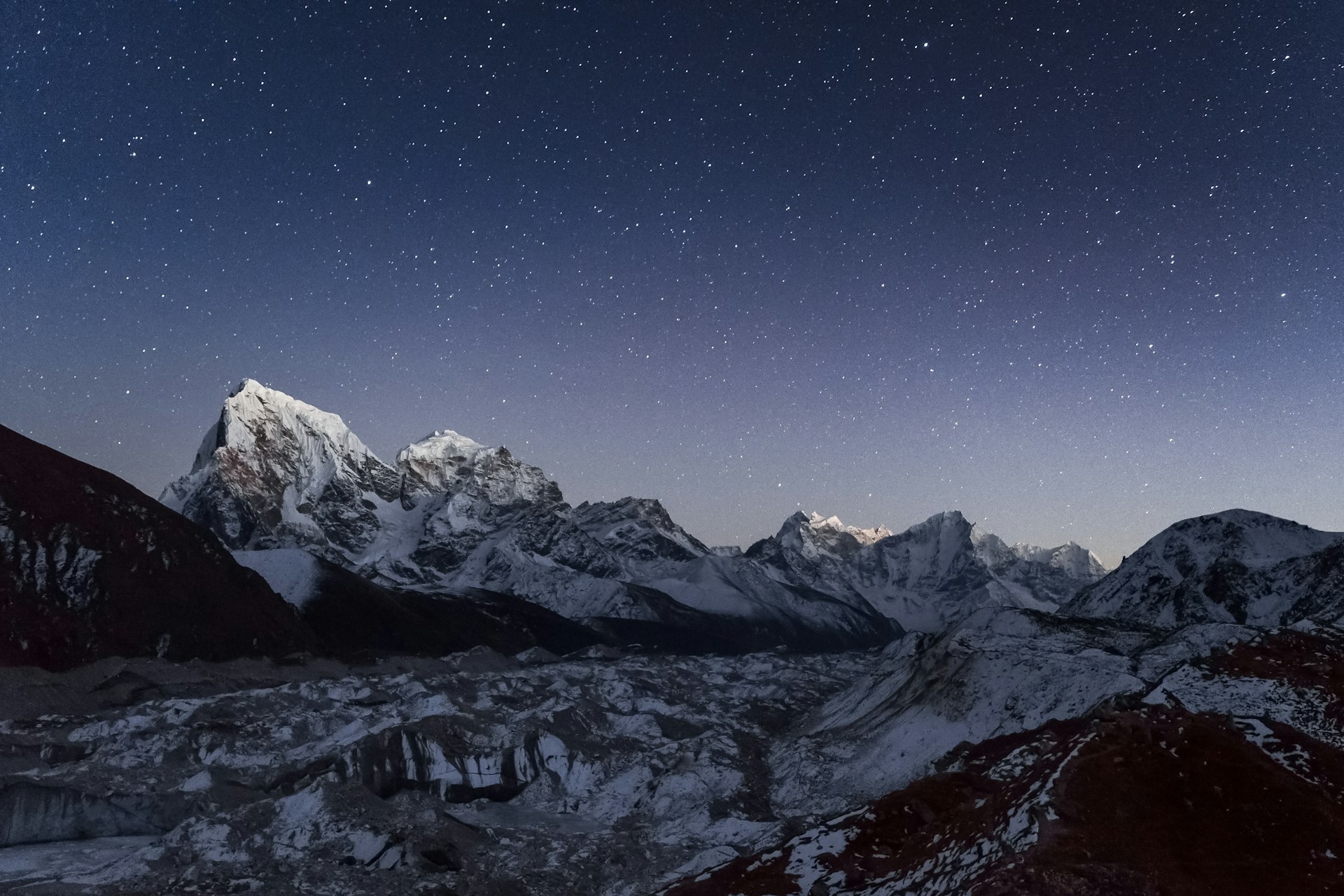
The best time trek Nepal for difficult routes is generally during autumn and spring.
Autumn (September to November)
In Nepal, autumn is considered the best time of year to go trekking. The sky clears up and the air is fresh after the monsoon rains.
Key benefits include:
- You can see the Himalayan mountains very clearly.
- Trekking trails that are dry and sturdy
- Warm temperatures during the day
- Ideal conditions for high mountain passes
Autumn is especially good for famous treks like the Everest region, Annapurna Circuit, and Manaslu Circuit.
Spring (March to May)
Spring is another great season for Nepal adventure trekking. The weather is mild, and nature becomes very colorful.
Advantages of spring trekking include:
- Rhododendron woods that are in bloom along the pathways
- Temperatures during the day are moderate.
- Longer daylight hours for trekking
- Views of the mountains that are beautiful
Seasons to Avoid
- Monsoon (June to August): Heavy rain can cause landslides, muddy trails, and poor visibility.
- Winter (December to February): Very cold temperatures and heavy snow can close high mountain passes.
Planning your trek during autumn or spring helps reduce risks and improves the overall trekking experience.
Safety Tips for High-Altitude Trekking
High mountains make trekking in Nepal exciting, but they also bring special challenges. During high altitude trekking Nepal, the air becomes thinner as you climb higher. This means that your body gets less oxygen, so it’s crucial to follow safety tips to stay healthy and have fun on the trip.
Key safety tips include:
- Climb Slowly:
Don’t rush while trekking. Walk at a steady pace so your body can get used to the higher altitude. - Acclimatize Properly:
Take breaks during your hike, especially when you get above 3,000 meters. Getting used to the higher altitude lowers the risk of altitude sickness. - Stay Hydrated:
Drink a lot of water all day long. Drinking enough water helps your body get used to being at high altitudes. - Eat Well:
Make sure to eat meals that provide you ample energy, like grains, veggies, and soup. Eating well helps you stay strong on long days of trekking. - Recognize Altitude Symptoms:
Watch for signs like headache, dizziness, nausea, or shortness of breath. If symptoms become worse, descend to a lower altitude. - Check Weather Conditions:
The weather in the mountains can change suddenly. Always pay attention to weather reports and listen to local advisers. - Trek with Experienced Guides:
Professional guides know the trails, altitude risks, and emergency procedures.
Conclusion – Are You Ready for the Nepal Trek Challenge?
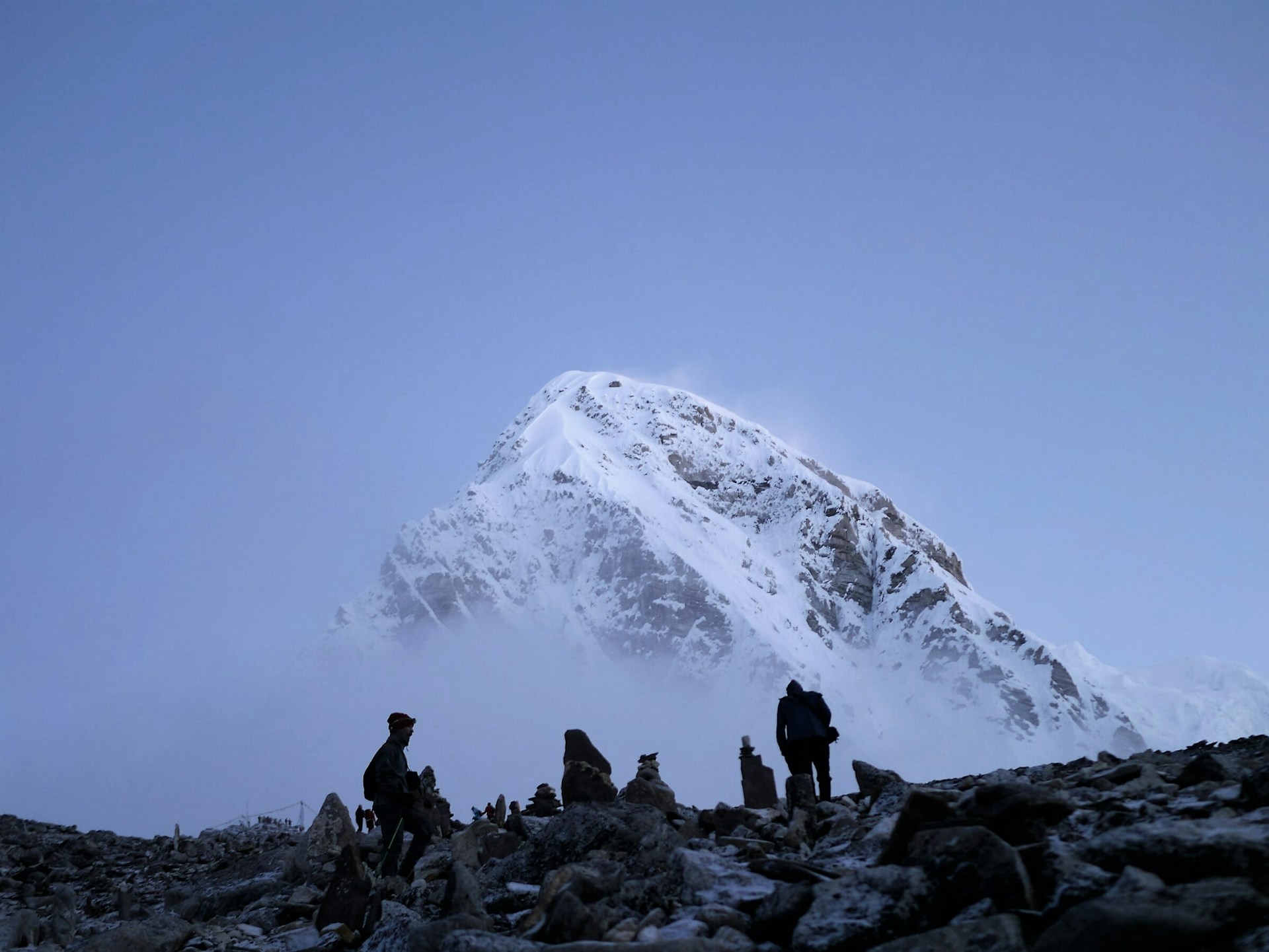
Trekking in Nepal is an unforgettable adventure filled with breathtaking mountain views, rich cultures, and exciting trails. But every Nepal Trek Challenge has its own problems, such as high altitudes, long days of walking, and weather that can change quickly. Trekkers can get ready better and have a safer trip if they know about these problems.
From famous routes like the Everest region and Annapurna Circuit to remote valleys and high mountain passes, Nepal offers some of the most challenging treks in Nepal for adventure lovers. These treks require physical fitness, proper gear, and careful planning, but the rewards are incredible. Along the journey, trekkers can see beautiful Himalayan landscapes, quiet settlements, and cultural practices that are unlike any other.
Preparation is the key to success. Training your body, packing the right equipment, choosing the best trekking season, and obtaining the necessary permits are all important steps before starting your journey. Trekking with experienced guides also makes the adventure safer and more enjoyable.
If you are ready for adventure and willing to challenge yourself, Nepal’s mountains are waiting for you!