

Tiji Festival in Mustang in 2026: Mask Dances, Rituals, and Monastic Traditions
Introduction to the Tiji Festival in Mustang in 2026
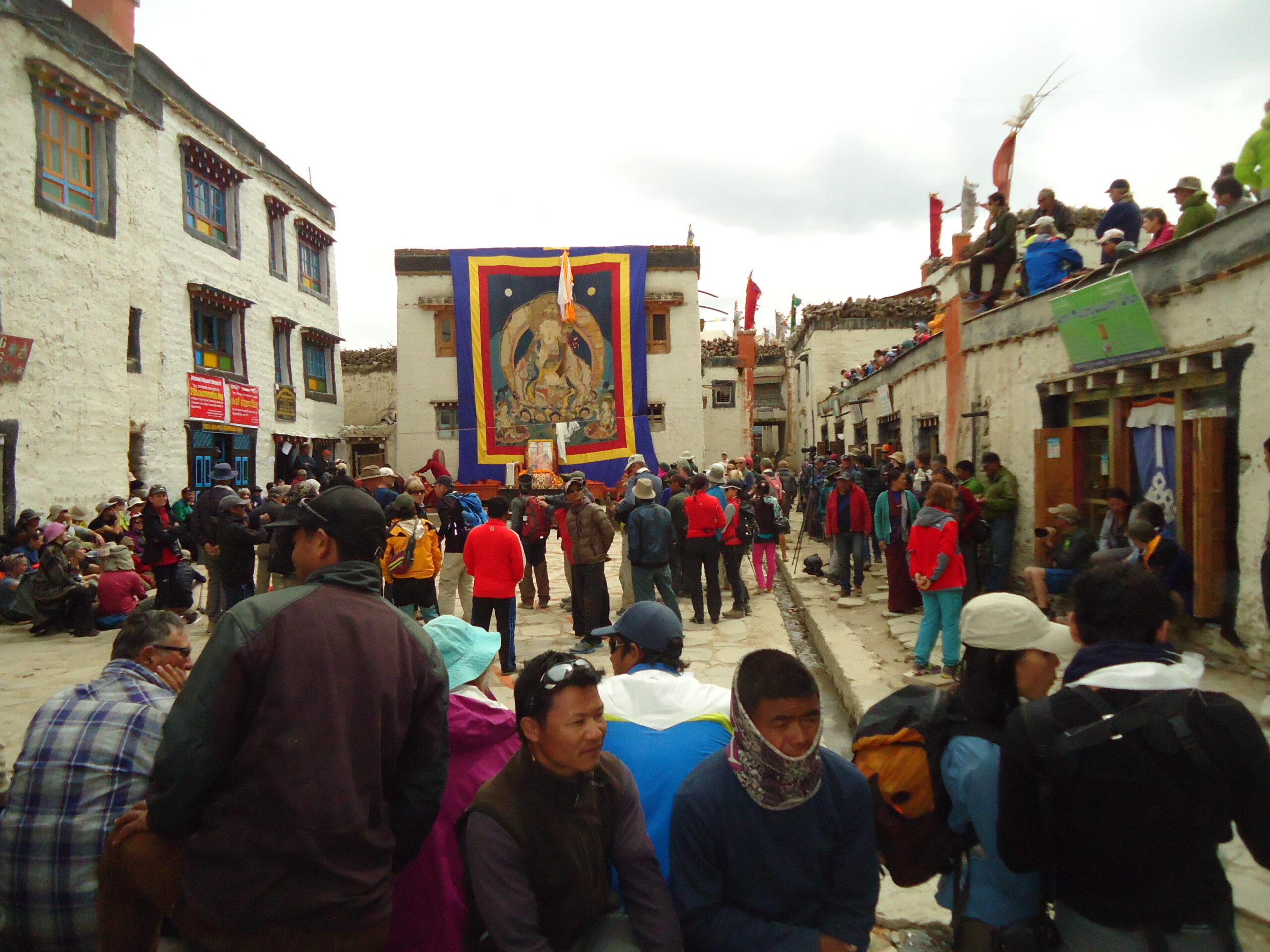
The Tiji Festival in Mustang is one of the most important cultural celebrations in the Upper Mustang region of Nepal. Held every year in the walled city of Lo Manthang, this festival marks the victory of good over evil according to Tibetan Buddhist traditions. During the festival, monks do colorful mask dances, rituals, and prayers that have been done for hundreds of years. This is a one-of-a-kind cultural experience for tourists.
The festival usually lasts for three days, with locals and travelers gathering to witness the traditional ceremonies and enjoy the vibrant atmosphere. It’s not just a religious event; it’s also a celebration of the town, its history, and its art. The Mustang Tiji Festival Trek combines this cultural immersion with Mustang hiking through the beautiful and secluded landscapes of Upper Mustang trek, giving you both adventure and spiritual understanding.
For travelers seeking an authentic and unforgettable experience, attending the Tiji Festival 2026 is a perfect opportunity to explore the region’s traditions, monasteries, and daily life.
Planning your journey with a trusted agency like Skyline Treks ensures you get the necessary permits and guidance, making your festival trek safe, smooth, and deeply memorable.
History and Significance of Tiji Festival in Mustang
The Tiji Festival in Mustang is a centuries-old celebration held in Lo Manthang, the capital of Upper Mustang. Its roots lie in Tibetan Buddhist traditions and local legends. The celebration celebrates the victory of good over evil, which stands for the victory of good forces in life and society. People in the area say that the demon Rangjung previously scared the kingdom, but he was subdued by prayer and dedication. The Tiji Festival is a mix of spirituality, culture, and community celebration that honors this achievement.
During the festival, monks perform intricate mask dances, known as Cham dances, which represent deities, demons, and legendary figures. These dances are not only works of art, but they are also rituals that are thought to get rid of bad energy from the land. The masks, bright costumes, and chants create a mystical environment that draws in both locals and tourists.
The festival also strengthens community bonds, as families, villages, and visitors gather to celebrate together. It preserves ancient traditions, religious rituals, and the unique cultural identity of Upper Mustang. The Tiji Festival is not only important spiritually, but it is also a live example of Mustang’s rich history, making it a must-see event for anyone who is interested in Tibetan Buddhist festivities in Nepal.
For travelers, combining the festival with a Mustang Tiji Festival trek provides an unforgettable experience, where cultural immersion meets the stunning landscapes of the remote Himalayan region.
When and Where Tiji Festival Is Celebrated
The Tiji Festival is celebrated every year in the walled city of Lo Manthang, the historical and cultural heart of Mustang. The festival is in this faraway city because its old alleys, monasteries, and traditional buildings add to the cultural environment.
The festival usually takes place in late spring, around May, although the exact dates vary according to the Tibetan lunar calendar.
The Tiji Festival in Mustang for this year 2026, is expected to take place in the middle of May from 13th till 15th.
It lasts for three days, and each day is set out for certain ceremonies and performances.
Key highlights include:
- Day 1: Opening ceremonies and prayers to prepare for the sacred dances.
- Day 2: Main Cham dances performed by monks, representing deities, demons, and legendary figures.
- Day 3: Final rituals symbolizing the victory of good over evil and blessings for the local community.
The festival draws both locals and visitors from across Nepal and around the world. Tiji Festival is a one-of-a-kind cultural event because you may see centuries-old customs come to life, watch beautiful mask dances, and listen to ritual chants.
Travelers planning to attend should combine the festival with a Mustang Tiji Festival trek.
Mask Dances and Ritual Performances
The Tiji festival in Mustang is famous for its vibrant mask dances and ritual performances, which are the heart of the celebration. These performances are based on Tibetan Buddhist traditions and local Mustang mythology. They show the never-ending fight between good and evil. Not only do they entertain, but they also guard and help the local community.
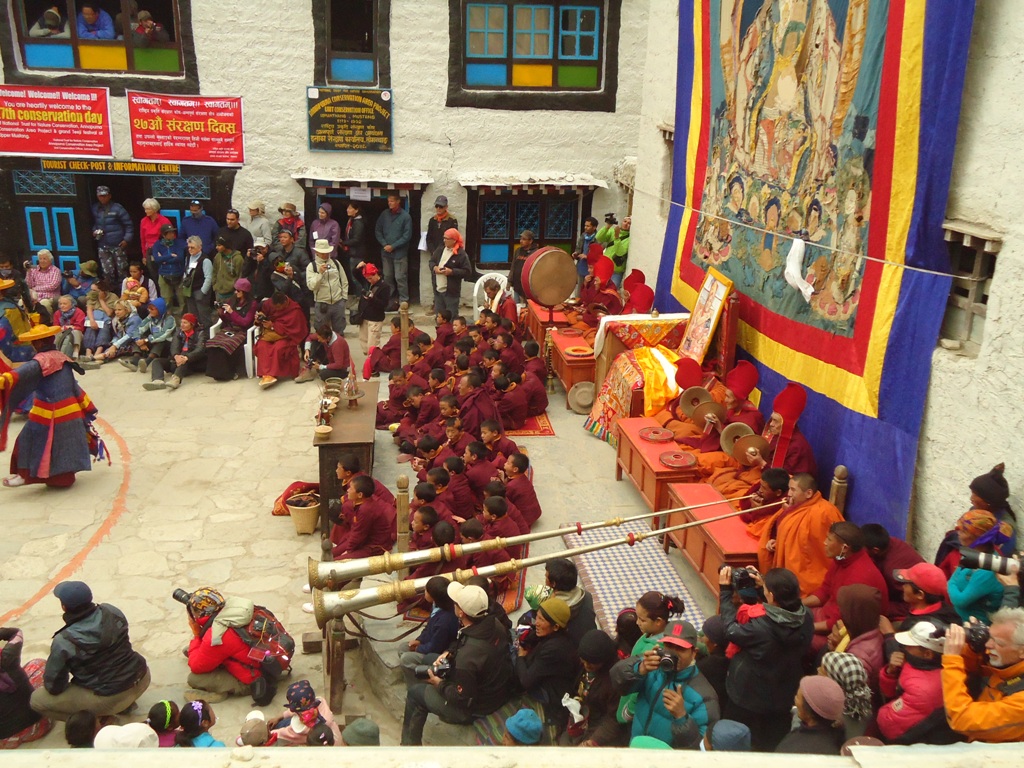
During the three-day Tiji festival in Mustang, monks from Lo Manthang monasteries perform cham dances, wearing elaborate masks representing gods, demons, and legendary figures. The masks and costumes are all painstakingly made, with vibrant colors and elaborate embellishments that have been passed down for generations. The dances are based on traditional stories and rhythms, and they offer moral lessons and Buddhist ideas.
Highlights of the performances in include:
- Opening Rituals: Monks chant prayers and create sacred spaces to purify the land.
- Main Cham Dances: Masked monks perform dramatic movements to depict the triumph of good over evil, with music provided by cymbals, drums, and horns.
- Final Blessings: The festival ends with ceremonies meant to offer peace, safety, and wealth to the people who live nearby.
These dances are also a way to preserve Mustang’s cultural heritage. For visitors, witnessing the performances offers insight into local spirituality, art, and history. The chants, music, and dancing all work together to create an atmosphere that makes you feel connected to traditions that have been around for hundreds of years.
For travelers, attending the Mustang Tiji Festival provides a unique chance to experience these rituals up close while trekking through Upper Mustang.
Monastic Traditions and Spiritual Practices
The Tiji festival in Mustang is not just a colorful celebration—it is deeply rooted in the monastic traditions and spiritual practices of the region. Monks from the monasteries in Lo Manthang play a big part in the ceremonies, which have been going on for hundreds of years. Tibetan Buddhism has had a big impact on Mustang’s culture and daily life, as shown by these customs.
Monks begin the festival with prayers and blessings, preparing the community and land for the sacred events. These rituals are believed to ward off evil spirits and bring peace, prosperity, and harmony to the people of Upper Mustang. Every prayer, chant, and movement is exact and follows guidelines that have been passed down through the years.
Key spiritual elements of Tiji Festival in Mustang include:
- Meditation and Prayer: Monks spend hours chanting mantras, calling on protective gods, and concentrating on spiritual cleansing.
- Offering Ceremonies: Sacred offerings such as butter lamps, grains, and symbolic items are presented to deities to ensure blessings for the community.
- Cham Dances: The masked dances of Cham are both artistic displays and spiritual deeds. They show that good has won over evil and impart moral lessons.
- Community Participation: Locals join in rituals, listen to teachings, and receive blessings, creating a shared spiritual experience.
These monastic practices help preserve Mustang’s religious heritage while fostering community unity.
Visitors can get a rare look into the spiritual life of one of Nepal’s most remote areas by seeing these practices.
Cultural Highlights and Local Experiences
The Tiji Festival in Mustang is one of Nepal’s most culturally diverse events. It gives visitors a chance to see how people in Upper Mustang’s isolated towns live, their art, and their traditions. The event is a celebration of good over evil, but it also shows off the area’s history, traditions, and social life in a colorful and memorable fashion.
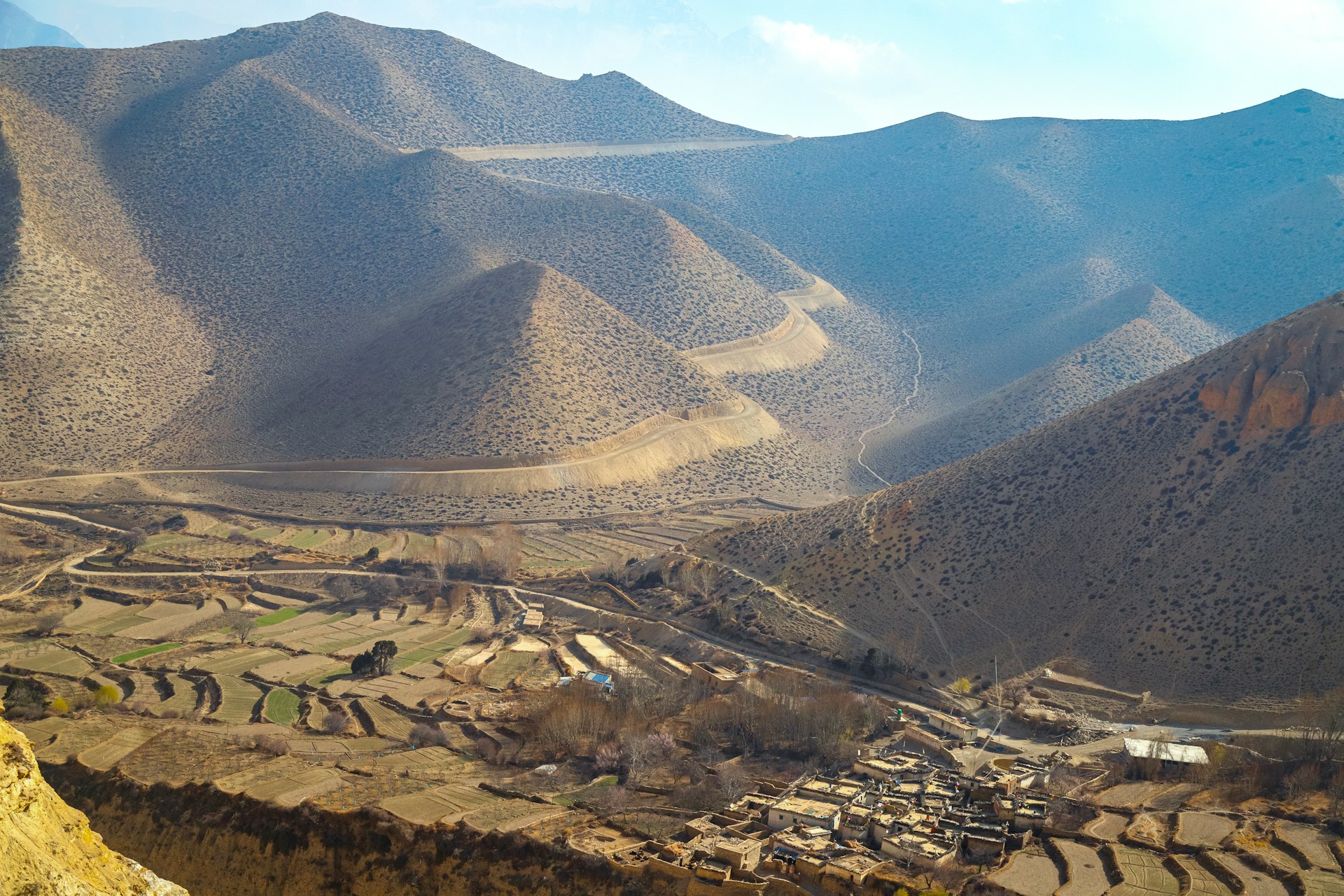
One of the main cultural highlights is the Lo Manthang walled city itself. Its old alleyways, traditional mud-brick buildings, and royal castle make it a living museum where people can see Mustang’s architectural and cultural history. The festival brings these places to life with music, dancing, and getting together with other people.
Other local experiences include:
- Interacting with villagers: Locals warmly welcome travelers, offering insight into their daily lives, Tibetan-influenced customs, and traditional clothing.
- Mustang mask dances: Monks perform elaborate Cham dances with colorful masks, representing deities and legendary figures, providing both spiritual and artistic experiences.
- Local cuisine and festivals: Visitors can try traditional Mustang cuisines such tsampa, yak cheese, and butter tea, which are commonly provided at community events.
- Monastery rituals: Travelers can interact with Mustang’s spiritual traditions by watching prayers, offerings, and meditation sessions at local monasteries.
Attending the festival provides more than just sightseeing; it immerses travelers in living traditions, giving a deeper understanding of Tibetan Buddhist culture in a high Himalayan setting.
The combination of spiritual rituals, community participation, and scenic trekking makes the Mustang Tiji Festival trek a truly enriching experience.
How to Attend Tiji Festival
Attending the Tiji festival in Mustang requires some planning because Lo Manthang is located in a restricted area of Upper Mustang, and access is controlled by the Nepalese government. Travelers cannot visit independently; they must obtain special permits and travel with a licensed guide or a registered trekking agency.
Here’s how to attend the festival Tiji festival in Mustang:
- Plan Your Dates: Every year in late spring, generally in May, the Tiji Festival takes place in Lo Manthang. In 2026, the three-day festival will run from May 13 to May 15.
Be sure to review the 2026 schedule carefully and plan your hike so that you arrive in Lo Manthang before May 13 and stay through the final day of celebrations.
- Choose a Trekking Agency: Select a reliable agency like Skyline Treks that can arrange restricted area permits, guides, and logistics. Solo trekking is not allowed in Mustang’s restricted region.
- Obtain Permits: The Upper Mustang Restricted Area Permit is mandatory. It must be applied for in advance and is only available through registered agencies.
- Prepare for Trekking: To get to Lo Manthang, you have to hike through rural settlements at high altitudes. Getting in shape, having the right gear, and getting used to the weather are all very important.
- Book Accommodation: Lodges and guesthouses in Lo Manthang are limited, so confirm your stay in advance. Some agencies include accommodation in their trekking packages.
- Respect Local Customs: The celebration is a religious and cultural event. When you go to mask dances and ceremonies, follow the norms of the monastery, don’t disturb the rituals, and dress modestly.
By following these steps, visitors can safely enjoy the Mustang Tiji Festival trek while experiencing ancient traditions, mask dances, and Himalayan culture in one of Nepal’s most remote and fascinating regions.
Other festivals beyond the Tiji Festival in Mustang
While the Tiji festival in Mustang is the most famous celebration, Upper Mustang has several other festivals and cultural events that provide unique insights into local life, spirituality, and Tibetan Buddhist traditions. These festivals are generally connected to the lunar calendar, farming, or key religious events. They give visitors extra chances to learn about Mustang’s rich history.
Some of the notable festivals and events beyond Tiji Festival in Mustang include:
- Lo Manthang New Year (Lhosar): Lhosar, or Lo Manthang New Year, is the Tibetan lunar New Year. It is celebrated in February or March. Prayer flags hang throughout the villages, monks do rites in monasteries, and people get together to dance, listen to music, and celebrate with their families.
- Chhewar Festival: A religious and community celebration that pays tribute to local gods and ancestors. Ritual prayers, chanting, and traditional dances are some of the most important things that bring the village together.
- Buddhist Monastery Rituals: Monasteries hold special Cham dances, meditation sessions, and offering ceremonies all year long, not just during the Tiji Festival. These events give people spiritual insights and a better understanding of monastic traditions.
- Harvest Celebrations and Village Fairs: Smaller local festivals celebrate agricultural cycles, music, crafts, and traditional foods like tsampa, yak cheese, and butter tea, giving visitors a taste of everyday Mustang life.
These festivals allow travelers to experience local culture, interact with communities, and witness centuries-old traditions in a remote Himalayan setting.
The Best Places to Witness the Festival Activities in Mustang
The Mustang Tiji Festival trek and other local celebrations are best experienced in locations that combine cultural significance, accessibility, and scenic beauty.
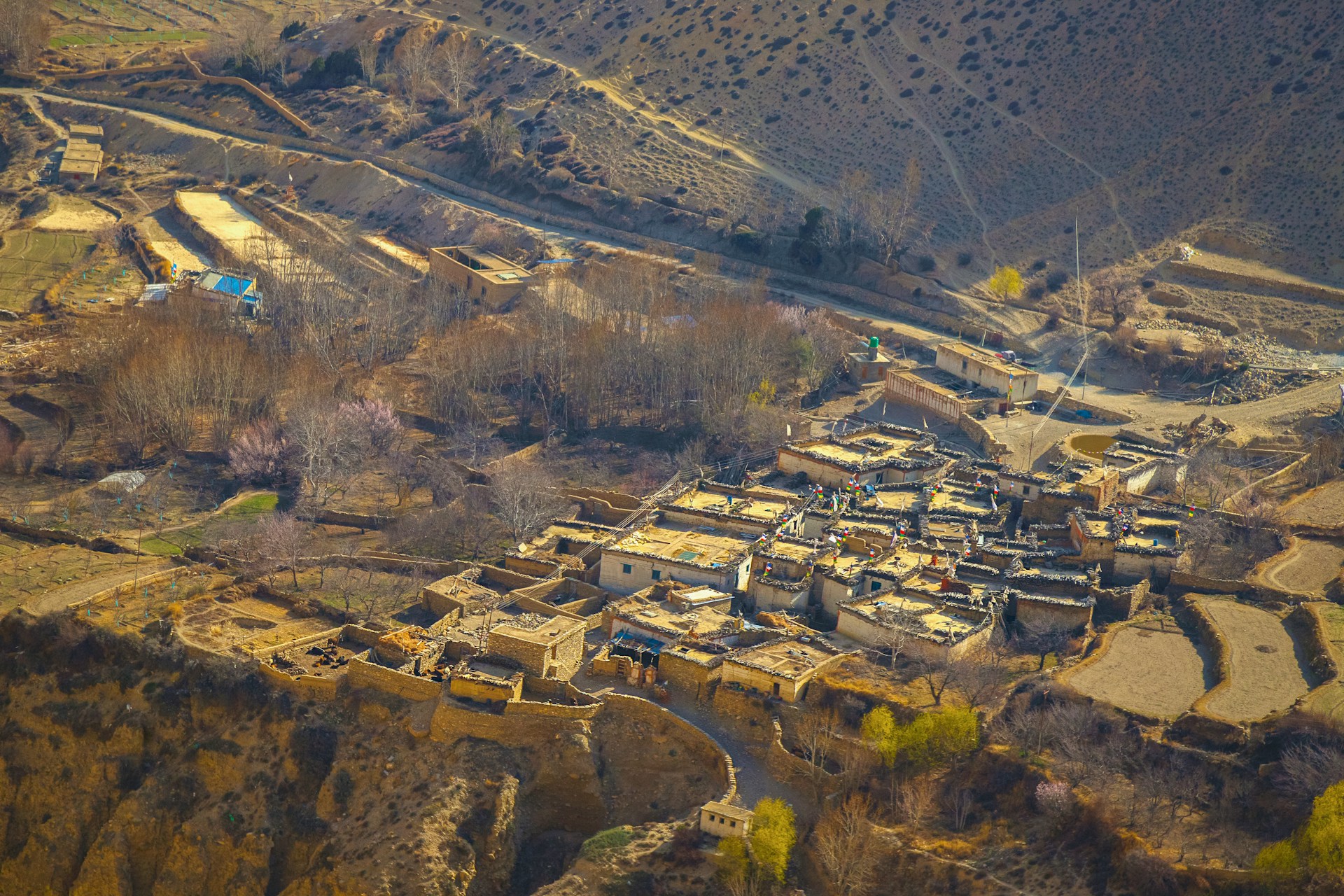
Most festival activities take place in Lo Manthang, the walled capital of Upper Mustang, but several nearby villages also offer unique perspectives on local traditions.
Lo Manthang:
- The heart of all festival activities, including the Tiji Festival.
- Main squares and monastery courtyards are where monks perform mask dances (Cham dances) and conduct rituals.
- Visitors can see up close customs that have been around for hundreds of years, gorgeous clothing, and holy incidents.
Nearby Villages along the Trekking Route:
- Villages like Chhusang, Geling, and Charang also hold smaller celebrations and rituals.
- Travelers can interact with locals, enjoy traditional foods, and observe cultural practices in daily life.
- These villages provide a quieter, more intimate perspective of Mustang’s spiritual and cultural life.
Monasteries:
- Key monasteries in Lo Manthang and surrounding areas host daily rituals and prayers during festival periods.
- Watching what happens in a monastery can teach you about Tibetan Buddhist spiritual practices and the way monks live.
Scenic Viewpoints:
- Trekking routes leading into Lo Manthang provide panoramic views of festival gatherings against the backdrop of Upper Mustang’s dramatic cliffs and valleys.
- These spots are great for taking pictures and taking in the size and color of the celebrations.
Conclusion – Why Tiji Festival in Mustang in 2026 Should Be on Your Nepal Bucket List
The Mustang Tiji Festival trek is more than simply a colorful party; it is a live example of Tibetan Buddhist culture, history, and community spirit. People who go to this festival can see ancient mask dances, religious rites, and monastic ceremonies, all set against the beautiful scenery of Upper Mustang. It is a rare opportunity to experience traditions that have remained largely unchanged for centuries.
Beyond the spiritual and cultural significance, the festival offers a unique chance to explore remote villages, interact with welcoming locals, and taste traditional Mustang foods. The Mustang Tiji Festival trek is a unique trip that combines adventure hiking with cultural immersion. It’s unlike any other festival experience in Nepal.
For travelers seeking authenticity, spirituality, and Himalayan beauty, the Tiji Festival should be a top priority. Planning with a trusted agency like Skyline Treks ensures proper restricted area permits, licensed guides, and safe logistics, allowing you to focus on the culture, ceremonies, and breathtaking scenery.
From the colorful Cham dances in Lo Manthang to the serene high-altitude landscapes, the Tiji Festival in Mustang is an essential Nepal experience, offering adventure, learning, and memories that last a lifetime.