

Mustang Nepal Trekking: Complete Guide to Upper Mustang Adventure
Introduction to Mustang Nepal Trekking
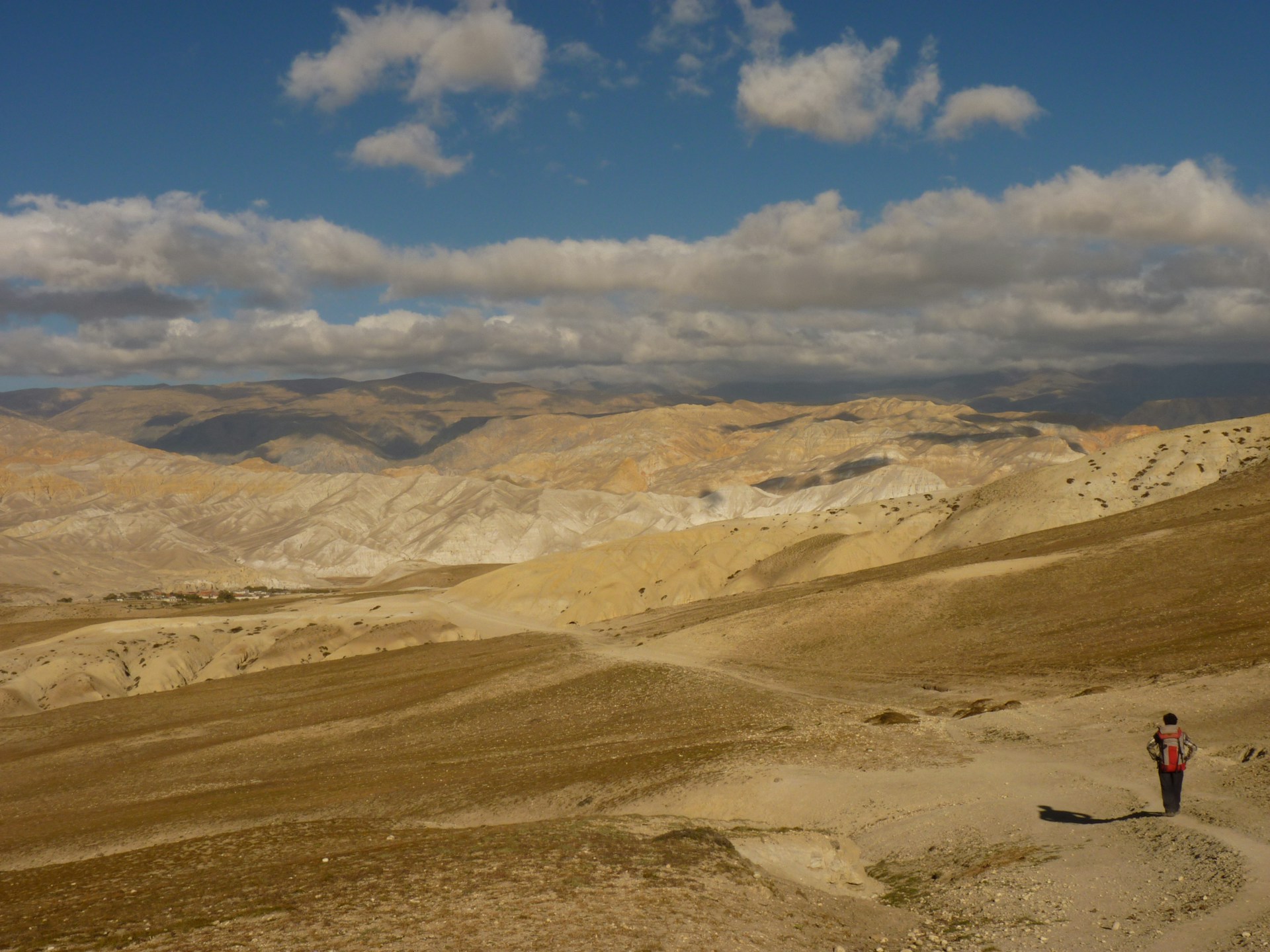
Mustang Nepal Trekking is a journey to one of the most unique places in the world. Located in the northern part of Nepal, Mustang is often called the “desert in Nepal” because of its dry landscapes, rocky cliffs, and wide open skies. When you hike here, you can see old villages, beautiful monasteries, and the Mustang Valley’s secret routes. Most of the treks end up in Lo Manthang, the old walled city that used to be the capital of Upper Mustang.
Trekking in Mustang is special because it is a restricted area. Travelers need permits, and hiring a knowledgeable Mustang trekking guide helps make the journey safe and meaningful. The trails aren’t very busy, so you can quietly appreciate the mountains, deserts, and distinctive Tibetan culture in comfort.
If you want to experience the Upper Mustang trek Nepal fully, Skyline Treks is here to help plan your adventure.
Where Is Upper Mustang Located?
Upper Mustang is a remote region in northern Nepal, near the border with Tibet, China. It is part of the Mustang District in the Dhawalagiri Zone. This location is high up in the Himalayas and is surrounded by huge mountains, deep valleys, and rough cliffs. People frequently nickname the area the “desert in Nepal” because of its dry, desert-like scenery.
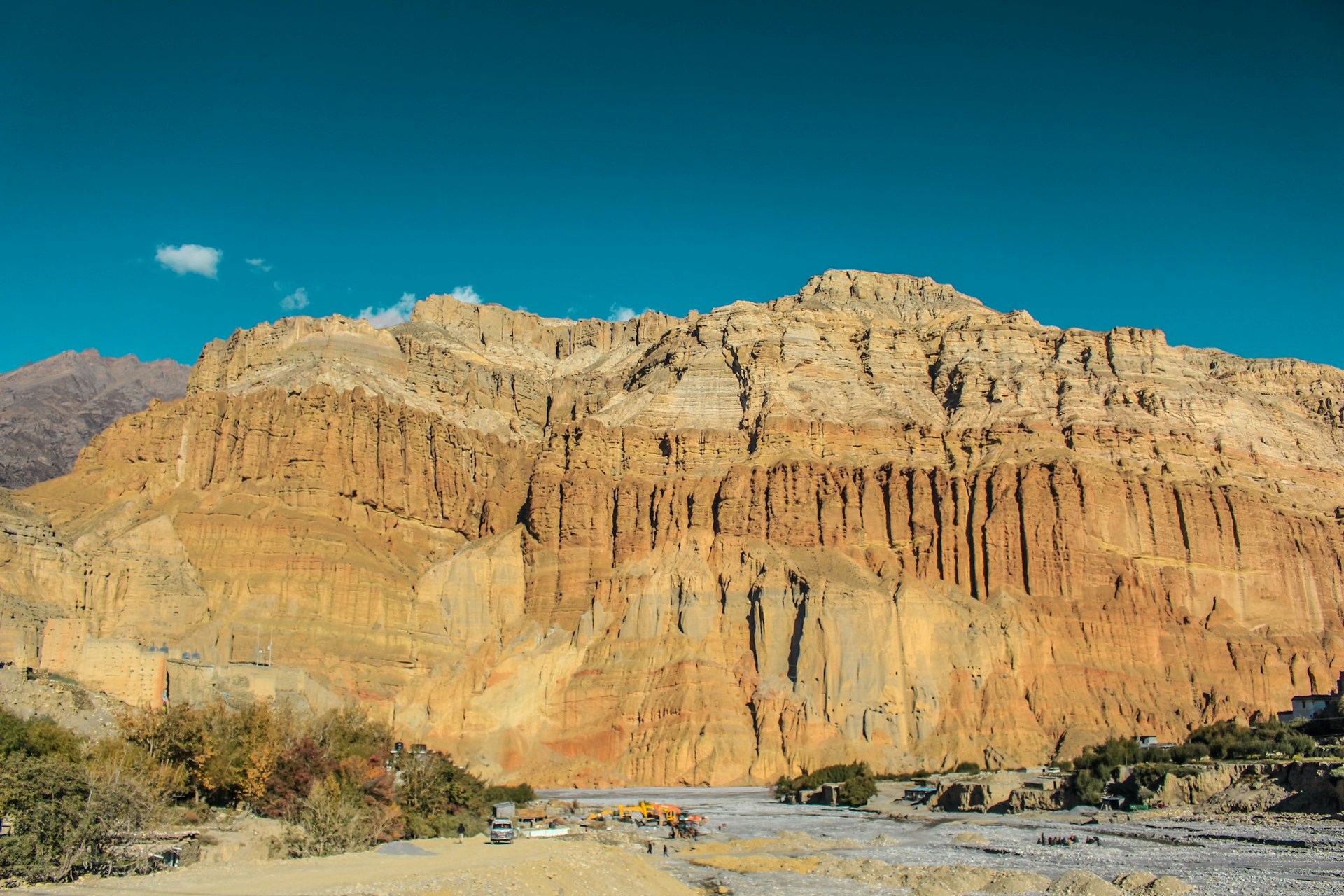
The main town of Upper Mustang is Lo Manthang, an ancient walled city that was once the capital of the Kingdom of Lo. Lo Manthang is located at about 3,800 meters (12,500 feet) above sea level. The journey to Upper Mustang usually starts from the city of Jomsom, which is connected by a small airport and trails used by trekkers and local traders. The walk goes through the Mustang Valley, various traditional villages, and monasteries. Along the way, you can see the unique culture that has been impacted by Tibet.
Because Upper Mustang is a restricted area, visitors need a special permit to enter. This helps protect the local culture and environment. Because it is so far away from other places, it hasn’t changed much since modern times. This makes it a great spot for those who wish to observe traditional Himalayan living and beautiful scenery.
Trekking in Upper Mustang Nepal is an unforgettable experience for those who love adventure, culture, and natural beauty.
Why Choose the Upper Mustang Trek
The Upper Mustang trek is one of the most unique adventures in Nepal.
Here’s why many travelers choose it:
- Stunning Landscapes – Mustang is called the “desert in Nepal” because of its dry valleys, red cliffs, and wide-open skies. The scenery is different from other green Himalayan regions.
- Rich Tibetan Culture – Villages like Lo Manthang have old festivals, colorful monasteries, and traditional Tibetan-style dwellings. You can see a culture that hasn’t altered much in hundreds of years.
- Historic Trails – The trek follows old trade routes and paths used by local traders and monks. You will see caves, ancient shrines, and old forts along the way.
- Peaceful and Less Crowded – Upper Mustang is far away and hard to get there, so it’s quiet and not too crowded. There are fewer trekkers, so you can explore the valley in peace and safety.
- Adventure with Guidance – Because it is a restricted area, trekkers need permits. Hiring a Mustang trekking guide ensures you have a safe journey while learning about the local culture and history.
- Unique Wildlife and Nature – You might see wild animals, uncommon birds, and strange plants that have adapted to Mustang’s dry climate.
Upper Mustang Trek Itinerary Overview (10 Days)
The Upper Mustang trek is an amazing journey through mountains, deserts, and ancient villages.
Here is a simple 10-day Upper Mustang Trek Itinerary to give you an idea of what to expect:
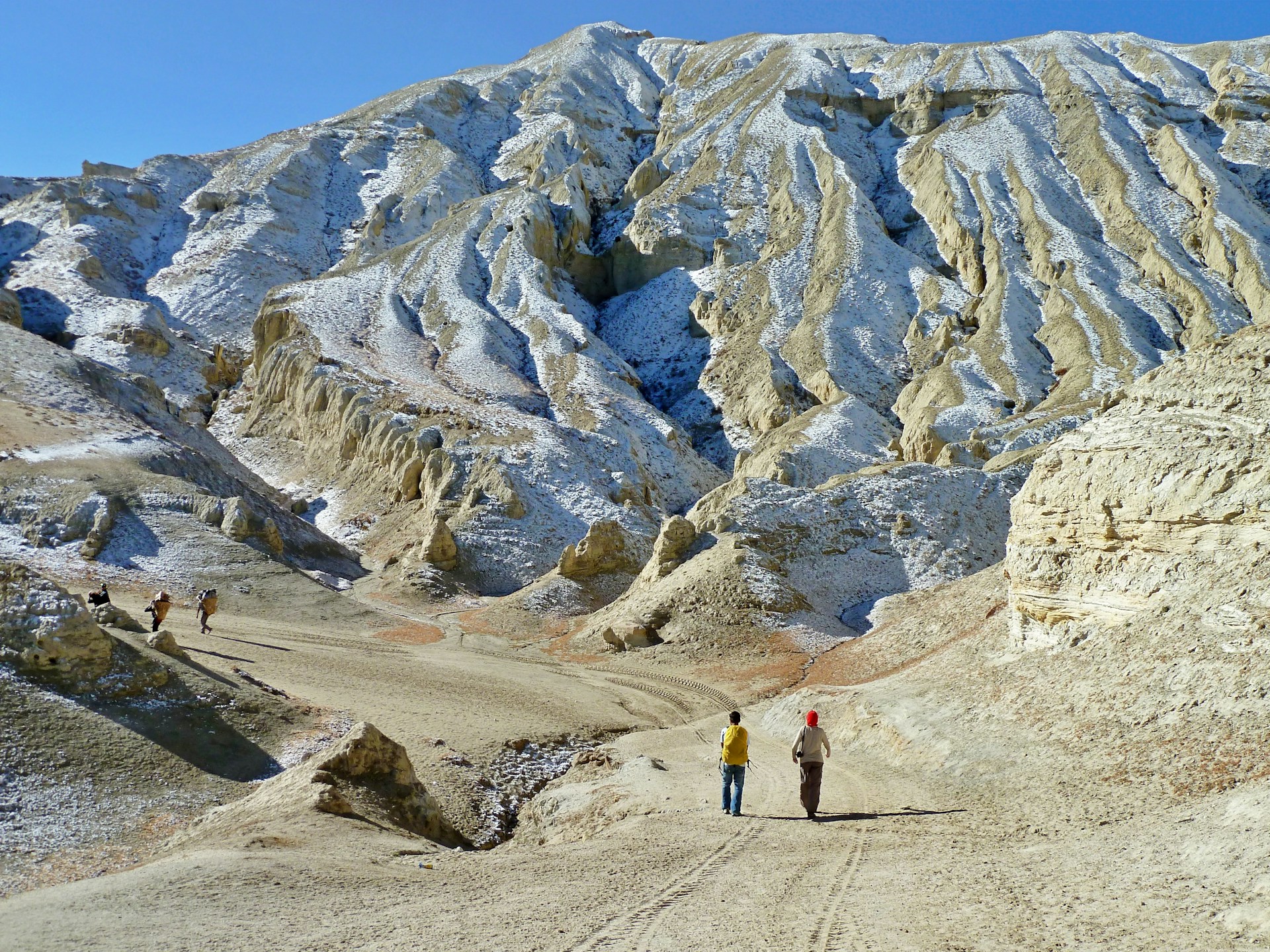
Day 1: Arrival in Kathmandu – Arrive in Kathmandu. Prepare your gear and get your Upper Mustang permits.
Day 2: Fly to Jomsom and Trek to Kagbeni – Take a short flight to Jomsom. Start trekking to Kagbeni (2,800 m). This village marks the entrance to Mustang.
Day 3: Trek to Chele – Trek from Kagbeni to Chele (3,050 m). Enjoy views of the Kali Gandaki Valley and the dry Mustang landscape.
Day 4: Trek to Tangbe and Tetang – You’ll pass through traditional towns, monasteries, and spectacular cliffs on the way to Tetang (3,540 m).
Day 5: Trek to Lo Manthang – Arrive in Lo Manthang (3,800 m), the walled capital of Upper Mustang. Explore the old city, monasteries, and local streets.
Day 6: Explore Lo Manthang – Spend the whole day in Lo Manthang. To learn about Tibetan culture, go to monasteries, caves, and meet local families.
Day 7: Trek to Ghiling – Start your return trek. Stop at Ghiling (3,730 m) and see more villages and traditional architecture.
Day 8: Trek to Tsarang – Trek to Tsarang (3,600 m), a village with an ancient fortress and Buddhist monastery.
Day 9: Trek to Jomsom – Continue trekking back to Kagbeni and then Jomsom. Enjoy the changing landscapes on the way.
Day 10: Fly back to Kathmandu – In the morning, take a flight back to Kathmandu. Take a break and enjoy finishing your adventure.
This 10-day Upper Mustang trek itinerary covers the highlights of Mustang, including Lo Manthang, traditional villages, deserts, and monasteries.
Permits Required for Upper Mustang Trek
To trek in Upper Mustang, you must have special permits because this region is a restricted area of Nepal. You can’t go here or hike here without the right documents, and you need to get them ready before your trip.
- Restricted Area Permit (RAP) – This is the most important permit for Mustang Nepal trekking. It is required to enter the Upper Mustang region beyond the Kagbeni checkpoint.
The Department of Immigration in Kathmandu gives it out, and you can only get it from a certified Nepal trekking service. This is not something that independent walkers can get on their own.
- Foreign travelers who want to go into the restricted area have to pay USD 50 per person per day. You just pay for the days you spend in Upper Mustang.
- This permit must show your entry and exit dates and is checked at Kagbeni and other checkpoints.
- Annapurna Conservation Area Permit (ACAP) – Upper Mustang is in the Annapurna Conservation Area, hence you need an ACAP permit as well. This helps protect the area’s fauna and ecosystem.
Additional Rules:
- You must be accompanied by a licensed trekking guide from your agency.
- Permits cannot be transferred or shared, and you must carry them during the trek.
Getting permits arranged with the help of an experienced agency like Skyline Treks ensures your Upper Mustang trek is fully legal, smooth, and stress‑free.
Major Highlights of Mustang Nepal Trekking
Mustang Nepal trekking is a unique journey in the Himalayas. This remote region feels very different from other parts of Nepal, with wide valleys, red cliffs, and desert-like landscapes. There are ancient walled cities and monasteries, calm Tibetan villages, and stunning mountain views. It has a lot of history, culture, and natural beauty.
Because Upper Mustang is a restricted area, the trails are peaceful, letting trekkers explore without crowds. Trekking here is more than just walking. It’s a chance to see beautiful landscapes, live history, and experience a culture that hasn’t changed much in hundreds of years.
Highlights of the Trek:
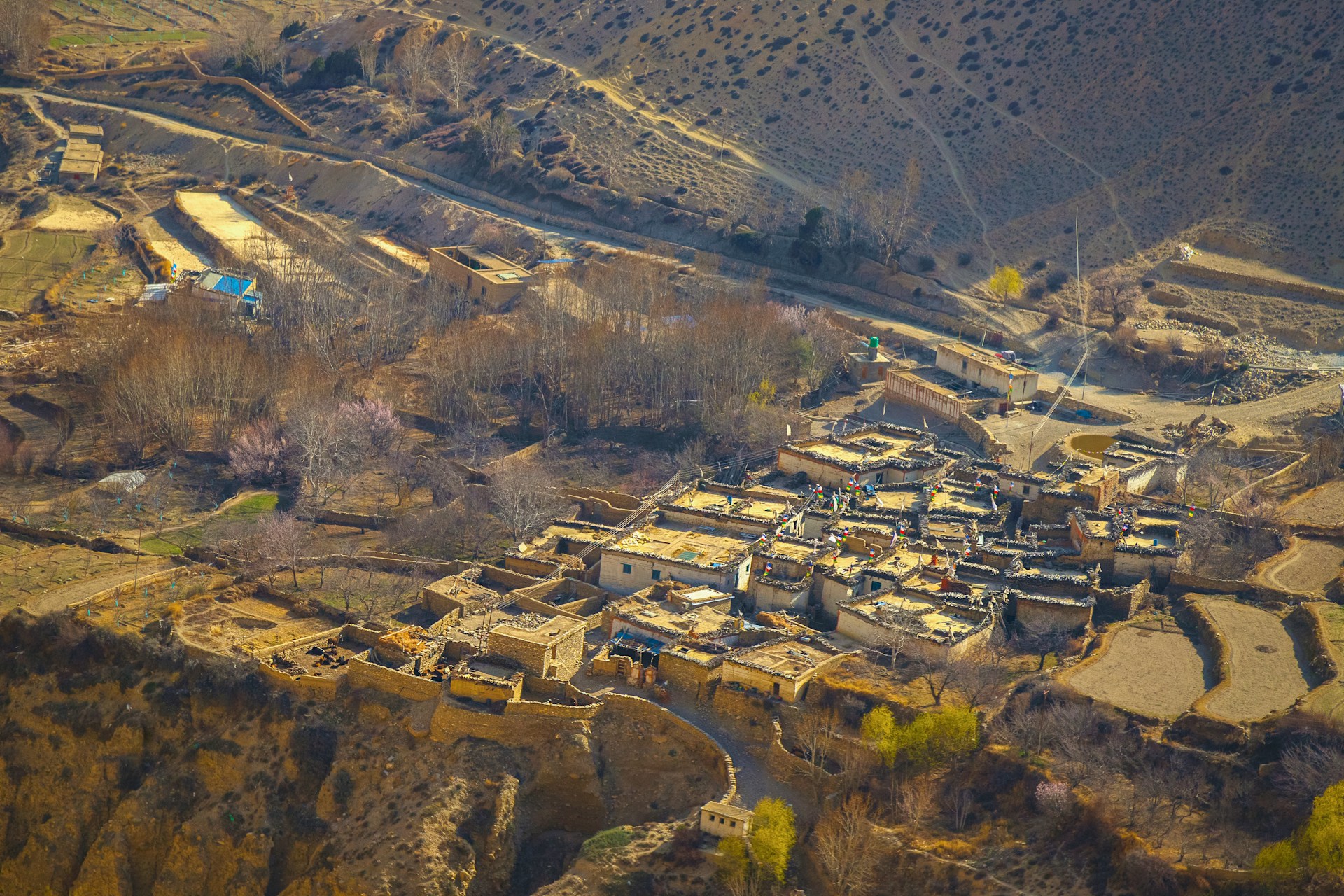
- Lo Manthang – Lo Manthang is the heart of Upper Mustang. It has traditional Tibetan-style buildings, colorful monasteries, and small lanes that make you feel like you’re in the past.
- Unique Landscapes – Mustang is often called the “desert in Nepal” because of its dry valleys, red cliffs, barren hills, and wide-open skies that create scenery unlike anywhere else.
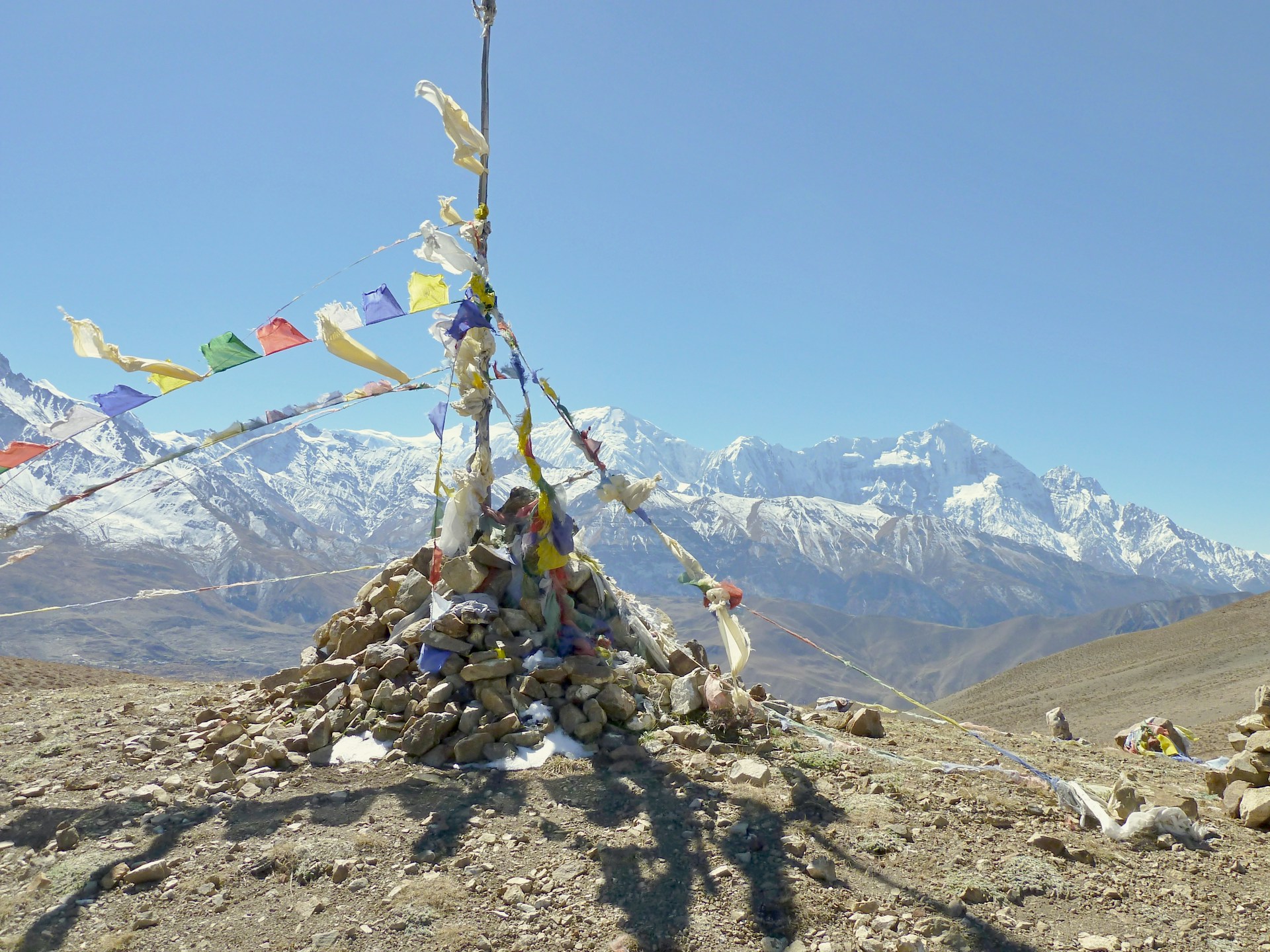
- Tibetan Culture – Villages like Tangbe, Tetang, and Ghiling have prayer flags, mani walls, monasteries, and ways of life that have been around for hundreds of years.
- Ancient Caves and Monasteries – Explore historic caves carved into cliffs and monasteries that show the spiritual and cultural history of Mustang.
- Kali Gandaki Valley Views – Enjoy breathtaking views of the Kali Gandaki valley and surrounding Himalayan peaks, a dramatic contrast to the dry landscapes.
- Remote and Peaceful Trails – Few trekkers visit Mustang, so the trails are quiet, allowing authentic encounters with nature and local people.
- Local Festivals and Traditions – If your trek matches festival dates, you may witness traditional music, dances, and rituals.
- Adventure and Discovery – Trekking in Mustang is an unforgettable trip since it mixes history, culture, and natural beauty.
Planning your trek with Skyline Treks ensures you experience all these highlights safely and smoothly.
Cost of Mustang Nepal Trekking
Mustang Nepal trekking is more expensive than many other Himalayan treks because it is a restricted area, and special permits, guides, and logistical support are required.
All trekkers must book through a registered Nepal trekking agency and hire a licensed guide.
- Permit Costs
- Restricted Area Permit (RAP): The government of Nepal now charges $50 per person per day for being in Upper Mustang’s restricted zone.
- Annapurna Conservation Area Permit (ACAP): Because Upper Mustang lies in the Annapurna Conservation Area, you also need an ACAP permit, around NPR 3,000 (~USD 25) for foreign trekkers.
- Guide and Porter Fees
- Guide: A licensed guide (mandatory in Upper Mustang) costs about $ 25–40 per day.
- Porter (optional): A porter costs about $ 15–25 per day if you choose one.
- Accommodation & Meals
- The guesthouses throughout the journey usually cost between $10 and $30 per night, while meals cost between $5 and $15 each. Food and lodging every day might cost between $20 and $40.
- Transportation & Miscellaneous
- To get to the trailhead, you have to fly or drive a jeep from Pokhara or Kathmandu to Jomsom. A one-way trip to a mountain in the US usually costs between $120 and $180, but jeep rides can cost more or less.
- Travel insurance, tips, personal items, and hot‑shower or charging fees are additional costs not always included in packages.
Overall Cost Range
Most complete Upper Mustang trekking packages (10–15 days) for 2026 range from about $ 1,700 to USD 3,500+ per person, depending on group size, comfort level, whether you fly or jeep to the trail start, and services included.
Best Time to Trek Upper Mustang
Trekking in Upper Mustang Nepal is possible almost all year, but the best time depends on weather, trail conditions, and festivals. Because it is under a rain shadow, this location gets a lot less rain than other parts of the Himalayas. Mustang is a “desert in Nepal” since it doesn’t get much rain and has clear skies.
Spring (March to May)
Spring is one of the most popular times to trek Upper Mustang. The temperature ranges between 10°C and 20°C at lower elevations and colder at higher elevations. The weather is warm during the day and cool at night. The skies are frequently clear, which is great for taking pictures and seeing the mountains. Rhododendron blooms grow along some lower trails, making the environment look even more attractive.
Autumn (September to November)
Autumn is another excellent trekking season. After the monsoon, the air is clean and clear, giving perfect visibility of the Himalayan peaks. The weather is nice, and the trails are secure and solid. Autumn is a great time to learn about other cultures because many communities have festivities then.
Winter (December to February)
Winter treks are possible but colder. Daytime temperatures can drop to around 0°C, and nights can go below −10°C in high-altitude areas like Lo Manthang. It doesn’t snow very often, but it can happen at higher elevations. In the winter, the trails are quieter and there are less people hiking, but you need the right clothes.
Summer/Monsoon (June to August)
Upper Mustang receives less rainfall than the southern Himalayas, but the monsoon can still make trails slippery in some parts. Visibility may be reduced, and temperatures are warmer. Summer is not the most popular time but can work for experienced trekkers who prefer fewer crowds.
The best time to trek Upper Mustang is spring (March–May) and autumn (September–November) for stable weather, clear skies, and cultural experiences.
Difficulty Level and Altitude
The Upper Mustang trek is considered a moderate to moderately difficult trek. It is not as hard as Everest Base Camp or Annapurna Circuit, but it is still challenging enough that you need good fitness, proper acclimatization, and preparation.
Altitude
On this trek, you gradually climb higher each day to help your body adjust to the thin air. The highest places you reach are around 3,800–4,000 meters (12,500–13,100 feet) above sea level. The major objective, Lo Manthang, is a walled city that is around 3,800 meters (12,500 feet) high. The altitude climb is continuous instead of dramatic because most of the other communities and passes are lower than here.
What Makes It Moderate
- Elevation Gain: You rise slowly, which lowers the possibility of being very sick from the high altitude, but you still get high enough that you need time to become used to it.
- Trail Type: The paths are mostly well‑defined but can be rocky, dry, and dusty. Some sections have loose stones and small ups and downs.
- Daily Walking: Most days, you’ll walk for 5 to 7 hours, but some days may be shorter or longer depending on your schedule and how fast you walk.
- Weather: The dry climate lowers the risk of slippery trails, but cold nights and strong sun during the day are common, especially in spring and autumn.
Who Can Do It?
If you are reasonably fit, walk regularly, and train a bit before the trek, you can manage Upper Mustang comfortably. Trekking with a guide who knows the terrain helps with pacing and safety.
Overall, Upper Mustang is challenging enough to be rewarding but accessible for trekkers with good fitness and proper preparation.
Cultural Experience in Mustang Nepal Trekking
Trekking in Upper Mustang is not just about landscapes—it is a journey into a living Tibetan culture that has been preserved for centuries.
Here are the main cultural highlights of Mustang Nepal Trekking:
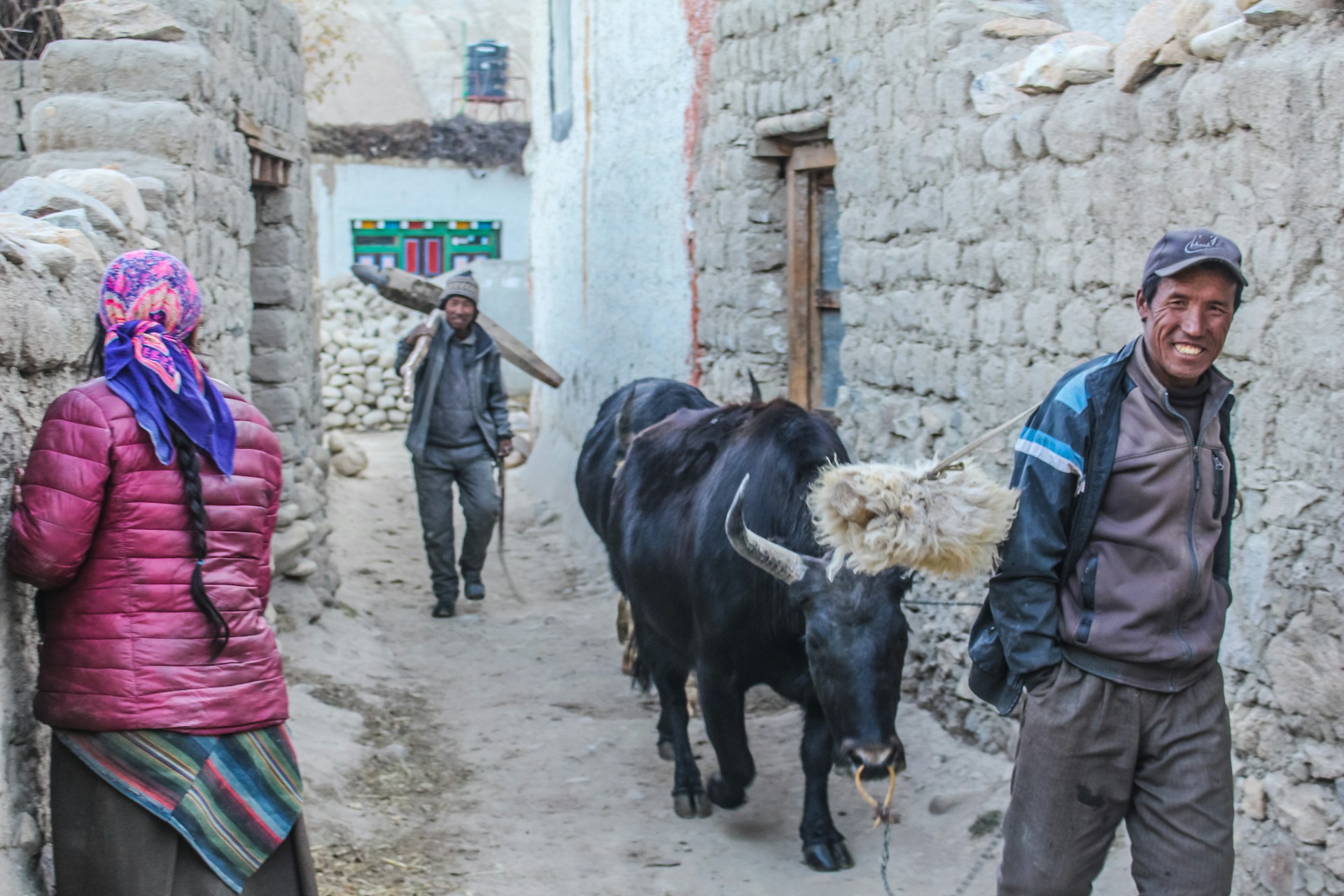
- Ancient Kingdom of Lo – Mustang was formerly a separate country in the Himalayas. Being cut off from the rest of the world until the 1990s helped keep traditional Tibetan ways of life alive.
- Unique Architecture – Villages like Lo Manthang feature whitewashed stone and mud-brick houses, flat roofs, and narrow lanes. These buildings are practical for the climate and reflect a centuries-old lifestyle.
- Tibetan Buddhism – Religion shapes daily life in Mustang. You’ll see prayer flags, mani walls, and monasteries (gompas) in almost every village. Monasteries often house ancient murals, statues, and sacred texts.
- Festivals and Rituals – The Tiji Festival in Lo Manthang is a big cultural event. For three days, people in the area do masked dances and ceremonies that show how good has won over evil.
- Daily Village Life – Every day in the village, people work in the fields, herd animals, and live in close-knit groups. Visitors can see traditional clothes, customs, and old rituals that show how people lived in a way that was related to both faith and environment.
- Living History – Every street, prayer wheel, and festival tells a story of tradition, resilience, and cultural pride that has survived for centuries.
Trekking with a trusted agency like Skyline Treks ensures you experience these cultural treasures safely and fully, combining adventure with a deep understanding of Mustang’s heritage.
Conclusion – Why Upper Mustang Is a Once-in-a-Lifetime Trek
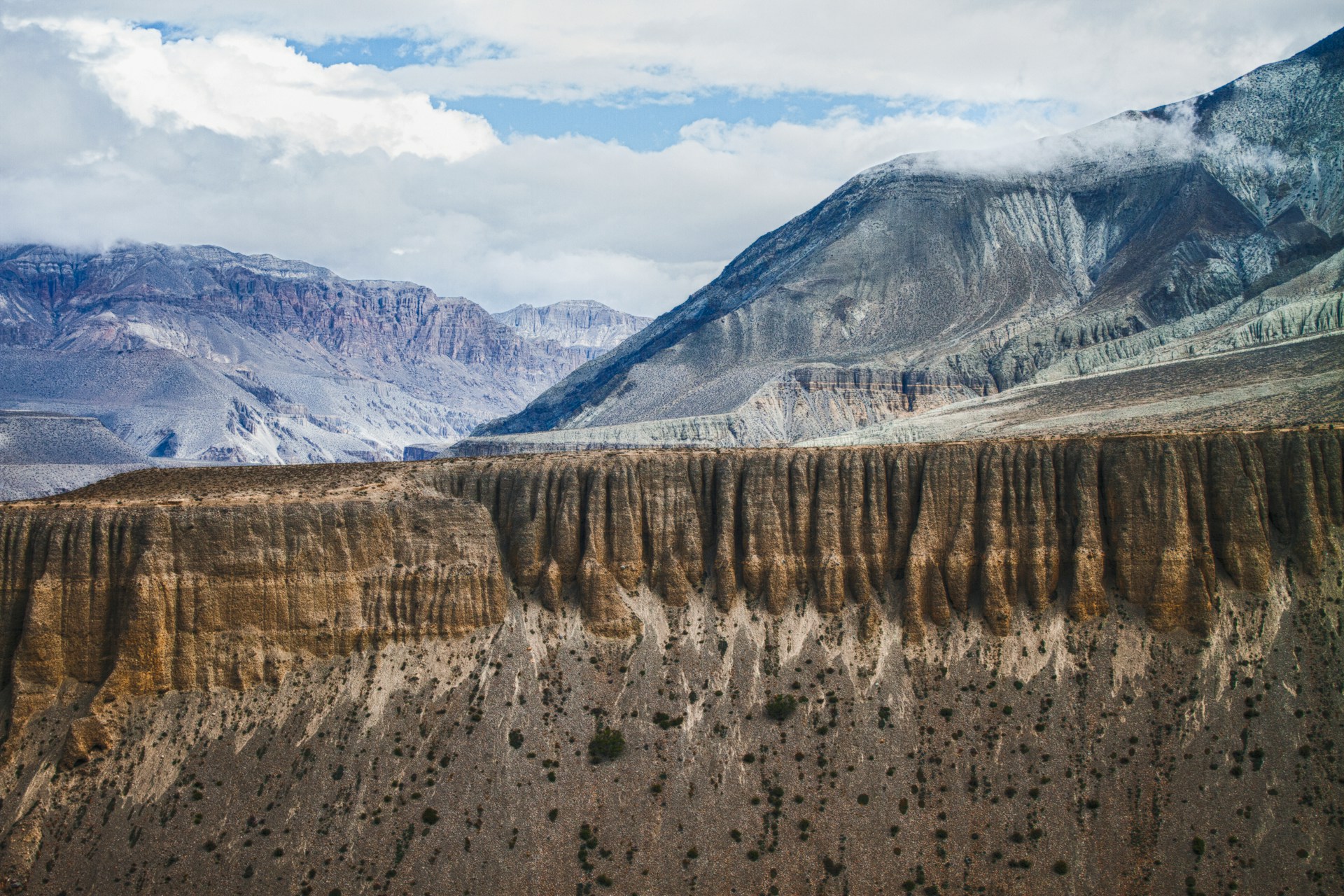
The Upper Mustang trek is truly one of the most unique journeys in the world. Unlike other parts of Nepal, Mustang feels like a hidden kingdom where nature, history, and culture blend seamlessly.Every step of this hike takes you through beautiful landscape and a sense of adventure, from the red cliffs and desert-like valleys to the old walled city of Lo Manthang.
Cultural experiences in Mustang are equally unforgettable. You can explore traditional Tibetan villages, monasteries, mani walls, and prayer flags, and witness local festivals that have been celebrated for centuries. The region’s restricted status has kept it quiet and authentic, allowing trekkers to connect deeply with the land and its people.
The trek is challenging but achievable for those with good fitness and proper preparation, offering not just physical adventure but also mental and spiritual rewards.
For anyone seeking a journey unlike any other, Upper Mustang trekking is more than a trek—it is a step into living history, culture, and untouched natural beauty.