

Best Time for Hiking in Nepal: Complete 2026 Seasonal Guide
Introduction – Best Time for Hiking in Nepal
The best time for hiking in Nepal is an important topic for anyone who is planning to explore Nepal’s beautiful hills and mountains. Nepal has different seasons, and each season changes the weather, views, and trail conditions. Choosing the right time to hike makes it safer, more comfortable, and more fun, especially for people who are new to it..
Nepal’s hiking trails go through quiet villages, green forests, and high mountain paths. The weather has a big impact on how these trails feel. When the sky is clear, you can see the mountains well. When it rains or snows, the paths can be slippery or hard to walk on.
In general, spring and autumn are known as the best time for hiking in Nepal and trekking. The weather is nice, the days are bright, and the views of the Himalayas are clear during these times. It’s easy to enjoy popular trails near Pokhara and Kathmandu, and even higher routes get more comfortable. These seasons are also ideal for people looking for Nepal trekking packages like EBC, Annapurna, Ghorepani, more or people who are trying hiking for the first time.
Understanding the best time helps hikers choose the right trail, pack correctly, and stay safe. In the next sections, we will look closely at each season and explain what to expect.
For easy planning and local support, trusted agencies like Skyline Treks can help you choose the perfect hiking time in Nepal.
Overview of Hiking Seasons in Nepal
There are four main times of year to hike in Nepal, and each one is different. Hikers can plan a safe and fun trip by knowing how these seasons change the weather, trails, and views.
Below is a simple overview of hiking seasons in Nepal, explained in easy points and short paragraphs.
Spring (March to May):
- This is one of the best time for hiking in Nepal.
- The mornings are clear and the weather is warm but not too hot.
- Good for short hikes and trails that are easy for beginners.
Summer / Monsoon (June to August):
- Heavy rainfall in many regions.
- Trails can be wet and slippery making it a dangerous time to trek.
- Clouds often get in the way of seeing the mountains.
Autumn (September to November):
- The busiest and best time for hiking in Nepal.
- Great for families, beginners, and people who are hiking for the first time.
- Many festivals make village trails more beautiful by adding culture and liveliness.
Winter (December to February):
- Cold temperatures, especially in higher areas.
- High trails may be blocked by snow, but lower trails are still open.
- Clear skies offer beautiful views on sunny days.
Each season has its own charm. Choosing the right one depends on weather comfort, trail conditions, and personal interest.
Now we will look in more detail about these seasons in the following sections!
Spring Season (March to May) – Best Overall Time for Hiking
Spring is widely known as the overall best time for hiking in Nepal. From March to May, the weather becomes warmer, the skies are clearer, and nature comes alive. This season is perfect for beginners and experienced hikers alike.
Why Spring Is Ideal for Hiking:
- Days are mild and comfortable, with temperatures suitable for long walks.
- Nights are cool, but not too cold, especially at lower altitudes.
- The weather is mostly stable, and there is less rain than in the summer.
Beautiful Natural Scenery:
- Forests are full of blooming rhododendrons and wildflowers.
- Hills turn green, making trails fresh and colorful.
- Clear mornings offer stunning breathtaking views of the Himalayas.
Trail Conditions:
- Paths are dry and safe, which lowers the chance of slipping.
- Even beginners can easily follow well-marked trails.
- Tea houses and lodges are open and ready for business.
Great for Beginners:
- Suitable for short hikes near Pokhara and Kathmandu.
- Ideal time for first-time hikers to build confidence.
- When the weather is nice, you’re less likely to get sick or tired.
Things to Keep in Mind:
- Popular trails can be busy, especially in April.
- So it’s best to book your guides, lodges, or transportation ahead of time.
Spring offers the best mix of pleasant weather, clear views, and safe trails. It allows hikers to enjoy nature without extreme cold or heavy rain.
Summer / Monsoon Season (June to August) – Off-Season Hiking
The summer or monsoon season in Nepal runs from June to August. This time is known as the off-season for hiking, but it can still be enjoyable for travelers who plan carefully. The monsoon brings regular rain, which changes the trails and the scenery.
Weather and Trail Conditions:
- It rains a lot, especially in the afternoons and evenings.
- Trails can get muddy and slippery.
- Leeches can be found in the woods.
- Clouds often block views of the mountains, especially at higher elevations.
Nature at Its Best:
- Hills and forests turn deep green and fresh.
- Waterfalls and rivers are full and beautiful.
- Trails are calm and quiet as there are fewer hikers in this season.
Best Places to Hike During Monsoon:
- Lower-altitude hikes near Kathmandu and Pokhara.
- Upper Mustang and other areas in the rain shadow are better choices.
- Short day hikes with flexible plans work best.
Advantages of Monsoon Hiking:
- Less crowded trails and tea houses.
- Lower prices for lodging and services.
- A more relaxed and local hiking experience.
Challenges to Prepare For:
- Weather causes flight delays in the mountains.
- Not much to see on cloudy days.
- Extra care needed for footwear and rain protection.
Monsoon hiking is not ideal for beginners aiming for mountain views, but it suits hikers who enjoy greenery and quiet paths.
With proper rain gear, flexible timing, and local support, summer hiking in Nepal can still be rewarding. Choosing experienced local help makes sure you stay safe and have better route options during this time of year.
Autumn Season (September to November) – Peak Hiking Season
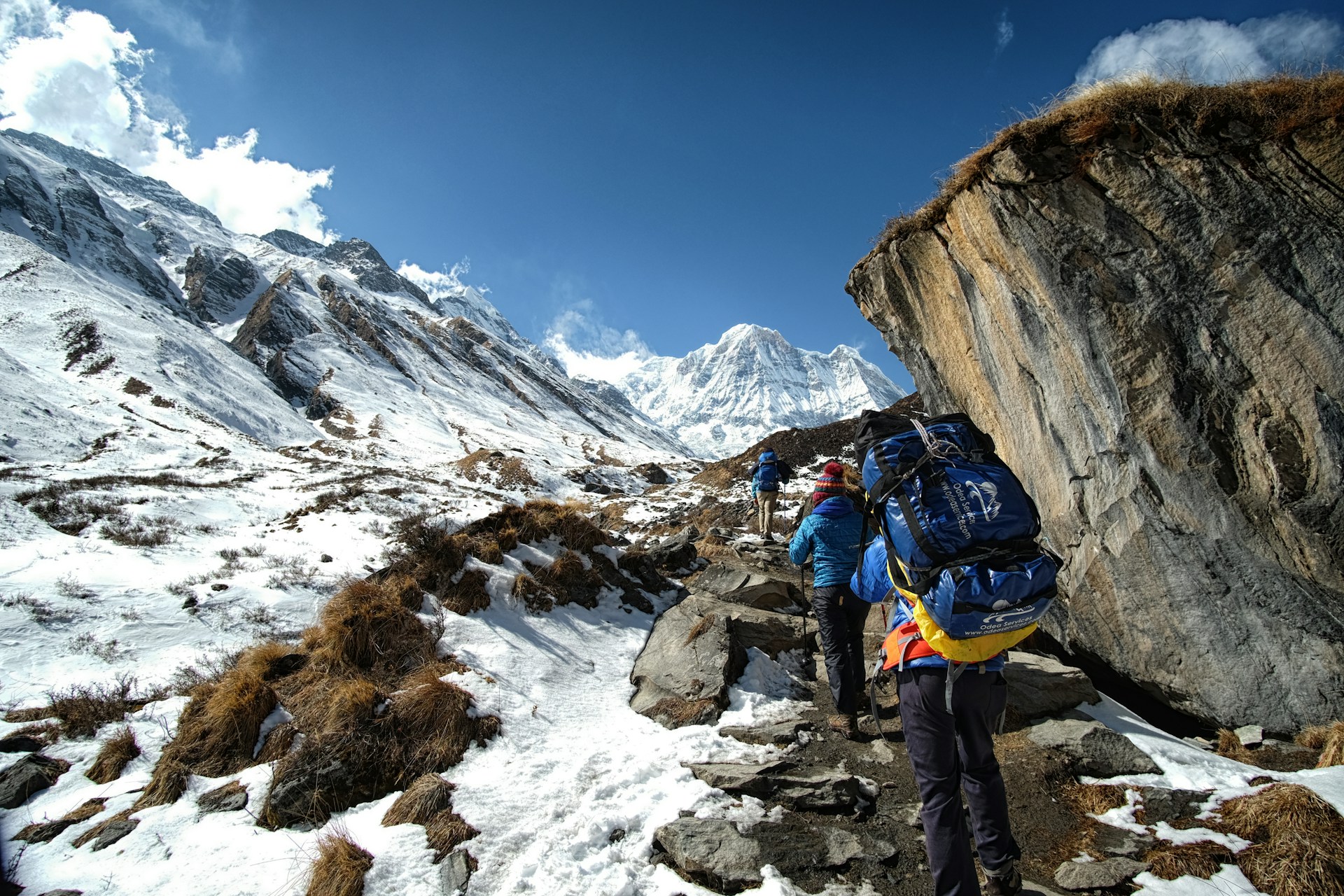
Autumn is the most busiest and best time for hiking in Nepal. After the monsoon rains, the weather gets clear and stable from September to November.
This season is often called the peak hiking season because it offers the best mix of weather, views, and trail safety.
Weather and Visibility:
- The sky is clear and there isn’t much rain.
- The days are cool and nice for long walks.
- Higher up, nights are colder, but lower down, they are comfortable.
- Mountain views are sharp and wide, perfect for photography.
Trail Conditions:
- The trails are clean and dry after the rainy season.
- The rivers and waterfalls are full, but it’s safe to cross them.
- The paths are easy to follow and well-kept.
Best Time for Beginners:
- When the weather is stable, there is less chance of problems caused by the weather.
- Clear views help hikers stay motivated and enjoy the journey.
- All of the tea houses and lodges are open and have good service available.
Cultural Experience:
- Major festivals like Dashain and Tihar fall in autumn.
- Villages are lively, colorful, and welcoming.
- Along the trails, hikers can enjoy local food, music, and customs making up for a very enriching, meaningful and memorable experience.
Things to Consider:
- Popular routes can be crowded, especially in October.
- Rooms and flights may fill up quickly.
- So during this time of year, it’s important to book early.
Why Autumn Stands Out:
- Best balance of weather, safety, and scenery.
- Good for all kinds of hikers, from beginners to experts.
- The best time for short hikes and long mountain treks.
Autumn offers the clearest views and the safest conditions for hiking in Nepal.
For first-time hikers, this season provides confidence, comfort, and unforgettable mountain experiences. If you plan ahead and pick the right support, hiking in the fall can be even more easier and fun.
Winter Season (December to February) – Cold but Scenic
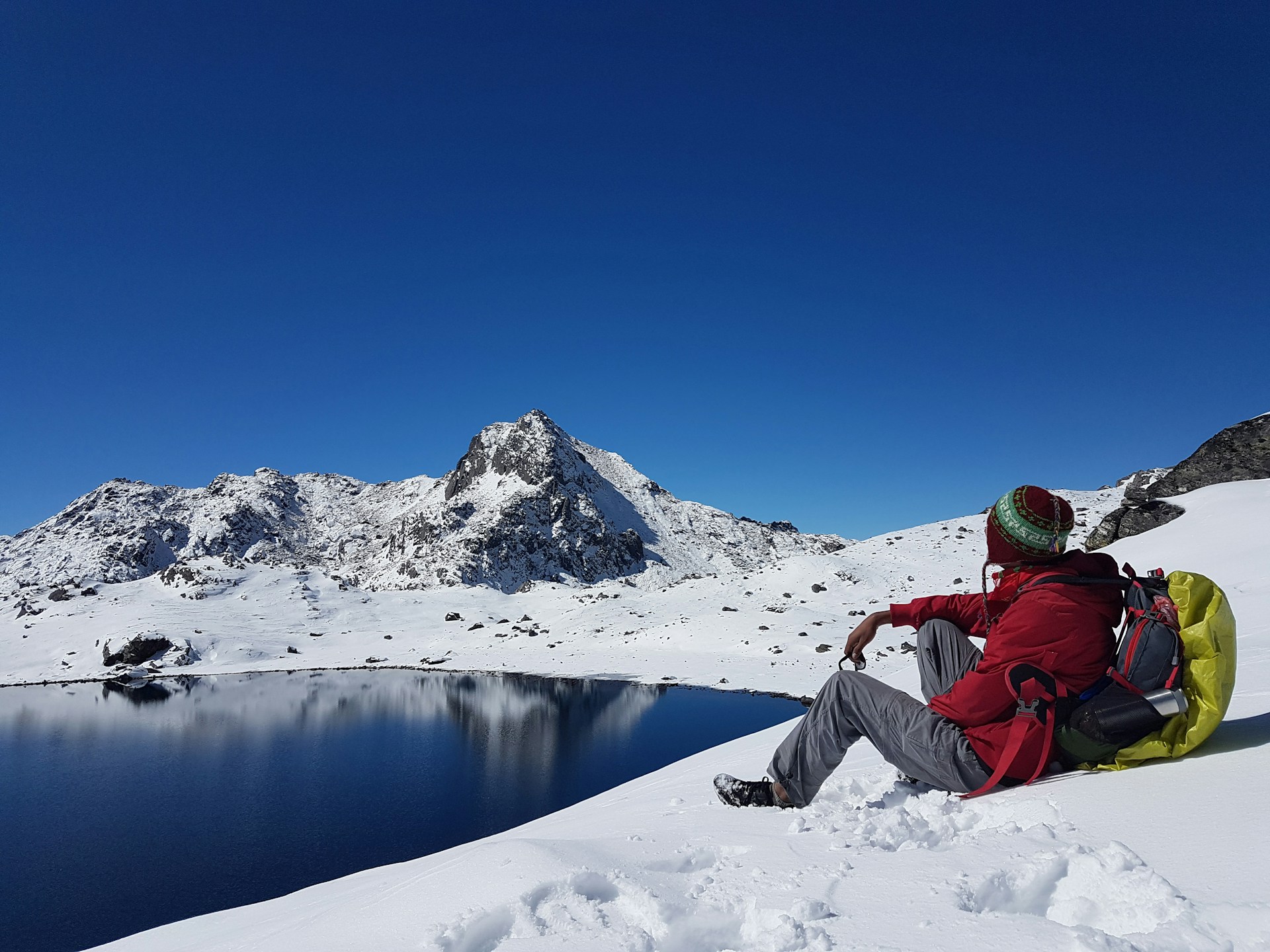
Winter in Nepal lasts from December to February. This season is colder, especially in the mountains, but it also offers clear skies and peaceful trails. Winter is a great time to explore lower and mid-altitude areas for hikers who like quiet paths and fresh air.
Weather and Temperatures:
- Days are usually sunny with blue skies.
- At night, it gets very cold, especially above 2,500 meters.
- It might snow on higher trails and mountain passes.
- In open areas, cold winds are common.
Trail Conditions:
- Lower-altitude trails remain open and safe.
- Snow and ice may block higher routes.
- Trails are quieter and less crowded as fewer people hike during this season.
Best Winter Hiking Areas:
- Short hikes near Kathmandu and Pokhara.
- Lower Annapurna and Langtang regions.
- Village walks and hill hikes with good views.
Advantages of Winter Hiking:
- Clear mountain views on sunny days.
- Quiet paths and calm towns.
- Prices for lodging and services are lower.
Challenges to Prepare For:
- Cold mornings and evenings.
- Limited access to high passes due to snow.
- Need for warm clothing and proper gear.
Tips for Winter Hikers:
- Start hikes later in the morning to avoid frost.
- Bring along a good jacket, warm layers, and gloves.
- Pick routes that have tea houses along the way.
Winter hiking is best for travelers who prefer calm surroundings and clear skies.
Cold weather makes high-altitude routes less accessible and more difficult to trek, definitely, but if you plan carefully, it gives hikers quiet, beautiful winter landscapes.
Best Hiking Trails in Nepal by Season
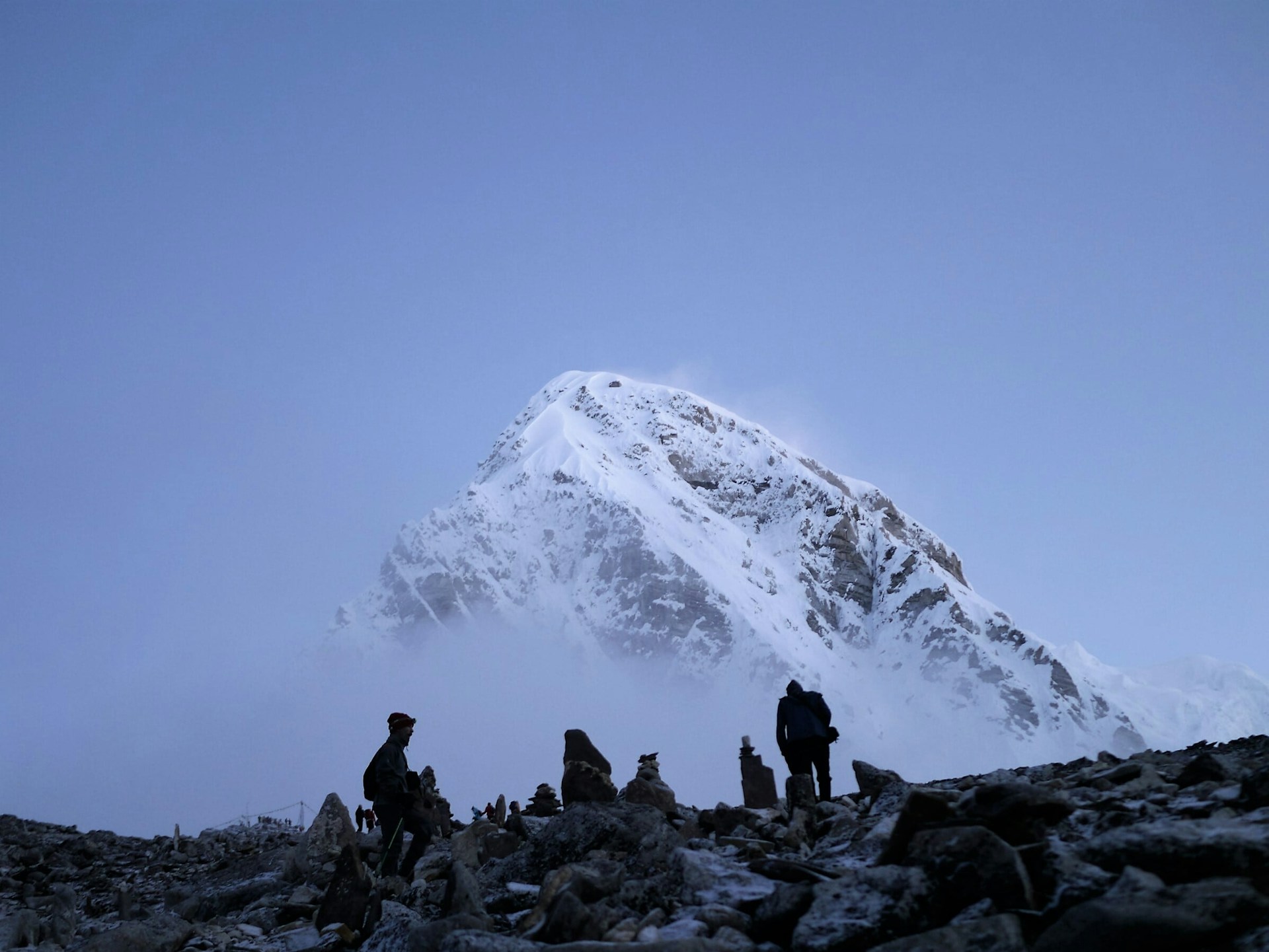
There are hiking trails in Nepal that are open all year round. Depending on the weather, the altitude, and the trail conditions, each season is better for different routes. Choosing the right trail for the right season helps hikers stay safe and enjoy better views.
Spring (March to May):
Spring is one of the best time for hiking in Nepal, this season is perfect for the colorful landscapes and comfortable weather.
- Ghorepani Poon Hill: Ghorepani Poon Hill is known for its rhododendron forests and the stunning views of the sunrise.
- Mardi Himal: Clear mountain views with mild temperatures.
- Langtang Valley (lower sections): Green trails and active villages.
Spring trails are ideal for beginners and nature lovers.
Summer / Monsoon (June to August):
Monsoon brings rain but also fresh greenery and quiet paths.
- Dhampus & Australian Camp: Short and safe hikes near Pokhara.
- Shivapuri Day Hike: Close to Kathmandu and suitable during breaks in rain.
- Upper Mustang: Upper Mustang is a good choice for the monsoon because it is in an area that doesn’t get much rain.
These trails are best for short hikes with flexible plans.
Autumn (September to November):
Autumn is regarded as the best time for hiking in Nepal and trekking along trekking routes.
- Everest Hike: Clear views and stable weather.
- Annapurna Base Camp (short sections): Safe trails and open lodges.
- Khopra Danda: Less crowded with wide mountain views.
This season suits beginners, families, and long-distance hikers.
Winter (December to February):
Winter is cold but offers peaceful trails and clear skies at lower altitudes.
- Nagarkot Hiking Trail: Easy walks with Himalayan views.
- Panchase Hike: Lower elevation and scenic forest paths.
- Lower Langtang Trails: Safe as long as you check the snow conditions.
Winter trails are best for short hikes with proper warm clothing.
Each season has a unique beauty to experience. By matching the trail to the season, hikers can enjoy Nepal’s landscapes safely and comfortably all year round.
What to Pack Based on Hiking Season
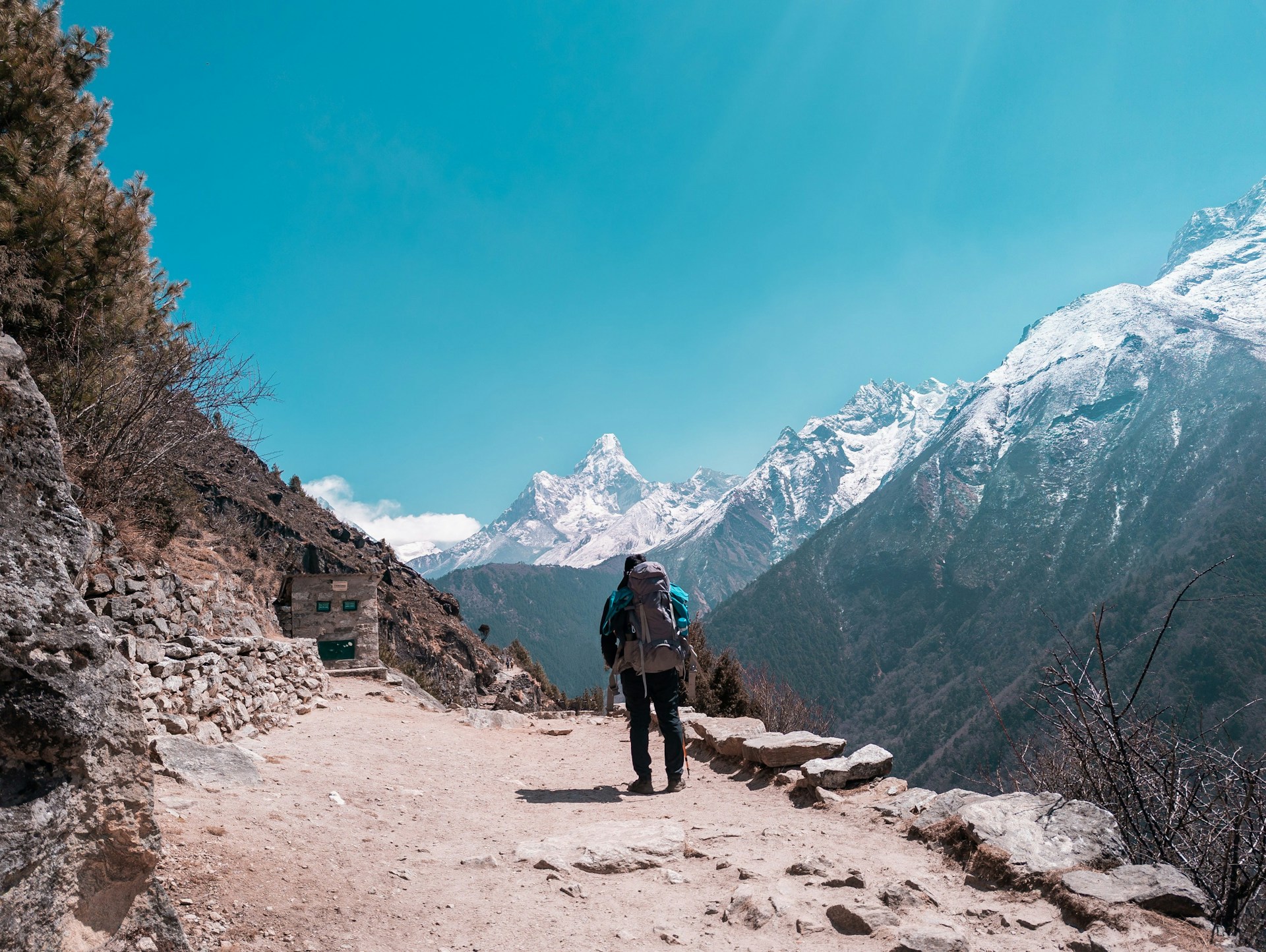
Packing the right items for the right season is very important when hiking in Nepal. Weather can change quickly, and each season needs different gear.
Below is a simple guide to help hikers pack wisely based on the hiking season.
Spring (March to May):
- Light layers for warm days and cool mornings.
- A fleece or light jacket for evenings.
- Comfortable hiking shirts and pants.
- Sun hat, sunglasses, and sunscreen for strong sunlight.
- Reusable water bottle and light rain jacket for short showers.
Summer / Monsoon (June to August):
- Waterproof jacket and rain pants.
- Quick-dry clothing to stay comfortable after rain.
- Good-quality waterproof hiking boots.
- Extra socks to keep feet dry.
- Insect repellent and a small towel.
- Dry bags or plastic covers to protect electronics.
Autumn (September to November):
- Layered clothing for cool mornings and warm afternoons.
- Warm jacket for higher elevations and evenings.
- Hiking gloves and a warm hat for colder days.
- Comfortable trekking boots and extra socks.
- Sun protection, as skies are very clear.
Winter (December to February):
- Heavy warm jacket, thermal layers, and fleece.
- Warm gloves, wool hat, and scarf.
- Thick socks and insulated hiking boots.
- Sleeping bag suitable for cold nights if trekking higher.
- Lip balm and moisturizer to protect from dry air.
All Seasons – Essentials:
- Small backpack, water bottles, first aid kit.
- Headlamp or flashlight.
- Trekking poles for balance and safety.
Packing smartly based on the season keeps hikers safe, warm, and comfortable. It also helps avoid carrying extra weight while enjoying Nepal’s beautiful hiking trails.
Final Conclusion – When Is the Best Time for Hiking in Nepal?
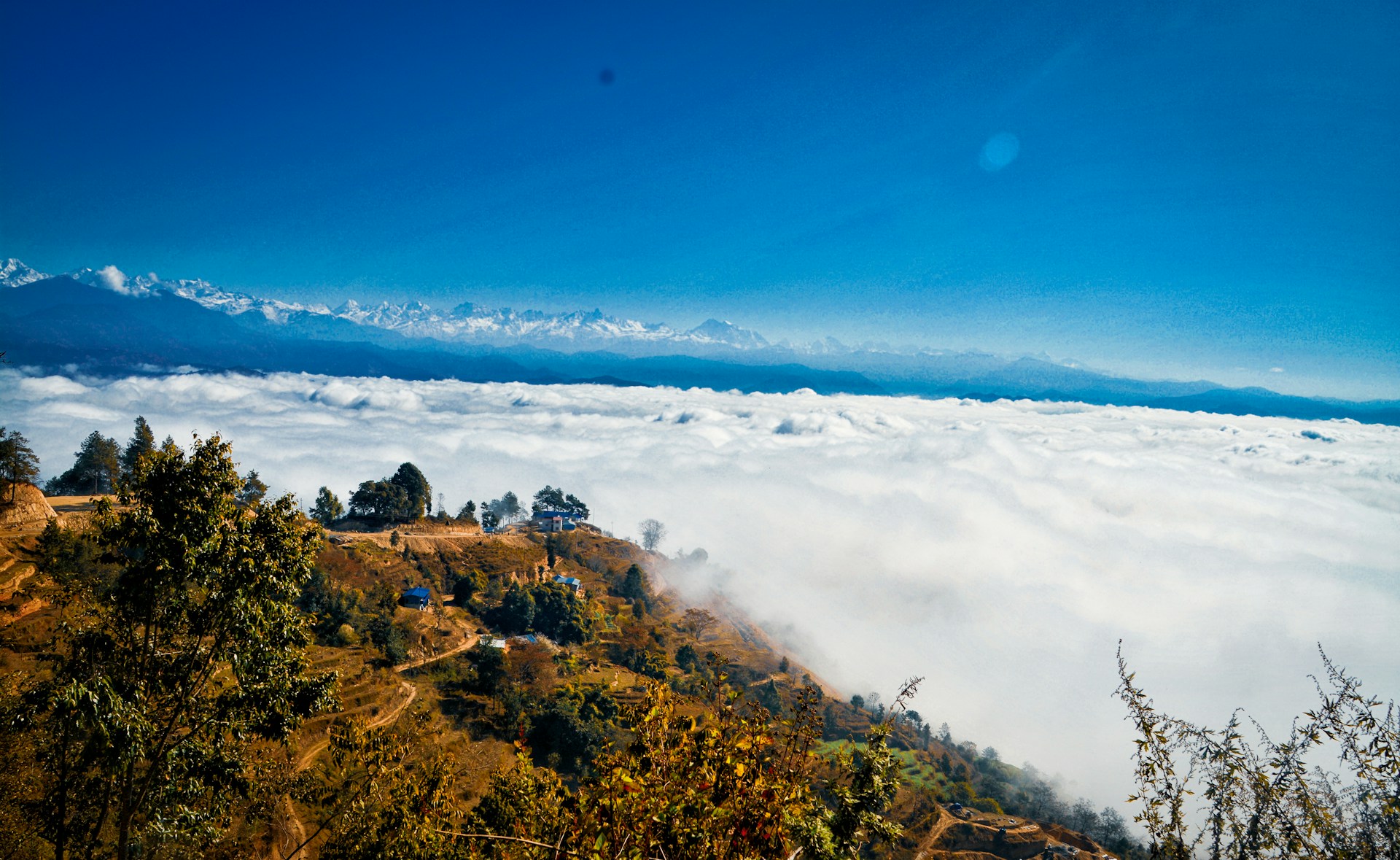
The best time for hiking in Nepal depends on weather, trail conditions, and what kind of experience you want. There are four distinct seasons in Nepal, and each one has its own unique things to do. Hikers can stay safe, see better views, and walk comfortably on the trails if they choose the right season.
For most hikers, spring (March to May) and autumn (September to November) are the best choices. The weather is nice, the skies are clear, and the trails are dry during these times. The best mountain views are available, and tea houses on popular routes are open. These seasons are perfect for beginners, families, and anyone hiking for the first time in Nepal.
Summer or monsoon season (June to August) is quieter and greener, but rain can make trails slippery and views limited. It suits hikers who prefer peaceful paths and flexible plans. Winter (December to February) is cold, especially at higher elevations. However, lower trails are still open and have clear skies and quiet surroundings for short hikes.
In the end, the best time for hiking in Nepal depends on your comfort with weather, altitude, and crowds. With good planning, proper gear, and the right season, hiking in Nepal can be safe and unforgettable.