

Best Time to do Tsum Valley Trek in Nepal in 2026
Introduction to Tsum Valley Trek
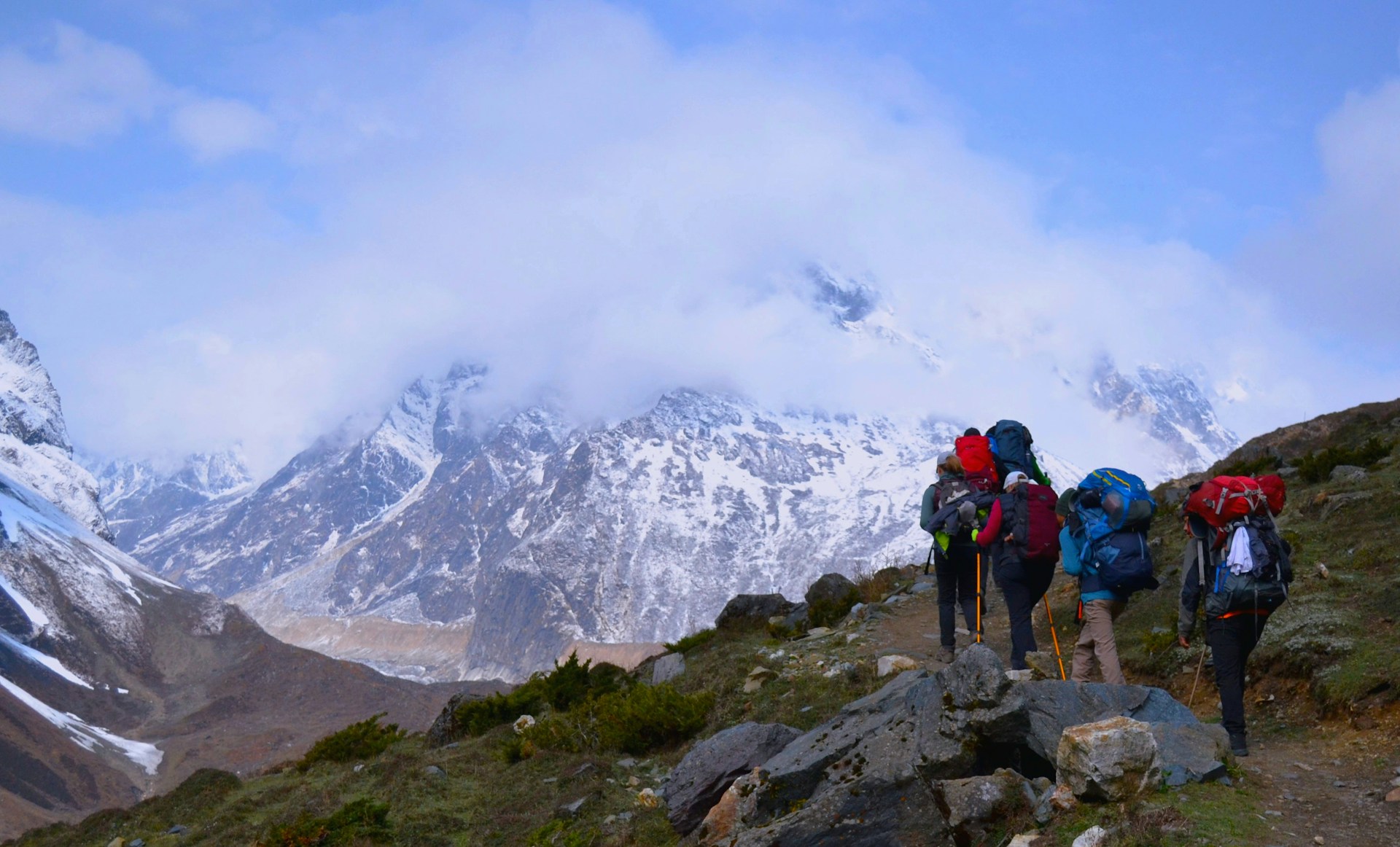
The Tsum Valley Trek is one of Nepal’s most unique and remote trekking experiences. This valley, which is in the northern section of the Gorkha area, is a hidden gem noted for its beautiful scenery, traditional Tibetan Buddhist culture, and peaceful monasteries. Unlike busier paths, Tsum Valley takes you on a calm tour through old towns, terraced farms, and high Himalayan passes, letting you see how people live up close.
This trek is part of the Tsum Valley and Manaslu Trek, giving adventurers a chance to explore both natural beauty and cultural heritage in a restricted area that requires special permits. Along the trail, trekkers can also witness beautiful Himalayan peaks, rivers fed by glaciers, and plants and animals that are only found in this area.
For those planning their adventure, understanding the best time to do Tsum Valley Trek in Nepal is essential. The best times to see the mountains clearly and enjoy nice weather are in the autumn and spring. In the winter and during the monsoon, it can be hard because it’s chilly or rainy.
Whether you are a beginner or an experienced trekker, this trail offers a rare mix of adventure, culture, and breathtaking scenery.
Where is Tsum Valley Located?
Tsum Valley is a remote and sacred Himalayan valley located in the Gorkha district of Nepal, near the northern border with Tibet. It is in the Manaslu Conservation Area, which is part of the greater Manaslu region. This means that it is a restricted trekking area that needs specific permissions to protect its culture and natural environment. The valley sits between 1,900 and 3,700 meters above sea level and is flanked by tall mountains including Boudhanath Himal, Ganesh Himal, and Ngadi Chuli. This makes for a beautiful and dramatic landscape.
The region is accessible from Soti Khola, a small town in the lower Gorkha district, which serves as the main starting point for the trek. From here, trekkers follow paths that go past terraced fields, rivers, and traditional villages where the Tsumba people live. They have kept their Tibetan Buddhist culture alive for hundreds of years.
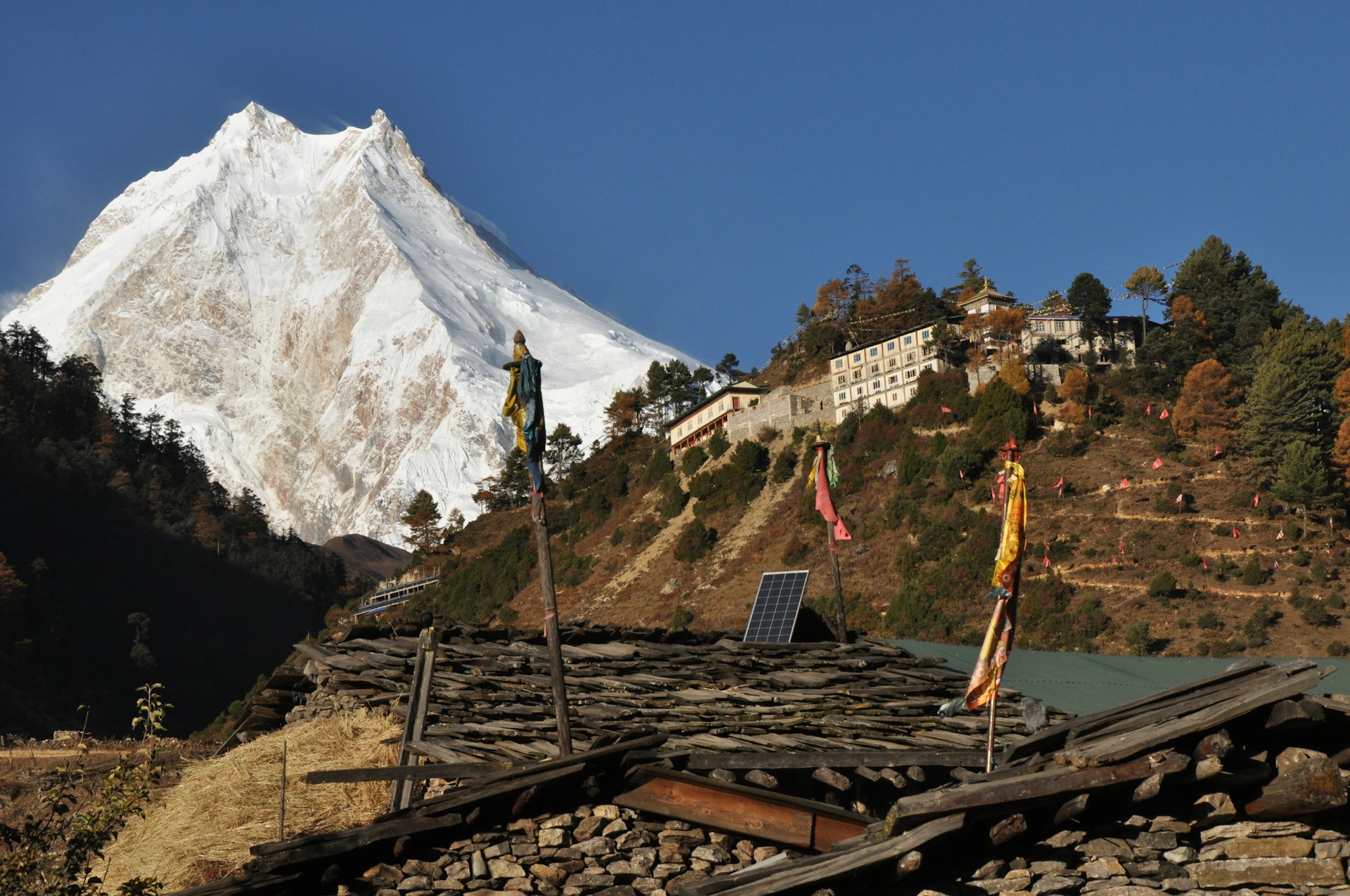
Tsum Valley is divided into Lower Tsum and Upper Tsum, each with unique characteristics. Lower Tsum contains mild hills, monasteries, and villages. Upper Tsum, on the other hand, is more distant, higher up, and has fewer people. It has rough routes and beautiful, untouched nature.
Its location within the Manaslu Conservation Area ensures the protection of its rich biodiversity, including Himalayan flora, fauna, and sacred forests. Travelers that trek through this valley get a rare chance to see a hidden Himalayan paradise that combines culture, nature, and adventure into one amazing trip.
Why Choosing the Right Season Is Crucial
Choosing the right season is one of the most important factors for a successful Tsum Valley Trek. The valley is located at high altitudes, ranging from 1,900 meters to 3,700 meters, and the weather can change quickly. If you go trekking at the wrong time of year, the trails may be slippery, there may be a lot of snow, or the beautiful Himalayan peaks may not be visible.
Choosing the right season ensures not only safety but also a memorable trekking experience. Clear skies, moderate temperatures, and scenic beauty make seasons like autumn and spring the best times to enjoy the valley fully.
Best Time to do Tsum Valley Trek in Nepal – Seasons
The Tsum Valley Trek is one of Nepal’s most interesting and culturally rich hikes. It takes you through beautiful Himalayan scenery and traditional Tibetan Buddhist settlements.. However, knowing about the best time to do Tsum Valley Trek in Nepal is crucial for safety, comfort, and enjoyment, as the region experiences distinct seasonal changes.
Choosing the right season ensures clear mountain views, manageable weather, and a smooth trekking experience.
Autumn (September–November)
- Autumn is considered the prime trekking season in Tsum Valley.
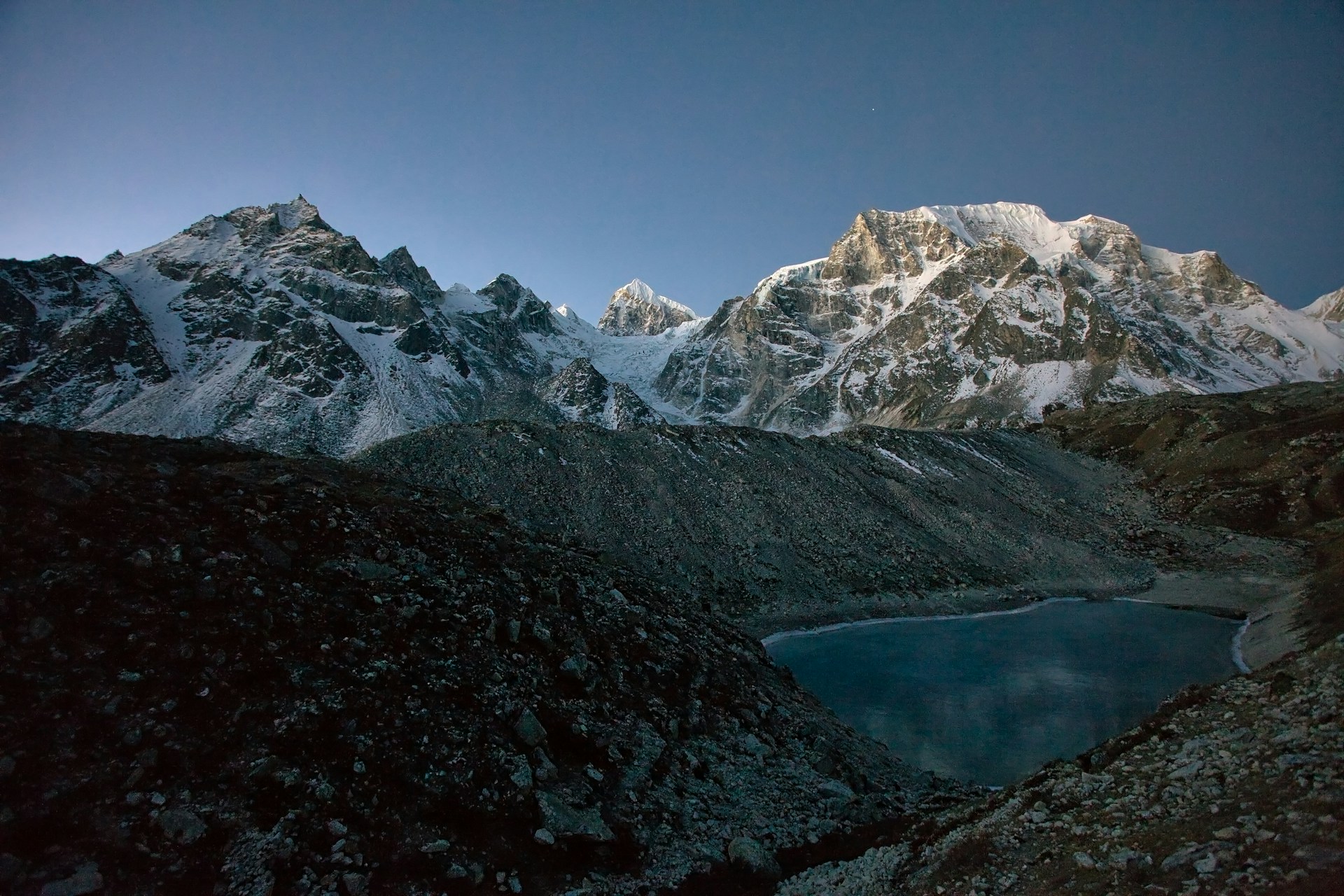
- The weather is consistent, and the clear sky provides you amazing views of Ganesh Himal, Boudhanath Himal, and other peaks.
- Temperatures are moderate during the day (10–20°C at lower elevations), but it can get cold at night at higher locations.
- Trails are dry, which lowers the chance of slips or landslides.
- The air is clear and crisp in the fall, which makes it a great time to take pictures.
Spring (March–May)
- Spring is another excellent season for trekking in Tsum Valley.
- Rhododendron trees along the pathways are in full bloom, making the countryside look bright and colorful.
- The weather is nice, with temperatures in the lower parts ranging from 8 to 18 degrees Celsius. This makes hiking easy.
- You can see more wildlife, and the streams and waterfalls are full of life from the melting snow.
- Spring offers a peaceful trekking experience, as trails are slightly less crowded than autumn.
Winter (December–February)
- Winter trekking is possible but challenging.
- Trails may be slippery at higher elevations because of snow, so you need the right gear.
- At higher altitudes, the temperature can drop below 0°C during the day..
- Lower regions are accessible, but cold nights and limited daylight make trekking less comfortable.
Monsoon (June–August)
- Monsoon is not recommended for Tsum Valley trekking
- Heavy rainfall causes slippery trails, landslides, and cloudy skies, blocking Himalayan views.
- The air is quite humid, which can cause rivers to rise and make crossing them dangerous.
For a safe, enjoyable, and visually stunning trekking experience, the best times to do Tsum Valley Trek in Nepal are autumn (September–November) and spring (March–May).
These seasons offer clear skies, comfortable temperatures, vibrant landscapes, and safer trails.
For first-time trekkers or those unfamiliar with restricted areas, agencies like Skyline Treks can help with permits, guides, and logistics to ensure a smooth and memorable journey.
Winter and Monsoon Considerations
While the Tsum Valley Trek is breathtaking year-round, winter and monsoon seasons present specific challenges that trekkers should carefully consider before planning their journey.
Understanding these conditions is essential for safety, comfort, and a successful trekking experience.
Winter (December–February)
- In the winter, temperatures in Tsum Valley can drop a lot, especially at higher altitudes. Nights often drop below 0°C.
- Higher paths may be covered with snow, which makes the hike treacherous and hard, especially in Upper Tsum.
- Lower areas are still open, but they might be cold, so you need to wear the right winter hiking gear, such as insulated jackets, gloves, and thermal layers.
- Trekkers need to arrange their daily distances carefully so they don’t have to hike in the dark because the days are shorter.
- Winter treks offer the advantage of fewer crowds and a peaceful, quiet valley experience, but the cold and snow require careful preparation.
Monsoon (June–August)
- The monsoon brings heavy rainfall to the region, causing muddy and slippery trails and increased risk of landslides.
- Crossing rivers and streams can be dangerous or even impossible when they swell.
- During the monsoon, clouds often block the beautiful views of the Himalayas, which are one of the best parts of the walk.
- It can be tough to trek during this time of year because of the high humidity and rainy circumstances. If there is flooding, it may be harder to find a place to stay.
The Tsum Valley Trek is not as good in the winter and monsoon seasons because of the cold, snow, rain, and safety issues. Trekkers seeking clear skies, safe trails, and comfortable temperatures are best advised to choose autumn (September–November) or spring (March–May).
Permits Required for Tsum Valley Trek
The Tsum Valley Trek is a restricted area trek in Nepal, which means special permits are required to preserve the valley’s culture, environment, and natural beauty.
Trekkers cannot enter the valley without official authorization, making it essential to secure permits before starting the journey.
1. Manaslu Conservation Area Permit (MCAP)
- The Tsum Valley lies within the Manaslu Conservation Area, so all trekkers must obtain the Manaslu Conservation Area Permit.
- The permit helps support local conservation efforts and maintenance of trekking infrastructure.
2. Restricted Area Permit (RAP)
- Because Tsum Valley is a restricted region, a Restricted Area Permit is required in addition to the MCAP.
- The permit ensures controlled tourism, protecting the local Tsumba communities and monasteries.
3. TIMS Card (Trekkers’ Information Management System)
- Trekkers must also have a TIMS card, which keeps track of their personal information and trekking routes for safety.
Additional Notes:
- Permits can only be issued in Kathmandu or by registered trekking agencies, such as Skyline Treks, who can handle the application process.
- Trekkers must carry photocopies of passports and passport-sized photos for permit approval.
- It is highly recommended to use a guide or travel agency like Skyline Treks because permits are required and severely enforced by the local government.
Securing these permits is essential for a legal, safe, and hassle-free Tsum Valley Trek, ensuring you can explore the valley’s pristine landscapes and cultural heritage without interruption.
Altitude and Difficulty Factors
The Tsum Valley Trek is considered a moderate trekking route in the Himalayas. Even while it isn’t as hard as some high-altitude treks, trekkers should nevertheless be ready for long days of walking, shifting terrain, and higher altitudes as they go deeper into the valley.
The trek usually starts around 700–900 meters in the lower Gorkha region and gradually climbs to about 3,700 meters in Upper Tsum. Most trekkers can handle the moderate rise in altitude if they keep a steady pace and take rests as needed.
Key difficulty factors include:
- Altitude: The air gets thinner as trekkers go higher. Some people may have modest symptoms like being weary or having trouble breathing. To lower your risk of altitude sickness, walk gently and drink plenty of water.
- Trail Conditions: The route includes forest paths, suspension bridges, rocky trails, and hillside tracks. Some sections may be narrow or uneven.
- Daily Trekking Hours: Trekkers usually walk 5–7 hours per day, depending on the itinerary and pace.
- Remote Location: Tsum Valley is a restricted and less developed trekking area, so facilities can be basic compared to popular routes.
With good preparation, moderate fitness, and proper guidance from agencies like Skyline Treks, most trekkers can comfortably complete the journey and enjoy the peaceful beauty of Tsum Valley.
Accommodation and Facilities Along the Route
During the Tsum Valley Trek, trekkers stay mainly in small teahouses and local lodges along the trail. Because the valley is hard to get to and not very busy, the facilities are basic yet comfortable enough for hikers. Local families frequently run these teahouses, which have a warm and welcoming ambiance.
Most villages along the route offer basic accommodation with twin-sharing rooms. The beds usually come with blankets, pillows, and mattresses, but it’s best to bring a sleeping bag, especially in the winter.

Common facilities available on the trail include:
- Meals: Teahouses serve simple but nutritious food such as dal bhat (rice, lentils, and vegetables), noodles, soups, potatoes, and tea.
- Hot drinks: Tea, coffee, and herbal drinks are widely available and help keep trekkers warm.
- Charging stations: Some lodges offer electricity or solar power for charging devices, often for a small fee.
- Basic toilets and washing areas: Most villages provide shared bathroom facilities.
As trekkers go farther into Tsum Valley, there are fewer lodges and the ones that are there have fewer amenities. But the Tsumba people’s friendliness makes the trip unforgettable.
Travel Tips for Tsum Valley Trek in 2026
The Tsum Valley Trek is a beautiful and remote adventure in the Himalayas. Because this area is less developed and has limited access for trekkers, it’s highly vital to be well-prepared. These easy travel suggestions will help you have a safer and more fun trip in 2026.
Plan the right trekking season:
- The best time to do Tsum Valley Trek in Nepal is in spring (March–May) and autumn (September–November).
- These months include beautiful skies, pleasant temperatures, and the greatest views of the mountains.
Arrange permits in advance:
- Tsum Valley is a restricted trekking region in Gorkha, so special permits are required.
- It is easiest to arrange permits through a registered trekking company.
Hire a guide or agency:
- The trails are far away, so a guide can help you find your way, talk to people in the area, and be safe.
- Agencies like Skyline Treks can organize permits, guides, accommodation, and transportation.
Pack essential gear:
- Bring warm clothing, sturdy trekking boots, a sleeping bag, and a rain jacket.
- Weather can change quickly in the mountains.
Take altitude seriously:
- As the altitude rises, walk gently and give your body time to get used to it.
- Drink a lot of water and take breaks when you need to.
Respect local culture:
- The valley has strong Tibetan Buddhist traditions.
- Wear modest clothes, observe the norms of the monastery, and ask to take pictures.
With good preparation and planning, the Tsum Valley Trek can be a peaceful and unforgettable Himalayan adventure.
Conclusion to Best Time to do Tsum Valley Trek in Nepal
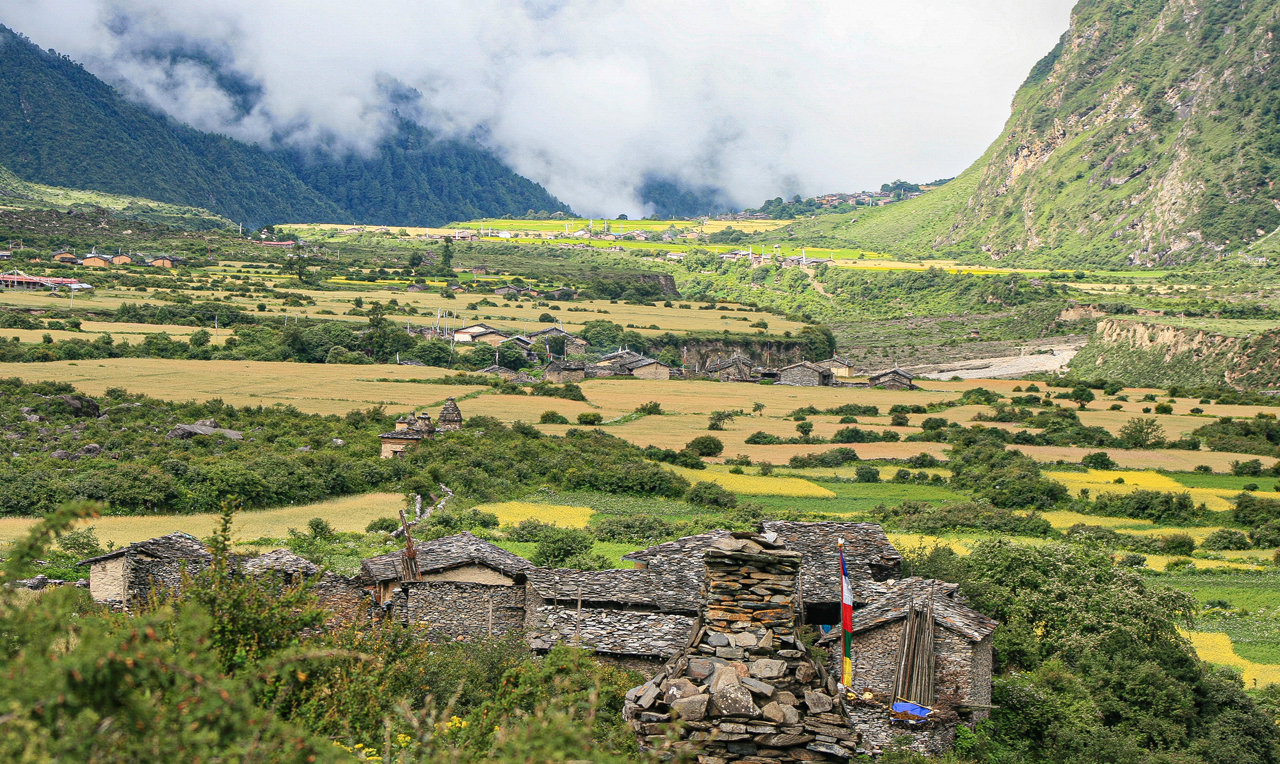
The Tsum Valley Trek is one of Nepal’s most peaceful and culturally rich Himalayan adventures. Choosing the right season plays a very important role in making the journey safe, comfortable, and enjoyable. The valley is far away, high up, and the weather changes a lot in the mountains. Because of this, planning your walk well can make the whole experience much better.
For most travelers, the best time to do Tsum Valley Trek in Nepal is during spring (March to May) and autumn (September to November). The weather is usually nice for walking, the skies are clear, and the paths are safer during these months. In the spring, the rhododendron woods blossom and the landscapes are full of color. In the autumn, the air is crisp and the mountains look great after the monsoon rains.
Although trekking is still possible during winter or monsoon months, these seasons come with challenges such as snow, cold temperatures, heavy rainfall, and slippery trails. For this reason, they are less recommended, especially for first-time trekkers.
With support from experienced agencies like Skyline Treks, trekkers can organize permits, guides, and logistics to ensure a smooth and memorable journey in this hidden Himalayan valley.
By planning your Tsum Valley trek in the right season and preparing properly, you can fully enjoy the natural beauty, traditional villages, and spiritual atmosphere of the valley.