

Gorkha Manakamana Temple: Complete Guide for Pilgrims and Visitors
Introduction to Gorkha Manakamana Temple
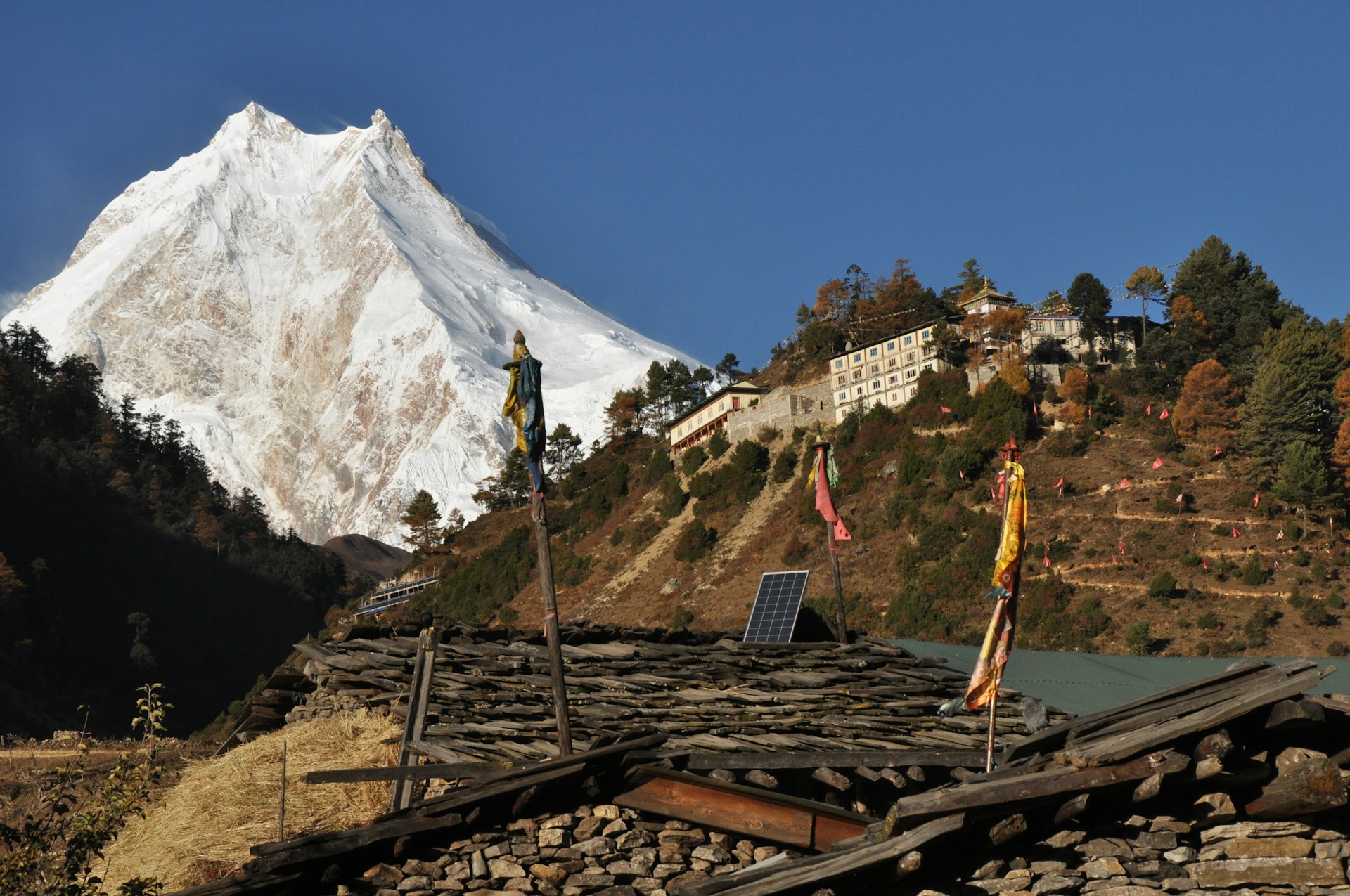
The Gorkha Manakamana Temple is one of the most famous Hindu temples in Nepal and a popular Gorkha pilgrimage site. Dedicated to the goddess Manakamana, the temple is believed to fulfill the wishes of devotees who visit with devotion and faith. The temple has been around for hundreds of years and is very important to both residents and tourists.
The manakamana temple idol is the main attraction, where worshippers offer prayers and traditional rituals. Many people take the Manakamana Cable Car to go to the temple., since the ride provides a scenic view and gives a unique experience before getting to the mountaintop shrine.
Situated in a peaceful, hilly setting, the temple is not only a spiritual destination but also a cultural and natural highlight of the Gorkha region. While learning about Nepalese faith and culture, visitors can enjoy the peaceful setting, stunning views, and traditional ceremonies.
Where Is Gorkha Manakamana Temple Located?
The Gorkha Manakamana Temple is located in the Gorkha District of Nepal, about 108 kilometers west of Kathmandu, the nation’s capital. It is on a hilltop about 1,300 meters (4,265 feet) above sea level, which gives it amazing views of the nearby hills, forests, and mountains in the distance. You can plainly tell that the temple is a pagoda-style building and that it is very lively during festivals.
This temple is one of the most important Gorkha pilgrimage sites, attracting thousands of devotees and tourists every year. It is dedicated to the goddess Manakamana, who is said to grant the requests of her worshipers. The site is both spiritually important and beautiful, which is why many people go there to pray and look about.
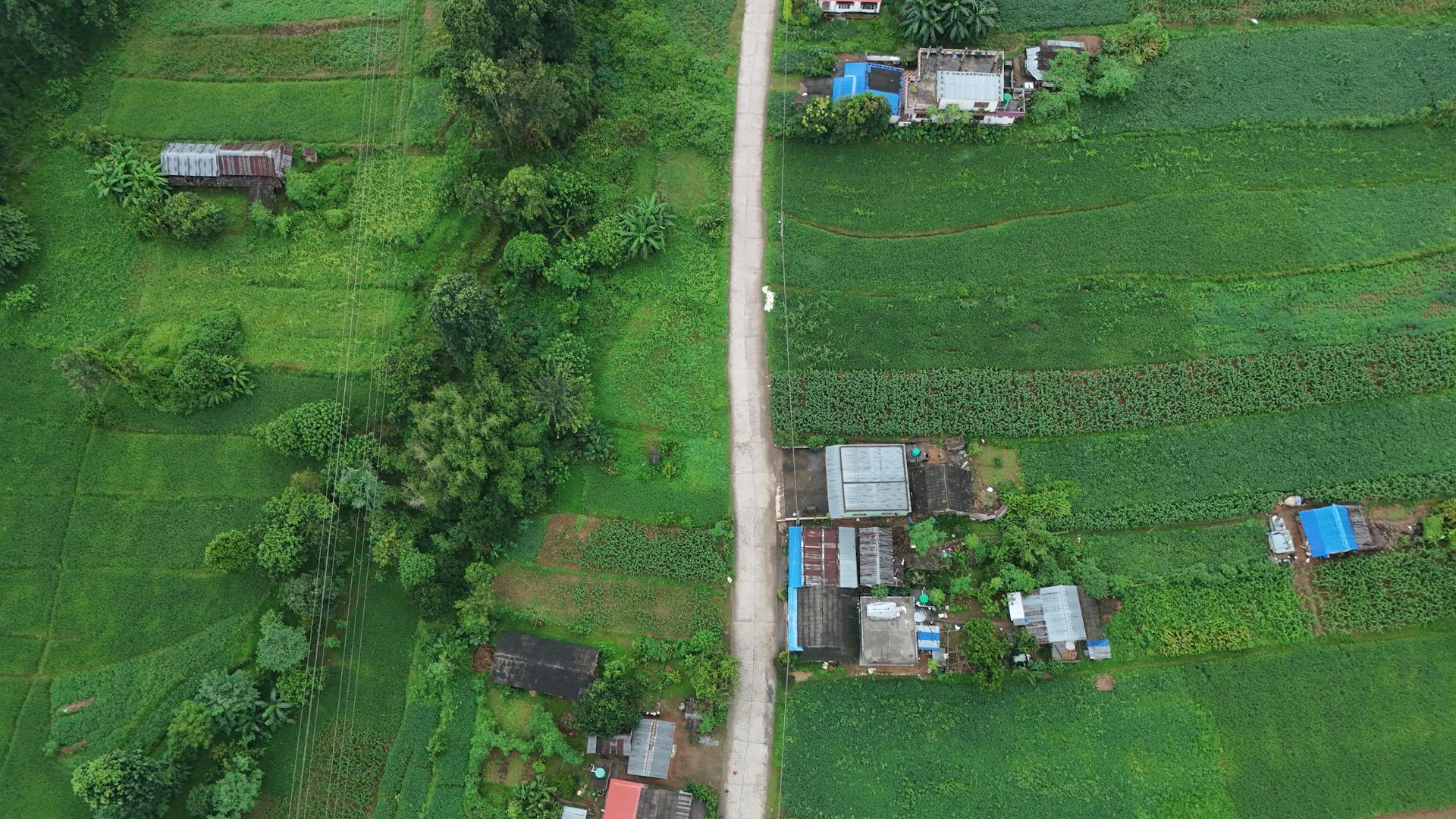
Visitors can reach the temple either by a steep hiking trail from the base village or by using the Manakamana Cable Car, which is one of the first cable car systems in Nepal. The cable car provides a quick, scenic ride up the hill, making the temple accessible to people of all ages and physical abilities.
The hilltop location gives visitors a 360-degree view of the nearby Gorkha hills and forests, which makes the place feel calm and quiet.
History and Religious Significance Gorkha Manakamana Temple
The Gorkha Manakamana Temple is one of the most important Hindu temples in Nepal, with a rich history and deep religious significance. The temple is dedicated to Bhagavati, an avatar of Parvati, the wife of Lord Shiva. The name “Manakamana” means “wish-fulfilling goddess.”
Devotees believe that visiting the temple with a pure heart can make their wishes come true, making it a major Gorkha pilgrimage site.
Key historical and religious points include:
- Legend of the Goddess: A local priest saw the goddess hundreds of years ago and told him that she would grant the wishes of her followers.
- Traditional Worship: Devotees perform rituals, offer flowers, fruits, and in some cases, animal sacrifices as part of their devotion.
- Festivals: During Dashain and other important Hindu holidays, thousands of pilgrims come to the temple to pray and do other religious activities.
- Sacred Idol: The Manakamana temple idol is the main focus of worship and symbolizes divine protection and blessings.
- Cultural Significance: The temple keeps traditional Nepalese rites and customs alive, linking tourists to the country’s history and beliefs.
The temple is on a hilltop, which gives it a peaceful and spiritual environment and lets you see the Gorkha hills and forests all around it.
With modern facilities like the Manakamana Cable Car, pilgrims and travelers can reach the temple conveniently while enjoying the cultural and natural beauty of the region.
How to Reach Gorkha Manakamana Temple
The Gorkha Manakamana Temple Nepal is located in the Gorkha District, about 108 kilometers west of Kathmandu. Getting to this well-known pilgrimage destination isn’t too hard, and travelers have a lot of choices based on how much comfort, adventure, and sightseeing they want.
By Road:
- Travelers can take a bus or private car from Kathmandu to Kurintar, the base station of the Manakamana Cable Car.
- The trip usually takes 3 to 4 hours and goes through beautiful countryside and small towns along the Prithvi Highway.
- Public buses run every day, although private automobiles and taxis are more flexible and convenient.
By Cable Car:
- From Kurintar, visitors can take the Manakamana Cable Car, the first cable car system in Nepal.
- The ride is about 10 minutes and offers panoramic views of the surrounding Gorkha hills, rivers, and forests.
- The cable car makes it easy for people of all ages to get to the temple without having to climb a high hill.
By Foot:
- For adventure seekers, it is possible to hike from Kurintar to the temple.
- The hike is hard and takes one to two hours, depending on how fast you go.
- Along the trip, hikers can see beautiful views, lush forests, and little villages.
Manakamana Cable Car Experience
The Manakamana Cable Car is one of the most unique and popular ways to reach the Gorkha Manakamana Temple. It opened in 1998 and was Nepal’s first cable car system.
Since then, it has become a famous part of visiting this holy site. The ride not only lets everyone, including the old and disabled, get to the temple on the mountaintop comfortably, but it also gives you stunning jaw dropping views of the Gorkha hills, rivers, and woods along the route.
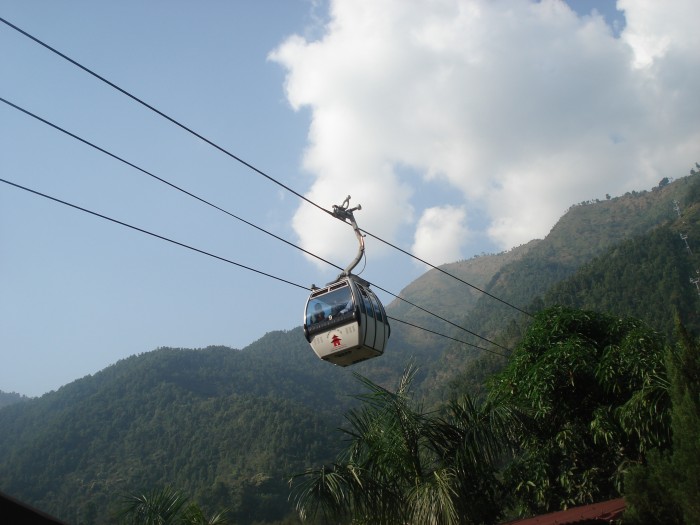
The cable car starts from Kurintar, the base station, and takes about 10 minutes to reach the temple hilltop. Each cabin comfortably accommodates 6–8 passengers, allowing groups and families to ride together.
As the cable car ascends, travelers enjoy a panoramic view of the surrounding valleys, terraced fields, and the Trishuli River flowing below. On clear days, you can also view the distant peaks of the Himalayas, which makes the trip both beautiful and useful.
Highlights of the cable car experience include:
- Scenic Ride: A smooth and enjoyable ascent with wide-open views of natural landscapes.
- Safety and Comfort: Modern cabins are safe, well-maintained, and provide shelter from sun, wind, and rain.
- Time-Saving: It takes 1–2 hours to walk up the steep slope to the temple, but the cable car gets you there in minutes.
- Cultural Immersion: On reaching the top, visitors are immediately welcomed by the manakamana temple idol and traditional rituals, giving a quick transition from travel to spiritual experience.
The cable car operates daily, with regular intervals between trips. Tickets are reasonably priced and can be purchased at the base station.
Manakamana Cable Car offers a perfect combination of scenic beauty, cultural significance, and easy access, making the pilgrimage to the Gorkha Manakamana Temple enjoyable for visitors of all ages.
Best Time to Visit Gorkha Manakamana Temple
Visiting the Manakamana Temple can be a memorable experience at any time of the year, but certain seasons offer the best conditions for a comfortable and enjoyable trip.
The best times to go to Gorkha Manakamana Temple are in the spring (March to May) and autumn (September to November), when the weather is nice, the skies are clear, and the hills around it are colorful and beautiful.
Spring (March–May):
- Temperatures are mild, making walking and exploring comfortable.
- Rhododendrons and other flowers grow in the nearby woodlands, making the scenery more colorful.
- When the sky is clear, you can see the Gorkha hills and the mountains far away very well.
Autumn (September–November):
- The post-monsoon season provides fresh, clear air and good visibility.
- After the monsoon rains have swept away dirt and debris, trails and roadways are safer.
- During this time of year, festivals and cultural events provide you a better look at local customs.
Other considerations:
- Winter (December–February): Cold temperatures and occasional fog may reduce visibility and comfort.
- Monsoon (June–August): Heavy rain can make trails slippery and river crossings hard, but you can still get to the temple by taking the Manakamana Cable Car.
Planning your visit during spring or autumn ensures a safe, pleasant, and visually stunning experience.
Nearby Attractions Around Manakamana
The Gorkha Manakamana Temple is not only a spiritual destination but also a gateway to explore the beautiful Gorkha region of Nepal. Surrounded by lush hills, rivers, and cultural landmarks, the area offers several attractions that make a visit even more rewarding.
Whether you are interested in nature, culture, or adventure, there is something nearby for every traveler.
- Trishuli River:
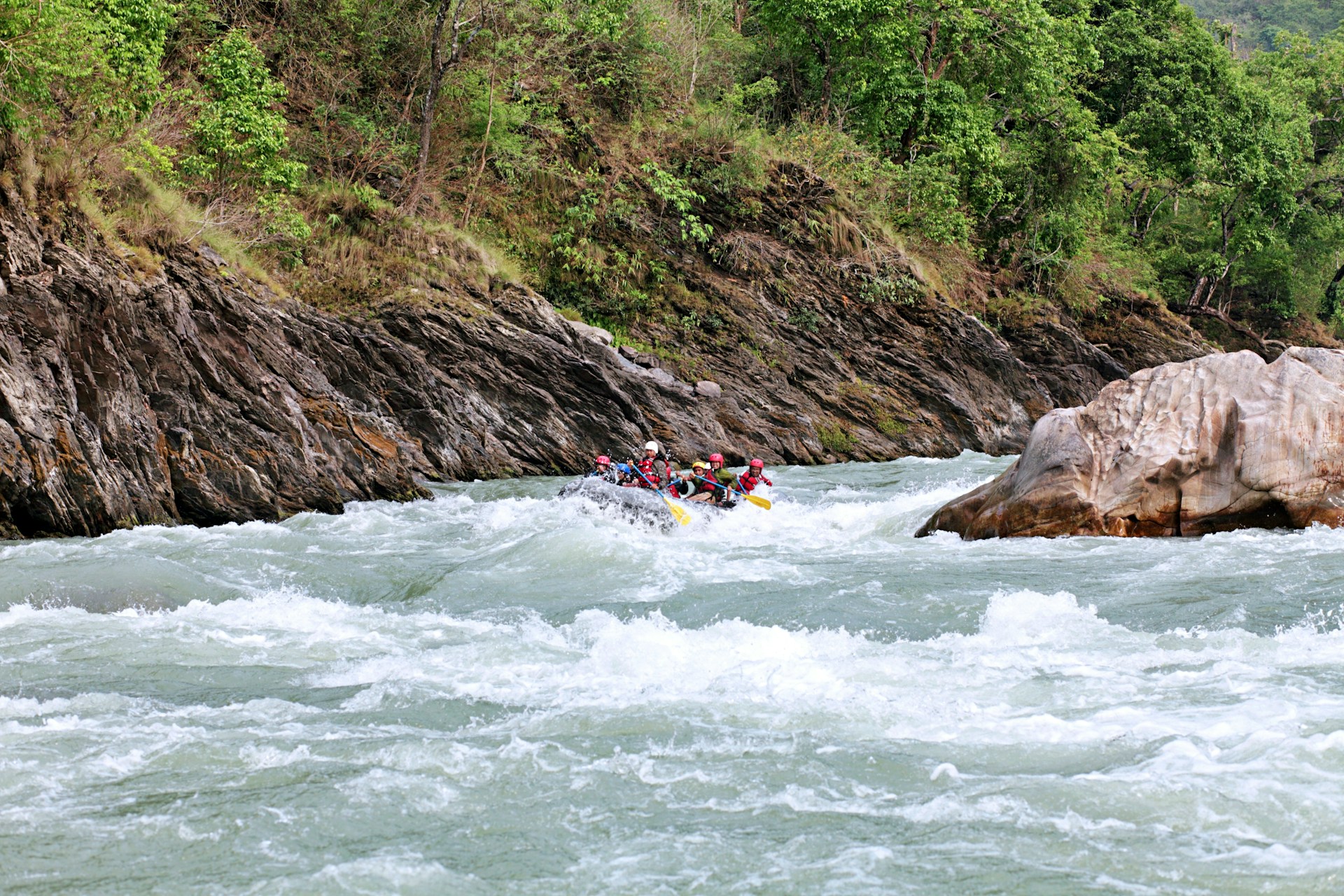
- The Trishuli River is close to Kurintar and is known for its white-water rafting and picnics along its banks.
- It is an exciting place for people who love adventure, and it makes a beautiful start or end to a pilgrimage trip.
- Gorkha Durbar (Gorkha Palace):
- A short drive from the temple, the historic Gorkha Durbar is the birthplace of King Prithvi Narayan Shah, the unifier of Nepal.
- Visitors can walk about the historic palace and the temples that are part of it. They can also see the hills and valleys around it from all sides.
- Barpak Village:
- A traditional Nepalese hill village, Barpak showcases local culture, stone houses, and terraced farms.
- The village offers a glimpse of rural life in the Gorkha region and is perfect for trekking and photography.
- Manakamana Cable Car Viewpoints:
- Even before reaching the temple, the cable car ride offers stunning views of forests, rivers, and terraced hillsides.
- There are a lot of great places to take pictures and pause for a little nature break along the cable car route.
- Chhoprak and nearby hills:
- The hills around Manakamana are great for short excursions and have stunning views of the Trishuli River Valley.
- These routes are less busy, so tourists can enjoy the calm, natural beauty of the area.
- Local Markets and Temples:
- There are small local markets in nearby towns where guests can taste native delicacies, handicrafts, and other goods.
- There are many more minor temples nearby that show the Hindu and Buddhist culture of Gorkha.
Visiting these attractions adds depth to the pilgrimage experience, allowing travelers to combine spirituality, culture, and adventure in one trip.
These nearby attractions make Manakamana a destination not just for devotion but also for exploration, photography, and experiencing the natural and cultural beauty of Gorkha District.
Travel Tips for Pilgrims and Visitors
Visiting the Gorkha Manakamana Temple is a unique spiritual and cultural experience. To make your journey safe, enjoyable, and meaningful, it’s helpful to follow a few practical tips.
- Plan Your Visit:
- The best time to visit Gorkha Manakamana Temple is during spring (March–May) or autumn (September–November) when the weather is clear and comfortable.
- To prevent having to wait in huge lines, check the cable car’s hours of operation ahead of time.
- Dress Appropriately:
- Wear modest clothing as the temple is a sacred site.
- If you choose to hike from Kurintar instead of riding the Manakamana Cable Car, you should wear comfortable shoes.
- Respect Local Customs:
- Remove shoes before entering the temple.
- Avoid touching the manakamana temple idol or sacred objects unless permitted.
- Be respectful of devotees performing rituals and prayers.
- Health and Safety:
- Bring water and light snacks to keep your energy up, especially on the way up.
- Wear a hat and sunscreen to protect yourself from the sun at the top of the hill.
- Photography:
- You can take pictures in most places, but don’t take pictures of people worshiping without their permission.
Following these tips ensures a safe, respectful, and memorable pilgrimage to the Gorkha Manakamana Temple, letting visitors enjoy both the spiritual and natural beauty of the region.
Conclusion – Why Gorkha Manakamana Temple Is a Must-Visit Spiritual Destination
The Gorkha Manakamana Temple stands as one of Nepal’s most cherished Hindu temples and a significant Gorkha pilgrimage site. With its long history, spiritual significance, and stunning hilltop location, it offers an experience that combines devotion, culture, and natural beauty. Every year, thousands of pilgrims and visitors come to see the temple’s primary manakamana idol, which stands for blessings and the fulfillment of wishes.
Beyond its religious importance, the temple provides breathtaking panoramic views of the surrounding Gorkha hills, forests, and valleys. The Manakamana Cable Car makes the trip easy and offers beautiful views, making it a great choice for both spiritual searchers and others who want to take pictures and see the scenery.
Nearby attractions such as Trishuli River, Gorkha Durbar, and traditional villages enhance the visit, allowing travelers to explore local culture and natural beauty.
Visiting the temple is more than a pilgrimage; it is an opportunity to connect with Nepalese heritage, witness traditional rituals, and enjoy serene landscapes.