

Restricted Area Treks in Nepal: Top Treks You Must Know About in 2026
Introduction to Restricted Area Treks in Nepal
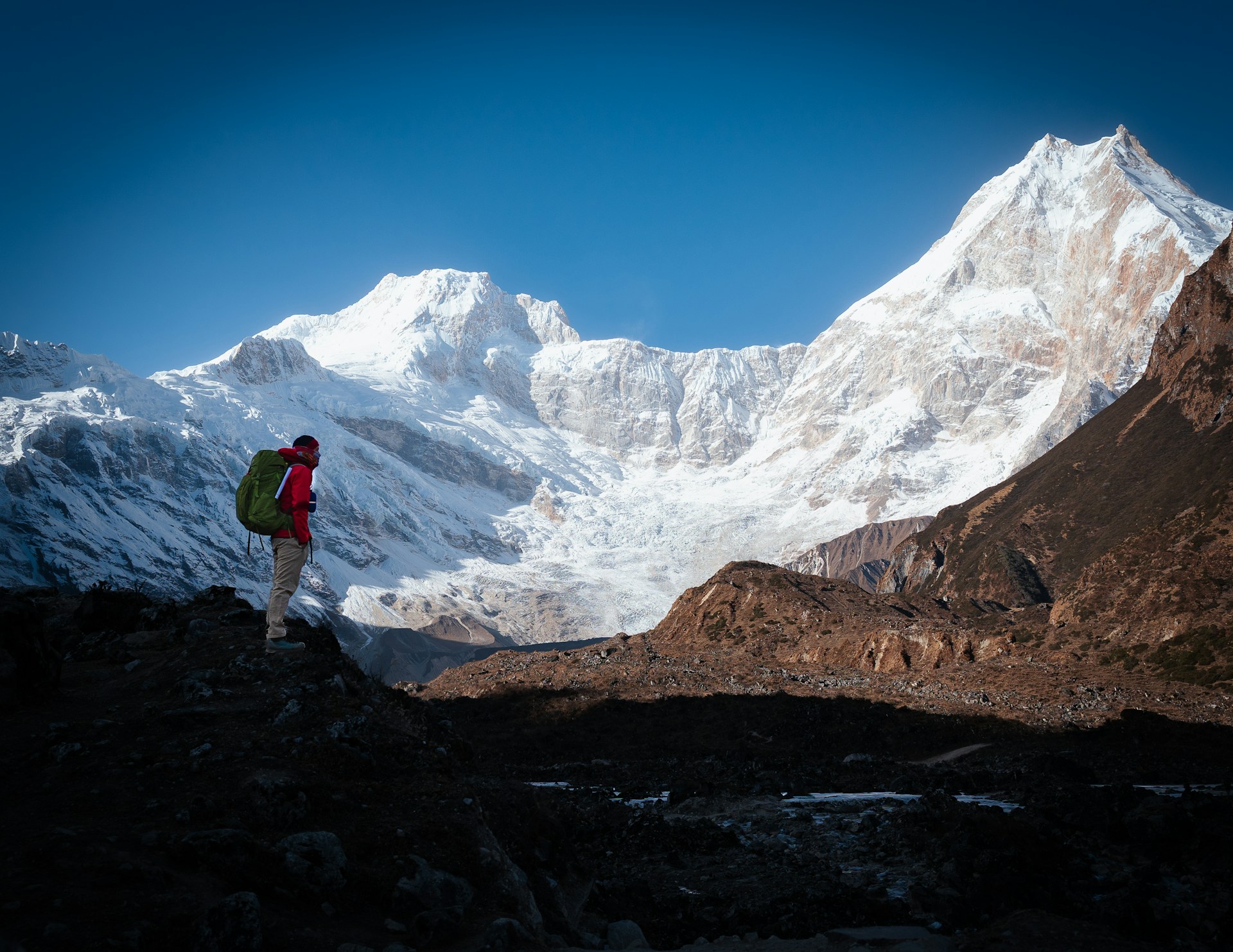
Restricted Area Treks in Nepal are special trekking routes that take you to remote and less-visited parts of the country. The government protects these areas to keep the culture, nature, and border security safe. Because of this, trekkers need special permits and must go with a registered guide. This keeps the trip safe, well-planned, and respectful of the people who live there.
Many travelers choose restricted area treks in Nepal to experience true wilderness and unique mountain cultures. The Upper Mustang trek and the Manaslu Circuit trek are two popular routes that go through old villages, high mountain passes, and stunning scenery that feels far away from busy tourist trails. These hikes let you see how people lived in the past, which hasn’t changed in a long time.
These restricted routes are often called off-the-beaten-path treks in Nepal because they are quieter and more adventurous than common trekking trails. They are great for hikers who want something different and not too many other people.
In the following sections, we will explore routes, permits, costs, and travel tips. For a safe and well-planned journey, you can also consult trusted travel agencies like Skyline Treks.
Why Choose Restricted Area Treks
Restricted area treks are a great choice for travelers who want a unique and peaceful trekking experience in Nepal. These paths lead you to remote mountain areas where not many tourists go, so the trails feel quiet, clean, and close to nature. You can see traditional villages, old monasteries, and untouched landscapes that show what the Himalayas are really like.
One main reason to choose restricted area treks is the chance to explore hidden cultures and local lifestyles. These places have their own languages, holidays, and customs that are different from those in popular trekking areas. You can learn about the history and daily life of mountain communities by walking through these villages.
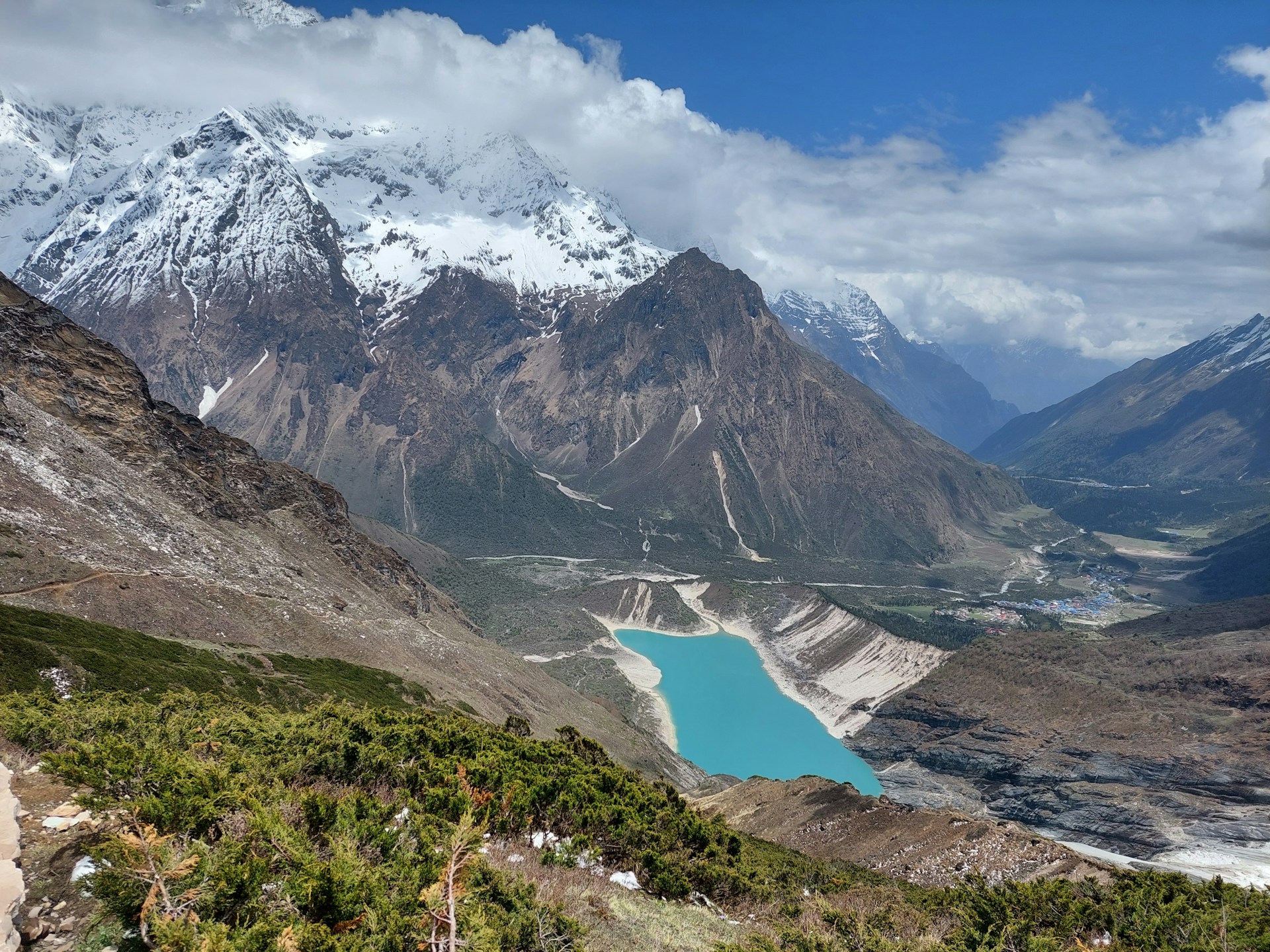
Another benefit is the sense of adventure. Restricted areas often include high passes, deep valleys, and dramatic scenery.
Trekkers enjoy:
- Trails that are peaceful and not too busy
- Beautiful views of mountains and wild places
- Cultural experiences that are one of a kind in remote villages
- Well-organized routes that need permits and guides
Safety and conservation are also important reasons. Since these areas are protected, trekking rules help preserve nature and local culture. Traveling with a licensed guide ensures proper navigation, safety support, and cultural respect.
Overall, restricted area treks in Nepal are great for adventurous hikers who want something more than a regular hike.
They offer a deeper connection with nature, culture, and the remote beauty of Nepal’s high mountains.
Top Restricted Area Treks in Nepal
Restricted area treks take you to some of the most remote and culturally rich parts of Nepal. These routes are safe because their borders are sensitive, their cultures are rare, and their natural beauty is untouched. Trekkers need special permits and licensed guides to go on their trips. This keeps the trip safe and respectful of local customs.
These treks are perfect for travelers who want adventure beyond popular trails. You will walk through peaceful valleys, high mountain passes, and old villages that have kept their unique ways of life for generations. Each restricted trek takes you through a different landscape and culture, from plateaus that look like deserts to eastern forests that are full of life.
Below are some of the top restricted area treks in Nepal that offer unforgettable journeys into hidden Himalayan regions.
1. Upper Mustang Trek
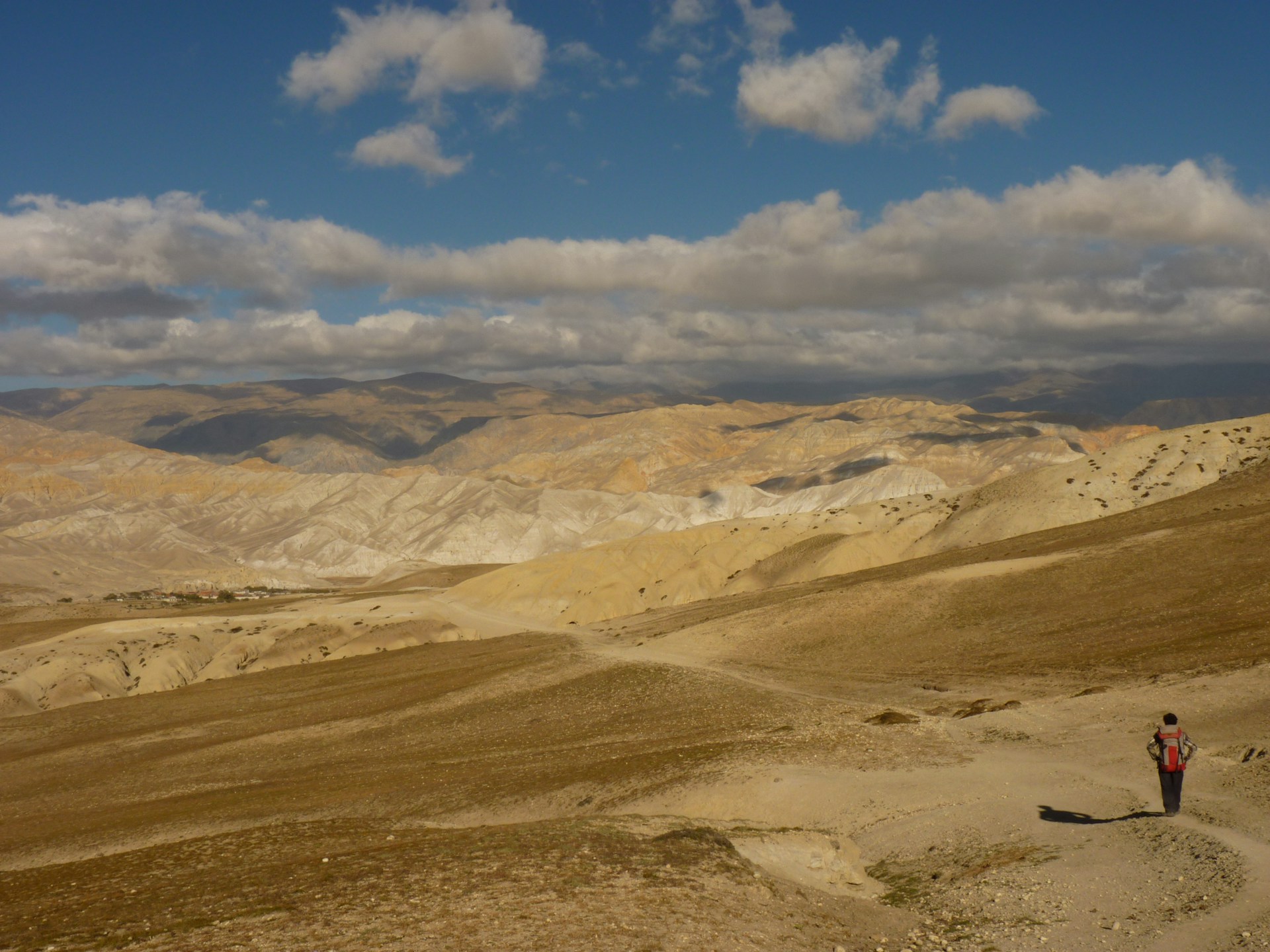
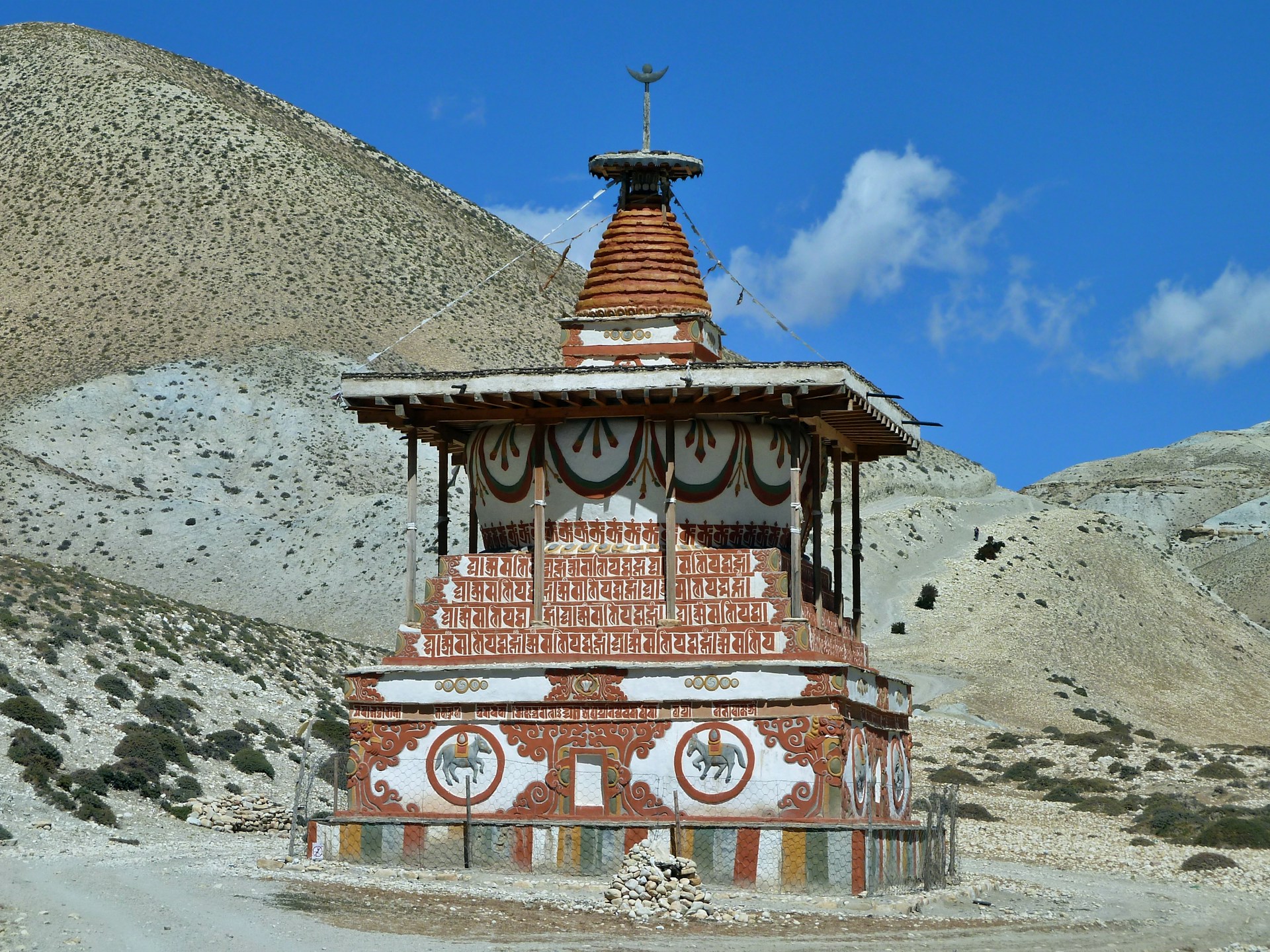
- Upper Mustang Trek you to the old Kingdom of Mustang, a remote desert-like area near the border with Tibet.
- Famous for its red cliffs, caves, and old monasteries that show how Tibetan Buddhists lived.
- The path goes through Lo Manthang, a walled city with a long history of royalty and traditions.
- The landscape is dry and one-of-a-kind, which is very different from the green trekking areas in the Himalayas.
- Cultural festivals, prayer flags, and traditional villages make the journey deeply meaningful.
- You need a special permit to go into a restricted area and a registered trekking guide.
- Great for trekkers who want to see a mix of culture, history, and strange Himalayan scenery.
- Best for moderate trekkers who like to walk for long periods of time in dry, windy weather.
2. Manaslu Circuit Trek
- Circles Mount Manaslu, the eighth-highest mountain in the world.
- It has a lot of different types of scenery, like forests, rivers, alpine meadows, and high mountain passes.
- Crosses the well-known Larkya La Pass, which has breathtaking views of the Himalayas.
- Villages along the way have a strong Tibetan culture and way of life.
- There are not as many people on the trails as Everest and Annapurna, so it’s a peaceful hike.
- Requires restricted permits and a licensed guide for safety and regulation.
- Good for trekkers who are in good shape and like long, hard walks.
- Manaslu Circuit Trek is the best choice for people who want both a rich culture and high mountain adventure.
3. Kanchenjunga Base Camp Trek (Eastern Nepal)
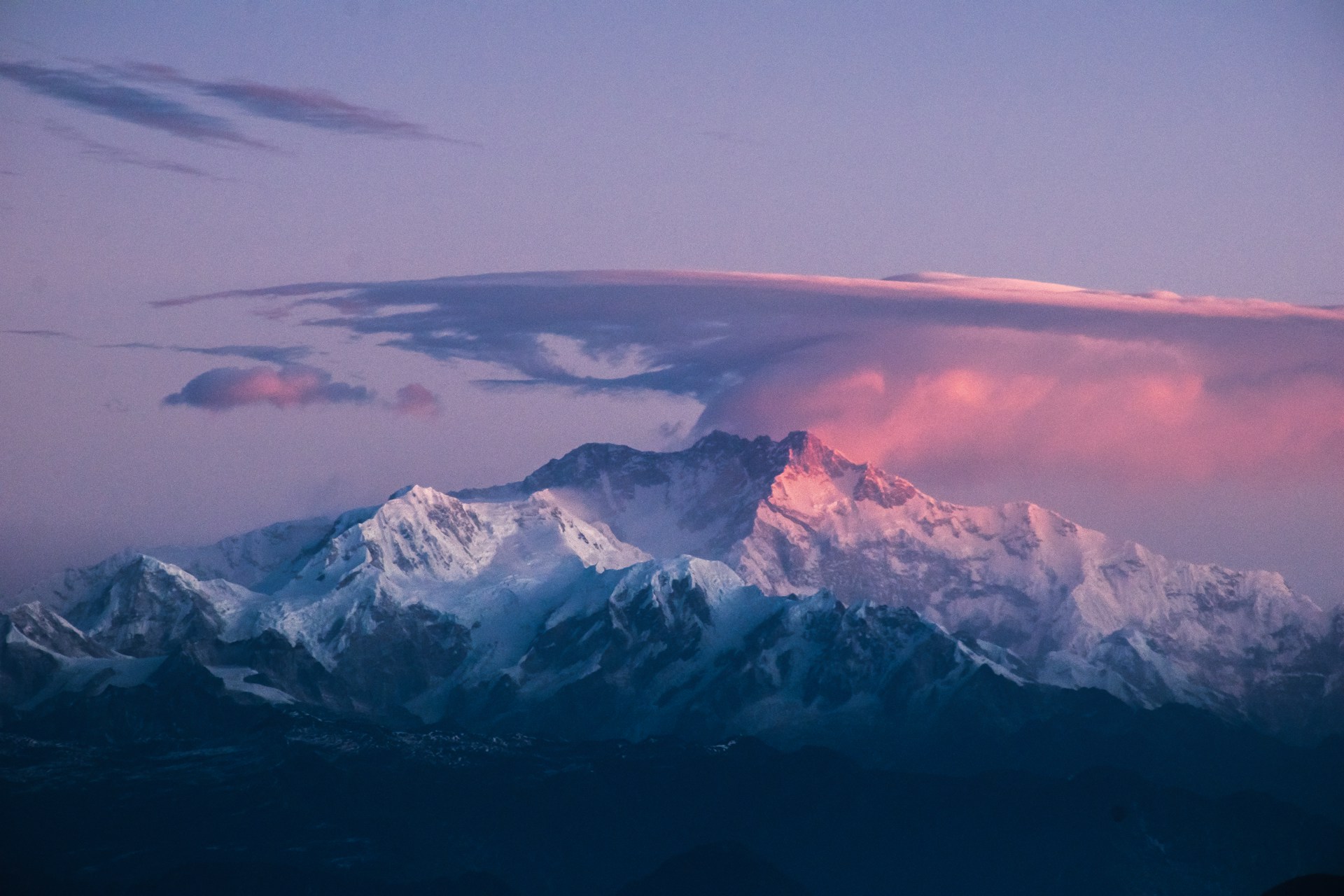
- Takes you to the base of Mount Kanchenjunga, which is the third-highest mountain in the world.
- In a very remote part of the east with thick forests and animals that are hard to find.
- Trails go through traditional Rai and Limbu villages, which have their own unique cultures.
- You can see stunning views of glaciers, deep valleys, and tall snowy peaks from here.
- The route is long and demanding, best for experienced trekkers seeking isolation.
- Requires special permits and organized logistics due to remoteness.
- Perfect for people who love nature and want trails that haven’t been touched and real wilderness.
- Kanchenjunga Base Camp Trek is a great choice for people who like to hike in peace and quiet away from busy roads.
4. Api Himal Trek (Far Western Nepal)
- One of Nepal’s least explored trekking areas, where you can really get away from it all.
- It surrounds Mount Api, a beautiful Himalayan peak that doesn’t get as many visitors.
- Trails go through wild places, green valleys, and small, remote villages.
- The culture here is traditional and hasn’t been changed by mass tourism.
- Requires strong trekking experience and careful planning with permits and guides.
- Perfect for trekkers who want solitude and raw Himalayan beauty.
- The trip lets you get to know local people and see how simple life is in the mountains, making up for quite a meaningful journey.
- Api Himal Trek is best for adventurous hikers looking for new paths in the far western part of Nepal.
5. Makalu Barun Trek
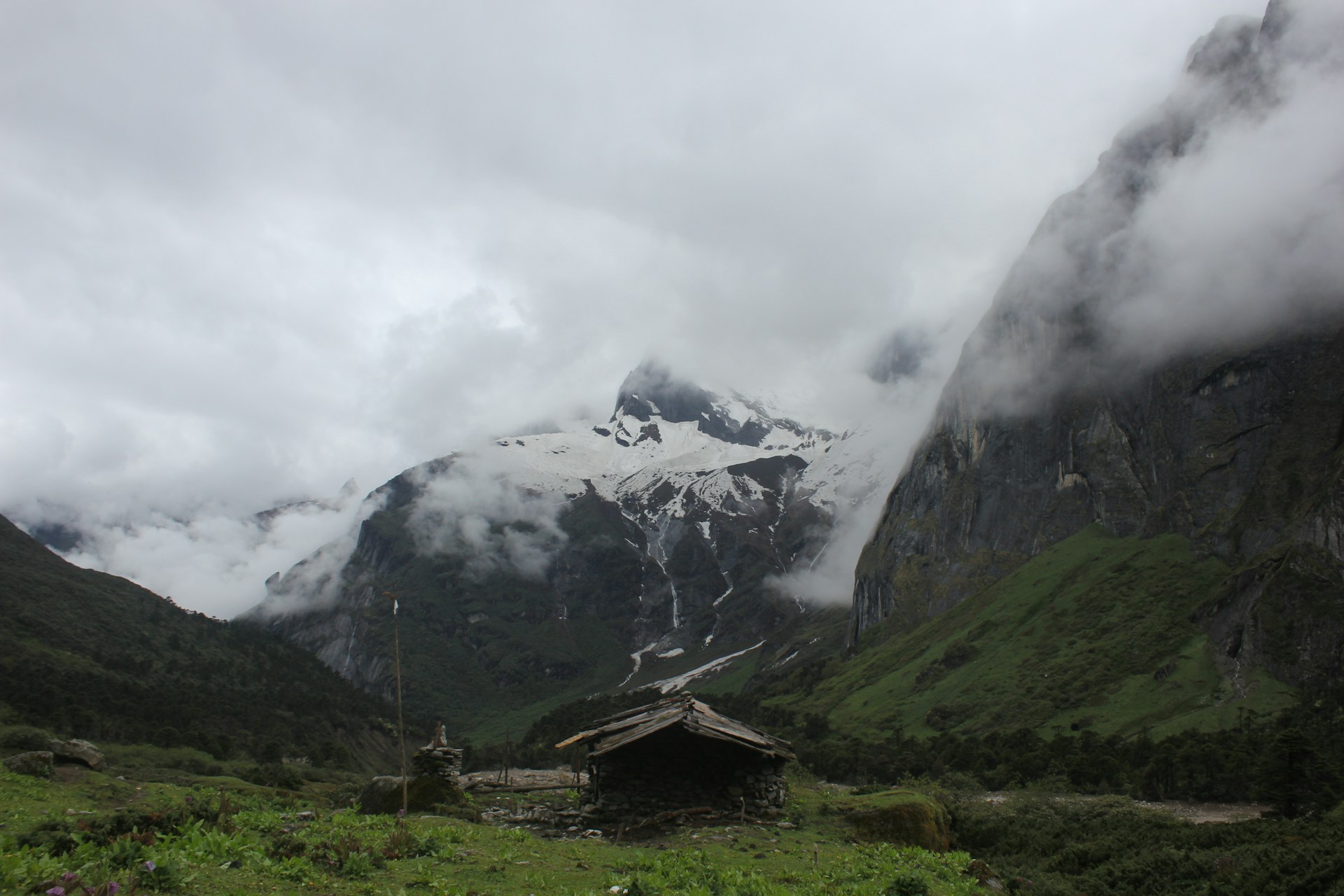
- Located in the Makalu Barun conservation area, known for rich biodiversity and dramatic scenery.
- Offers views of Mount Makalu, the fifth-highest peak in the world.
- Trails include deep valleys, dense forests, glaciers, and high mountain passes.
- The region is remote and peaceful, with fewer trekkers on the trail.
- Requires restricted permits and experienced guides for safe travel.
- Good for trekkers who want a tough and wild trip in the Himalayas.
- Brings together adventure trekking with beautiful, untouched natural areas and interesting animals.
- Makalu Trek is a great choice for people who want to go trekking in places that aren’t very popular.
Permits and Regulations for Restricted Treks in Nepal
Permits and regulations are very important for Restricted Area Treks in Nepal. These rules help protect remote regions, local cultures, and fragile mountain environments. The government of Nepal strictly controls who can go to these places, so trekkers must follow the rules set by the government before they start their trip.
Unlike regular trekking routes, restricted treks require special permits that can only be arranged through a registered trekking agency. Independent trekking is not allowed in these zones. You can’t go trekking alone in these areas. According to government rules, trekkers must go with a licensed guide and in a group of at least two people.
Key permits and regulations include:
- Restricted Area Permit (RAP) issued by the Department of Immigration
- Trekking must be organized through a government-registered agency
- A licensed guide is mandatory for the entire trek
- There must be at least two trekkers in a group (not including the guide and porter).
- At all checkpoints, you must have copies of your passport and permit.
Permit fees vary depending on the region and number of trekking days. Popular restricted areas like Upper Mustang, Manaslu, and Kanchenjunga have different pricing structures and entry rules. Some regions also require extra conservation or national park permits along with the RAP.
Following these rules makes sure that your trek is legal, safe, and respectful of the people who live there. Authorities can also keep an eye on trekkers and help them if they need it if they have the right permits.
Always arrange documents in advance to avoid delays and enjoy a smooth trekking experience in restricted areas of Nepal’s mountain regions.
Best Time for Restricted Area Treks
The best time for Restricted Area Treks in Nepal is mainly during spring and autumn. These times of year have stable weather, clear views of the mountains, and safer trail conditions, which are very important in remote and less developed trekking areas. Trekkers can avoid flight delays, landslides, and very cold weather that happen a lot in restricted mountain areas by planning their trips well.
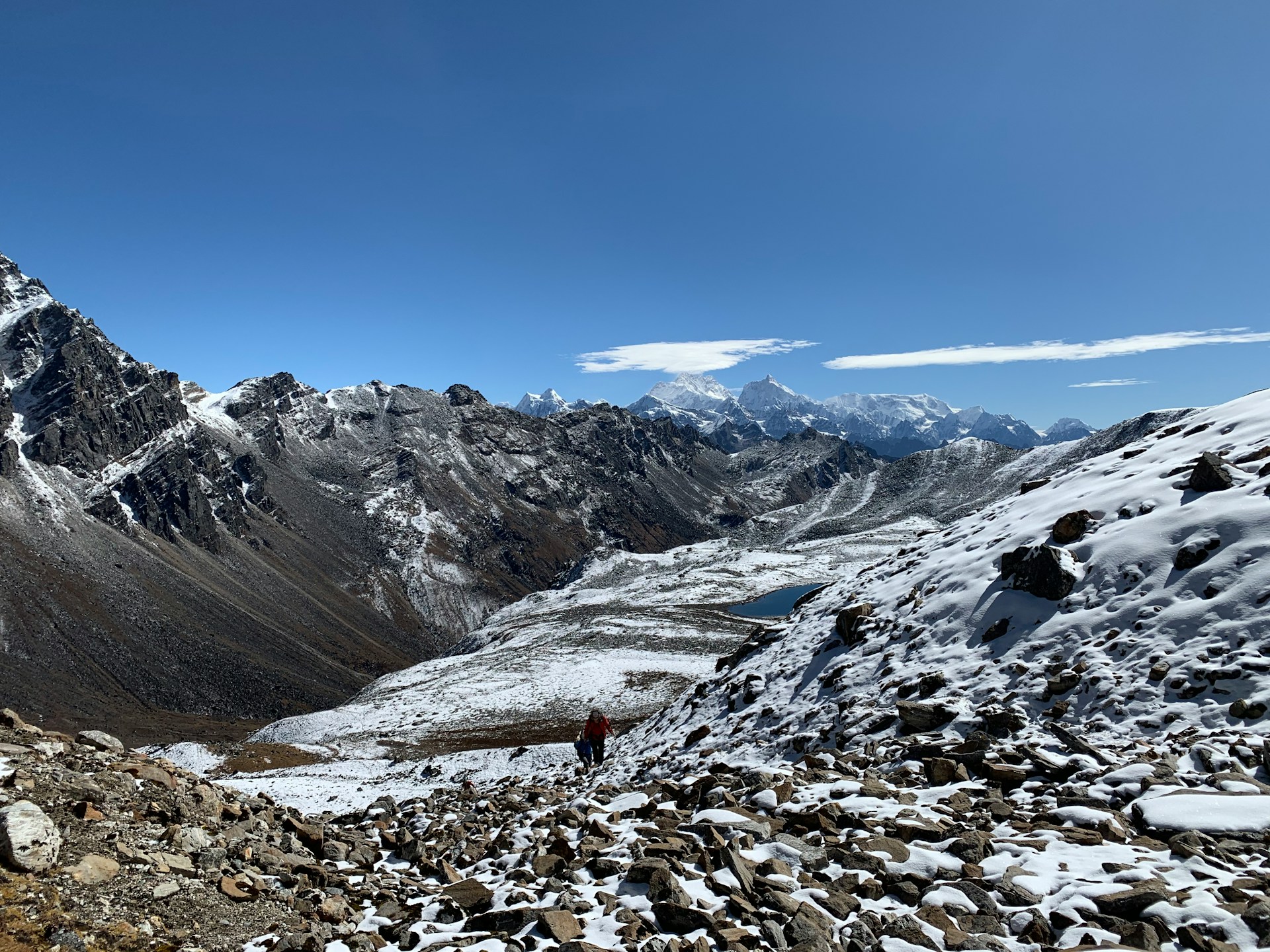
Spring (March to May) is one of the most pleasant seasons. The days are warmer, forests are green, and rhododendron flowers bloom along many trails. It is a great time for long trekking days and crossing high passes.
Key advantages include:
- Mild daytime temperatures at most altitudes
- You can see the snow-covered peaks clearly.
- Landscapes with beautiful flowers and animals moving around
Autumn (September to November) is often considered the best overall season. After the monsoon rain, the air becomes fresh and the skies remain very clear. Trails are dry and safer for technical sections in remote regions.
Benefits of autumn trekking include:
- Excellent visibility for mountain photography
- The weather is nice for long-distance hiking.
- More reliable flights and easier logistics
Monsoon (June to August) is less suitable due to heavy rain, landslides, and leeches on lower trails.
Winter (December to February) brings freezing temperatures and heavy snow at high passes, making many routes difficult.
Choosing spring or autumn ensures a safer, more enjoyable restricted area trekking experience.
Difficulty Levels and Preparation Tips
Restricted area treks in Nepal are usually more difficult than popular trekking routes. These trails go through valleys that are hard to get to, high passes, and villages that are far away and don’t have many services. People who want to go trekking in such places need to be in good shape, mentally prepared, and ready for the weather and the basic places to stay to change.
The difficulty level depends on altitude, trail length, and remoteness. A lot of the routes require you to walk for 6 to 8 hours a day, cross passes that are 4,000 to 5,000 meters high, and stay in basic lodges or camps. At higher altitudes, trekkers may have to deal with steep climbs, rocky paths, and cold weather.
Common challenges include:
- High altitude and risk of altitude sickness
- Long days of hiking with few breaks
- Limited access to medical care and rescue in remote areas
- Basic food and shelter compared to busy trails
Good preparation makes these treks safer and more enjoyable. You should start training at least 2–3 months before the trek by hiking, doing cardio, and strength training on a regular basis. To build your endurance, practice walking with a backpack.
Important preparation tips:
- Improve stamina with hiking, running, or cycling
- Learn basic altitude awareness and acclimatization rules
- Pack proper trekking gear for cold and windy conditions
- Travel with a licensed guide, as required in restricted areas
Mental readiness is also important. Trekkers should be patient, flexible with plans, and open to simple mountain living. With the right attitude and a lot of planning, even hard treks in restricted areas can be fun and rewarding, with amazing views of the Himalayas, unique culture, and nature.
Cost Estimate for Restricted Area Treks in Nepal
Restricted Area Treks in Nepal are more expensive than regular treks because they require special permits, licensed guides, and remote logistics. These treks go through protected areas where tourism is carefully controlled to protect nature and culture. The total cost depends on where you are, how long the trek is, and what services you need, like guides, porters, food, and transportation.
The main expense comes from government permit fees. For example:
- Upper Mustang permit: Under the updated 2025 policy, the Upper Mustang permit fee is now USD 50 per day for foreign visitors, replacing the previous structure of USD 500 for the first 10 days plus USD 50 for each additional day.
- Manaslu restricted area permit: Manaslu restricted area permit costs about $100 per week during the busiest months and $75 per week in other months.
- Upper Dolpo permit: For the first ten days, the Upper Dolpo permit costs about $500, and for each day after that, it costs $50.
Besides permits, trekkers must hire a licensed guide and usually travel in a group. Guide costs generally range from USD 20 to 100 per day depending on difficulty and remoteness.
Other major cost factors include:
- Domestic flights to trailheads that are far away
- Staying and eating in remote villages
- Porter services for carrying heavy gear
- Travel insurance and rescue coverage
On average, a restricted area treks in Nepal can cost:
- USD 2,000–3,500 for Manaslu Circuit
- USD 2,000–3,500 for Upper Mustang
- USD 4,500–7,000 for Upper Dolpo or Makalu Barun routes
These prices are realistic estimates based on permit fees, logistics, and remote expedition-style trekking support.
Safety Tips for Restricted Area Treks in Nepal
Restricted Area Treks in Nepal take you to remote and high mountain regions. These areas are beautiful but also challenging. It’s very important to plan for safety well because there aren’t many medical and emergency services available. With the right planning, hikers can have fun and feel safe on the trail.
One key tip is to trek with a licensed guide. Restricted regions require guides, and they also help with route finding, weather decisions, and local communication. Acclimatization is another important safety factor because many routes go above 4,000 meters, where altitude sickness can happen.
Important safety tips to follow:
- Always trek with a registered guide and proper permits
- Take your time and walk slowly to get used to the altitude.
- Drink a lot of water and eat food that gives you energy.
- Before moving to higher camps, check the weather forecast every day.
- Bring a basic first-aid kit and any medicines you need.
Trekkers should also have good travel insurance that covers high-altitude rescue and evacuation. Guides often use satellite phones or radios because mobile signals may not work in remote valleys. Bringing warm clothes, waterproof gear, and strong boots can help you stay safe when the weather changes quickly.
Finally, listen to your body during the trek. If you feel strong headaches, dizziness, or extreme tiredness, inform your guide immediately. Turning back is always safer than pushing forward in risky conditions.
With careful planning and awareness, treks in restricted areas can be safe, fun, and truly unforgettable.
Conclusion – Are Restricted Area Treks in Nepal Right for You?
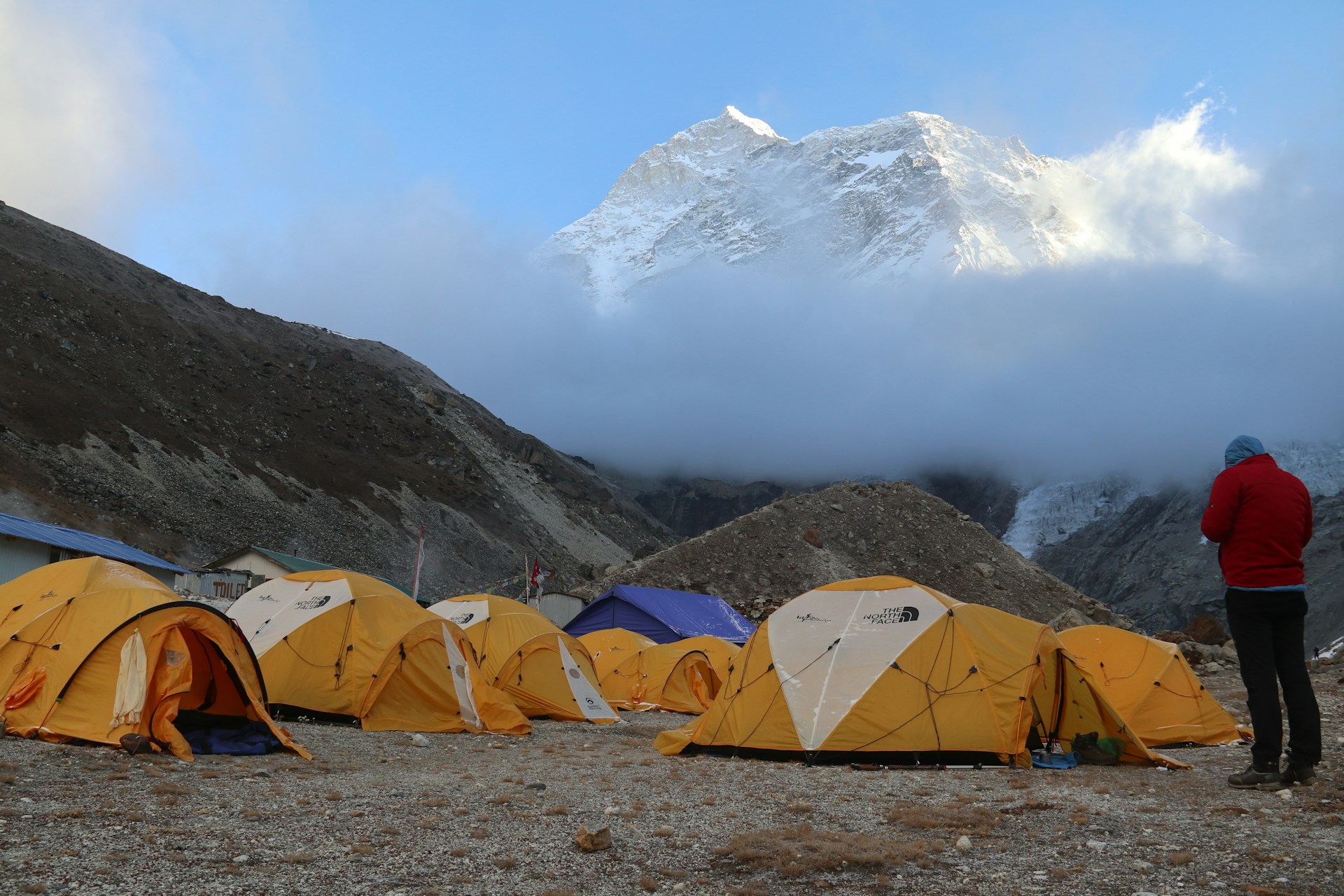
Restricted area treks in Nepal are perfect for trekkers who want quiet trails, remote villages, and wild mountain landscapes. These treks are less crowded than popular routes and offer a deeper cultural and natural experience. But they are also harder because the days are longer, the altitudes are higher, and there are fewer places to stop along the way. These treks can be very rewarding if you like adventure and don’t mind living in simple conditions.
You should choose a restricted area trek if you are physically fit, mentally prepared, and ready for a challenging journey. Trekkers need patience, good stamina, and a flexible mindset because weather, trail conditions, and travel plans can change. For safety and comfort in remote areas, it’s also important to follow the rules, travel with a licensed guide, and bring the right gear.
In the end, these treks are ideal for travelers seeking unique and off-the-beaten-path adventures. They offer rich culture, untouched nature, and a true sense of exploration.
If you are looking for a deeper and more authentic Himalayan trekking experience, restricted area treks in Nepal can be the perfect choice for your next big adventure.