

Trekking in Nepal best time of year- A Complete Seasonal Guide
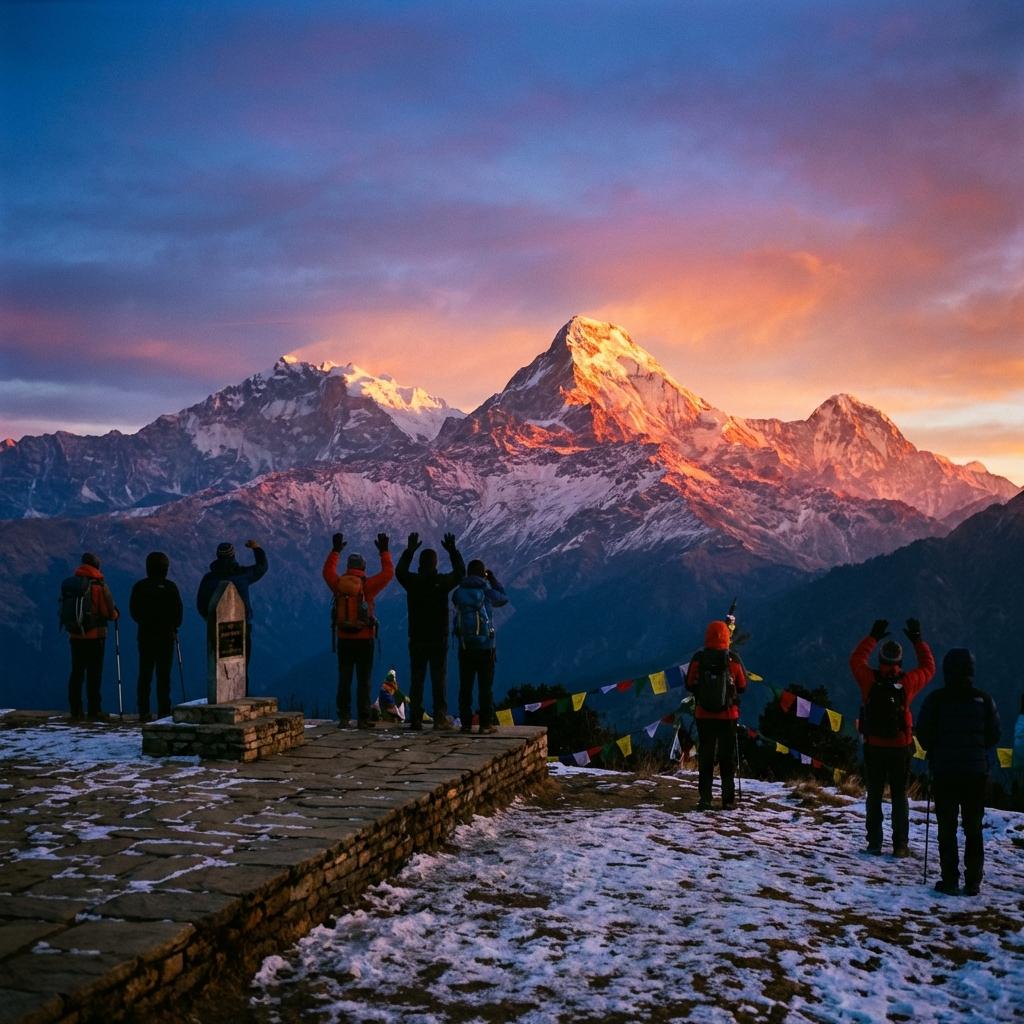
Trekking in Nepal: Best Time of Year (Complete Seasonal Guide)
Best time to visit Nepal is one of the world’s premier trekking destinations, offering breathtaking Himalayan landscapes, diverse cultures, and trails for every experience level. Whether you’re planning the iconic Everest Base Camp Trek, the Annapurna Circuit, the Langtang Valley Trek, or a remote expedition in Upper Mustang, choosing the right season can significantly enhance your trekking experience.
In this guide, you’ll learn about the best time for trekking in Nepal, what to expect during each season, weather conditions, temperatures, trail conditions, and recommendations for the most popular trekking routes.
Why Choosing the Right Trekking Season Matters
The weather in the Himalayas changes dramatically throughout the year. Trekking during the ideal season offers:
- Crystal-clear mountain views
- Comfortable daytime temperatures
- Safer trail conditions
- Better flight reliability
- Blooming forests or colorful autumn landscapes
- More enjoyable cultural experiences
The four trekking seasons in Nepal are:
- Spring (March to May)
- Summer/Monsoon (June to August)
- Autumn (September to November)
- Winter (December to February)
Each season has unique advantages.
Spring (March to May): One of the Best Seasons


Spring is considered one of the best times to trek in Nepal. As winter snow melts, the hills burst into life with blooming rhododendrons, lush forests, and pleasant temperatures.
Weather
- Kathmandu: 15°C–30°C
- Trekking regions: 5°C–20°C
- High passes: -10°C to 5°C
Advantages
- Stable weather
- Clear mountain views
- Rhododendron forests in full bloom
- Longer daylight hours
- Ideal climbing season for trekking peaks
- Comfortable temperatures
Best Treks
- Langtang Valley Trek
- Mardi Himal Trek
- Island Peak Climbing
- Mera Peak Climbing
- Everest Base Camp Trek
- Annapurna Base Camp Trek
- Annapurna Circuit Trek
- Langtang Trek
- Manaslu Circuit Trek
- Upper Mustang Trek
- Gokyo Lakes Trek
- Three High Passes Trek
- Kanchenjunga Trek
- Makalu Base Camp Trek
Things to Consider
Spring is popular, so tea houses fill quickly on major routes. Booking accommodation and guides in advance is recommended.
Summer/Monsoon (June to August)


Summer brings the southwest monsoon, creating lush green hills but also frequent rain in most trekking regions.
Weather
- Kathmandu: 22°C–32°C
- Lower elevations: Warm and humid
- High elevations: Cool
Challenges
- Heavy rainfall
- Slippery trails
- Leeches in forested areas
- Flight delays
- Limited mountain visibility
Advantages
- Very few trekkers
- Beautiful green landscapes
- Lower accommodation costs
- Excellent photography opportunities after rainfall
Best Monsoon Treks
Since these regions lie in the rain shadow of the Himalayas:
These destinations receive much less rainfall than Everest or Annapurna.
Autumn (September to November): The Best Overall Season


Autumn is widely regarded as the best trekking season in Nepal. After the monsoon, the skies become exceptionally clear, offering stunning Himalayan panoramas.
Weather
- Kathmandu: 15°C–28°C
- Trekking regions: 5°C–20°C
- High mountains: -10°C to 5°C
Why Autumn is the Best
- Crystal-clear mountain views
- Dry trails
- Stable weather
- Comfortable temperatures
- Excellent visibility
- Numerous festivals such as Dashain and Tihar
Peak Tourist Season
Autumn is Nepal’s busiest trekking season. Booking flights, permits, guides, and accommodation well in advance is highly recommended.
Winter (December to February)


Weather
- Kathmandu: 2°C–20°C
- Mountain villages: -5°C to 10°C
- High passes: -20°C or lower
Advantages
- Quiet trails
- Excellent mountain visibility
- Snow-covered landscapes
- Easier hotel availability
- Great photography conditions
Challenges
- Very cold nights
- Snow-covered high passes
- Some lodges may close in remote regions
Recommended Winter Treks
- Ghorepani Poon Hill Trek
- Annapurna Base Camp Trek
- Langtang Valley Trek
- Everest Base Camp Trek (for well-prepared trekkers)
- Helambu Trek
Best Season by Trekking Region
| Trekking Region | Best Time |
|---|---|
| Everest Region | March–May, September–November |
| Annapurna Region | March–May, September–November |
| Langtang Region | March–May, September–November |
| Manaslu Circuit | March–May, September–November |
| Upper Mustang | June–September |
| Upper Dolpo | June–September |
| Kanchenjunga | April–May, October–November |
| Makalu Base Camp | April–May, October–November |
Best Month-by-Month Guide
| Month | Trekking Conditions |
|---|---|
| January | Cold, fewer trekkers |
| February | Improving weather |
| March | Excellent |
| April | Outstanding |
| May | Warm and beautiful |
| June | Beginning of monsoon |
| July | Rainy except rain-shadow areas |
| August | Wet but green |
| September | Excellent after monsoon |
| October | Best month overall |
| November | Fantastic weather |
| December | Cold but clear |
Which Season Should You Choose?
Choose Spring If You Want
- Colorful rhododendron forests
- Pleasant temperatures
- Peak climbing adventures
- Beautiful landscapes
Choose Autumn If You Want
- The clearest mountain views
- Stable weather
- Comfortable trekking conditions
- Nepal’s biggest festivals
Choose Winter If You Want
- Peaceful trails
- Snowy scenery
- Budget-friendly travel
- Fewer crowds
Choose Monsoon If You Want
- Green landscapes
- Quiet trails
- Rain-shadow adventures like Upper Mustang and Upper Dolpo
Tips for Trekking in Every Season
- Check weather forecasts before departure.
- Pack clothing suitable for changing temperatures.
- Book flights, guides, and accommodation early during spring and autumn.
- Allow extra days in your itinerary in case of weather-related delays.
- Stay hydrated and acclimatize properly to reduce the risk of altitude sickness.
- Purchase comprehensive travel insurance that covers high-altitude trekking and emergency evacuation.
Frequently Asked Questions (FAQs)
What is the best month to trek in Nepal?
October is generally considered the best month due to its stable weather, clear skies, and excellent mountain visibility.
Is spring or autumn better for trekking?
Both are excellent. Spring offers blooming rhododendrons and warmer temperatures, while autumn provides the clearest mountain views and the most stable weather.
Can I trek in Nepal during the monsoon?
Yes. Rain-shadow regions such as Upper Mustang, Upper Dolpo, and Nar Phu Valley are excellent choices during the monsoon season.
Is winter trekking possible?
Yes. Many popular routes remain open, but trekkers should be prepared for cold temperatures and possible snow at higher elevations.
Final Thoughts
Nepal is a year-round trekking destination, but spring (March–May) and autumn (September–November) remain the top choices for most trekkers due to their stable weather, comfortable temperatures, and spectacular Himalayan views. For those seeking quieter trails or unique landscapes, winter and the monsoon season also offer rewarding experiences when you choose the right destinations.
Whether you’re dreaming of reaching Everest Base Camp, exploring the Annapurna region, or venturing into remote Himalayan valleys, selecting the right season will help you enjoy a safer, more comfortable, and unforgettable trekking adventure.